
Busan to Fukuoka by Ferry: Timetable, Fares and Everything at the Port
One ship, one sailing, and a check-in counter about seven minutes on foot from Busan Station. This page puts the whole crossing into tables you can book from: departure and arrival times in both directions, every cabin class in yen, the taxes that are not in the fare, and what actually happens at each terminal.
| Ships on the route | One. The New Camellia, operated by Camellia Line |
|---|---|
| Busan to Hakata | Check-in 16:30 to 18:30, sails 22:30, ashore 07:30 the next morning |
| Hakata to Busan | Check-in 10:30 to 11:30, sails 12:30, ashore 18:30 the same day |
| Cheapest adult fare | 12,000 yen one way in second class, 22,800 yen return |
| On top of the fare | 6,000 won port tax and 1,000 won tourism fund from Busan, 3,000 yen departure tax from Hakata |
| Reaching the Busan terminal | Covered footbridge from Busan Station, roughly a seven minute walk, check-in on the third floor |
| Money on board | Japanese yen, everywhere. Won is not accepted in the shops or the restaurant |
1. The fast boats are gone, and that changes how you plan
2. The timetable, in both directions
3. It does not sail every day
4. Fares by cabin class
5. Children, students and the room charge
6. The money that is not in the fare
7. Busan International Passenger Terminal: the third floor, and the 18:30 wall
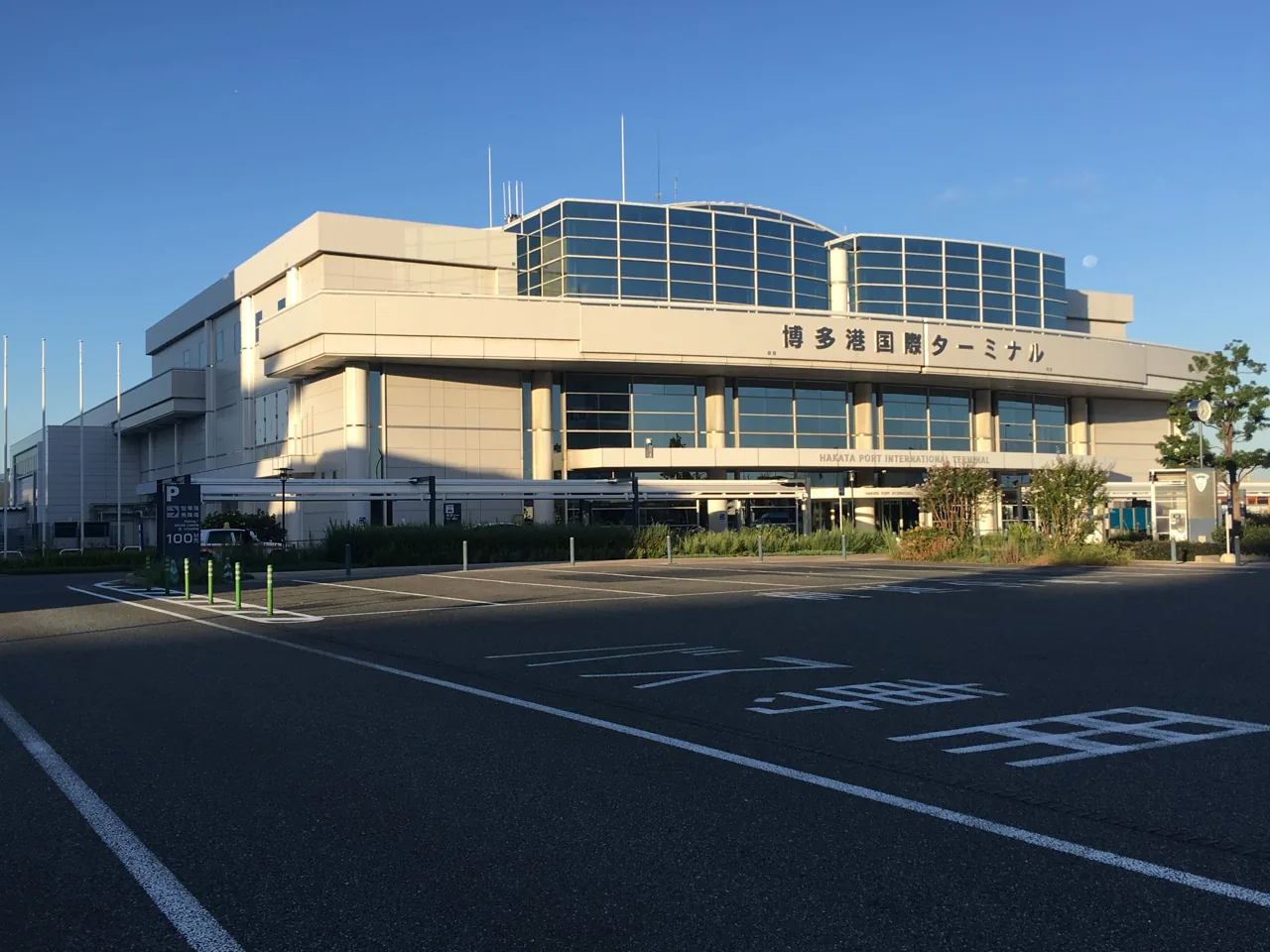
8. Hakata Port International Terminal: getting to and from the ship
9. On board: what is open, and when
10. Eating on the crossing
11. Baggage: what you can carry, what goes in the hold
12. Booking, papers and check-in
13. Ferry or flight: the honest comparison
14. The other boats out of Busan
15. Check the notices before you book: what was live at this update
16. Making the night crossing actually work
Search for a boat from Busan to Fukuoka and you will still find pages selling you a three hour hydrofoil, a morning departure and an afternoon arrival. Those pages are describing a service that no longer exists. What is on the water today is a single overnight ship, and planning around it means knowing exactly when the counter closes, which floor it is on, what the fare does not include, and which nights the ship does not sail at all. Everything below comes from the operator’s own timetable and tariff, laid out so you can check a date and a class in a few seconds. If you are still deciding how the crossing fits into a wider trip, our complete Busan travel guide covers the Busan side of it.
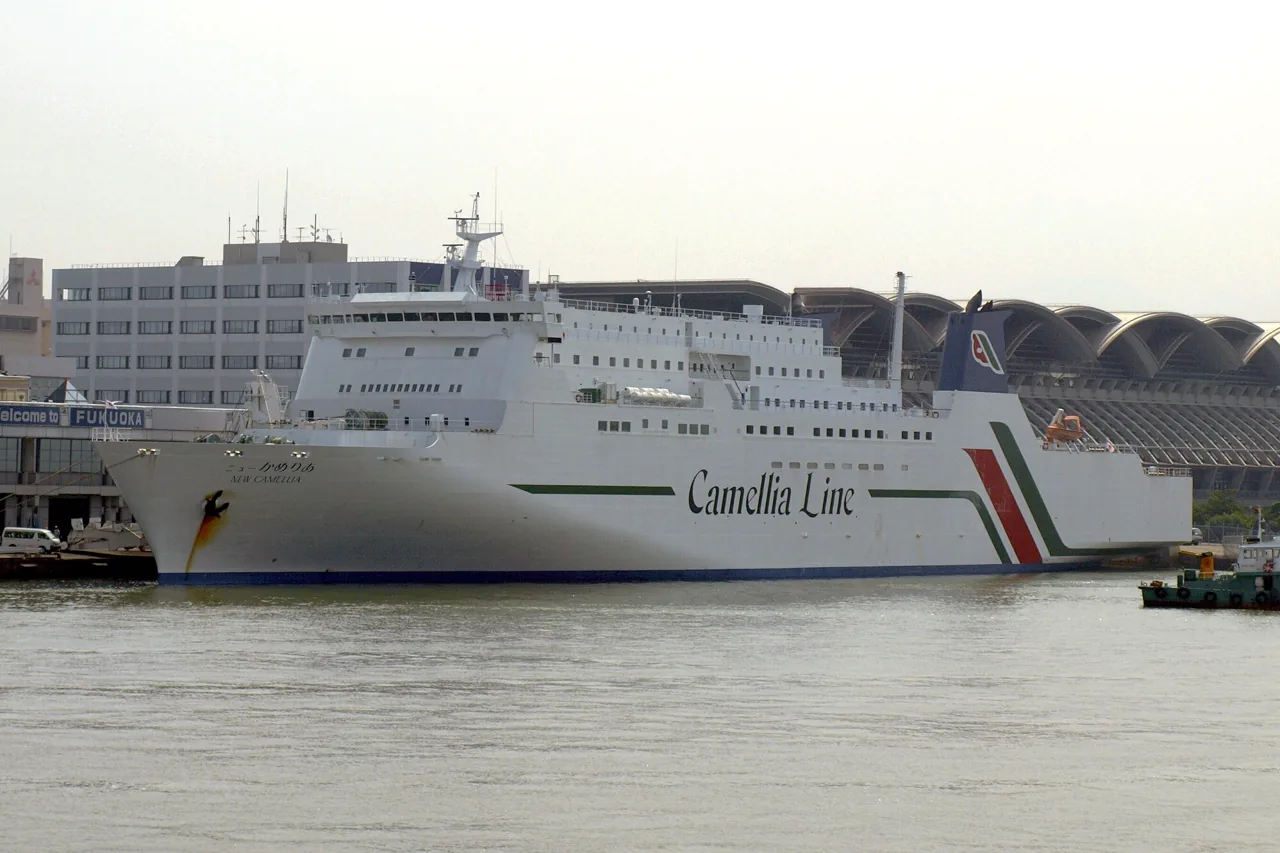
1. The fast boats are gone, and that changes how you plan
There is no high-speed service between Busan and Fukuoka any more, so the only way to make this crossing by sea is to sleep through it.
Two fast craft used to share this route with the overnight ship. Both have left it. QUEEN BEETLE, run by JR Kyushu Jet Ferry, pulled out of the Korea to Japan business in December 2024. KOBEE, the fast craft operated on the Korean side by Miraegosok, is also gone from Busan to Fukuoka. That leaves exactly one vessel.
| Vessel | Operator | Status on this route |
|---|---|---|
| New Camellia | Camellia Line, sold in Korea through Koryo Ferry | Running. One round trip, overnight southbound |
| QUEEN BEETLE | JR Kyushu Jet Ferry | Withdrawn. Left the Korea to Japan business in December 2024 |
| KOBEE | Miraegosok | Withdrawn from Busan to Fukuoka |
Practically, that removes an option people still plan around. You can no longer leave Busan in the morning and be eating lunch in Hakata, and there is no sea crossing that works as a day trip in either direction. What replaces it is asymmetric: southbound is a night at sea, northbound is an afternoon. If your itinerary depends on a same-day daylight hop, the answer is the airport, and our getting in from Gimhae Airport page covers how to reach Gimhae.
So why does anyone still take the boat? Two reasons, and neither is speed. The ship leaves from a terminal joined to Busan Station by a footbridge, and the southbound sailing spends the hours you would otherwise have been asleep in a hotel room you paid for.
2. The timetable, in both directions
One round trip a day, with the two legs behaving completely differently. Southbound you board at night and wake up in Japan. Northbound you sail after lunch and are ashore in Busan by early evening.
| Direction | Check-in | Boarding closes | Departure | Ashore |
|---|---|---|---|---|
| Busan to Hakata | 16:30 to 18:30 | 20:00 | 22:30 | 07:30 the next day |
| Hakata to Busan | 10:30 to 11:30 | 12:10 | 12:30 | 18:30 the same day |
Read the last column carefully, because the two legs are not the same length on the clock. The daytime run is six hours from cast-off to gangway. The night run is nine, and the extra time is what keeps you from being turned out onto a quayside at four in the morning. You are on board for the night whether you sleep well or not, so the class you book matters more southbound than northbound.
There is also an extra sailing that appears on the calendar from time to time, marked separately from the regular service. It runs from Hakata with boarding closing at 20:00, departure at 22:00 and arrival in Busan at 07:30, which turns the northbound leg into an overnight crossing instead of an afternoon one. Do not assume it exists on your date. Check the month’s calendar first.
3. It does not sail every day
This is the single most common planning error on the route, and it is easy to make because there is only one sailing a day, so the schedule reads like a daily service until you look at the calendar. Days off are clustered, and in the 2026 summer calendar they fall on a clear pattern.
| Direction | No sailing on these dates, July to September 2026 | Pattern |
|---|---|---|
| Departing Busan | 4 July, 11 July, 29 August, 5 September, 12 September | Saturdays |
| Departing Hakata | 5 July, 12 July, 30 August, 6 September, 13 September | Sundays |
The two lists interlock: a suspended Saturday out of Busan is followed by a suspended Sunday out of Hakata, because it is the same ship sitting still for a day. Outside those dates the summer calendar runs normally.
What you should not do is memorise the pattern. The operator publishes the calendar month by month, so the days off for your travel dates may sit somewhere else entirely, and there are separate markings for extra sailings and for cancellations. Once your dates are fixed, open the calendar for that specific month and confirm the day before you book anything either side of the crossing.
A suspended day breaks more than the boat, which is the part people underestimate. If the sailing you assumed is not running, you also lose the hotel night you were not booking, and last-minute rooms in Busan in high season are not cheap. Our when to visit Busan guide covers when the city is busiest, and where to stay in Busan covers where to look if you need a bed at short notice.
4. Fares by cabin class
Fares are set and published in Japanese yen, from 1 May 2025. There are seven ways to travel, and the gap between the cheapest and the dearest is more than double.
| Class | Adult one way | Adult return | What you get |
|---|---|---|---|
| Special room | 25,000 yen | 48,800 yen | The top cabin on the ship |
| Deluxe single | 22,000 yen | 42,800 yen | A private cabin for one |
| Deluxe twin | 20,000 yen | 38,800 yen | A private cabin for two |
| First class, Japanese-style | 15,000 yen | 28,800 yen | Tatami room, bedding on the floor, shared with your party |
| First class, Western-style | 15,000 yen | 28,800 yen | Beds, same price as the tatami room |
| Second class berth | 13,500 yen | 25,800 yen | A bunk of your own in a shared space |
| Second class | 12,000 yen | 22,800 yen | The cheapest ticket on the ship |
The 1,500 yen between second class and a second class berth is the best value decision on this list, and it only really applies southbound. On a nine hour night crossing, having a bunk rather than a patch of floor is worth more than the difference. Northbound, in daylight, plenty of people take the cheapest ticket and sit in the public areas instead.
Return fares are not simply double. A second class return saves you 1,200 yen against two singles, and a special room return saves 1,200 yen as well, so the discount is a flat sum rather than a percentage. It only applies if the return leg is booked within six months of the ticket being issued. Bookings open six months ahead, on the same date.
5. Children, students and the room charge
Reduced fares exist for students, for passengers with a disability, and for children in two age bands. They apply on the same class structure, so the choice you make above still applies.
| Class | Student or disability, one way | Child 6 to 11, one way | Infant 2 to 5, one way |
|---|---|---|---|
| Special room | 22,600 yen | 19,000 yen | 15,400 yen |
| Deluxe single | 19,600 yen | Not offered | Not offered |
| Deluxe twin | 17,600 yen | 14,000 yen | 10,400 yen |
| First class, Japanese-style or Western-style | 12,600 yen | 9,000 yen | 5,400 yen |
| Second class berth | 11,100 yen | 7,500 yen | 3,900 yen |
| Second class | 9,600 yen | 6,000 yen | 2,400 yen |
Babies under one year travel free, one per accompanying adult. Note that the two private cabins for one and for two do not carry a child or infant fare at all, which nudges families towards the first class rooms.
Those first class rooms come with a catch worth understanding before you book. They are sold as rooms with a capacity, and if your party is smaller than that capacity you may be asked for a room charge to cover the empty space.
| Room | Party size | Room charge |
|---|---|---|
| First class Western-style, two-person room | 1 person | 3,000 yen |
| First class Western-style, four-person room | 3 people | None |
| First class Japanese-style, five-person room | 3 people | 3,000 yen |
| First class Japanese-style, five-person room | 4 people | None |
Read that as a rule of thumb rather than a formula: fill a room to within one of its capacity and there is usually nothing to pay, drop two or more below it and there usually is. Confirm the exact figure for your room when you book, because it depends on which room you are given.
6. The money that is not in the fare
Three separate charges sit outside the ticket price, and they are collected in different currencies at different ends of the route. This is the part that surprises people at the counter.
| Charge | Applies to | Amount | Exempt |
|---|---|---|---|
| Port tax | Departures from Busan | 6,000 won | Under 6 years old |
| Tourism promotion fund | Departures from Busan | 1,000 won | Under 12 years old |
| International tourist tax | Departures from Hakata | 3,000 yen | Under 2 years old |
| Checked baggage, first 20 kg | Either direction | 800 yen | Not applicable |
| Checked baggage, each extra 10 kg | Either direction | 300 yen | Not applicable |
So a return trip carries 7,000 won of Korean charges on the way out and 3,000 yen of Japanese tax on the way back, before you have put a single bag in the hold. If you did not pay the terminal charges when you booked, you pay them at the check-in counter on the day of sailing.
Two thousand yen a head is not trivial on a family return, and it is exactly the kind of line that gets missed when people compare boat and plane on headline fares alone. Our what a Busan trip costs guide has the same warning about how Busan trip costs quietly accumulate outside the big-ticket items.
7. Busan International Passenger Terminal: the third floor, and the 18:30 wall
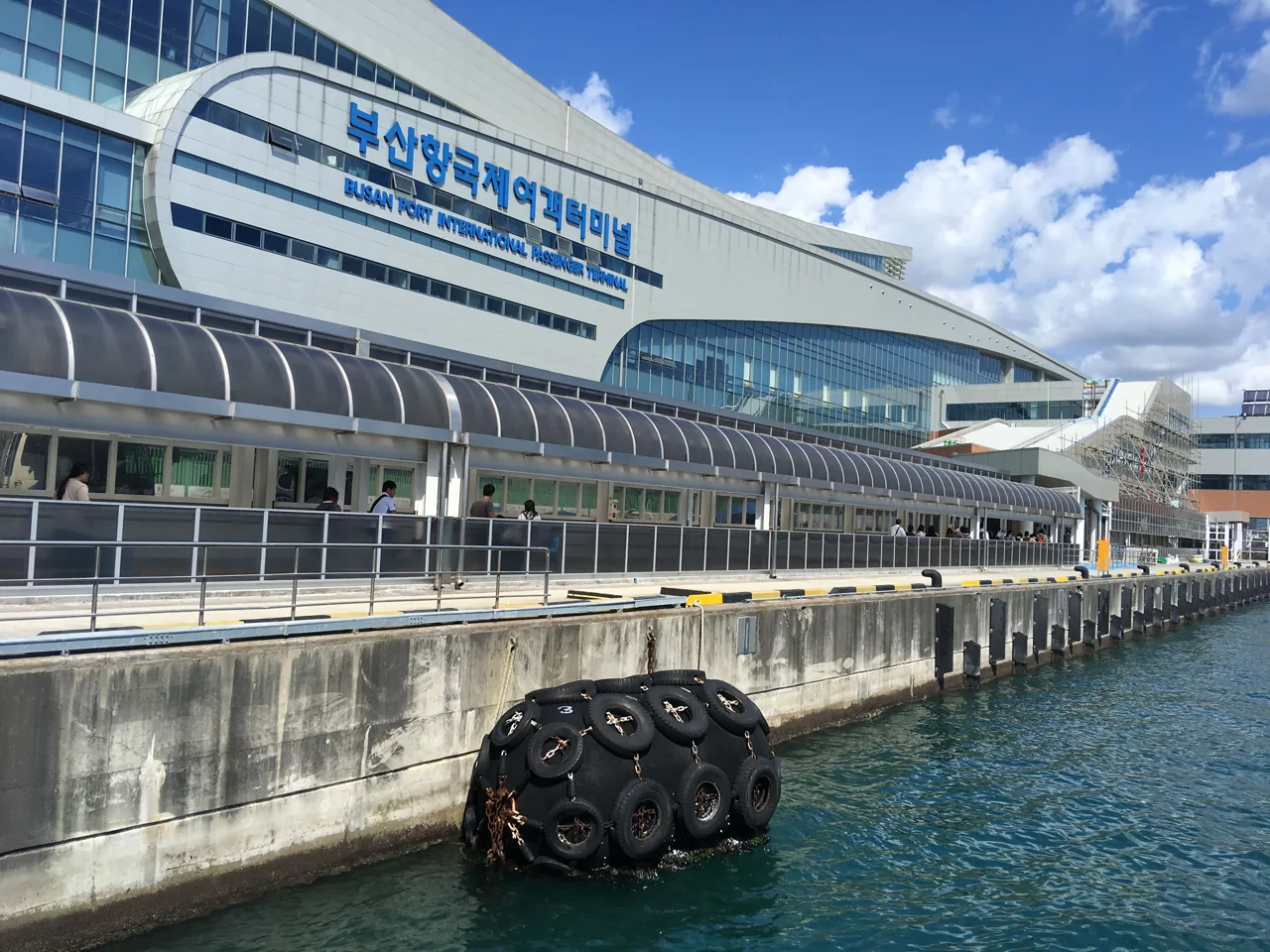
The Korean end is the strongest thing this route has going for it. Check-in for Japan is on the third floor of Map, and an enclosed footbridge runs to it directly from Busan Station, so the walk from the KTX platforms is about seven minutes and stays out of the weather.
That matters more than it sounds. Arriving into Busan by train and boarding a ship to another country without ever getting into a taxi is something almost no other international route offers. If you are coming from anywhere else in the city, get to Busan Station first and walk from there rather than trying to be dropped at the terminal, and our the metro and transit cards guide covers the metro and the transport card that gets you to the station.
| Terminal | Check-in floor | Check-in closes | Getting there |
|---|---|---|---|
| Busan International Passenger Terminal | 3rd floor | 18:30 | Covered footbridge from Busan Station, about 7 minutes on foot |
| Hakata Port International Terminal | 1st floor | 11:30 | Bus 88 from Hakata Station about 12 minutes, bus 80 from Tenjin about 10 minutes, taxi from Fukuoka Airport about 20 minutes |
The 18:30 cut-off is the number to build your last day around. It lands in the middle of the evening rush, four hours before the ship actually leaves, and it is the reason a relaxed final afternoon in Busan is a better idea than one last excursion out to Gijang. Somewhere near the station works best: Nampo-dong is two stops away on Line 1 and is an easy place to spend the afternoon and eat before you check in.
8. Hakata Port International Terminal: getting to and from the ship
On the Japanese side you are dealing with Map, where check-in is on the first floor and the counter shuts at 11:30 for the 12:30 sailing. The terminal sits north of the city centre in Hakata-ku, and none of the approaches take long.
| From | Service | Journey time |
|---|---|---|
| Hakata Station | Bus 88, towards the central pier | About 12 minutes |
| Tenjin | Bus 80, towards the central pier | About 10 minutes |
| Fukuoka Airport | Taxi | About 20 minutes |
Arriving at 07:30 gives you a genuinely useful first day. You are through the terminal and on a bus into Hakata or Tenjin while most people flying in that morning are still at their departure airport. Going the other way, an 11:30 check-in means the morning is gone, so treat departure day in Fukuoka as a travel day rather than a sightseeing one.
One recent change is worth knowing if you have used the port before: the boarding bridge at Hakata came back into use from the arrivals of 4 July 2026, after a period out of service. Boarding and disembarking are more straightforward again as a result.
Two floors, two habits: check-in is on the third floor in Busan and the first floor in Hakata, which catches out people who have done the route once and assume the return works the same way. And on arrival back in Busan you are ashore at 18:30, so have your first night in the city already booked. where to stay in Busan covers the districts, and where to stay in Haeundae goes street by street if you want to be on the beach side.
For what to do once you step off the boat — getting from the port into the city and a first day in northern Kyushu — see our Kyushu arrival guide on BreezeJapan.
9. On board: what is open, and when
This is a working overnight ferry rather than a cruise ship, but there is more on it than most people expect, including a bath with a view over the sea.
| Facility | Hours | Notes |
|---|---|---|
| Public bath with sea view | 05:30 to 07:00, 11:30 to 16:00, and from boarding complete until 23:00 | Three windows, split across the night and day legs |
| Restaurant | Set meals at breakfast and dinner | No lunch service |
| Duty-free shop and kiosk | During the sailing | Yen only |
| Information desk | During the sailing | Also lends strollers free of charge |
| Karaoke room and game corner | During the sailing | Coin operated in yen |
| Vending machines | Throughout | Yen coins and notes only |
The bath hours are the ones to write down. Southbound, the window that matters opens once boarding is complete and runs to 23:00, then reopens at 05:30 before you dock. Northbound, the 11:30 to 16:00 slot covers most of the afternoon crossing. Miss those and you have missed the best thing on the ship.
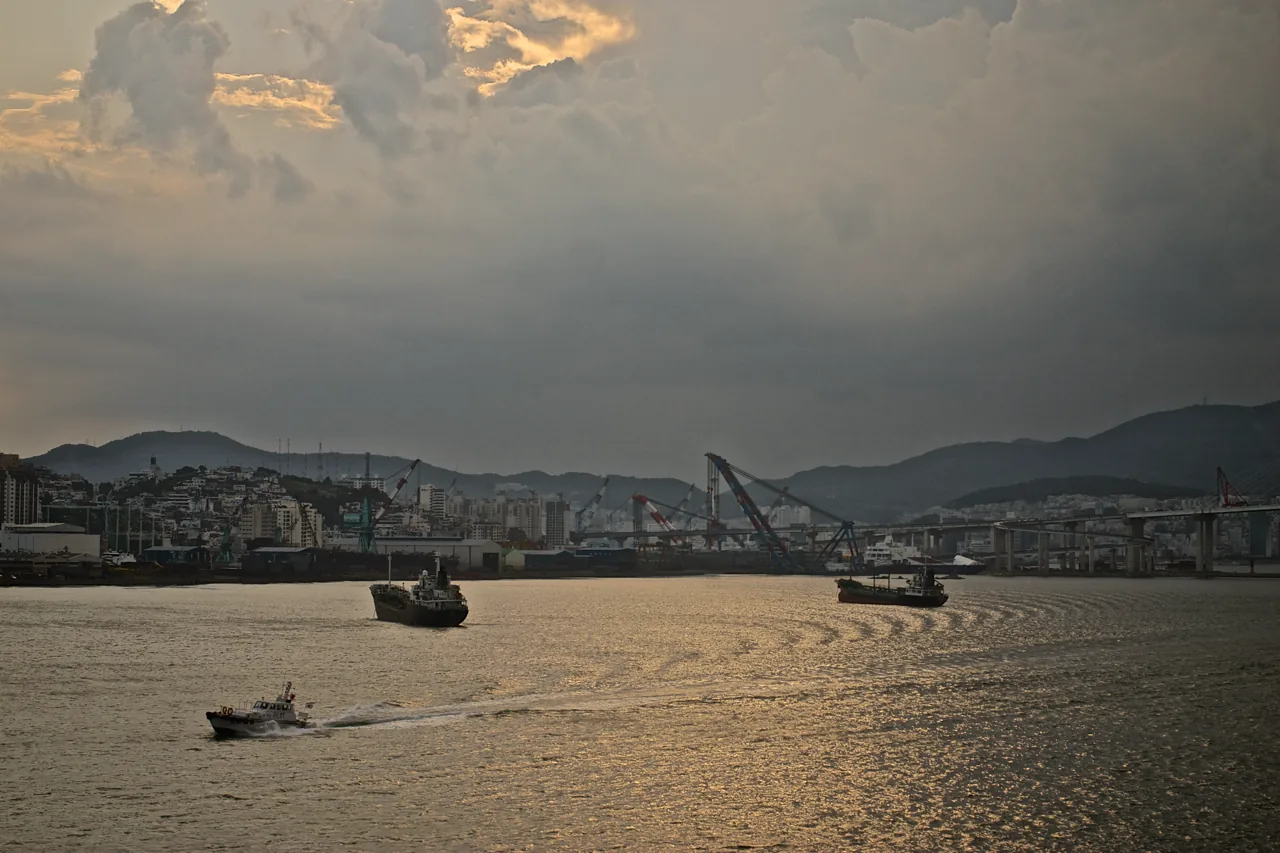
10. Eating on the crossing
The restaurant serves set meals rather than a menu, and the line-up changed in August 2024. There are two service periods, not three.
| Service | What is served | Price |
|---|---|---|
| Breakfast | Seaweed soup set | 1,000 yen |
| Lunch | No service | Not applicable |
| Dinner | Kimchi stew set, or curry rice set | 1,000 yen each |
The gap in the middle of the day is the one to plan for, because the northbound sailing leaves Hakata at 12:30 and crosses through the entire lunch period with no restaurant service. Eat before you board or bring something with you. Southbound the timing is kinder: dinner is served after departure and breakfast before you dock.
A thousand yen a set is fair for what it is, and it is not the point of the trip. If you want the food to be a reason to travel rather than a way to get through the crossing, that is what Busan itself is for, and our what to eat in Busan guide is the better use of your appetite.
11. Baggage: what you can carry, what goes in the hold
Baggage rules on a ferry are looser than an airline’s in some ways and stricter in others. The carry-on allowance is generous, the list of banned items is not.
| Item | Rule |
|---|---|
| Carry-on baggage | Up to 2 m total across the three dimensions and up to 30 kg |
| Checked baggage | One piece per person up to 20 kg for 800 yen, then 300 yen per additional 10 kg |
| Stroller | Allowed, and the information desk lends them free of charge on board |
| Bicycle | Not allowed as carry-on, accepted as checked baggage |
| Pets | Not accepted |
| Dangerous goods, artworks, precious metals | Not accepted |
Two metres across three dimensions and thirty kilograms means a large suitcase travels with you rather than in the hold, which is why plenty of passengers pay nothing for baggage at all. That is a real advantage over flying if you are carrying back more than you left with.
12. Booking, papers and check-in
Nothing here is complicated, but each step has a detail that catches people out, so it is worth walking through in order.
| Step | When | What you need to know |
|---|---|---|
| Reserve | From six months ahead, same date | Romanised name, date of birth, sex, nationality and passport number are all required at the time of booking |
| Buy or collect in Korea | Before travel day | Through the Korean agent, Koryo Ferry, on +82 1688-7447 |
| Buy or ask in Japan | Weekdays 09:00 to 17:00, weekends and holidays 09:00 to 13:00 | Camellia Line on 092-262-2323, or through a travel agent |
| Check in | By 18:30 in Busan, by 11:30 in Hakata | Passport in hand. Terminal charges are paid here if not already settled |
| Board | By 20:00 southbound, by 12:10 northbound | Boarding closes well before departure in both directions |
Because the passport number goes into the booking, a renewed passport between booking and travel is something to tell the operator about rather than something to sort out at the counter. And note that the online membership scheme closed on 11 June 2026, so an old account will not get you anywhere.
On the Korean side, entry formalities have moved online. The paper arrival card has been replaced by the electronic e-Arrival declaration, which you submit before you travel. Visa requirements depend on your nationality, and our Korea’s visa and K-ETA rules guide covers who needs K-ETA and who does not before you sail into Busan.
Check the sale status as well as the calendar. As of this update, sailings over the 2026 to 2027 year-end period had not been finalised and some of them were not on sale, while a Hakata-departure summer sale had been extended to 30 September 2026. Both of those move. Look at the operator’s notices for your month rather than assuming what was true last season.
13. Ferry or flight: the honest comparison
On raw travel time this is not a contest. The flight from Gimhae to Fukuoka is in the air for somewhere between fifty-five minutes and an hour, and five carriers fly it. The ferry takes a night. The comparison only becomes interesting when you count the things around the journey rather than the journey itself.
| New Camellia ferry | Gimhae to Fukuoka flight | |
|---|---|---|
| Time in transit | 9 hours overnight southbound, 6 hours by day northbound | About 55 minutes to 1 hour in the air |
| Getting to the departure point | About 7 minutes on foot from Busan Station over a covered footbridge | Gimhae Airport, out to the west of the city |
| Cut-off before departure | Check-in closes 4 hours before the Busan sailing | Standard airport check-in and security |
| Arrival | Hakata Port, north of the city centre, 07:30 | Fukuoka Airport, close to the centre |
| Carriers or operators | Camellia Line only | T’way, Eastar Jet, Jeju Air, Air Busan, Jin Air |
| Accommodation | The night is spent on the ship | A hotel night at one end or the other |
| Baggage | Up to 30 kg carried on, checked bags priced separately | Airline allowances and excess charges |
Put simply, flying wins on the clock and the ferry wins on the two things the clock does not measure. You start from the middle of Busan instead of an airport, and the southbound crossing turns a night you would have paid for into part of the journey. Weigh those against a four hour check-in cut-off and a night that is not going to be your best night’s sleep.
If the flight is the better fit for your dates, getting in from Gimhae Airport has the buses, the light rail and the timings for getting out to Gimhae. If you are still costing the trip as a whole, what a Busan trip costs is where the sums live.
14. The other boats out of Busan
Fukuoka is not the only Japanese port you can reach by sea from Busan, and if your Japanese itinerary starts somewhere other than Kyushu’s north coast, one of these may suit you better.
| Route | Operator and vessel | Schedule |
|---|---|---|
| Busan to Hakata, Fukuoka | Camellia Line, New Camellia | 22:30 from Busan, ashore 07:30 |
| Busan to Shimonoseki | Bukwan Ferry, Seonghee on odd-numbered days and Hamayu on even-numbered days | 21:00 from Busan, ashore 08:00 the next day |
| Busan to Osaka | Panstar | Confirm current sailings directly with the operator |
Shimonoseki puts you at the western tip of Honshu rather than in Kyushu, which is the better landing if you are heading for Hiroshima and points east. The pattern of alternating ships by odd and even date is unusual enough to be worth double-checking against your travel date, since the two vessels are not identical.
All three leave from the same part of Busan, which means the same footbridge from Busan Station and the same argument about spending your last afternoon near the terminal rather than out at the beach.
15. Check the notices before you book: what was live at this update
This route publishes operational notices that genuinely change what is bookable, and three of them were current when this page was last checked.
| Notice | What it means for you |
|---|---|
| Special sailing and sales for the 2026 Busan Fireworks Festival | Extra capacity and dedicated sales around the festival, which is on 7 November |
| Year-end and New Year 2026 schedule not yet finalised | Some sailings in that period were not on sale, so you may not be able to book a date that will eventually run |
| Hakata-departure summer sale extended | Sales period extended to 30 September 2026, northbound leg only |
The fireworks one is worth a note of its own, because it is widely misplaced. The Busan Fireworks Festival is held at Gwangalli, not Haeundae, and it fills the entire city rather than one district. Gwangalli Beach covers the location and what the evening is actually like. If your crossing falls anywhere near 7 November, book both the ship and your room earlier than you would otherwise.
Notices expire faster than guides do. Sale periods end, schedules get finalised, and special sailings are added and removed. Everything in this section is a prompt to go and look, not a promise that it is still true on the day you read it.
16. Making the night crossing actually work
Two times govern the whole plan, and neither is the departure time. Southbound it is 18:30, when the counter closes. Northbound it is 18:30 again, when you walk off the ship in Busan needing somewhere to sleep.
For the outbound leg, that means your last day in Busan ends in the early evening in the port area rather than wherever you were staying. Give yourself the afternoon somewhere within reach of Busan Station: Nampo-dong is the obvious answer, close enough to keep an eye on the clock and full enough of food to make the wait worthwhile. Have your bags with you or already at the terminal, because a return trip out to your hotel and back is exactly what breaks the 18:30 deadline.
For the return, the mistake is treating 18:30 as an arrival that leaves you an evening. It does not, once you are through formalities and out of the terminal. Book your Busan night in advance and pick somewhere you can reach without a long transfer, which usually argues for the station side of the city rather than the beach. where to stay in Busan sets out the districts, where to stay in Haeundae is the detailed version if you want the coast anyway, and the metro and transit cards covers getting between them once you are moving.
Beyond that, the crossing is simple. One ship, one sailing, a bath with a view of the sea, and a footbridge that puts you on a train the moment you are back on Korean ground. If Busan is where the trip really starts, complete Busan travel guide is the place to plan the rest of it, and what to eat in Busan and when to visit Busan will tell you what to eat and when to come.
🎡Things to Do49
🍜Food7
🏨Where to Stay3
🚇Getting Around7
🧭Travel Tips14
📌More3
🧭All-Korea essentials37
Busan to Fukuoka ferry: your questions
Plan the Busan side of the trip before you sail
The same terminal also serves the ferries to Tsushima. Those are high speed craft, 1 hour 10 minutes to Hitakatsu, which makes a day trip possible.