
Gimhae Airport to Busan: Every Way Into the City, Compared
Light rail, limousine bus, taxi, private pickup and shared shuttle — fares, times and the smartest pick for your trip
| Cheapest | Busan–Gimhae Light Rail + Metro — roughly ₩2,000–2,600 with a transit card to most of the city |
|---|---|
| Fastest | Taxi or private pickup — door to door in 35–55 min depending on where you’re headed |
| Easiest with luggage | Taxi, private transfer or the airport limousine bus — no stairs, no transfers, bags in the boot |
| Best for groups (3–4) | A jumbo (large) taxi or pre-booked van — split between four people it often beats the bus |
| Late-night arrival | Taxi or pre-booked private pickup — rail and limousine stop running around midnight |
| Paying | Tap a T-money or Cashbee card for rail/bus; taxis and Kakao T take card; carry a little cash as backup |
1. The airport at a glance — and your first ten minutes
2. Every option compared — the master table
3. What it actually costs — total fare by group size
4. Light rail + Metro — the cheapest route, done right
5. Airport limousine bus — one ride, no transfers
6. Shared airport shuttle — booked, English-friendly, per seat
7. Taxi & Kakao T — fastest door to door
8. Private pickup & transfer — door to door, fixed price
9. City bus & intercity coaches
10. Best option by destination — the 12-area matrix
11. Pick by scenario — who should take what
12. Transit cards, payment & staying connected
13. Late-night arrivals & pre-dawn departures
14. Going back — city to the airport
15. Common mistakes & insider tips
16. The one-line decision guide
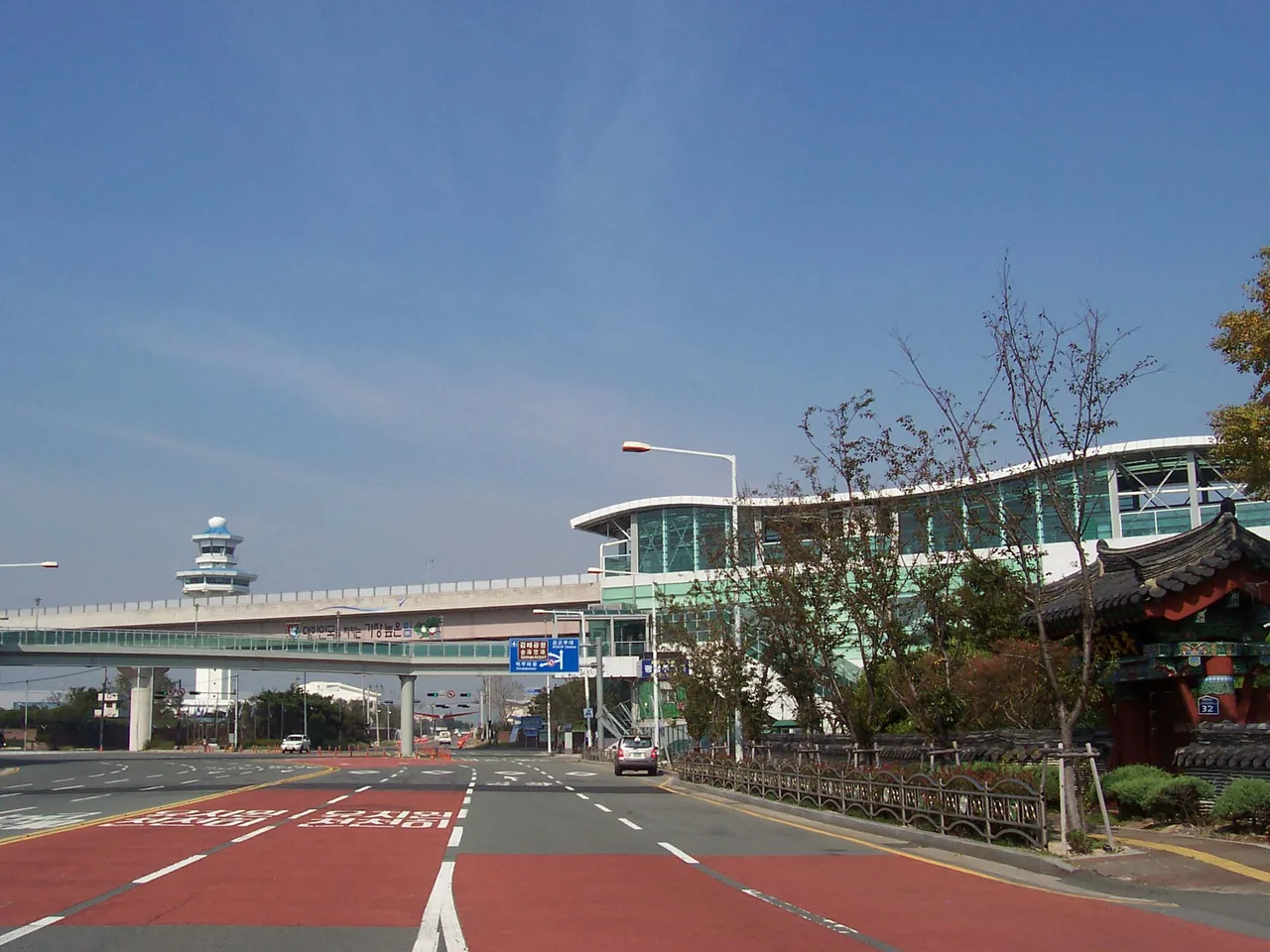
Gimhae International Airport (PUS) sits on the western edge of Busan in Gangseo-gu, near the mouth of the Nakdong River, while almost everything a visitor wants — Seomyeon, Haeundae, Gwangalli, Nampo-dong — lies across the city to the east, so the ride in runs anywhere from about 40 to 70 minutes. The good news is that you have real choices: a cheap elevated light-rail line that links straight into the Busan Metro, a resumed airport limousine bus, metered taxis, pre-booked shared shuttles and door-to-door private transfers. This guide lays every option side by side with real fares and times, shows you exactly how to do each one, and tells you which to pick based on your group size, your luggage and the hour you land. For everything else once you’ve arrived, see our full complete Busan Travel Guide.
1. The airport at a glance — and your first ten minutes
Gimhae International Airport (PUS) has two adjoining buildings — an international terminal and a domestic terminal — and a free inter-terminal shuttle links them, though they’re close enough to walk. If you’ve flown in from abroad you’ll clear immigration at the international terminal; the light-rail station and the limousine stop are each referenced to a specific terminal, so the very first thing to do is confirm which building you’re standing in.
The free inter-terminal shuttle runs from 05:00 to 22:50 at roughly 10-minute intervals, taking about 3 minutes to the international terminal and 5 minutes to the domestic side. Most travellers won’t need it, but it’s there if your transport leaves from the other building.
Before you pick a way into the city, take a breath and sort three things out at the arrivals hall. Here’s the order that saves the most hassle:
- Get data workingActivate an eSIM you bought before flying, or pick up a SIM at a telecom booth in arrivals. You’ll want maps and a taxi app live before you leave the building.
- Buy and top up a transit cardGrab a T-money or Cashbee card at the convenience store or a ticket machine and load some cash onto it. This unlocks the cheap rail-plus-Metro route and the transfer discount.
- Choose your mode by destinationDecide between light rail, limousine, taxi, shuttle or private pickup using the comparisons below — your area, your bags and the time of day decide it.
The arrivals area is well equipped. Here’s what you’ll find before you step outside:
| Facility | What it’s for |
|---|---|
| Convenience stores (GS25 and others) | Snacks, water, transit cards, basic SIM top-ups |
| Coin lockers & staffed baggage storage | Stash bags if you arrive before check-in or want to explore first |
| Tourist information desk | Maps, English help, area advice |
| Currency exchange & ATMs | Change cash or withdraw won (ATMs marked “Global” take foreign cards) |
| Telecom booths | eSIM and physical SIM cards for inbound visitors |
| Restaurants, cafés & pharmacy | A bite, a coffee and basic medicine before the ride in |
One-line takeaway: sort data and a transit card first, confirm your terminal, then choose your ride — the rest of this guide is just picking the right one.
2. Every option compared — the master table
There’s no single “best” way into Busan — it depends on your budget, your luggage and your group size — so start with this master comparison, then drill into the section that fits you. Solo and light? The light rail is unbeatable on price. Landing at 1 a.m. with three suitcases? A taxi or private pickup is the only sensible answer.
| Option | Time to city | Typical fare | Transfers | Best for |
|---|---|---|---|---|
| Light rail + Metro | 50–70 min | ₩2,000–2,600 (card) | 1–2 | Solo, budget, light bags |
| Limousine bus | 50–110 min | ₩6,000–9,500 | 0 | Seomyeon / Haeundae corridors, some luggage |
| Taxi | 35–55 min | ₩18,000–35,000 | 0 | Speed, door to door, couples, groups (split) |
| Shared shuttle | 45–80 min | Mid-range, per seat | 0 | Inbound visitors wanting English & a booking |
| Private transfer | 40–55 min | Fixed, per vehicle | 0 | Families, late nights, lots of luggage |
| City bus | 60–90 min | ~₩1,550 (card) | Often 1+ | Rock-bottom budget, no rush |
A quick way to read it: the light rail wins on price, the taxi wins on speed and simplicity, the limousine is the sweet spot if you’re heading down a corridor it serves, and a private transfer or shared shuttle trades a little money for a booked, English-friendly, no-stress ride. The next section turns this into a money question — because once there are two, three or four of you, the maths changes completely.
3. What it actually costs — total fare by group size
The single biggest decision-maker is how many of you are travelling, because a taxi splits across heads while rail and bus charge per person. Alone, the light rail is dramatically cheaper than anything else; with four people, a jumbo taxi often lands close to the bus while dropping you at the door. These figures are approximate and move with the meter, traffic and vehicle type.
Heading to Seomyeon (the central hub):
| People | Light rail + Metro | Limousine 2 | Taxi |
|---|---|---|---|
| 1 | ~₩2,100 | ₩6,000 | ~₩20,000 |
| 2 | ~₩4,200 | ₩12,000 | ~₩20,000 (₩10,000 each) |
| 4 | ~₩8,400 | ₩24,000 | ~₩28,000 jumbo (₩7,000 each) |
Heading to Haeundae (the beach district):
| People | Light rail + Metro | Limousine 1 | Taxi |
|---|---|---|---|
| 1 | ~₩2,500 | ₩9,500 | ~₩30,000 (+ toll) |
| 2 | ~₩5,000 | ₩19,000 | ~₩31,000 (₩15,500 each) |
| 4 | ~₩10,000 | ₩38,000 | ~₩33,000 jumbo (₩8,250 each) |
The pattern in one line: solo travellers should take the light rail every time; once there are four of you, a taxi or jumbo taxi is door-to-door and often cheaper per head than the bus; and for heavy luggage or a late landing, a taxi or private pickup is worth the premium regardless of headcount.
4. Light rail + Metro — the cheapest route, done right
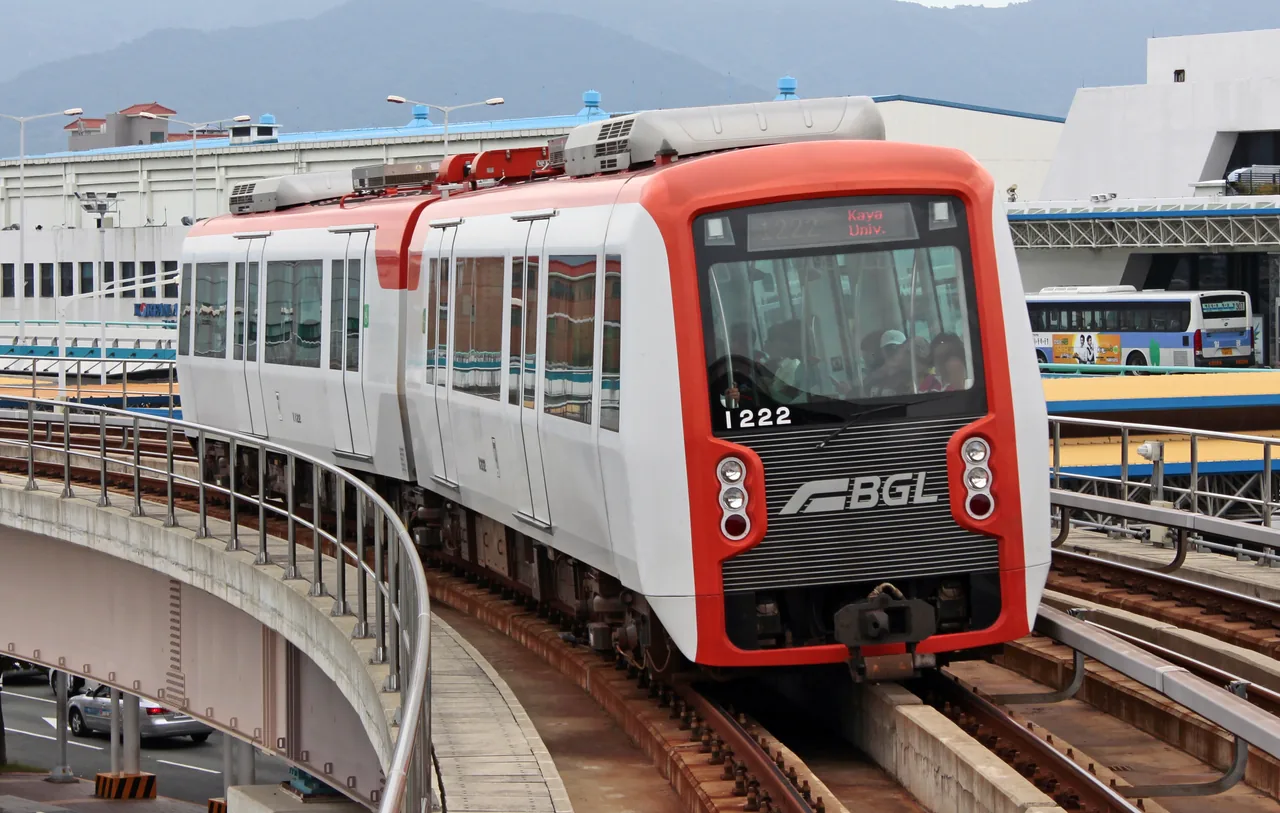
The Busan–Gimhae Light Rail (BGL) connects directly to the terminal by an overpass and feeds straight into the Busan Metro, making it the cheapest way into the city at roughly ₩2,000–2,600 with a transit card. From Airport Station you ride about 10 minutes (four stops) to Sasang, where you transfer to Metro Line 2 for Seomyeon, Gwangalli and Haeundae; or you continue to Daejeo for Line 3.
Here’s exactly how to do it from the moment you leave arrivals:
- Buy & load a transit cardGet a T-money or Cashbee card and add cash — the transfer discount only works with a card, not single-journey tickets or cash.
- Cross to Airport StationFollow signs over the overpass to the BGL platform; it’s directly linked to the terminal.
- Ride to Sasang (or Daejeo)Tap in and take the train to Sasang for Line 2, the most useful line for visitors.
- Transfer to the MetroFollow the transfer signs, tap through, and board Line 2 toward your area. Tap out at your destination within 30 minutes of the first tap to keep the discount.
Fares by destination (transit card, including the regional transfer discount):
| Destination | Route | Total fare (card) | Time |
|---|---|---|---|
| Sasang | BGL only | ~₩1,600 | ~10 min |
| Seomyeon | BGL → Line 2 | ~₩2,000–2,300 | 50–70 min |
| Gwangalli | BGL → Line 2 | ~₩2,300–2,500 | ~60–70 min |
| Haeundae | BGL → Line 2 | ~₩2,400–2,600 | ~60 min |
How the fares and the transfer discount work: the BGL charges ₩1,600 by card for the first zone (up to 10 km), and the Metro is the same — ₩1,600 card / ₩1,700 single for zone 1, ₩1,800 / ₩1,900 for zone 2, with the boundary at 10 km. With a transit card you may transfer within 30 minutes of tapping out, up to two times, paying only a small add-on (about ₩200–500) rather than a fresh fare. Cash and single tickets get no discount.
First and last trains, and how often they run:
| Detail | BGL |
|---|---|
| First train | ~05:20 |
| Last train | ~23:50 |
| Rush hour (07–09, 18–20) | every 3–5 min |
| Daytime | every 6–8 min |
| Weekends | every 8–10 min |
Sasang vs Daejeo: for most visitors Sasang (Line 2) is the right transfer — it’s the line that reaches Seomyeon, Gwangalli and Haeundae. Daejeo (Line 3) suits the Deokcheon/Yeonsan side. Note that the transfer corridors at both stations are long, which is a real chore with big suitcases — there are elevators if you need them.
5. Airport limousine bus — one ride, no transfers
The Gimhae Airport limousine bus resumed service on 31 July 2025 and runs two routes — one down the Haeundae/Gijang corridor and one to Seomyeon/Bujeon — with no transfers and your luggage in the hold. The new hydrogen buses have USB charging and Wi-Fi, and they board near Gate 4 of the international terminal. You can reserve in the Bustago app (card payment) or buy on the spot.
Heads-up for inbound visitors: the Bustago booking app is primarily in Korean, which makes it awkward without help. If that’s a barrier, buy your ticket at the counter on the day, or use a shared shuttle or private pickup instead. And because schedules and last departures shift, always confirm same-day in the Bustago app or at the airport information desk.
Limousine 1 — Haeundae & Gijang corridor (adult ₩9,500, full route ~110 min, about 15 runs a day; the Haeundae/Jangsan leg got more frequent service in a 5 Jan 2026 revision, with buses as often as about every 20 min; last bus toward the airport about 21:40). Stops, in order:
| Stops (in order) |
|---|
| Banyan Tree Haeundae Busan (Gijang) – Ananti Cove – Osiria Theme Park (Hanwha Mathie) – Jangsan Stn – Haeundae Oncheon Junction – Haeundae Beach – Dongbaek Island entrance – Hanwha Resort – Park Hyatt Busan – Yacht Stadium – BEXCO – Shinsegae Centum City – The Beach Prugio Summit – Gimhae Airport |
Limousine 2 — Seomyeon & Bujeon (adult ₩6,000, about 50 min, around 15 runs a day; direct into the Bujeon/Seomyeon area; first bus from Bujeon ~06:00, last bus toward the airport ~22:00):
| Route | Fare | Time | Frequency |
|---|---|---|---|
| Airport ↔ Bujeon / Seomyeon (direct) | ₩6,000 | ~50 min | ~15/day |
If you do want to reserve in advance through Bustago, here’s the flow:
- Install BustagoDownload the Bustago (버스타고) app. A translation app side by side helps, since the interface is mostly Korean.
- Search the routeSet Gimhae Airport as origin and your stop as destination, then pick your date and time.
- Choose your seat & paySelect a seat and pay by card in the app.
- Board at Gate 4Show your reservation and board near Gate 4 of the international terminal. Re-check the departure time on the day.
6. Shared airport shuttle — booked, English-friendly, per seat
A pre-booked shared shuttle (van or minibus) runs between the airport and major hotels and districts, sitting between the limousine bus and a private car — more flexible and English-friendly than the bus, cheaper than a private transfer. You book a seat ahead of time, often with your hotel as a drop-off point, and skip the Korean-only booking friction of the limousine. It’s an inbound-visitor option: you reserve online before you fly, then simply meet the vehicle on arrival.
It’s the natural pick if you want the certainty of a booking and an English process but don’t need a whole car to yourself — for example, two or three travellers heading to a named hotel who’d rather not wrangle the Metro with luggage.
| Feature | Shared shuttle |
|---|---|
| Booking | Online in advance, English supported |
| Pricing | Per seat — cheaper than a private car |
| Drop-off | Major hotels & districts |
| Best for | Inbound visitors wanting a confirmed, fuss-free ride |
Reserve your seat ahead of time so it’s waiting when you land:
7. Taxi & Kakao T — fastest door to door
A metered taxi is the quickest, simplest way into the city — no transfers, bags in the boot, straight to your door — and from a group of three or four it stops being expensive once you split it. Busan’s standard taxi starts at ₩4,800 for the first 2 km, then ₩100 per 132 m, with a time-based add-on of ₩100 per 33 seconds when you drop below 15 km/h. A late-night surcharge applies from 23:00 to 04:00: +20%, rising to +30% between 00:00 and 02:00. There’s no out-of-city surcharge for trips within Busan (only Gimhae or Gyeongnam destinations add the 30% out-of-area rate).
Approximate fares and times by destination:
| Destination | Estimated fare | Time |
|---|---|---|
| Seomyeon | ₩18,000–22,000 | 35–45 min |
| Busan Station / Nampo-dong | ₩18,000–22,000 | 35–45 min |
| Gwangalli | ₩23,000–28,000 | 40–50 min |
| Haeundae | ₩28,000–35,000 (+ Gwangan Bridge toll) | 45–55 min |
| Centum / BEXCO | ₩25,000–32,000 | 45–55 min |
Which taxi type to take:
| Type | Notes |
|---|---|
| Standard | The default; metered, card accepted in most |
| Deluxe (모범, black) | Higher base fare, roomier, premium service |
| Jumbo (대형) | 5–9 seats, lots of luggage — ideal for groups |
| International taxi | English-speaking drivers, fixed-fare options available |
To call a car (and see an upfront estimate) with Kakao T:
- Install & set up Kakao TDownload Kakao T, sign in, and register a card — the app supports English and card payment for inbound users.
- Set your destinationEnter your hotel or area; the app shows an estimated fare before you confirm.
- Pick the car typeChoose a standard or large (jumbo) car depending on your group and luggage; a call van suits heavy bags or 5+ people.
- Match & rideConfirm, meet your driver at the official rank, and pay by the card on file or in the car.
Refuse touts. Anyone approaching you inside the terminal offering a ride is unofficial — ignore them and walk to the official taxi rank outside. Licensed taxis are metered and almost always take cards or transit cards.
8. Private pickup & transfer — door to door, fixed price
A pre-booked private transfer is the most hassle-free option: a driver meets you in arrivals with a name sign, your bags go straight in, and the price is fixed before you fly. You pick the vehicle class — from sedan up to a van — and can request a child seat, which makes it the standout choice for families, late-night landings, large amounts of luggage or anyone who simply doesn’t want to think after a long flight.
| Feature | Private transfer |
|---|---|
| Meeting | Driver with name board in arrivals |
| Vehicle | Sedan, SUV or van — your choice |
| Extras | Child seats, help with luggage |
| Pricing | Fixed and confirmed in advance (per vehicle) |
| Best for | Families, late arrivals, heavy luggage, groups |
Because it’s per vehicle rather than per seat, a private car can work out reasonable for a family or a group of four who’d otherwise need two taxis — and there’s no meter anxiety in traffic. Lock in a driver and a fixed price before you travel:
9. City bus & intercity coaches
The ordinary city bus is the rock-bottom-cheapest way in at around ₩1,550 by transit card, but it’s also the slowest — 60 to 90 minutes with frequent stops and often a transfer. A few routes serve the airport (route 307, for instance, runs toward the city and eastern Busan), but it’s really only worth it if you’re on the tightest budget, travelling light and in no hurry.
Busan’s bus network was substantially overhauled on 5 July 2025, and some airport-linked routes (such as the old 1009) were discontinued or rerouted — always check the route same-day in Naver Map or Kakao Map before relying on it.
Separately, the Sasang West Bus Terminal (a few minutes from the airport via the light rail to Sasang) is your gateway to intercity coaches across Gyeongnam province — Gimhae, Changwon, Gyeongju, Tongyeong and more — which is handy if Busan is a base for day trips.
| Service | Use it for |
|---|---|
| City bus (e.g. 307) | Cheapest ride into the city, light luggage, no rush |
| Sasang West Terminal coaches | Day trips to Gyeongju, Tongyeong, Changwon, Gimhae |
10. Best option by destination — the 12-area matrix
The smartest pick changes with where you’re staying, so here’s a destination-by-destination cheat sheet covering the twelve places visitors head to most. Match your hotel’s district to the row and you have your answer at a glance.
| Destination | Best option | Time | Comment |
|---|---|---|---|
| Seomyeon | BGL → Line 2, or Limousine 2 | 50–70 min | Central hub; rail is cheap, limousine is direct |
| Busan Station / Nampo-dong | BGL → Line 1 (via Sasang/Seomyeon) or taxi | 45–60 min | Taxi simplest with bags |
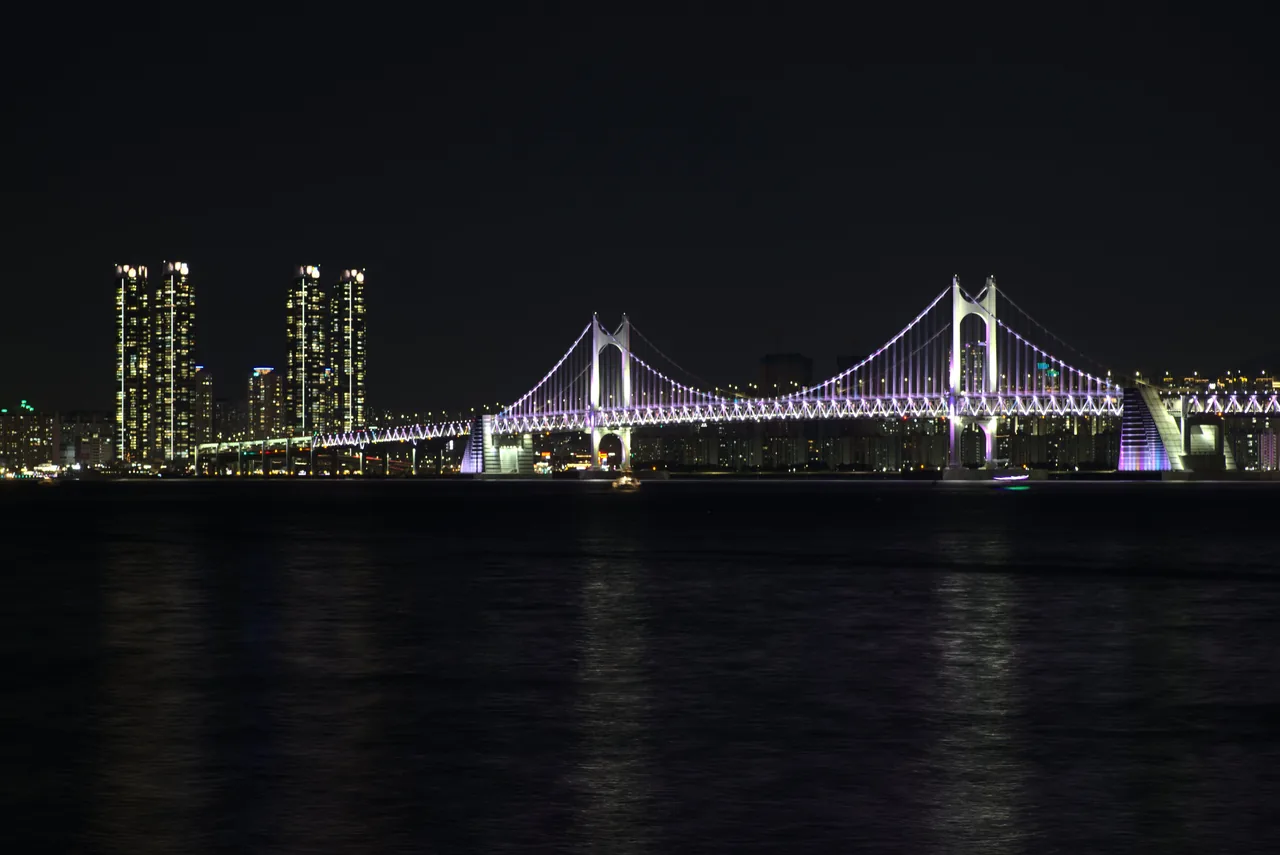
| Gwangalli | BGL → Line 2 or taxi | 60–70 min | Taxi for the bridge views and speed |
| Haeundae | Limousine 1 or BGL → Line 2 | ~60 min | Limousine drops near the beach, no transfer |
| Centum / BEXCO | Limousine 1 or BGL → Line 2 | 55–65 min | Good for conventions and Shinsegae |
| Songjeong | Taxi or Limousine 1 + short hop | 60–75 min | Beyond Haeundae; taxi is easiest |
| Gijang / Osiria | Limousine 1 or taxi | 70–90 min | Limousine 1 serves Ananti & Osiria directly |
| Sasang (West Terminal) | BGL only | ~10 min | One short ride; great for onward coaches |
| Dongnae / Oncheonjang | BGL → Daejeo → Line 3, or taxi | 55–70 min | Line 3 side of the city |
| Gwangbok-dong / Jagalchi | BGL → Line 1 or taxi | 50–65 min | Old downtown; taxi simplest with luggage |
| Gimhae city | BGL toward Gimhae or taxi (out-of-area rate) | 20–40 min | Close by; the light rail literally runs there |
| Gyeongju / Tongyeong (day trip) | BGL to Sasang → intercity coach | varies | Use Sasang West Bus Terminal |
11. Pick by scenario — who should take what
If you’d rather be told what to do than weigh a table, find yourself in this list and go. Each scenario maps to the option that consistently works out best on cost, comfort or speed.
Solo / backpacker
Light rail + Metro — cheapest by a mile and easy with one bag.
Couple with luggage
Taxi or limousine — split a taxi or take the no-transfer bus.
Group of 4+
Jumbo taxi, call van or private van — often cheaper per head than the bus, door to door.
Business / time-critical
Taxi or private pickup — fastest and most reliable.
Late-night arrival
Taxi or pre-booked private pickup — rail and limousine have stopped.
Pre-dawn departure
Taxi — before the first trains and buses run.
With small kids or elderly
Taxi, jumbo or private transfer with a child seat.
Wheelchair / accessibility
Light-rail and Metro elevators, low-floor buses, or a call taxi.
Heavy / lots of luggage
Taxi or limousine with hold space — skip the rail transfers.
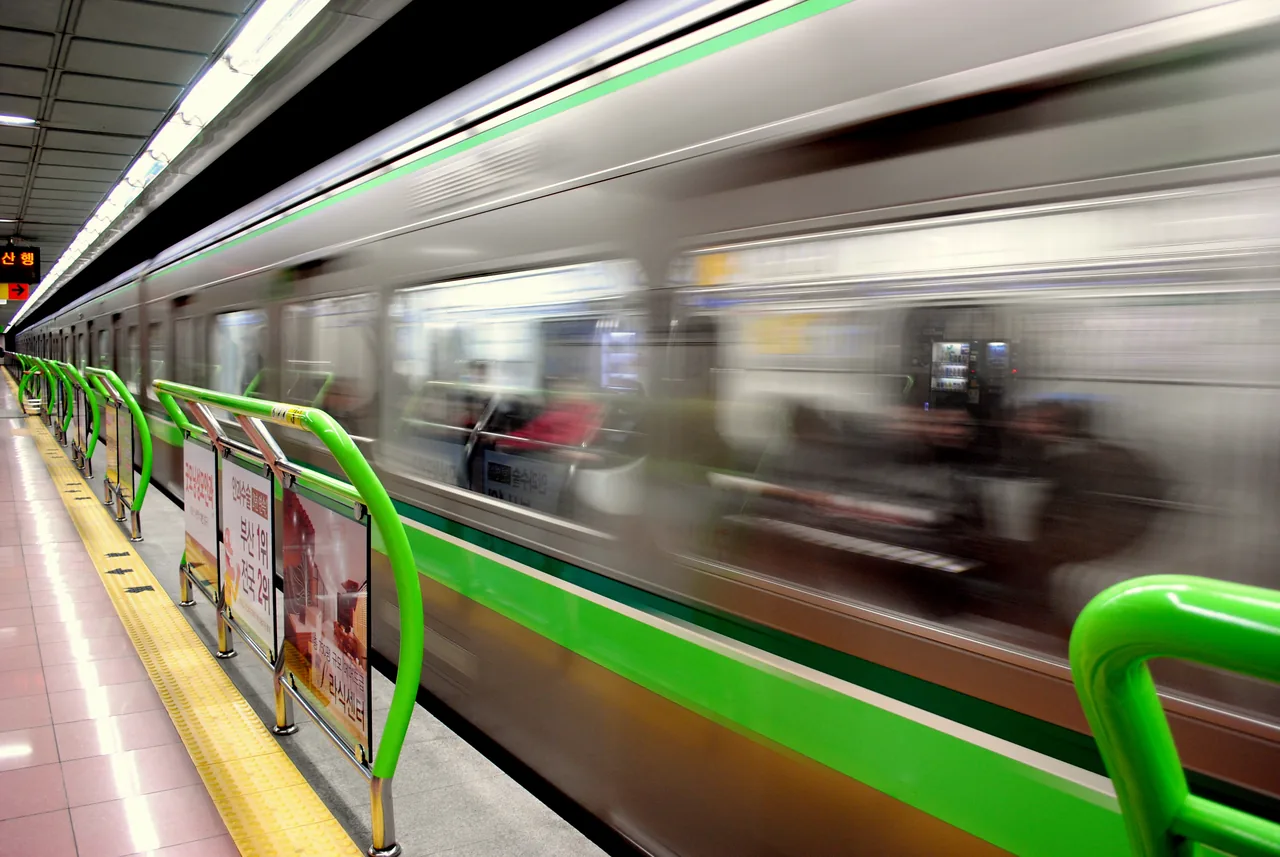
12. Transit cards, payment & staying connected
Two small set-up jobs make everything else smooth: a rechargeable transit card for rail and buses, and working mobile data the moment you land. The card unlocks the cheap rail route and the all-important transfer discount; data gets your maps and taxi app running before you’ve left arrivals.
Which transit card? They all work the same across Busan, so just buy whichever the convenience store has:
| Card | Where it works | Notes |
|---|---|---|
| T-money | Nationwide, incl. all of Busan | Most widely sold; works on rail, Metro, bus, many taxis & shops |
| Cashbee | Common in Busan, used identically | Same usage as T-money — no practical difference for visitors |
| Korea Tour Card | A T-money variant for tourists | Adds some visitor discounts; works the same on transport |
Buy and top up at convenience stores or station machines with cash. The card is what gives you the transfer discount — cash and single tickets don’t qualify — so it pays for itself on the first rail-plus-Metro trip.
Data and apps. The cleanest approach is to buy an eSIM before you fly and switch it on the moment you land; you can also pick up a physical SIM at a telecom booth in arrivals. Either way, install Naver Map or Kakao Map for real-time public transport and Kakao T for taxis. Set up your eSIM in advance so you’re connected the second you step off the plane:
13. Late-night arrivals & pre-dawn departures
If you land after midnight or leave before dawn, the rail and limousine simply aren’t running, so a taxi or pre-booked private pickup is effectively your only door-to-door option. The BGL and Metro stop around midnight; the limousine’s last airport-bound runs are in the late evening. Plan for it rather than discover it at 1 a.m.
First and last services at a glance:
| Mode | First service | Last service |
|---|---|---|
| Inter-terminal shuttle | 05:00 | 22:50 |
| BGL light rail | ~05:20 | ~23:50 |
| Limousine 1 (Haeundae) | morning | airport-bound ~21:40 |
| Limousine 2 (Seomyeon) | ~06:00 (from Bujeon) | airport-bound ~22:00 |
| Taxi | 24 hours | 24 hours (+20–30%, 23:00–04:00) |
| Private pickup | Any time (pre-booked) | Any time (pre-booked) |
For a red-eye landing, book a private pickup before you fly so a driver is waiting whatever the hour; for a pre-dawn departure, a taxi is the only realistic ride before the first trains roll. Confirm any schedule same-day in the relevant app — timetables shift.
14. Going back — city to the airport
The return trip is the same options in reverse, but give yourself a generous buffer: western Busan traffic and station transfers eat time, and you want to be at the airport well before check-in closes. For an international flight, aim to arrive 2–3 hours ahead.
| Mode | How to do it | Booking |
|---|---|---|
| Light rail + Metro | City → Sasang or Daejeo → Airport Station; mind the last train (~23:50 BGL) | None — just tap your card |
| Limousine bus | Board at your area’s stop toward the airport | Confirm stop & time in Bustago same-day |
| Taxi | Hail or call via Kakao T; easiest with luggage | Optional — call ahead via app |
| Private pickup | Driver collects from your hotel | Pre-book with pickup time |
Build in slack for the morning rush and for the long transfer corridors at Sasang and Daejeo if you’re taking the rail. If your flight is early or your bags are heavy, a taxi or a pre-booked pickup removes all the guesswork.
15. Common mistakes & insider tips
Most arrival-day headaches at Gimhae are avoidable — here are the ones that trip people up, and the small habits that make the ride in painless.
Paying cash on the rail
Cash and single tickets get no transfer discount — always tap a transit card.
The long transfer at Sasang/Daejeo
Corridors are long with luggage; use the elevators and allow extra minutes.
Following touts
Anyone offering a ride inside the terminal is unofficial — use the official rank.
Wrong terminal
The light rail and Gate 4 limousine are referenced to a terminal — confirm yours first.
Forgetting the Haeundae toll
Taxis to Haeundae may add the Gwangan Bridge toll on top of the meter.
Missing the last train
Rail and limousine stop around midnight — check the time before you rely on them.
Quick wins: use the free inter-terminal shuttle if your transport leaves from the other building; stash bags in the airport lockers if you arrive before check-in; call your Kakao T taxi before you reach the rank so it’s ready; and always re-check limousine departure times same-day, since schedules move.
16. The one-line decision guide
Still deciding? Find the version of you below and stop reading.
You’re solo and counting won
Light rail + Metro — under ₩2,600 to almost anywhere.
You’re heading to Haeundae or Gijang
Limousine 1 — one ride, no transfers, bags in the hold.
You’re going to Seomyeon
Light rail if cheap matters, Limousine 2 if simple matters.
You’re a group of four
Jumbo taxi or a private van — door to door, often cheapest per head.
You landed after midnight
Taxi or a pre-booked private pickup — nothing else runs.
You want zero stress
Private transfer or shared shuttle — booked, met, fixed price.
Whichever you choose, sort a transit card and mobile data first, confirm your terminal, and you’ll be in the city centre inside an hour. For where to go once you’re there, dive into our complete Busan Travel Guide.
🎡Things to Do49
🍜Food7
🏨Where to Stay3
🚇Getting Around7
🧭Travel Tips14
📌More3
🧭All-Korea essentials37
Frequently asked questions
Sorted on how to get into the city? Now plan the rest of your trip — neighbourhoods, beaches, food and where to stay — with our complete complete Busan Travel Guide.