
Things to Do in Busan: Every Attraction by District, Free or Paid, and How Long It Takes
Busan spreads more than 40km along the coast, so the useful question is not what is best but what sits next to what. This hub groups every attraction by district and tells you which ones survive rain.
| How the city is laid out | Six loose clusters strung along the coast, east to west, with the subway as the spine |
|---|---|
| The one rule that matters | Pick one or two neighbouring clusters per day. The far east and the far west do not combine |
| Free without qualification | All four main beaches, Gamcheon, Taejongdae, Dadaepo fountain, Amisan Observatory, Yongdusan |
| If it rains | Hot springs, the aquarium, the cinema centre, the covered markets, the Centum department stores |
| The thing visitors miss | Busan is a natural hot spring city, with two separate spring districts |
| Realistic trip length | Two days covers the coast, three days lets you add the old downtown and a temple |
1. How to choose what to see in Busan
2. Every Busan attraction on one table
3. The districts, and why you cannot cross the city twice in a day
4. East coast: Haeundae, Songjeong and the view from above
5. Osiria: theme park, luge and the temple on the rocks
6. Centum and Gwangalli: aquarium, cinema centre, beach and bridge
7. The old downtown: Jagalchi, Gukje market and Yongdusan
8. Yeongdo and Songdo: cliffs, painted lanes and a cable car over water
9. The west: Dadaepo, the sunset fountain and Gamcheon
10. Busan is a hot spring city, not only a beach city
11. Mountains and temples: Beomeosa and Geumjeongsan
12. What to do when it rains, and when it is too hot
13. A day in Busan that costs nothing
14. One day, two days or three: what actually fits
15. Out of the city: Gyeongju and Tongyeong
Most lists of Busan attractions fail for one reason: they rank places that are an hour apart as if you could stack them into a single afternoon. You cannot, and a top-ten list will not warn you. The complete Busan travel guide is the wider city guide; this page is the routing layer under it, sorting every attraction by district, by whether it costs anything, by whether it works in the rain, and by how long it genuinely takes.
Use it to build days that hold together, then follow the links into the detailed guides for opening hours, current prices and the practical detail this page deliberately leaves out.
1. How to choose what to see in Busan
Group first, rank later. Busan is a long coastal city, not a compact one, and the single decision that shapes your trip is which cluster of the coast you spend each day in. Once you have chosen the cluster, choosing between the attractions inside it is easy, because they are a walk or two subway stops apart.
The four questions below sort almost everything. They matter more than any ordering of “best” places, because they are the ones that change depending on your weather, your budget and the ages of the people you are travelling with.
| The question | Why it decides your day |
|---|---|
| Which district? | Crossing between distant districts eats an hour each way. Two clusters a day is the ceiling. |
| Free or paid? | Busan has an unusually strong free tier, so a no-spend day is genuinely good, not a compromise. |
| Indoor or outdoor? | Rain in the wet season and heat in August both push you indoors. Know your fallbacks before you need them. |
| How long does it take? | Some sights are a twenty-minute photo stop. Others eat a whole afternoon and will not be rushed. |
| Which season? | Beaches, water parks and the sunset fountain run on fixed calendars. Hot springs and markets do not. |
If you only have one day, take the eastern coast. If you have two, add the old downtown. Anything beyond that is where personal taste starts to matter, and where the Busan photo spots list is more useful than any ranking.
2. Every Busan attraction on one table
This is the table to bookmark. Each name links to its full guide, so treat this page as the index and the linked pages as the detail. Durations assume you are actually looking at the place rather than photographing it and leaving.
| Attraction | District | Free / paid | Indoor / outdoor | Allow |
|---|---|---|---|---|
| Haeundae Beach | East coast | Free | Outdoor | 1 to 2 hours |
| Blue Line Park & Sky Capsule | East coast | Paid | Semi-indoor | 1 to 2 hours |
| BUSAN X the SKY | East coast | Paid | Indoor | About 1 hour |
| SEA LIFE Busan Aquarium | East coast | Paid | Indoor | 2 hours |
| Surfing at Songjeong Beach | East coast (Songjeong) | Paid lesson | Outdoor | Half day |
| Osiria Tourism Complex | Osiria | Mixed | Mostly outdoor | Full day |
| Lotte World Adventure Busan | Osiria | Paid | Outdoor | Half to full day |
| Skyline Luge Busan | Osiria | Paid | Outdoor | 1 to 2 hours |
| Haedong Yonggungsa Temple | Osiria | Free | Outdoor | 1 to 2 hours |
| Gwangalli Beach | Gwangan | Free | Outdoor | 1 hour by day, longer after dark |
| Busan yacht tour | Gwangan | Paid | Outdoor | 1 to 2 hours |
| Gwangalli SUP (paddleboarding) | Gwangan | Paid | Outdoor | 2 hours |
| Busan Cinema Center | Centum | Free to walk, paid to watch | Indoor | 1 hour |
| Shopping | Centum and Seomyeon Map | Free entry | Indoor | Half day |
| Busan spas & jjimjilbang | Centum and Dongnae Map | Paid | Indoor | Half day |
| Seomyeon (downtown Busan) | Central | Free to wander | Mixed | Evening |
| Lotte Giants game at Sajik | Central | Paid | Outdoor | Evening |
| Jagalchi Fish Market | Old downtown | Free to browse | Semi-indoor | 1 hour |
| Nampo-dong (old downtown) | Old downtown | Free | Mixed | Half day |
| Yeongdo: Taejongdae & Huinnyeoul | Yeongdo island | Free | Outdoor | Half day |
| Taejongdae cliffs | Yeongdo island | Free (park train extra) | Outdoor | 2 to 3 hours |
| Songdo Beach & cable car | Seo-gu | Beach free, cable car paid | Outdoor | 2 to 3 hours |
| Dadaepo Beach and the sunset fountain | West | Free | Outdoor | 2 to 3 hours, best at sunset |
| Gamcheon Culture Village | West | Free | Outdoor | 2 to 3 hours |
| Beomeosa Temple | Mountains | Free | Outdoor | Half day with the mountain |
| Busan water parks | Various | Paid | Mixed | Full day, summer only |
| Busan nightlife | Gwangan and Seomyeon | Varies | Mixed | Evening |
| Busan with kids | Citywide | Varies | Mixed | Planning read |
| activities in Busan | Citywide | Varies | Mixed | Planning read |
| Haeundae vs Gwangalli | Coastline | Free | Outdoor | Planning read |
If your list ends up heavy on the paid entries near the top of that table, the Visit Busan Pass is worth pricing against buying tickets one by one, because the observation tower, the aquarium and the capsule ride are exactly the kind of cluster it is designed around.
3. The districts, and why you cannot cross the city twice in a day
Busan is not a wheel with a centre. It is a coastline with settlements strung along it, and the subway follows that line rather than radiating out from a hub. That geometry is the reason itineraries fall apart.
| Cluster | Anchor | What is in it | Getting there |
|---|---|---|---|
| East coast | Haeundae Map | The main beach, the capsule railway, the observation tower, Songjeong | Line 2, then the Donghae line |
| Osiria | Osiria station | Theme park, luge, the sea temple | Donghae line, beyond Haeundae |
| Centum and Gwangan | Centum City | Aquarium and spa complex, cinema centre, Gwangalli Map, water sports | Line 2 |
| Central | Seomyeon | Nightlife, shopping, the baseball stadium | Lines 1 and 2 interchange |
| Old downtown | Nampo Map | Fish market, Gukje market, Yongdusan, Yeongdo, Songdo | Line 1 |
| West | Dadaepo Map | Sunset beach and fountain, Molundae, Amisan, Gamcheon | Line 1, southern end |
| Mountains | Dongnae and Geumjeong | Beomeosa, Geumjeongsan fortress, the hot spring district | Line 1, northern end |
Inside a cluster you walk, or you ride two or three stops. Between clusters you are usually looking at forty minutes or more, and most crossings involve changing trains at Seomyeon, which is the busiest interchange in the system.
The single most common planning mistake is putting Osiria in the far east and Dadaepo in the far west on the same day. They sit at opposite ends of the line. For exact stations, transfers and airport connections, use the getting around Busan guide rather than guessing from a map.
4. East coast: Haeundae, Songjeong and the view from above
This is where most visitors sleep, and it is the easiest cluster to fill without a plan. The beach, the coastal railway, the tower and the aquarium sit within one long walk of each other, which is unusual for this city.
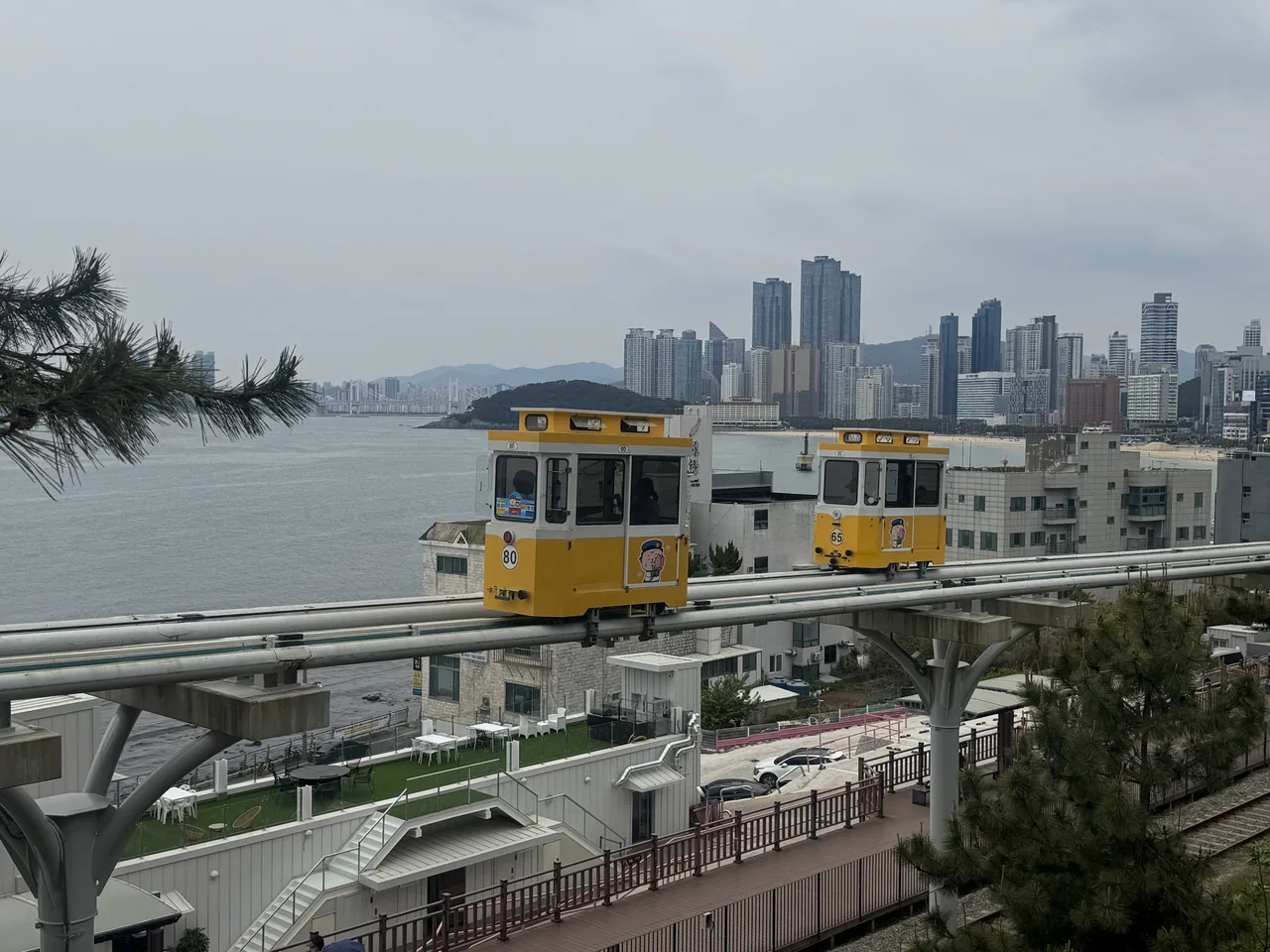
The coastal railway is the one people book ahead for. The elevated Blue Line Park & Sky Capsule capsule cars run the old track alignment above the water in pastel two-tone carriages, and at weekends the popular time slots go early; the beach train below is cheaper and lets you get off and walk sections.
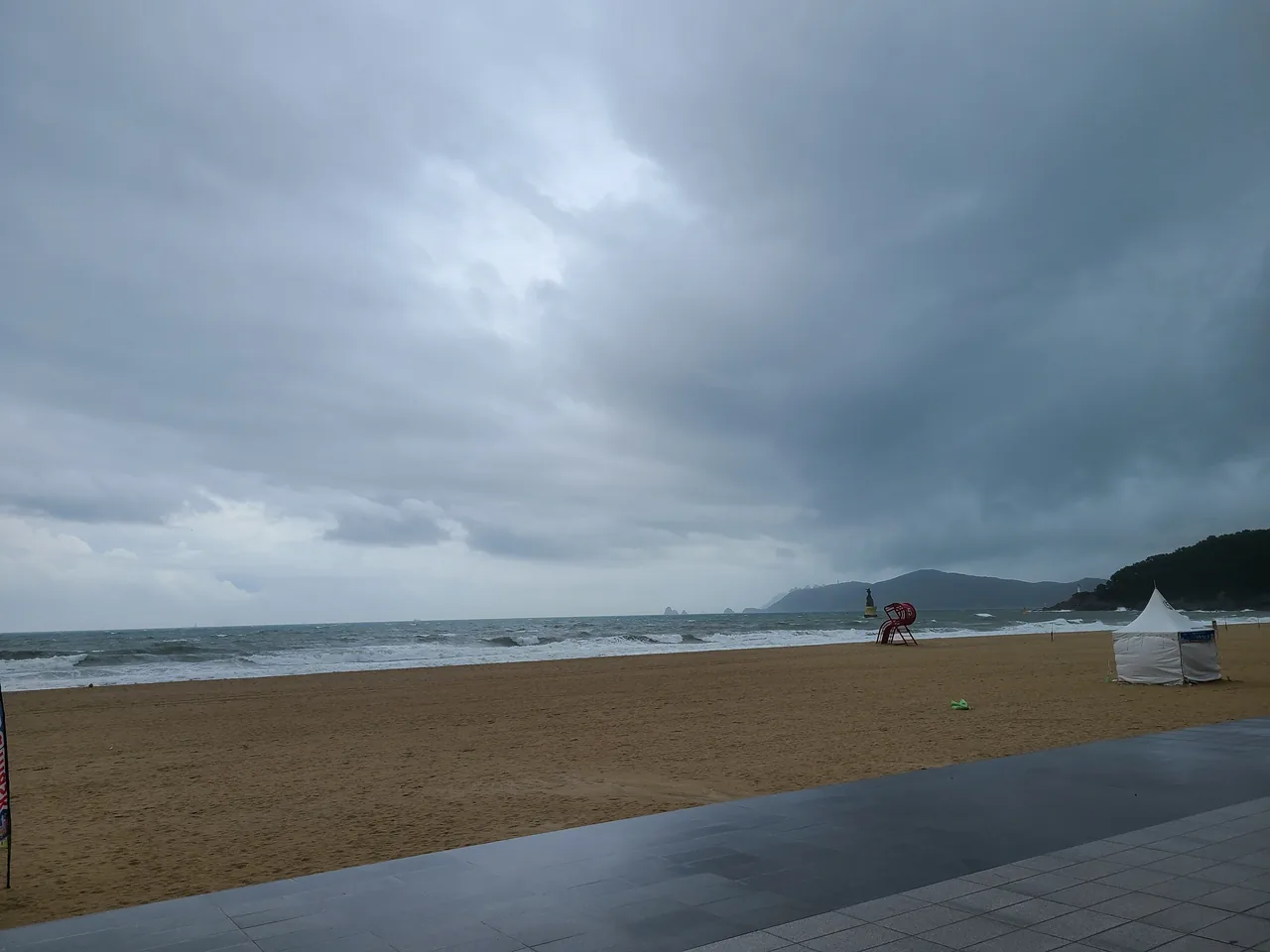
For height, BUSAN X the SKY puts you at the top of the Marine City towers with the whole bay laid out, which makes it a reliable wet-weather substitute for a coastal walk. Down at sand level, Haeundae Beach works as a morning walk and as an evening one, and the stretch behind it is dense with restaurants.
Further east, Songjeong is the calmer beach and the one where beginners learn to ride. If that appeals more than crowds, the Surfing at Songjeong Beach guide covers schools, board hire and which months the water is bearable.
5. Osiria: theme park, luge and the temple on the rocks
Osiria is a purpose-built resort district past Haeundae, and it is the one part of Busan where a full day in one place makes sense. Three very different attractions sit within a short shuttle or taxi ride of each other.
| What | Suits | Time needed | Weather |
|---|---|---|---|
| Theme park | Families, teenagers | Half to full day | Rides close in storms |
| Luge track | Anyone over the height limit | 1 to 2 hours | Closes in heavy rain |
| Sea temple | Everyone | 1 to 2 hours | Fine in light rain, exposed in wind |
The Lotte World Adventure Busan park is the anchor and the reason most people come out this far, while the gravity carts of Skyline Luge Busan run down the hillside above the coast and need far less time than you would expect. Booking either ahead is normal here.
The temple is the one that belongs on every itinerary regardless of taste. Haedong Yonggungsa Temple is built onto the rocks with the sea directly below it, entry costs nothing, and early morning is when it is quiet enough to be worth the trip. The wider Osiria Tourism Complex guide covers shuttles between the three and the order that wastes least time.
6. Centum and Gwangalli: aquarium, cinema centre, beach and bridge
This is the indoor-heavy cluster, which makes it your best insurance against a bad forecast. Centum is a planned district of glass towers; Gwangalli is the beach the city goes to at night.
Under the beachfront at Haeundae, SEA LIFE Busan Aquarium is the standard rainy-afternoon answer for families and takes around two hours. Inland, the vast cantilevered roof of Busan Cinema Center is free to walk beneath and lights up after dark, and it screens films year round rather than only during the festival.
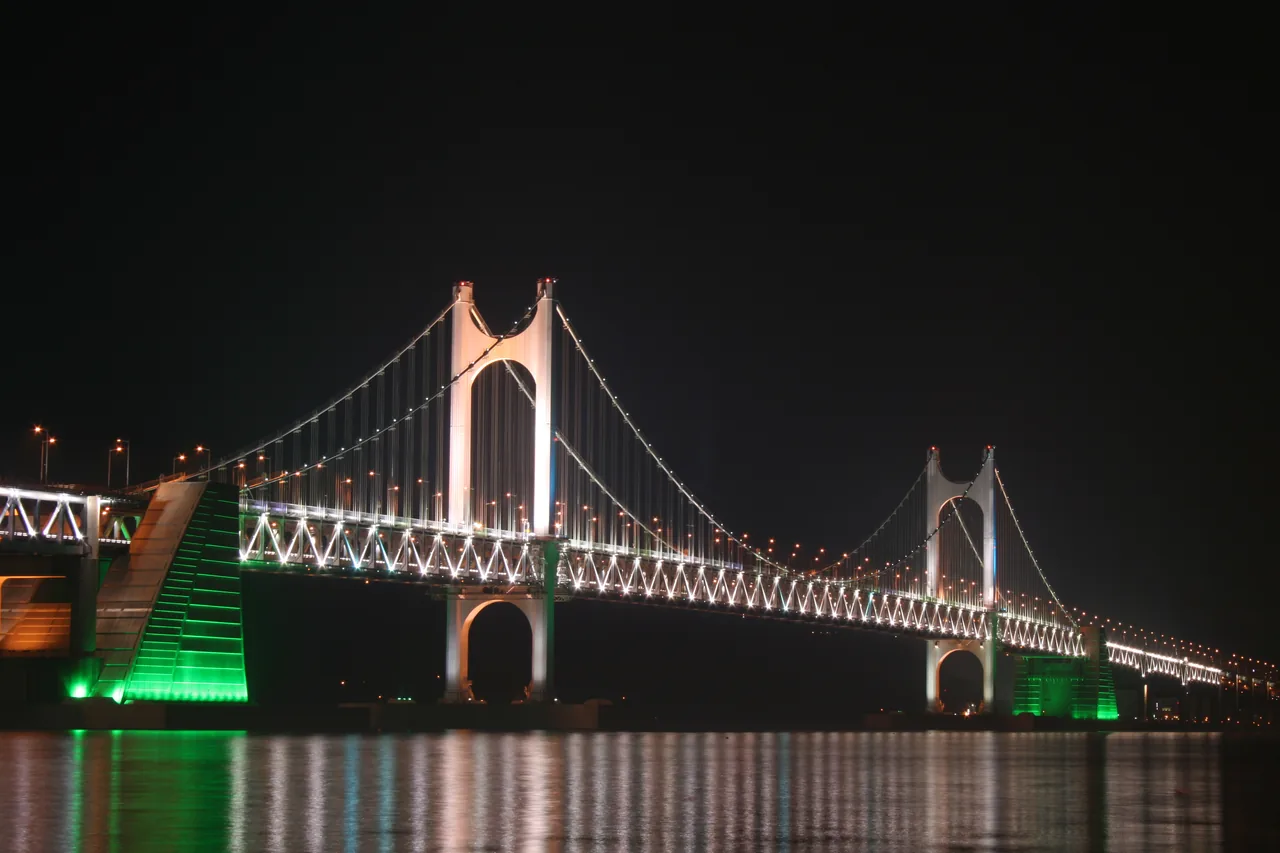
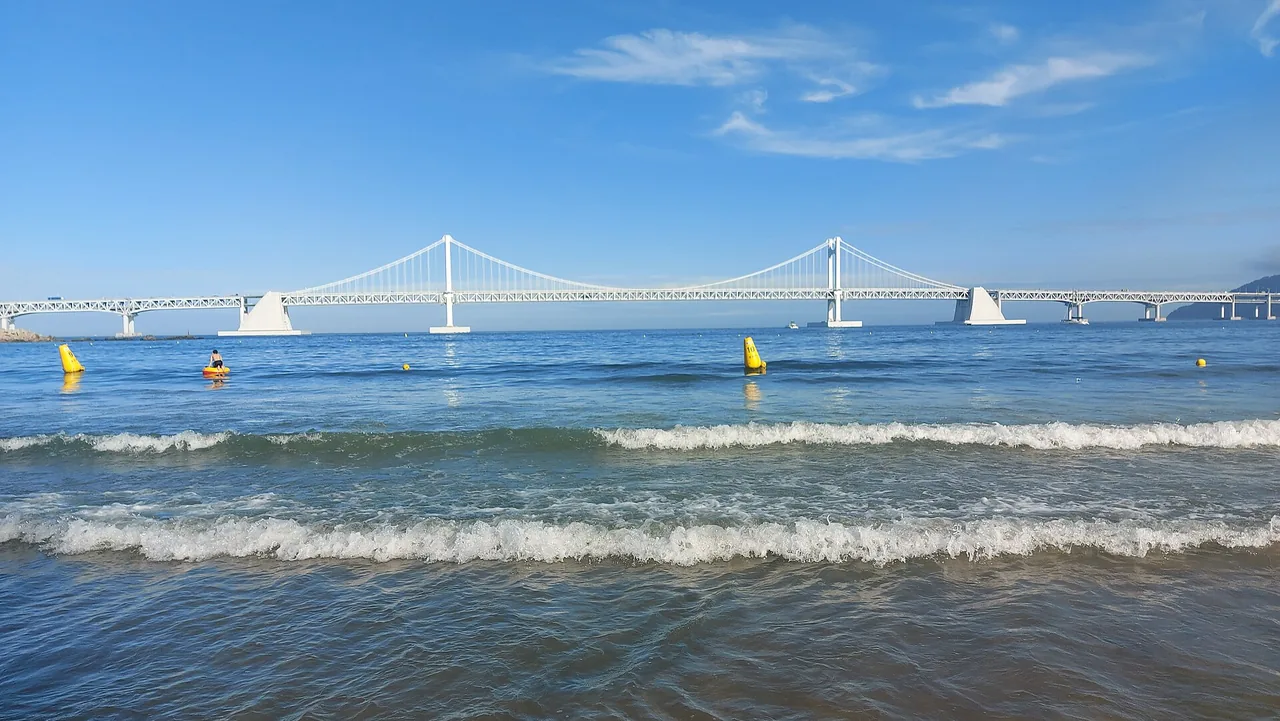
Then there is the bay. Gwangalli Beach is a daytime cafe beach and a nighttime one, and the bridge across it is the free view that ends up in most people’s photos. Getting out onto the water changes the angle entirely: Busan yacht tour trips run at sunset with the bridge lit, and Gwangalli SUP (paddleboarding) boards go out from the same beach in the calmer months.
The department stores here are attractions in their own right when it is too hot to be outside, with rooftop gardens and food floors; the Shopping guide sorts them by what you actually want to buy.
7. The old downtown: Jagalchi, Gukje market and Yongdusan
The oldest part of Busan is compact, walkable and almost entirely free, which makes it the best half day in the city for anyone travelling on a budget. It also feels like a different city from Haeundae, which is the point.
Start at the water. Jagalchi Fish Market is the country’s largest fish market and it is free to walk through; you pay only if you sit down and eat what you pick, which is the traditional way to do it. Walk inland and the covered alleys of Nampo-dong (old downtown) run into Gukje market, the BIFF square and the steps up to Yongdusan Park, where the tower and the park itself cost nothing to enter.
Eating well here is easy and cheap, and the What to eat guide is organised around the dishes Busan actually claims as its own rather than generic Korean menus.
Rain barely touches this district. The market arcades are roofed, and the modern history museum nearby is free, so a wet afternoon downtown loses very little.
8. Yeongdo and Songdo: cliffs, painted lanes and a cable car over water
Yeongdo is the island you can see from Nampo, reached by bridge, and it holds two of the best free things in Busan. Songdo sits just west of it and adds the cable car.
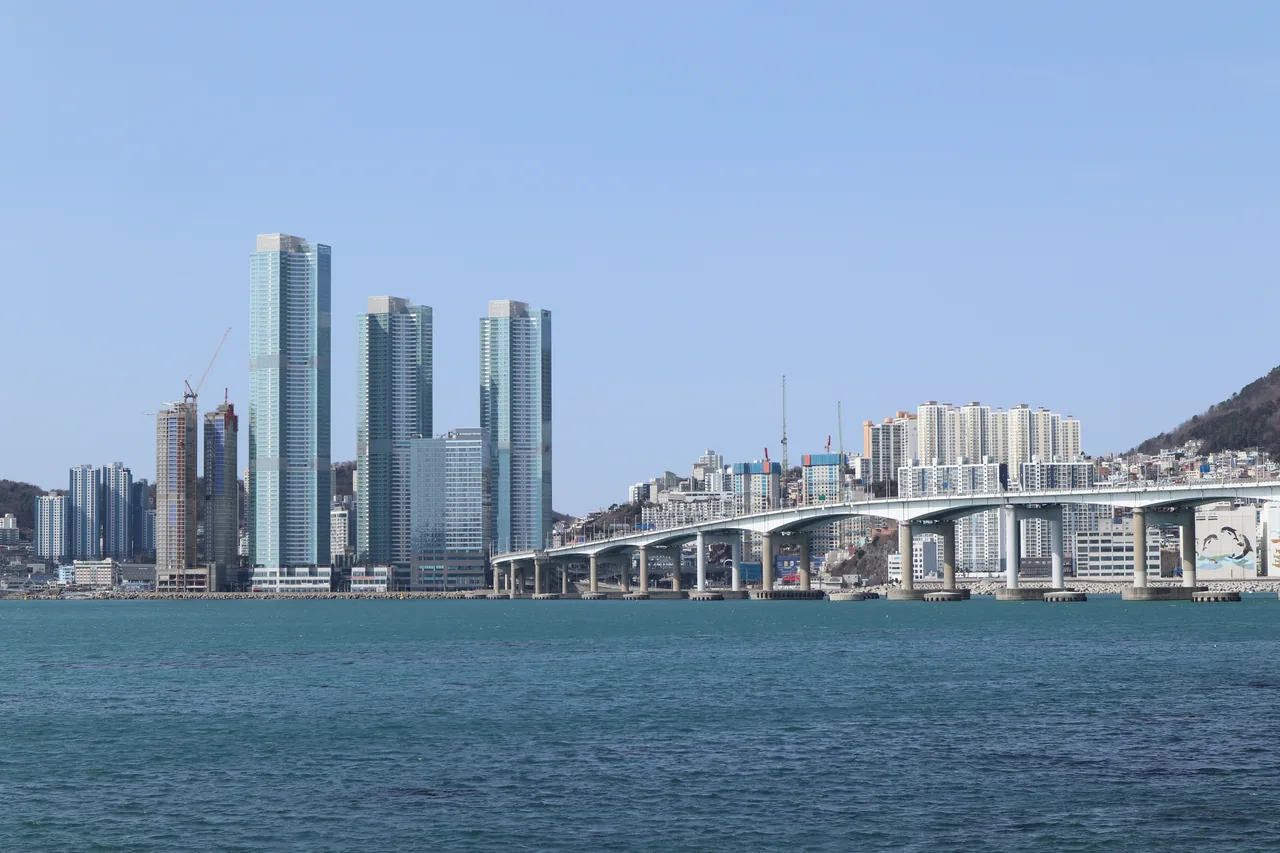
The cliffs at Taejongdae cliffs have been free to enter since 2006, and the coastal loop takes two to three hours on foot; the park train exists for anyone who does not want the climb. Closer to the bridge, the cliffside path and cafes of Yeongdo: Taejongdae & Huinnyeoul at Huinnyeoul look straight out at the anchored container ships, and the whole walk costs nothing.
West again, Songdo Beach & cable car pairs the country’s oldest public beach with a cable car that runs out over open water rather than along the shore, plus a free coastal boardwalk that loops around the headland.
Yeongdo is poorly served by subway. Plan on a bus or a taxi from Nampo, and allow more time than the map distance suggests, especially at rush hour on the bridge.
9. The west: Dadaepo, the sunset fountain and Gamcheon
The western end of Line 1 is where Busan gets its best sunsets and its most photographed hillside. It is far from Haeundae, so give it its own afternoon and evening rather than tacking it onto an eastern day.
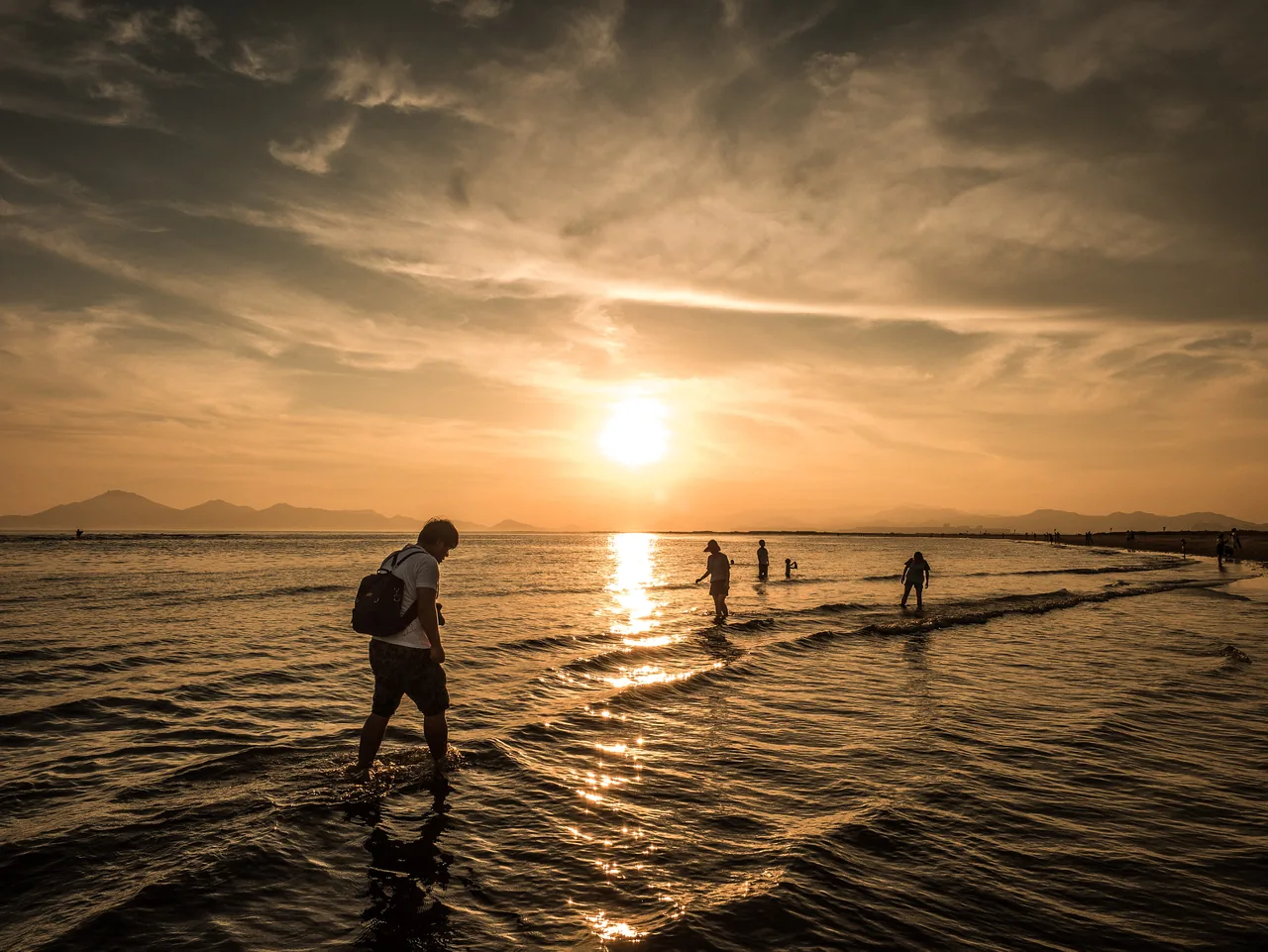
The beach at Dadaepo Beach and the sunset fountain is shallow a long way out, which is what makes the low sun sit on the water instead of behind it. The dream sunset fountain beside it runs on a season rather than year round, and in 2026 that season is 24 April to 30 September, closing early in October for works and dark on Mondays.
Above the beach, Amisan Observatory is free, opens Tuesday to Sunday from 09:00 to 18:00 with last entry at 17:00, and closes on Mondays and on 1 January. From 9 October to 8 February it is one of the better places in the city to watch the sun go down.
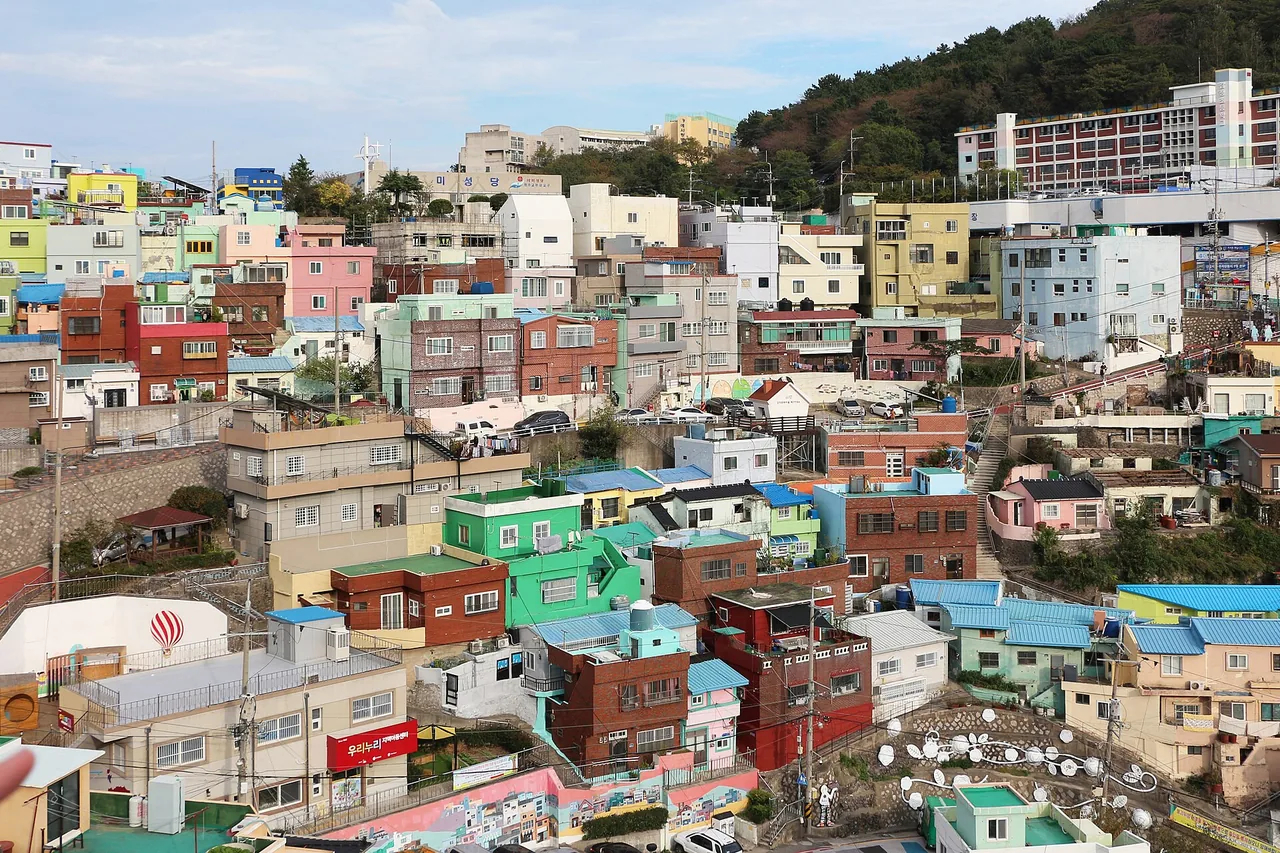
Inland, Gamcheon Culture Village is free to enter as a village; only the stamp-tour map from the information centre carries a charge. Allow two to three hours, wear shoes you can climb in, and remember that people live there.
10. Busan is a hot spring city, not only a beach city
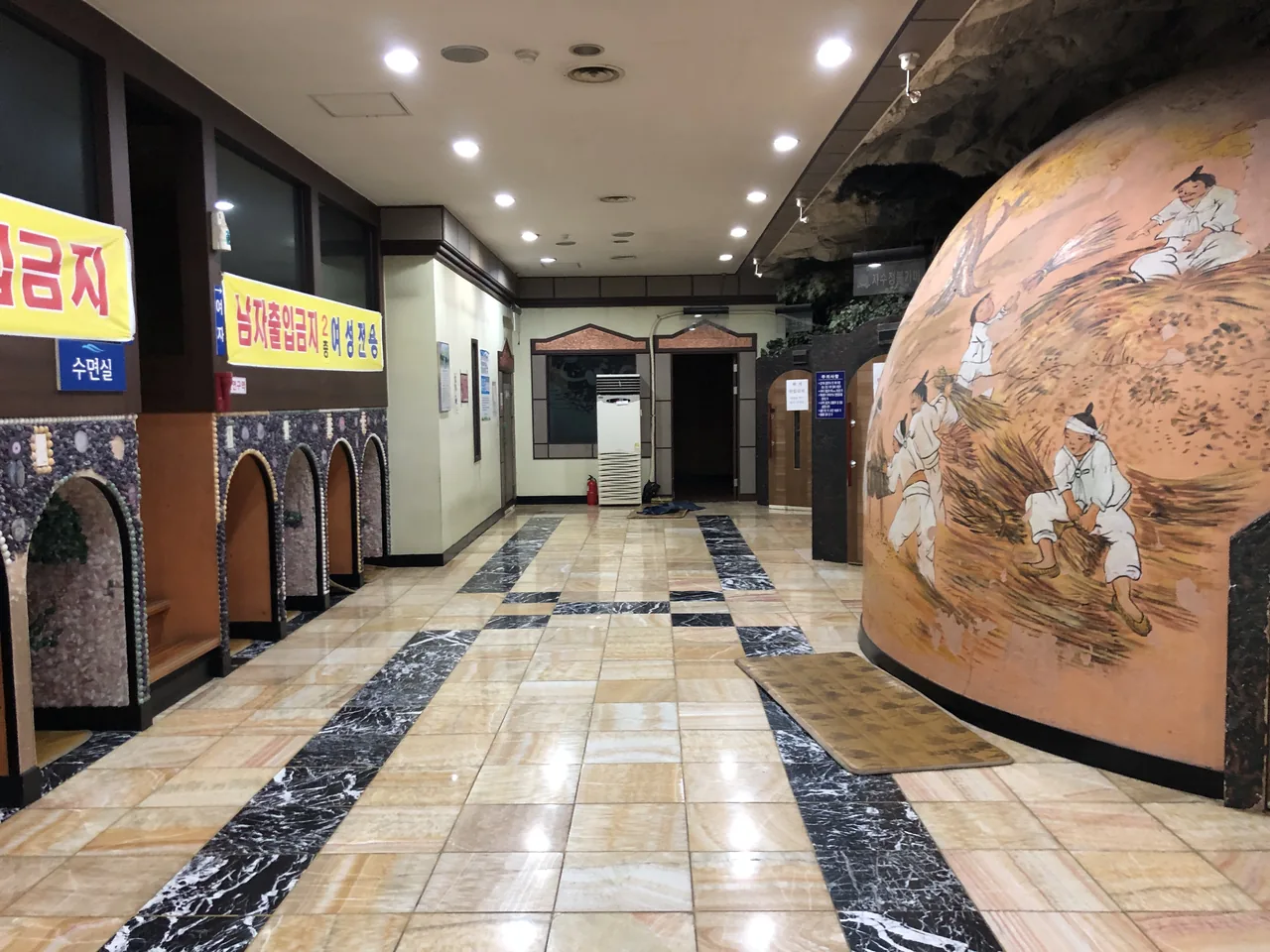
This is the part most guides leave out entirely. Busan sits on natural hot springs, and it has two separate spring districts with genuinely different characters. If your trip lands in winter, or in a typhoon week, this is what saves it.
| District | Character | Best for |
|---|---|---|
| Dongnae | The historic bathing quarter at the northern end of Line 1, centred on a large traditional complex | A proper long soak, older crowd, less polished |
| Haeundae and Centum | Modern spa floors attached to the resort and shopping districts | Design-led bathing, outdoor pools, easy to combine with a beach day |
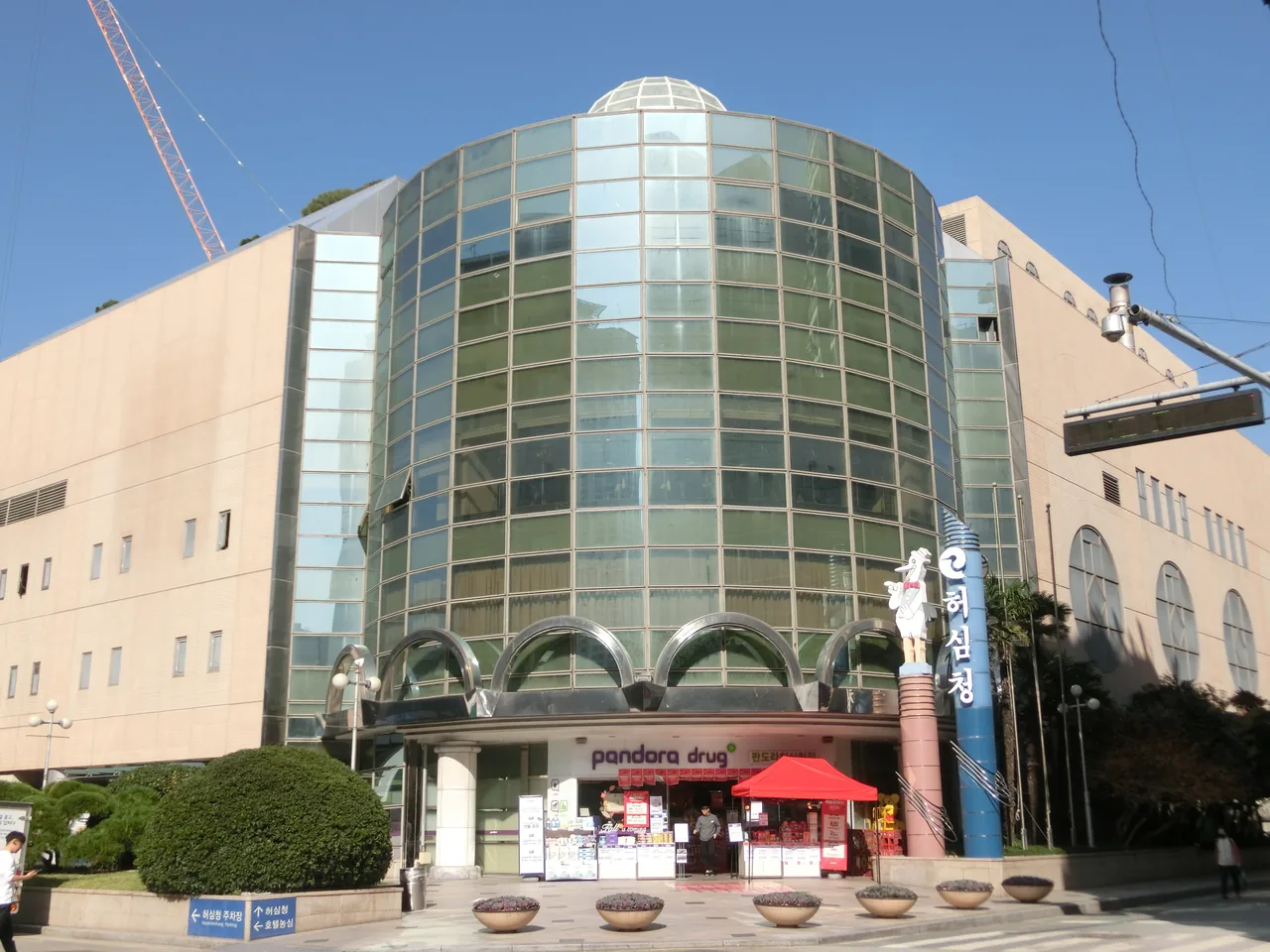
A Korean bathhouse is not a swimming pool. Bathing areas are separated by gender and are done without swimwear, while the shared jjimjilbang floor is mixed and you wear the cotton clothes provided. The Busan spas & jjimjilbang guide walks through the etiquette, the order to use the rooms in, and which venue suits which kind of visitor.
Half a day is the right allowance. Go in the late afternoon, eat afterwards, and treat it as the evening rather than as something you squeeze between two other sights.
11. Mountains and temples: Beomeosa and Geumjeongsan
Busan has a mountain spine behind the city, and the easiest way into it is the temple at the top of Line 1. Entry to Beomeosa Temple is free, the setting under the pines is genuinely quiet, and the temple has been there since the seventh century.
From the temple you can carry on up onto Geumjeongsan and its fortress walls, which turns a one-hour visit into a half-day hike. The north gate section is the usual target for people who want the ridge view without a full traverse.
The other temple worth the trip, though it means leaving Busan, is Tongdosa in Yangsan, an hour out on one city bus and free to walk into, where how much of the mountain you see comes down to whether you have a car.
The temple sits at the same end of the line as the Dongnae spring district, so a temple morning and a bathhouse afternoon is one of the most efficient pairings in the city, and neither half feels rushed.
12. What to do when it rains, and when it is too hot
Busan gets a wet summer and an uncomfortable August, so every itinerary needs a fallback list. The useful distinction is not indoor versus outdoor but fully indoor versus partly sheltered.
| Shelter level | Where |
|---|---|
| Fully indoor | Hot spring and spa complexes, the aquarium, the cinema centre, the covered market arcades, the Centum department stores, the modern history museum |
| Partly sheltered | The capsule railway, the observation tower, the cable car, the fish market halls |
| Outdoor only | All beaches, the hillside village, the island cliffs, the sunset fountain, the resort parks |
Heat needs a different plan from rain: outdoor sights become bearable again after about five in the afternoon, so a hot day works best as an indoor middle and an outdoor evening. The Busan when it rains guide has the full wet-weather list including which places quietly close when a typhoon warning goes up.
13. A day in Busan that costs nothing
Busan’s free tier is unusually strong, and a no-spend day here is a good day rather than a sacrifice. Beyond the subway fares and lunch, everything below is free to enter. To fill the day with exhibitions alone, see all 41 museums in Busan. Note that most of the forty-one close together on Mondays.
- Morning Ride out to the sea temple at Osiria before the crowds. No admission charge, and the light on the rocks is best early.
- Midday Come back down to the old downtown and walk the fish market and the covered arcades, then up to Yongdusan Park.
- Afternoon Cross to Yeongdo for the cliff loop or the cliffside path, both free, both coastal.
- Evening Finish at Gwangalli and watch the bridge light up from the sand, which remains the best free view in the city.
If you would rather spend the free day in the west, the hillside village, the sunset beach, Molundae and the observatory are all free and sit on the same subway branch. The Busan’s beaches compared comparison is the fastest way to decide which stretch of sand is worth your afternoon.
14. One day, two days or three: what actually fits
Two nights is the honest minimum for a first visit, and three lets you see the old city properly instead of skimming it. The pattern below assumes you are not moving hotels.
| Length | Day plan | What you give up |
|---|---|---|
| One day | East coast only: beach, capsule railway or tower, then Gwangalli after dark | The old downtown and everything west of it |
| Two days | Add the old downtown, the fish market and Yeongdo on day two | Osiria, the mountains, the hot springs |
| Three days | Day three goes either to Osiria or west to Gamcheon and the sunset beach | Day trips outside the city |
| Four days or more | Add a temple and hot spring day, or a trip out of the city | Very little |
Where you sleep decides how much of this you actually achieve, because half of the travel time in a Busan trip is the walk to and from the subway. The Where to stay in Busan guide compares the districts on that basis, and the Busan 2–4 day itinerary guide turns these outlines into hour-by-hour days.
15. Out of the city: Gyeongju and Tongyeong
Busan is a good base for two very different day trips, and both are realistic without a car. Only attempt one if you have three days or more in the region.
| Destination | Why go | Shape of the day |
|---|---|---|
| Gyeongju | The old Silla capital: royal tombs, temples, open countryside | Full day, mostly outdoors, best in spring and autumn |
| Tongyeong | Harbour town on the south coast, cable car, island ferries, seafood | Full day by intercity bus, coastal and slower |
Culturally, Gyeongju day trip is the one to choose if you want depth rather than coastline, and several of its major sites now cost nothing to enter. If you would rather stay on the water, Tongyeong day trip gives you a harbour, a ridge view and island boats in one day.
Neither day trip combines with a beach afternoon in Busan. Treat them as whole days, leave early, and accept that you will get back after dark.