
Getting Around Busan: Metro, Buses, Taxis & the Airport
Busan looks sprawling on a map, but it’s one of the easiest big cities in Asia to get around once you know the system. This is the whole thing in one place: the one transport card to buy, how the metro really works, when to grab a taxi instead, exactly how to get in from Gimhae Airport or down from Seoul on the KTX, plus the apps that actually work in Korea — with real 2026 fares throughout.
- Buy one transport card and you’re sorted. Grab a Cashbee or T-money card at any convenience store (~₩2,500–4,000 for the card, then load cash), tap it on every metro gate, bus and taxi, and you get cheaper fares plus free transfers within 30 minutes. This one move solves 90% of getting around Busan.
- The metro is your backbone. Four colour-coded subway lines plus the Donghae Line and the airport light rail (BGL) reach almost everything a visitor wants — Haeundae, Gwangalli, Seomyeon, Nampo, the station. Adult fares are about ₩1,450–1,650 by card; it runs roughly 05:00 to midnight.
- From Gimhae Airport: the cheapest, easiest route for most is the BGL light rail (≈15 min to Sasang, then transfer to the metro). With luggage, a family, or a late-night arrival, a limousine bus (≈₩9,500 to Haeundae) or a private pickup/taxi (₩25,000–35,000) is worth it.
- From Seoul: the KTX high-speed train runs Seoul→Busan in about 2.5 hours (~₩59,800), with the SRT a slightly cheaper alternative. If you’re touring multiple cities, a Korail Pass can pay for itself.
- Taxis are cheap and everywhere (₩4,800 base) — call one in English with the Kakao T app. And install Naver Map or Kakao Map before you arrive: Google Maps does not give walking or transit directions in Korea.
Just landed? Skip figuring out the trains with bags in hand — a private driver can meet you at arrivals and take you straight to your hotel for a fixed price:🚖 Book a private airport pickup · Klook* affiliate link
1. How do you get around Busan? The short answer
2. Busan transport at a glance
3. Getting into Busan from Gimhae Airport
4. Getting to Busan from Seoul & beyond (KTX, SRT, bus, flight)
5. Transport cards — Cashbee, T-money & Hanaro
6. The Busan Metro — lines, fares & how to ride
7. City buses — the network that fills the gaps
8. Taxis & the Kakao T app
9. The Donghae Line & reaching the east coast
10. The Busan City Tour Bus
11. Ferries — to Japan and around the harbour
12. The hilly bits — walking, village buses & Busan’s slopes
13. Navigation apps — why you need Naver or Kakao Map
14. Real sample journeys
15. Costs & how to save money on transport
16. Putting it all together
Here’s the good news: Busan is far easier to get around than its size suggests. The city stretches for kilometres along the coast and folds up into steep hills, but underneath it all runs a clean, cheap, English-signed metro, a dense bus network, taxis you can summon in your own language, and a single tap-and-go card that ties the whole thing together. Once you’ve got that card in your pocket and the right map app on your phone, you can move between Haeundae’s beaches, Seomyeon’s shopping, Gamcheon’s painted alleys and the fish markets of Nampo without ever needing to speak Korean or count out cash. This guide is the complete, no-gaps playbook for moving around Busan in 2026: which transport card to buy and how to use it, how the metro, buses and taxis actually work (with real fares), exactly how to get into the city from Gimhae Airport and down from Seoul on the KTX, the ferries and the city tour bus, the apps that replace the Google Maps that quietly fails here, and a set of real sample journeys so you can see the system in action. Each section links to a deeper guide where one exists. Plan the rest of your trip with our complete Busan Travel Guide.
1. How do you get around Busan? The short answer
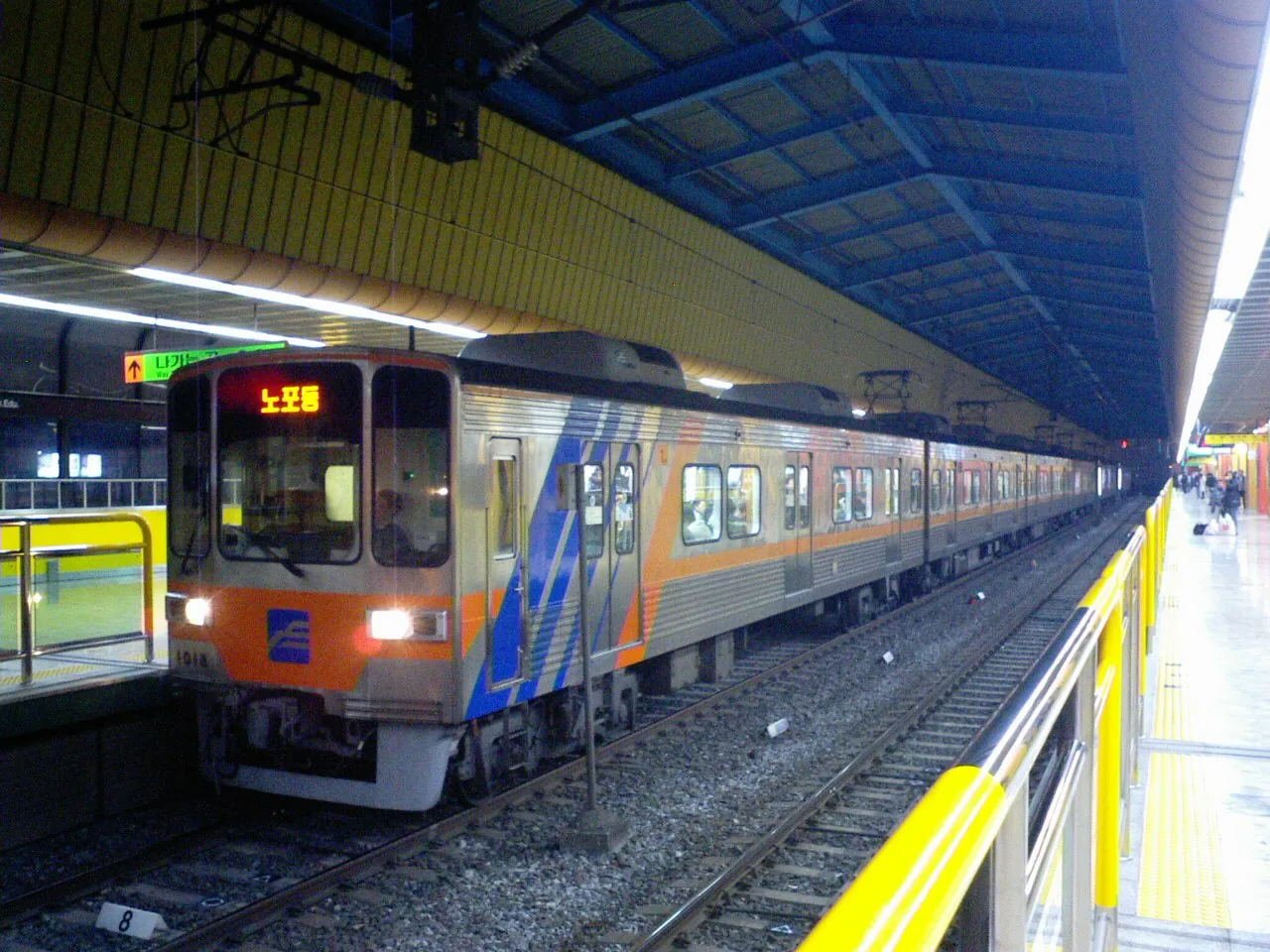
Get a Cashbee or T-money transport card, lean on the metro for the long hops, and use the Kakao T app to grab a cheap taxi for the rest. That combination covers almost everything, costs very little, and needs zero Korean.
Busan’s public transport is genuinely tourist-friendly: signs and announcements are in English (and often Korean, Chinese and Japanese), the metro map is colour-coded and logical, and fares are low by world standards. The whole system runs on one rechargeable card that you tap on metro gates, buses and even in taxis.
- The card (Cashbee / T-money / Hanaro) is the master key — cheaper fares, free transfers, no fumbling for change. Buy it first.
- The metro is the backbone for crossing the city — fast, frequent, never stuck in traffic, and it reaches the big-name destinations.
- Buses fill in the gaps the metro misses (hilltop neighbourhoods, the coast) and use the same card and transfer discount.
- Taxis are cheap and plentiful — call one in English with Kakao T for door-to-door trips, late nights, or when you’ve got luggage.
2. Busan transport at a glance
Every mode, what it costs and when to use it — on one screen.
| Mode | Fare (adult, card) | Best for |
|---|---|---|
| 🚇 Metro (Lines 1–4) | ~₩1,450–1,650 | Crossing the city; Haeundae, Seomyeon, Nampo, the station |
| 🚍 City bus | ~₩1,300 (express ~₩1,800) | Hilltop spots & coast the metro misses (Gamcheon, Taejongdae) |
| 🚕 Taxi (Kakao T) | ₩4,800 base | Door-to-door, late night, luggage, groups |
| 🚝 BGL light rail | ~₩1,500 | Gimhae Airport → metro (Sasang) |
| 🚌 Limousine bus | ~₩9,500 (to Haeundae) | Airport → Haeundae/Seomyeon with luggage |
| 🚄 KTX / SRT | ~₩52,600–59,800 | Seoul ↔ Busan in ~2.5 hours |
| ⛴️ Ferry | varies | Busan ↔ Fukuoka (Japan); island & harbour cruises |
| 🚏 City Tour Bus | ₩15,000/day | Hop-on-hop-off sightseeing loops |
3. Getting into Busan from Gimhae Airport
Gimhae International Airport (PUS) sits in the west of the city, and there are four ways into town: the BGL light rail (cheapest & easiest for most), the limousine bus (best with luggage to Haeundae/Seomyeon), a private pickup, or a taxi.
| Option | Cost | Time | Best for |
|---|---|---|---|
| BGL light rail | ~₩1,500 (card) | ~15 min to Sasang, then metro | Most travellers; light luggage |
| Limousine bus | ~₩9,500 (Haeundae) | ~50–70 min | Direct to Haeundae/Seomyeon hotels |
| Private pickup | from ~₩50,000+ | door-to-door | Families, late arrivals, heavy bags |
| Taxi | ₩25,000–35,000 | 40–70 min (traffic) | Groups, no transfers |
- BGL (Busan–Gimhae Light Rail): the value pick. From the airport it’s about 15 minutes to Sasang, where you transfer to Metro Line 2 (for Seomyeon, Gwangalli, Haeundae) — or to Daejeo for Line 3. Tap your transport card and the transfer is discounted.
- Limousine bus: reorganised in January 2026, these run direct to Haeundae (~₩9,500) and Seomyeon — the easiest option if you’ve got luggage and your hotel is on the route, with no metro transfers.
- Private airport pickup: a driver meets you in arrivals and takes you straight to your door — the calmest option after a long flight, with a fixed price and no language friction. Worth it for families, late-night landings, or a lot of luggage.
- Taxi: plentiful at the rank; ₩25,000–35,000 to Seomyeon or Busan Station, more to Haeundae, and slower in rush hour.
Arriving late, travelling with family, or carrying a lot of luggage? A pre-booked pickup is the calm, zero-transfer way in — fixed price, English confirmation, a driver already waiting:🚖 Book a private airport pickup · Klook* affiliate link
4. Getting to Busan from Seoul & beyond (KTX, SRT, bus, flight)
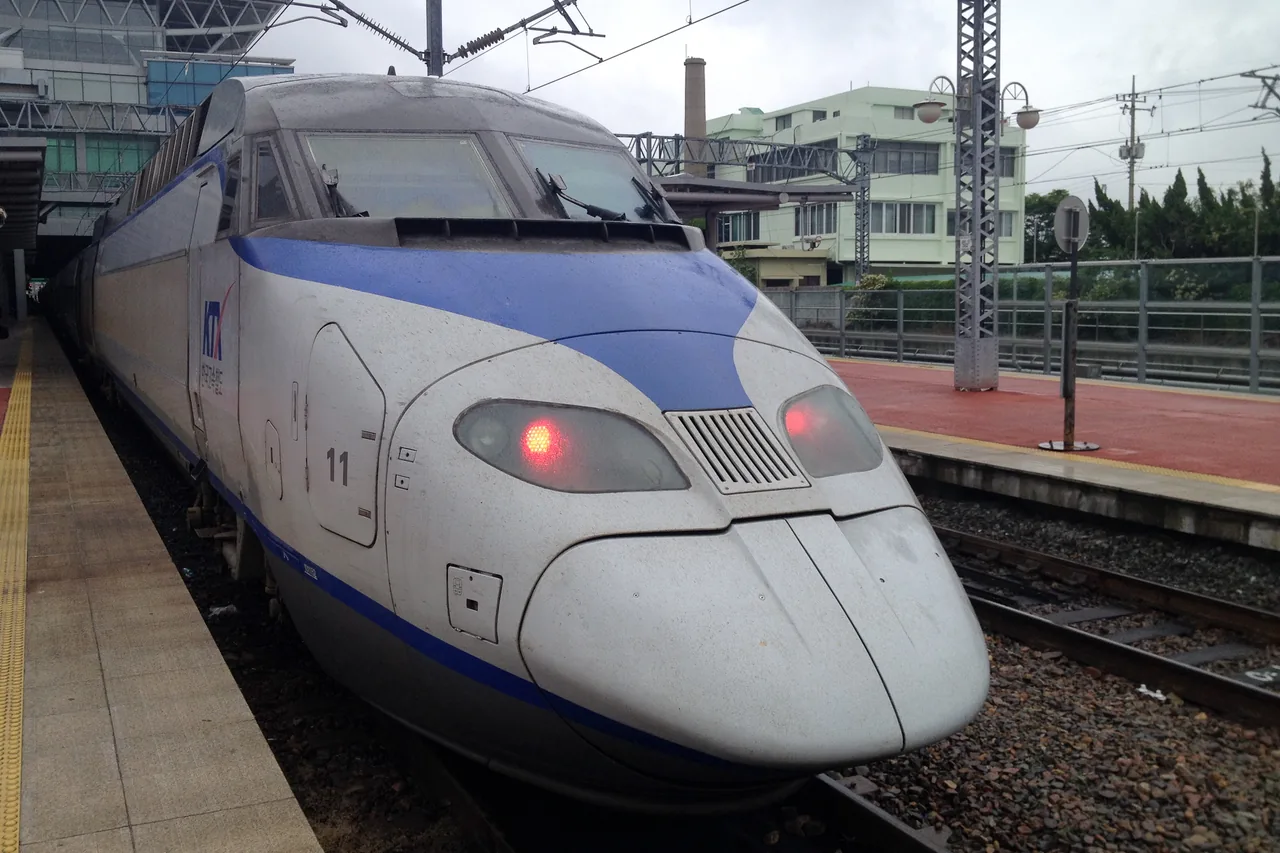
Most people reach Busan from Seoul on the KTX high-speed train: about 2.5 hours, city centre to city centre, dozens of departures a day. It’s faster and far less hassle than flying once you count airport time.
| Option | Price (one-way) | Time | Notes |
|---|---|---|---|
| KTX | ~₩59,800 | ~2.5 hr | 69+ daily; arrives Busan Station |
| SRT | ~₩52,600 | ~2.5 hr | From Suseo (south Seoul); cheaper |
| Express bus | ~₩23,000–35,000 | ~4–4.5 hr | Cheapest; from Seoul Express Bus Terminal |
| Flight | varies | ~1 hr air + airports | Rarely faster door-to-door than KTX |
- KTX: departs Seoul Station, arrives Busan Station (right on Metro Line 1, walking distance to Nampo and the harbour). Book a seat ahead in summer and on weekends.
- SRT: the newer high-speed service from Suseo in southern Seoul — a bit cheaper, less crowded, virtually the same journey time. Handy if you’re staying in southern/eastern Seoul.
- Korail Pass: if Busan is one stop on a multi-city Korea trip, a flexible Korail Pass (unlimited KTX/intercity rides over chosen days) can be excellent value. Note it covers KTX but not the SRT.
- Bus & flight: the express bus is the budget option (slower); flying rarely beats the KTX once you add airport transfers and check-in.
Coming from Seoul or touring several cities? Booking your KTX seat or a Korail Pass online skips the Korean ticket machines — just scan a QR to board. Compare a single ticket vs a multi-day pass:🚄 Book a Korail Pass (KTX) · Klook🚄 Book a Korail Pass (KTX) · KKday* affiliate link
5. Transport cards — Cashbee, T-money & Hanaro
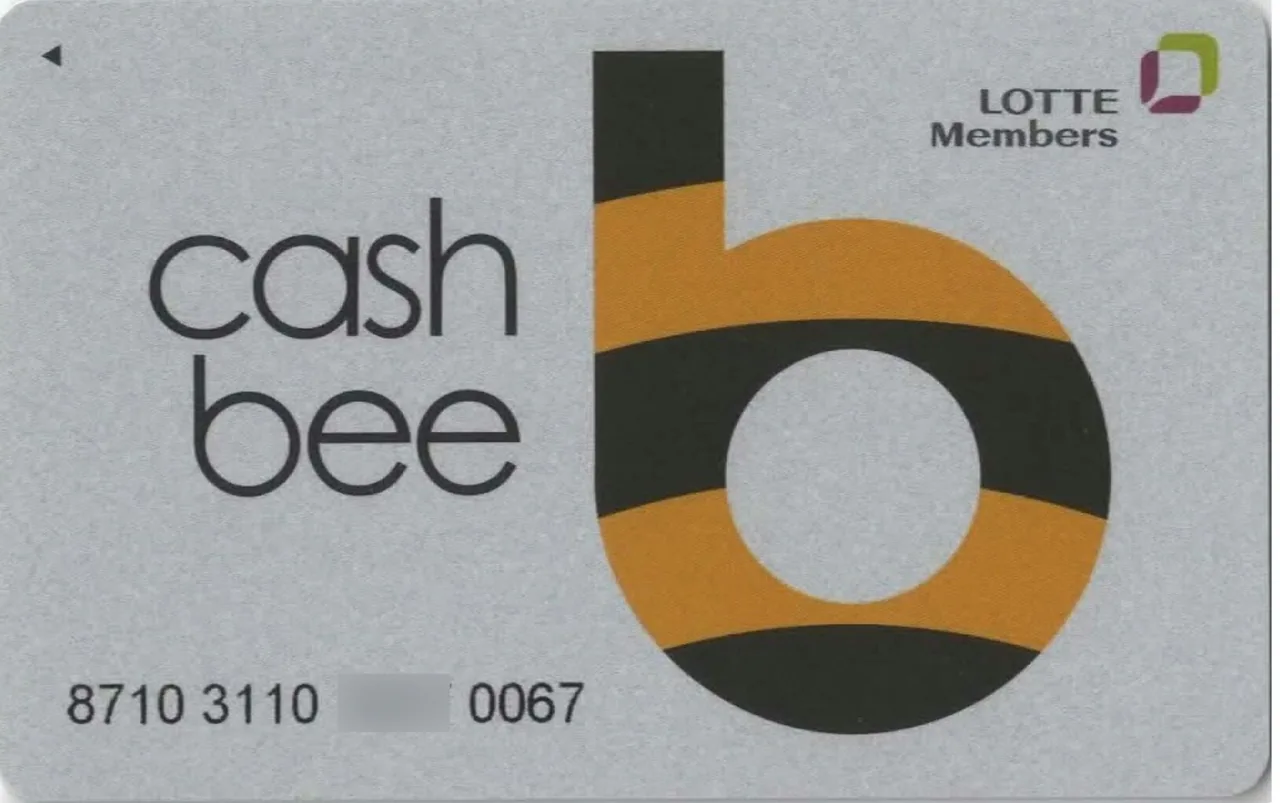
One rechargeable card is the single most useful thing you can buy in Busan. It gives you cheaper fares than cash, free transfers within 30 minutes, and tap-and-go on the metro, every bus, the BGL and even taxis — no tickets, no change, no Korean required.
- Which card? Cashbee and T-money are both accepted everywhere in Busan and across Korea (Seoul included). Hanaro is the local Busan card. Any of them works — just get whichever the shop has.
- Where to buy: any convenience store (CU, GS25, 7-Eleven, eMart24), most metro station machines, and the airport. The blank card costs around ₩2,500–4,000; then you load cash onto it.
- How to charge: tell the convenience-store clerk how much to add (cash), or use the recharge machines in metro stations. Keep a few thousand won topped up.
- How to use: tap the reader as you enter the metro gate, board a bus, or finish a taxi ride. On the metro you tap again on the way out (fares are distance-based).
- The transfer discount: tap off one bus/metro and onto another within 30 minutes and the second fare is heavily discounted or free — up to two transfers per trip. This is why the card beats cash every time.
6. The Busan Metro — lines, fares & how to ride
The metro is the backbone of getting around Busan: fast, frequent, spotless, fully signed in English, and never stuck in traffic. Four numbered lines plus the Donghae Line and the airport BGL reach almost every place a visitor wants to go.
| Line | Colour | Key stops for visitors |
|---|---|---|
| Line 1 | Orange | Busan Station, Nampo, Jagalchi, Seomyeon, Dongnae |
| Line 2 | Green | Seomyeon, Gwangalli, Haeundae, Centum City, Sasang |
| Line 3 | Brown | Suyeong, Yeonsan, connects to BGL at Daejeo |
| Line 4 | Blue | Dongnae, Beomeosa (for the temple) |
| Donghae Line | — | Bujeon, Centum, Osiria (Blue Line Park, Lotte World) |
| BGL light rail | — | Gimhae Airport ↔ Sasang/Daejeo |
- Fares: distance-based — about ₩1,450 for one zone and ₩1,650 for two by transport card (₩100 more by cash/QR ticket). Children and seniors pay less.
- Hours: roughly 05:00 to midnight; trains every few minutes, more often at rush hour.
- How to ride: tap in at the gate, follow the colour-coded signs and the line number, tap out at your destination. Platforms show the next station in English; every station has a number (e.g. 203) so you can count stops.
- 1-day pass: a ₩5,000 one-day metro pass exists for unlimited rides — worth it only if you’re doing four or more separate metro trips in a day.
- Coming in 2026: the Donghae Line is being extended, and the new Line 5 (Sasang–Hadan) is due to open in December 2026 — handy for the western districts.
7. City buses — the network that fills the gaps
Where the metro doesn’t reach — the hilltop neighbourhoods, the coastal corners, Gamcheon, Taejongdae — the bus does. It uses the same card and the same transfer discount, so it folds seamlessly into your metro trips.
- Types: regular city buses (most routes, ~₩1,300 by card), express buses (red, fewer stops, ~₩1,800), and small maeul (village) buses that climb the narrow hillside lanes the big buses can’t.
- How to ride: tap your card on the reader as you board and again as you get off (this is what enables the transfer discount and correct fare). Press the stop button before your stop.
- Finding your bus: don’t guess — let Naver Map or Kakao Map tell you the bus number, the stop, and live arrival times. Bus stops have electronic boards showing minutes-to-arrival.
- For hilltop spots: reaching Gamcheon Culture Village or Taejongdae usually means a short bus hop from the nearest metro station — the village buses are part of the fun.
8. Taxis & the Kakao T app
Taxis in Busan are cheap, abundant and — thanks to the Kakao T app — easy to use without a word of Korean. They’re the right call for door-to-door trips, late nights after the metro closes, heavy luggage, or splitting a fare between three or four people.
- Fares: the base fare is ₩4,800 (2026), then it climbs by distance and time. A typical cross-town ride is still cheap by Western standards; there’s a late-night surcharge after midnight.
- Kakao T: Korea’s dominant taxi app works in English — set your pickup and destination on the map (no need to pronounce anything), and a metered taxi comes to you. You can pay in the app or with your card.
- Hailing on the street: also easy — a red light in the windscreen means available. Show the driver your destination in Korean on your map app to avoid confusion.
- Paying: tap your Cashbee/T-money card or a credit card; cash works too. Tipping is not expected in Korea.
- Avoiding trouble: stick to metered taxis and Kakao T; the meter should always be running. It’s a low-hassle, low-scam environment compared with many cities.
9. The Donghae Line & reaching the east coast
One line every visitor should know: the Donghae Line runs up Busan’s scenic east coast and is the key to the Blue Line Park, Osiria and the beaches beyond Haeundae — destinations the four numbered metro lines don’t reach directly.
- What it is: a commuter rail line that connects into the metro system (you can transfer at Bujeon, Centum and elsewhere) and runs north along the coast toward Gijang and beyond.
- Why it matters for visitors: it’s the easy way to Osiria — the station for Lotte World Adventure Busan, the Skyline Luge and the Osiria coast — and it connects toward the Blue Line Park beach-train area at Mipo/Cheongsapo.
- How to use it: tap the same transport card; it’s signed in English like the rest of the system. Check Naver/Kakao Map for the right transfer station.
- 2026 note: the Donghae Line is being extended further north, with works completing through 2026 — handy for the northern coast.
10. The Busan City Tour Bus
If you’d rather sightsee than navigate, the official Busan City Tour Bus is a hop-on-hop-off loop that strings the big sights together for one flat daily price — no card, no transfers, just get on and off as you like.
- Price: about ₩15,000 per adult for a full day, with unlimited hop-on-hop-off across the routes.
- Routes: several colour-coded loops — the Red Line around Haeundae and the east, the Green Line out to Taejongdae and the historic/cultural sights, and an Orange Line through the western districts. Many start and connect at Busan Station.
- Hours: roughly 09:30 first departure from Busan Station, with buses about every 60 minutes and a last loop in the late afternoon — so plan around the frequency.
- Best for: first-timers who want an overview, travellers short on time, families, or a rainy-ish day when you’d rather stay seated between sights.
11. Ferries — to Japan and around the harbour
Busan is Korea’s great port city, and the sea is part of how you get around — from international ferries to Japan to short harbour and island cruises.
- To Fukuoka, Japan: high-speed and overnight ferries run from the Busan Port International Passenger Terminal across to Fukuoka — a genuinely fun, scenic way to add Japan to a Korea trip (passport required, of course).
- Harbour & island cruises: sightseeing boats run from Taejongdae, the Songdo area and elsewhere; the yacht tours from Haeundae’s The Bay 101 are the headline coastal cruise.
- Domestic routes: ferries also connect to nearby islands and ports along the south coast for day trips.
- Booking: the international Fukuoka ferry should be booked ahead, especially in peak season; bring your passport and arrive early for immigration.
12. The hilly bits — walking, village buses & Busan’s slopes
Busan is built on hills, and some of its best places — Gamcheon’s painted village, the Huinnyeoul cliff path, the old “sanbok doro” ridge roads — sit above where the metro runs. Here’s how to handle the slopes.
- Village (maeul) buses: small green buses climb the narrow hillside lanes from the nearest metro station up to spots like Gamcheon Culture Village. They’re cheap, frequent and part of the experience.
- Walking: neighbourhoods like Gamcheon, Huinnyeoul on Yeongdo, and the Nampo back-streets are best on foot — but expect stairs and steep lanes, so wear good shoes.
- Taxis for the climbs: if the hill is steep or you’re tired, a short Kakao T taxi up to a viewpoint and a walk back down is a smart move.
- Cable cars: for some heights you don’t walk at all — the Songdo Bay Cruise cable car and similar lift you over the coast for the view.
13. Navigation apps — why you need Naver or Kakao Map
This is the one thing to set up before you fly: download Naver Map or Kakao Map. Google Maps does not provide walking or public-transport directions in South Korea — it’s the single biggest “why isn’t this working?” surprise for first-time visitors.
- Why Google Maps fails: for legal/mapping-data reasons, Google can’t give turn-by-turn walking or transit routing in Korea. It’s fine for finding a place on the map, but it won’t navigate you there on foot or by bus.
- Naver Map: the most complete — public transport, walking, driving, live bus arrivals, and an English interface. The default choice for most visitors.
- Kakao Map: equally good for navigation and pairs with Kakao T for taxis; many travellers run both.
- Pro tips: search by the Korean name or paste it in; use the metro station number if names confuse you; save your hotel as a pin so you can always route home.
14. Real sample journeys
Here’s the system in action — the trips you’ll actually make, and how to do each one.
| From → To | Best way | Rough time |
|---|---|---|
| Gimhae Airport → Haeundae | Limousine bus, or BGL + Metro Line 2 | 50–70 min |
| Busan Station → Haeundae | Metro Line 1 → transfer to Line 2 at Seomyeon | ~50 min |
| Seomyeon → Gamcheon Village | Metro Line 1 to Toseong, then village bus | ~35 min |
| Haeundae → Gwangalli | Metro Line 2 (few stops) or short taxi | 10–20 min |
| Nampo → Jagalchi Market | Walk (next to each other on Line 1) | 5–10 min |
| Haeundae → Blue Line Park | Donghae Line / bus to Mipo | ~15 min |
| Late night home (after midnight) | Kakao T taxi | varies |
15. Costs & how to save money on transport
Transport is one of the cheapest parts of a Busan trip — and a few simple habits keep it that way.
- Always use the card: Cashbee/T-money gives lower fares than cash and unlocks the 30-minute free transfer (up to two per trip). Over a few days that adds up.
- Chain your transfers: plan trips so you change between bus and metro within 30 minutes and the second leg is discounted or free.
- 1-day metro pass (₩5,000): only worth it for four-plus separate metro rides in one day — otherwise pay per ride.
- Visit Busan Pass: bundles attraction entries (and some transport perks) — worth checking if you’re hitting lots of paid sights; see our pass guide to do the maths.
- Split late-night taxis: after the metro closes, a Kakao T taxi shared between three or four is cheap and beats waiting for a night bus.
- Korail Pass for multi-city trips: if Busan is one of several cities, price a Korail Pass against individual KTX tickets.
16. Putting it all together
Here’s the whole system as a simple plan you can follow from the moment you land.
- Before you fly: install Naver Map (or Kakao Map) and Kakao T, and sort an eSIM/SIM so they work on arrival.
- At the airport: grab a Cashbee/T-money card at a convenience store, then take the BGL light rail into the metro — or a limousine bus / private pickup if you’ve got luggage and a Haeundae/Seomyeon hotel.
- Around the city: metro for the long hops, buses for the hills and coast, all on the one card with free transfers — and a Kakao T taxi whenever it’s late, raining, or you’re loaded with bags.
- Day trips & beyond: Donghae Line for the east coast, KTX for Seoul, the ferry for Fukuoka, the city tour bus for an easy sightseeing day.
Get the card and the map app sorted, and Busan opens right up — you’ll move around like a local within a day. From here, dive into the specific guides: the airport, the metro & card, the KTX, the ferry, the city tour bus and the map apps each go deeper where you need it.
🚗 See Busan car charter on Klook
Affiliate link — we may earn a commission at no extra cost to you.
🎡Things to Do39
🍜Food7
🏨Where to Stay3
🚇Getting Around6
🧭Travel Tips14
📌More3
🧭All-Korea essentials29
Getting around Busan — FAQ
🧭 Next: plan the rest of your trip with all our Busan guides →