
SEA LIFE Busan Aquarium: Tickets, the Tunnel & What to See
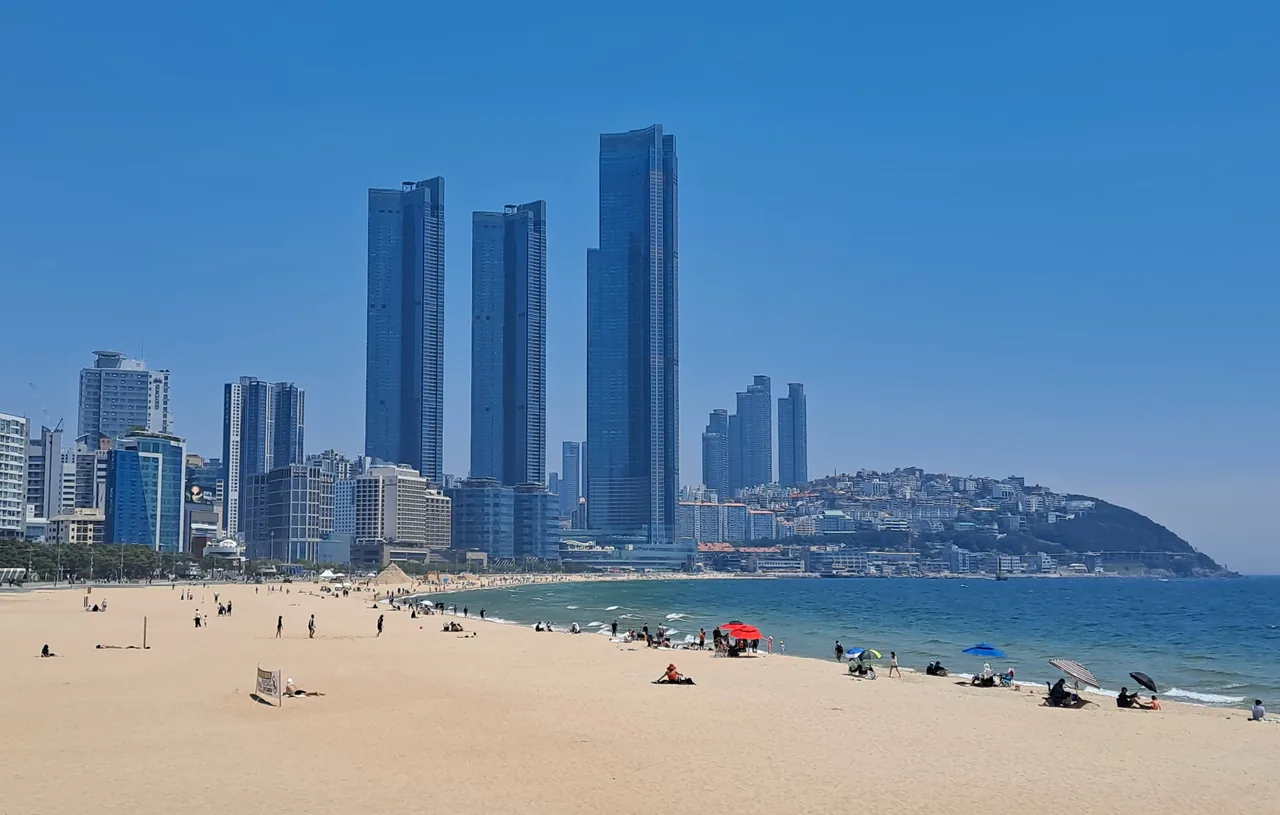
SEA LIFE Busan Aquarium is the city’s big aquarium, set in three underground floors at the eastern end of Haeundae Beach — home to a 80-metre ocean tunnel, eight themed zones and around 250 species, from sharks and sea turtles to penguins and otters. Here’s everything: tickets, hours, the best shows, how to get there and how to do it right.
- SEA LIFE Busan Aquarium sits in three underground floors right on Haeundae Beach. It opened in 2001, covers about 36,000 m² and holds around 250 species and many thousands of sea creatures across eight themed zones.
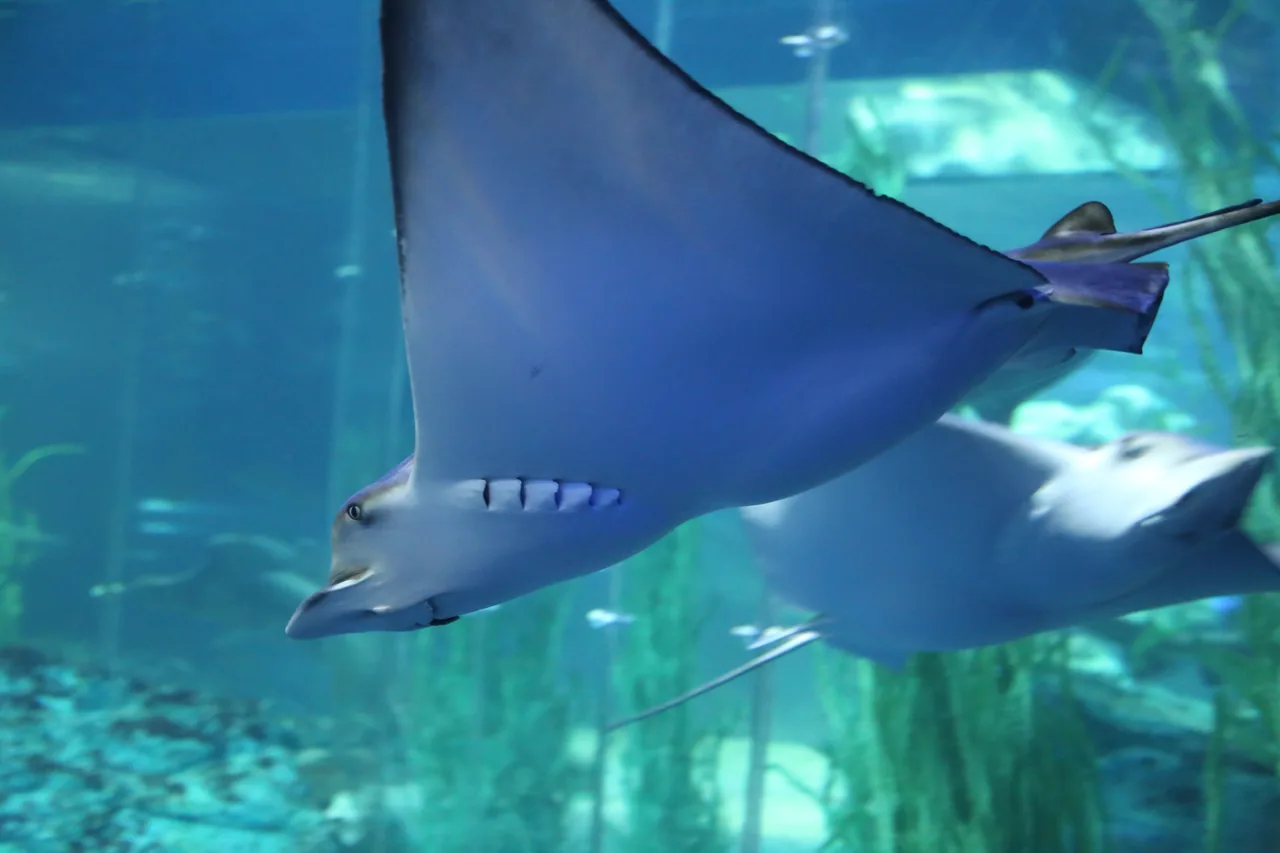
- The highlight is the 80-metre, 270° ocean tunnel where sharks, rays and turtles glide overhead, plus a main tank of about three million litres, daily feeding shows (penguins, otters, sharks) and a hands-on rock pool.
- Standard admission is roughly 30,000–35,000 won for adults and 25,000–31,000 for children, depending on the date; book online to save up to 30%. Under 36 months go free, and it’s included in the Visit Busan Pass.
- It’s open 10:00–19:00 on weekdays and 10:00–20:00 at weekends (last entry one hour before closing). It’s a perfect rainy-day or hot-day choice and a 6-minute walk from Haeundae Station.
1. Is SEA LIFE Busan Aquarium worth visiting?
2. What is SEA LIFE Busan Aquarium?
3. The eight themed zones
4. The 80-metre ocean tunnel and main tank
5. Animals, feeding shows and experiences
6. Tickets and prices
7. Opening hours and the best time to go
8. How to get to SEA LIFE Busan Aquarium
9. Visiting with kids and families
10. Tips to make the most of your visit
11. What’s nearby and a sample plan
SEA LIFE Busan Aquarium is the easiest win on a grey day in Busan — a big, family-friendly aquarium tucked into three underground floors at the very eastern end of Haeundae Beach, so you can step off the sand and straight into an 80-metre tunnel with sharks gliding over your head. It opened back in 2001 as one of Korea’s first major aquariums, and today it spreads around 250 species across eight themed zones, from a hands-on rock pool where kids can touch starfish to a glowing jellyfish gallery and a turtle-rescue tank. I went on a rainy afternoon when the beach was a write-off, and an hour later I’d completely forgotten the weather — standing in that curved tunnel while a sand tiger shark slid past at eye level does that. This is the complete, fact-checked guide: the eight zones and what’s in them, the ocean tunnel and feeding shows, ticket prices and how to save, opening hours and the best time to go, exactly how to get there, tips for families, and what to pair it with in Haeundae. Plan it alongside the rest of your trip with our complete Busan Travel Guide.
| 🚇 Getting there | Haeundae Stn (Line 2), Exit 3/5 |
| 🕐 Hours | 10:00-20:00 |
| 💵 Admission | ≈ ₩29,000 (cheaper online) |
| ⏱️ Time needed | 1.5-2 hours |
1. Is SEA LIFE Busan Aquarium worth visiting?
Yes — SEA LIFE Busan Aquarium is well worth it, especially with kids or on a rainy or scorching day, and it’s the city’s main aquarium. It packs an 80-metre ocean tunnel, eight themed zones, feeding shows and a touch pool into three floors right on Haeundae Beach. If the rain sets in, our guide to Busan when it rains lists the indoor options with prices and opening hours.
- For families: the touch pool, penguins, otters and feeding shows make it one of Busan’s best days out with children.
- For a rainy or hot day: it’s entirely indoors and underground, the perfect plan B when the beach is out.
- For the location: it’s literally on Haeundae Beach, so it slots into a beach day with no extra travel.
2. What is SEA LIFE Busan Aquarium?
SEA LIFE Busan Aquarium is a large aquarium spread over three underground floors at the eastern end of Haeundae Beach, and it was one of Korea’s first major aquariums when it opened in 2001. It covers about 36,000 m² and is laid out as eight themed zones holding around 250 species.
- The setting: three underground levels — B1 has the entrance, shops and cafés, while B2 and B3 hold the exhibits and the ocean tunnel — right beside the sand at Haeundae.
- The scale: around 250 species and many thousands of animals, with a main ocean tank of roughly three million litres.
- The brand: it’s part of the global SEA LIFE family of aquariums, with a strong focus on conservation, rescue and education.
3. The eight themed zones
The aquarium is organised into eight themed zones, each with its own habitats and star species.
| Zone | What to expect |
|---|---|
| Ocean Tunnel | The 80-metre, 270° walk-through tunnel — sharks, rays and turtles overhead |
| Shark Zone | Sand tiger and other sharks in the big main tank |
| Seahorse Kingdom | Delicate seahorses, including Korean species |
| Turtle Rescue | Sea turtles and the aquarium’s rescue-and-conservation story |
| Sea at Night | A glowing, low-light gallery of jellyfish and night creatures |
| Rock Pool (touch) | A hands-on pool where you can touch starfish and hermit crabs |
| Penguin & otter zones | Penguins and Asian small-clawed otters, with feeding shows |
| River & reef zones | Freshwater, Amazon and colourful reef habitats |
4. The 80-metre ocean tunnel and main tank
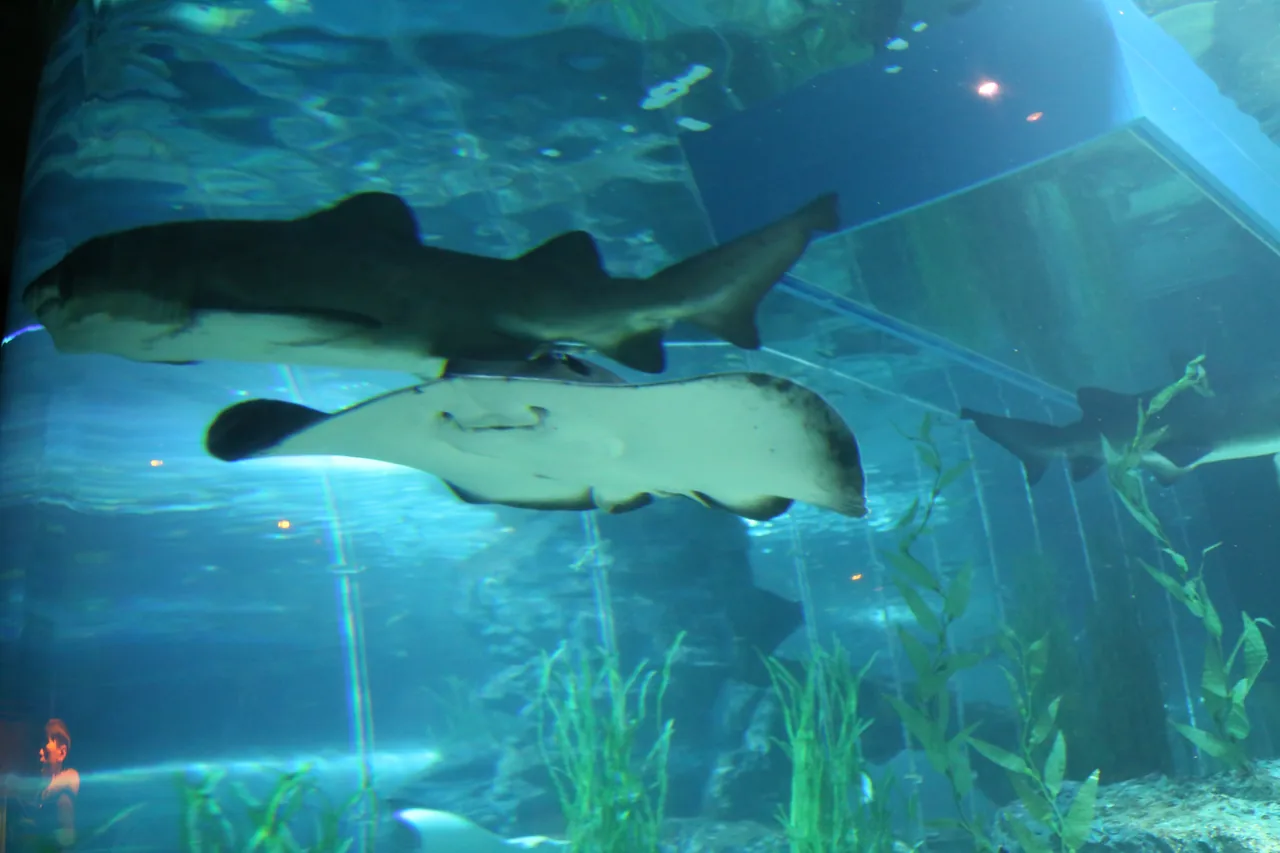
The signature experience is the 80-metre, 7-metre-tall ocean tunnel, where you walk through a 270° acrylic arch while sharks, rays and sea turtles glide all around you. It runs through the main tank, which holds roughly three million litres of water.
- The tunnel: one of the longest aquarium tunnels in Korea — slow down, look up, and let the big animals come to you.
- The main tank: home to sand tiger sharks, rays and large fish, viewable from the tunnel and through huge acrylic windows.
- Photography: the low light is tricky — steady your phone on the glass and turn the flash off (it reflects and disturbs the animals).
5. Animals, feeding shows and experiences
Beyond the tanks, the aquarium runs daily feeding shows and hands-on experiences that are the highlight for many families.
| Experience | What it is |
|---|---|
| Feeding shows | Penguin, otter and shark feedings with a keeper talk |
| Rock Pool touch | Gently touch starfish, hermit crabs and other rock-pool life |
| Glass Bottom Boat | A short boat ride over a tank, looking straight down at the fish |
| Mermaid & diver shows | Underwater performances in the main tank |
| VR zone | A virtual-reality ocean experience |
- Star animals: penguins, Asian small-clawed otters, sand tiger sharks, sea turtles, seahorses and moon jellyfish.
- Plan around the shows: grab the day’s schedule at the entrance and build your visit around the feeding times.
6. Tickets and prices
Standard admission is roughly 30,000–35,000 won for adults and 25,000–31,000 won for children, depending on the date and how you book — and you can save up to about 30% online. Children under 36 months go free, and the aquarium is included in the Visit Busan Pass.
| Ticket | Approx. price |
|---|---|
| Adult | ~30,000–35,000 won |
| Child (3–12) | ~25,000–31,000 won |
| Under 36 months | Free |
- Book online ahead (the official site, Klook, KKday or Trazy) to save up to ~30% versus the gate — show the QR code at entry.
- Bundles: combo tickets (for example with the on-site Brickman or Zanmang Loopy attractions) can be better value if you’ll do both.
- Visit Busan Pass: SEA LIFE Busan is one of the included free-entry attractions, so the pass can quickly pay off here.
7. Opening hours and the best time to go
SEA LIFE Busan is generally open 10:00–19:00 on weekdays and 10:00–20:00 at weekends, with last entry one hour before closing. The best time to go is a weekday, or any time the weather turns.
- For small crowds: a weekday outside Korean school holidays, and arriving near opening or in the last couple of hours.
- For a rainy or hot day: this is the obvious plan — it’s fully indoors and underground.
- For the shows: check the day’s feeding and show times at the entrance and plan your route around them.
8. How to get to SEA LIFE Busan Aquarium
The easiest way is the metro to Haeundae Station on Line 2; take Exit 5 and walk about 6 minutes down to the beach — the aquarium is at the eastern end of Haeundae Beach.
| Method | Details |
|---|---|
| Metro (easiest) | Line 2 to Haeundae Station, Exit 5, then ~6 min walk toward the beach |
| On foot | It’s right on Haeundae Beach — an easy walk from anywhere along the sand |
| Bus | Many routes serve the Haeundae Beach area; get off near the beach and walk |
| Car | On-site parking is available (paid); central Haeundae can be busy at weekends |
9. Visiting with kids and families
SEA LIFE Busan is one of the city’s most reliable family days out, built around hands-on, kid-friendly experiences.
- Best for kids: the Rock Pool touch tank, the penguins and otters, and the feeding shows.
- Practicalities: it’s stroller-friendly with lifts between floors, and there are cafés and toilets on B1.
- Time it right: build the visit around a feeding show, and leave the ocean tunnel for last as the big finish.
- Under 36 months go free, making it good value for families with toddlers.
10. Tips to make the most of your visit
A little planning makes a smoother visit.
- Book online to save up to ~30% and skip the ticket queue with a QR code.
- Save it for a grey or hot day — it’s the best weatherproof attraction in Haeundae.
- Grab the show schedule at the entrance and plan around the feeding times.
- Turn off your flash for photos — it reflects on the glass and disturbs the animals.
- Combine with the beach — it’s right on Haeundae, so pair it with the sand, Dongbaek Island or X the Sky.
11. What’s nearby and a sample plan
SEA LIFE Busan is right on Haeundae Beach, so it pairs perfectly with the sand, Dongbaek Island, X the Sky and the Sky Capsule for a full day on the coast.
| Nearby | What it is |
|---|---|
| Haeundae Beach | Busan’s most famous beach, right outside the door |
| Dongbaek Island & The Bay 101 | A scenic coastal walk and a top night-skyline photo spot |
| BUSAN X the SKY | Korea’s highest observatory, in the nearby LCT tower |
| Haeundae Blue Line Park (Sky Capsule) | The pastel coastal capsule ride from Mipo |
- MorningArrive near opening at Haeundae Station (Exit 5); do the aquarium while it’s quiet, ending at the ocean tunnel.
- MiddayCatch a feeding show, then step out onto Haeundae Beach for lunch by the sea.
- AfternoonWalk Dongbaek Island, or go up X the Sky for the view.
- EveningStay for the lit-up skyline and dinner in Haeundae.