
Busan in February: Seollal Holiday, Nine Daeboreum Bonfires and the Widest Daily Temperature Swing of the Year
In 2027 the Lunar New Year holiday runs 6 to 9 February and Jeongwol Daeboreum falls on 21 February, so both festivals land inside the same month
| Seollal | Lunar New Year falls on Sunday 7 February 2027. The public holiday runs Saturday 6 to Tuesday 9 February. |
|---|---|
| Daeboreum | The first full moon festival falls on Sunday 21 February 2027. In 2026 it fell on 3 March. |
| Bonfires | Nine districts of Busan light a moon house on the same evening. Lighting times run from 18:00 to 19:00. |
| Closures | Lunar New Year’s Day itself is when the largest number of market stalls and small restaurants close. |
| Temperature | Daytime high averages 10.2C and the night low 1.5C. February has the most large daily swings of any month. |
| Lights | The Seomyeon light festival ends in mid February and the Gwangbok-ro tree festival in late February. Nothing carries into March. |
1. Three sets of dates to check before booking February 2027
2. Getting around during the Seollal holiday
3. What closes on Lunar New Year’s Day and what stays open
4. Nine districts of Busan burn a moon house on the same evening
5. The moon rises at 18:38 in Busan on 21 February 2027
6. The Gwangalli drone show runs every Saturday in February
7. The three winter light festivals finish in sequence during February
8. February has the widest daily temperature swings of any month in Busan
9. Daylight grows by 53 minutes over the month
10. Plum blossom at Gijang and camellia on Dongbaekseom in February
11. Gadeok cod is in season only until the end of February
12. Which week of February to pick
13. What changes when March arrives
February 2027 puts two lunar festivals in Busan inside one month. Part of our complete Busan travel guide.
1. Three sets of dates to check before booking February 2027
Lunar New Year falls on Sunday 7 February 2027, and the public holiday runs from Saturday 6 February to Tuesday 9 February. Because the day itself lands on a Sunday, Tuesday 9 February is designated as a substitute holiday. That comes from the 2027 calendar almanac published by the Korea Astronomy and Space Science Institute in June 2026, and it is the longest single break in a year that has ten holidays of three days or more.
Jeongwol Daeboreum, the first full moon of the lunar year, falls on Sunday 21 February 2027. In 2026 the same festival fell on 3 March. The nine district bonfire events that Busan runs for Daeboreum were therefore a March event last time and move back into February for 2027.
The winter light festivals also finish inside February. Going by the most recent edition, the Seomyeon light festival ran to 14 February and the Gwangbok-ro Winter Light Tree Festival to 22 February. Neither carries into March.
The February 2027 calendar
| Date | What it is | What it means for you |
|---|---|---|
| Sat 6 Feb | First day of the Seollal holiday | Also the first Saturday of the month, which is a drone show night |
| Sun 7 Feb | Lunar New Year’s Day | The single day with the most closures |
| Mon 8 Feb | Holiday | Return traffic builds on the expressways |
| Tue 9 Feb | Substitute holiday | Last day of the break |
| Sun 14 Feb | Seomyeon lights finish around here | Based on the previous edition. The 2027 dates are not published yet |
| Sun 21 Feb | Jeongwol Daeboreum | Nine bonfire events across the city |
| Mon 22 Feb | Gwangbok-ro lights finish around here | Based on the previous edition |
February 2027 has 28 days. It is not a leap year. The Saturdays are the 6th, 13th, 20th and 27th.
2. Getting around during the Seollal holiday
Korea waives tolls on national expressways and on the toll roads inside Busan for the Lunar New Year break. The waiver period is announced separately each year by the Ministry of Land, Infrastructure and Transport, and it does not automatically match the holiday dates.
In the most recent edition, in 2026, tolls were waived from 00:00 on 15 February to 24:00 on 18 February, four days in total. Lunar New Year’s Day that year was Tuesday 17 February. The 2027 window has not been announced, so check before you set out.
Which Busan toll roads are covered
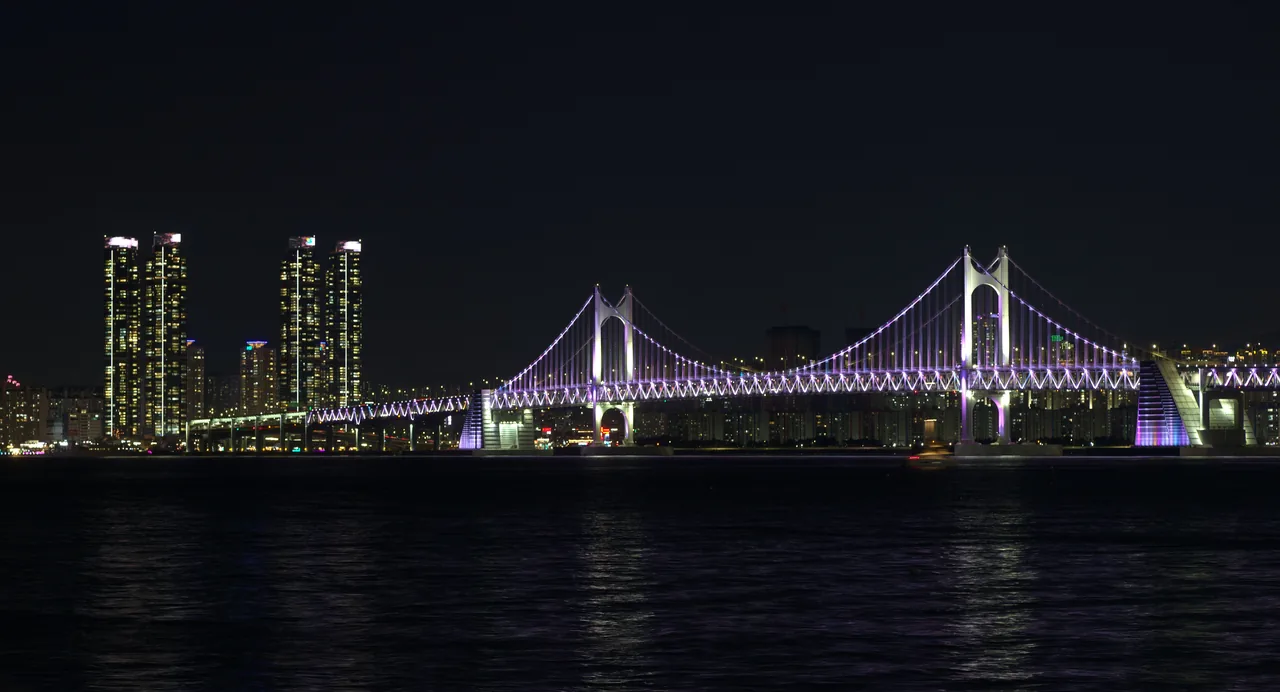
Busan city has named six of its own toll roads: Gwangan Bridge, Baegyang Tunnel, Sujeongsan Tunnel, Eulsukdo Bridge, Busan Harbour Bridge and the Geoga Bridge. The Bulmosan Tunnel and Macheong Bridge between Busan and Changwon are added, along with the national expressways run by Korea Expressway Corporation.
| Road | What it connects |
|---|---|
| Gwangan Bridge | The sea crossing between Haeundae and Nam-gu |
| Baegyang Tunnel | Sasang to Busanjin |
| Sujeongsan Tunnel | Dong-gu to Busanjin |
| Eulsukdo Bridge | Saha to Gangseo |
| Busan Harbour Bridge | Nam-gu to Yeongdo |
| Geoga Bridge | Gangseo in Busan to Geoje island |
If you plan to get around Busan without a car, our guide to getting around Busan covers the metro and buses. Hi-Pass vehicles pass through with the card inserted and the unit switched on, and the charge comes out at zero. In the ordinary lanes you take a ticket on entry and hand it in on exit, as usual.
What the city publishes for the holiday
Busan opens a holiday information page for each Seollal. It carries the ten expressway stretches expected to congest, the toll waiver notice, and the list of traditional markets where parking is allowed during the break.
The same page carries the emergency medical portal, the pharmacies on duty, late-night pharmacies and veterinary clinics. Rubbish collection schedules are listed by district. City buses extend the last-bus timings on four routes.
If you are travelling by rail, note that domestic demand is at its annual peak. KTX seats between Seoul and Busan for the holiday period are usually gone well before the week itself, so book the Seoul to Busan KTX early.
3. What closes on Lunar New Year’s Day and what stays open
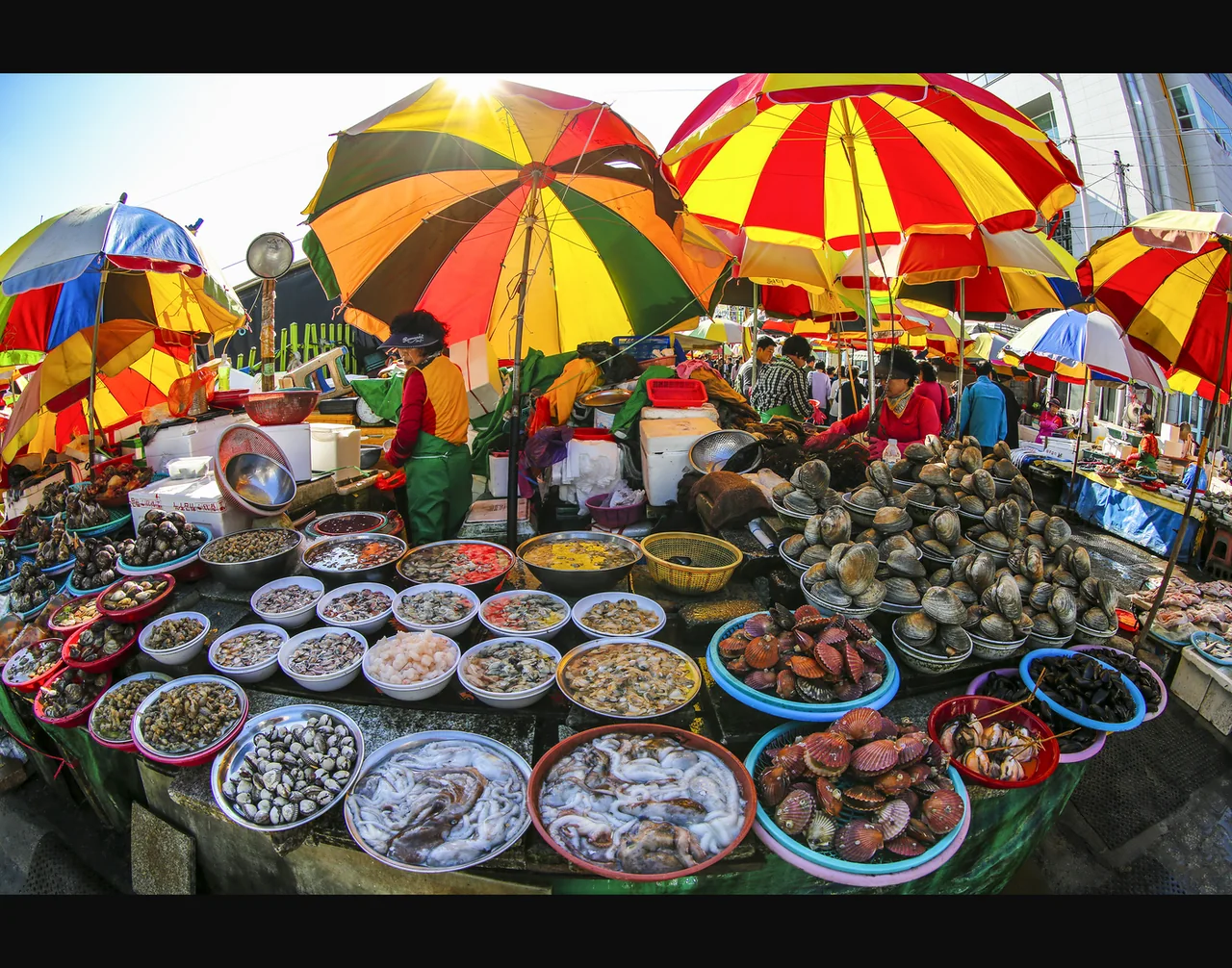
Traditional markets in Busan have the most shuttered stalls on Lunar New Year’s Day itself. The run-up is the opposite. Through Saturday 6 February the markets are busier than usual because people are shopping for the holiday.
Jagalchi Market and Gukje Market
Jagalchi Market runs from 02:00 to 22:00 and closes on the first and third Tuesday of each month. Mapped onto February 2027 those regular closures are the 2nd and the 16th. The substitute holiday on Tuesday 9 February is the second Tuesday, so it is not a regular closing day.
Getting to Jagalchi MarketMap: Line 1 to Nampo Station exit 2, or Jagalchi Station exit 10 and a six minute walk. Gukje Market sits directly alongside, so the two work as one stop.
What runs through the break
Busan Museum and Bokcheon Museum put on hands-on programmes over the Seollal holiday. The city holiday page lists opening arrangements for tourist and public facilities, so check it the day before you go.
Yongdusan Village ran a lucky-pouch event from 14 to 18 February in the most recent edition. A jazz programme at Busan Port ran from late January to late March.
4. Nine districts of Busan burn a moon house on the same evening
For Jeongwol Daeboreum, nine of Busan’s districts each build and burn a daljip, a cone of pine branches and straw known in English as a moon house. They all happen on the same evening, but the lighting time differs from site to site. The table below is from the most recent edition, held on 3 March 2026. The 2027 dates and times have not been published yet.
Lighting times across the nine sites
| Site | Event | Programme hours | Lighting |
|---|---|---|---|
| Geumjeong District Stadium | Daeboreum rite and moon house burning | 15:00-19:00 | 18:00 |
| Samnak Ecological Park | 23rd Sasang traditional moon house festival | 14:00-20:00 | 18:00 |
| Gwangalli Beach Park | 27th Suyeong traditional moon house festival | 14:00-18:50 | 18:11 |
| Haeundae Beach | 41st Haeundae Daljip hot spring festival | 16:00-19:20 | 18:11 |
| Cheolma Urban Farming Park | 15th Cheolma Daeboreum moon house event | Two days, 10:00-16:00 | 18:20 |
| Songdo Beach | Songdo moon house festival | 14:00-21:00 | 18:27 |
| Dadaepo Beach | Dadaepo moon house culture festival | 14:00-19:50 | 18:30 |
| Yongho Byeolbit Park | Daeboreum moon greeting festival | 16:00-20:00 | LED moon house 19:00 |
| Hwamyeong Ecological Park | Daeboreum moon greeting event | From 15:00 | 19:00 expected |
Haeundae Beach, Songdo Beach and Dadaepo Beach are all worth a visit in their own right on any other day. The lighting times are spread across a full hour, so two nearby sites can be combined. Geumjeong and Samnak are the earliest at 18:00, and Yongho and Hwamyeong the latest at 19:00.
Yongho Byeolbit Park lights an LED moon house rather than a real fire. In place of the burning it ran a wishing light tunnel and a spinning fire-can programme.
The daytime programmes differ
Gwangalli Beach ParkMap runs Suyeong Yaryu masked drama, the Jwasuyeong fishing village performance and a tightrope act, and has a stand where visitors write out a wish and hang it on the pile before it is lit. Haeundae runs a moon rite and a ganggangsullae circle dance.
Songdo BeachMap runs a mountain spirit rite, a street procession, a ground-blessing round and a moon greeting rite in sequence. Samnak Ecological ParkMap runs a moon rite and Korean traditional music. Cheolma adds ground-blessing and chestnut roasting and spreads its programme over two days.
5. The moon rises at 18:38 in Busan on 21 February 2027
On 21 February 2027 the moon rises over Busan at 18:38, and the sun sets the same day at 18:11. The moon comes up 27 minutes after sunset. Those figures are from the Korea Astronomy and Space Science Institute rise and set tables.
At the most recent edition, on 3 March 2026, moonrise fell at 18:11, and Gwangalli and Haeundae both lit their moon houses at exactly that minute. The other seven sites ranged from 18:00 to 19:00.
When to arrive
Civil twilight ends at 18:37 that evening, one minute before the moon appears, so the sky is already dark when it comes up. That minute is the best moment for photographs of the fire and the moon together.
To see both the moonrise and the lighting, take your spot before 18:00. The daytime programmes mostly start at 14:00 or 16:00 and run through to the evening. At the beach sites people lay out mats on the sand, and the front rows fill before sunset.
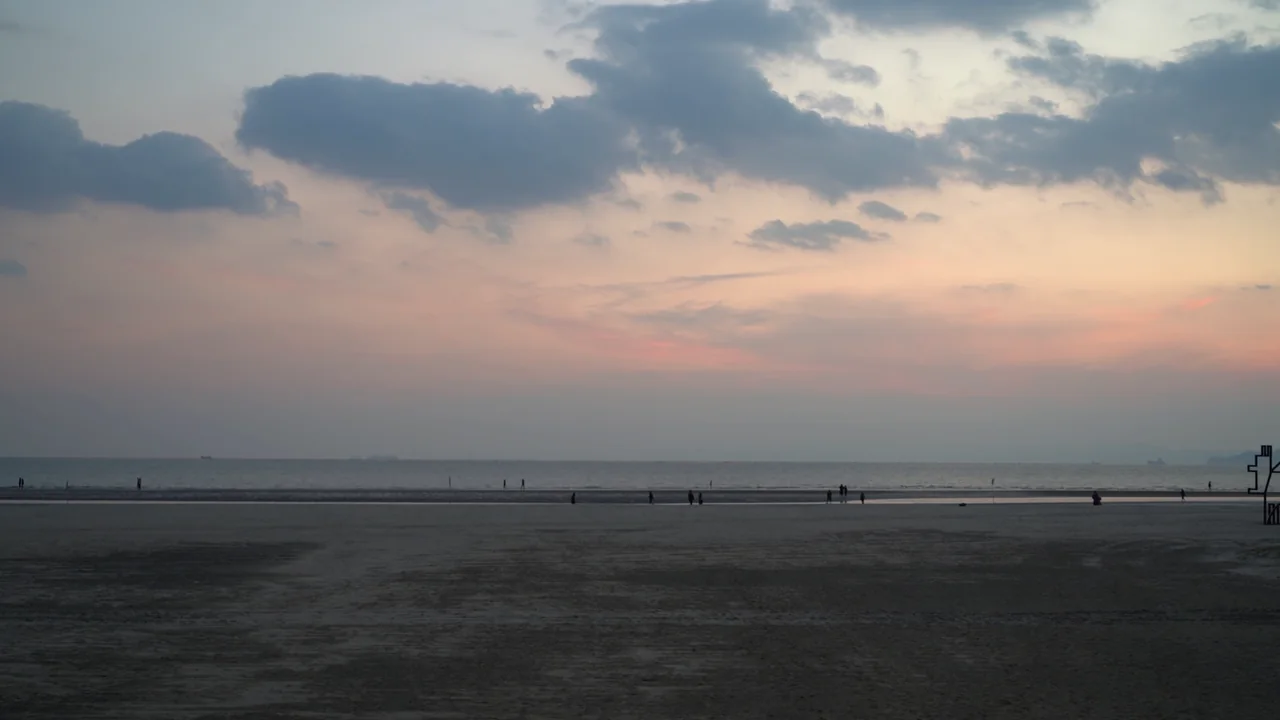
Haeundae and Gwangalli face open water to the east, so the moon comes up over the horizon there. Dadaepo BeachMap and Songdo face west and south, so the moon appears from a different quarter.
6. The Gwangalli drone show runs every Saturday in February
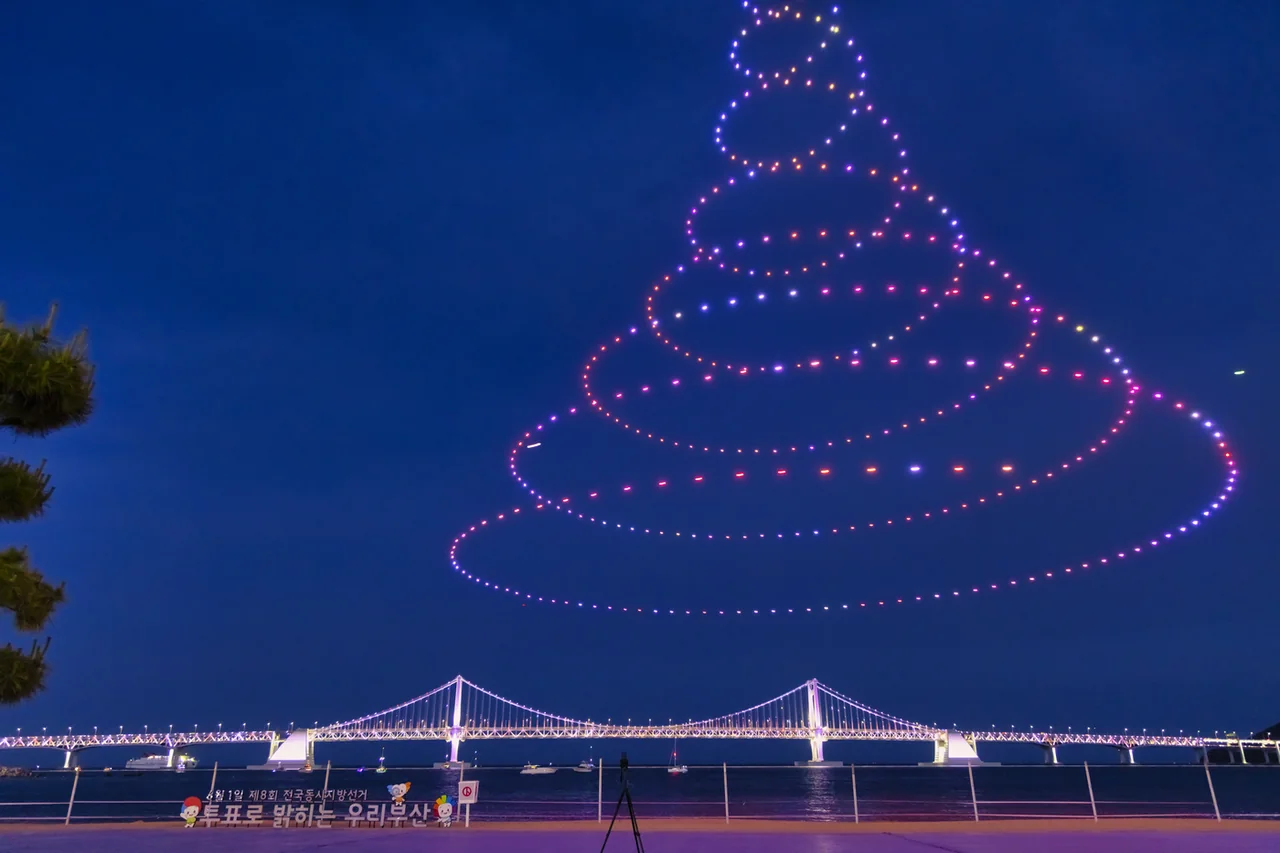
The Gwangalli M Drone Light Show runs every Saturday and lasts about 12 minutes. It is visible from anywhere along Gwangalli Beach. From October to February the winter timetable applies: 19:00 and 21:00, two shows.
Show times and viewing spots are covered in our Gwangalli drone show guide. The Saturdays in February 2027 are the 6th, 13th, 20th and 27th. The first of them, 6 February, is also the first day of the Seollal holiday. The 2027 programme has not been published yet.
The Lunar New Year edition is timed differently
In the most recent edition, February 2026, one Saturday was set aside for a Lunar New Year special. That night had a single show at 20:00 and used 2,500 drones, two and a half times the usual fleet.
| February 2026, previous edition | Shows |
|---|---|
| Saturdays 7, 21 and 28 February | 19:00 and 21:00, two shows |
| 14 February, Lunar New Year special | 20:00 only, 2,500 drones |
On the special night, traffic was closed from the junction in front of the Gwangalli SUP zone to Millak Hoe Town between 19:00 and 21:00. Public Wi-Fi along the beach was also suspended from 17:00 to 21:00, to reduce the network load from the crowd.
Rain or strong wind can cancel or delay a show, sometimes on the day itself. There is a live stream on the Suyeong-gu TV channel on YouTube.
7. The three winter light festivals finish in sequence during February
Busan lights three winter installations, at Haeundae, Seomyeon and Gwangbok-ro. Going by the most recent edition, each finishes on a different date.
| Festival | Previous edition | Lit | Where |
|---|---|---|---|
| Haeundae light festival | Finished 18 January | 18:00-23:00 | Haeundae Beach and around |
| Seomyeon light festival | 13 October to 14 February, 125 days | From dusk | Seomyeon district |
| Gwangbok-ro Winter Light Tree Festival | 5 December to 22 February | 17:30-22:00 | Gwangbok-ro and Gwangbok-jungang-ro, Jung-gu |
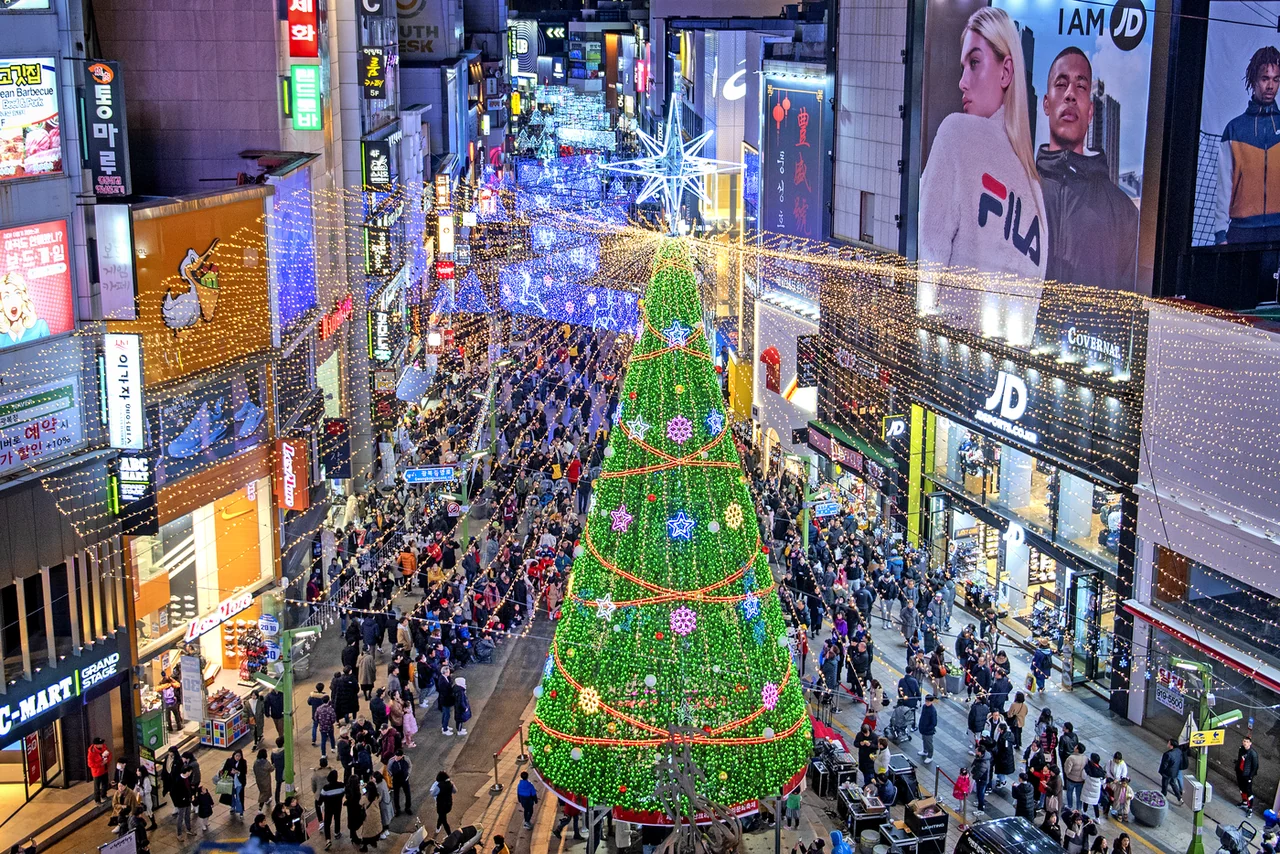
All three are free. Through mid February, Seomyeon and Gwangbok-ro are lit at the same time. After Seomyeon finishes, Gwangbok-ro is the one that remains.
Seomyeon
Busanjin District runs this one, and the most recent edition ran for 125 days. The theme was Light Station, and the installation was divided into five zones covering the main street, the local shopping area, an international zone, a street food zone and a young people’s zone.
The streets involved are Jungang-daero 691beon-gil, Seomyeon-ro and Sincheon-daero 62beon-gil. Seomyeon Station, where Lines 1 and 2 meet, is a short walk away.
Gwangbok-ro
Jung-gu runs this one and it is the last to finish. The lights are on from 17:30 to 22:00. In late February the sun in Busan sets at 18:11, so at 17:30 the sky is still bright.
If the lights are what you came for, arrive after 18:30. From Gwangbok-roMap, Nampo-dong, Gukje Market and Jagalchi Market are all within walking distance, so dinner first and the lights afterwards works well.
8. February has the widest daily temperature swings of any month in Busan
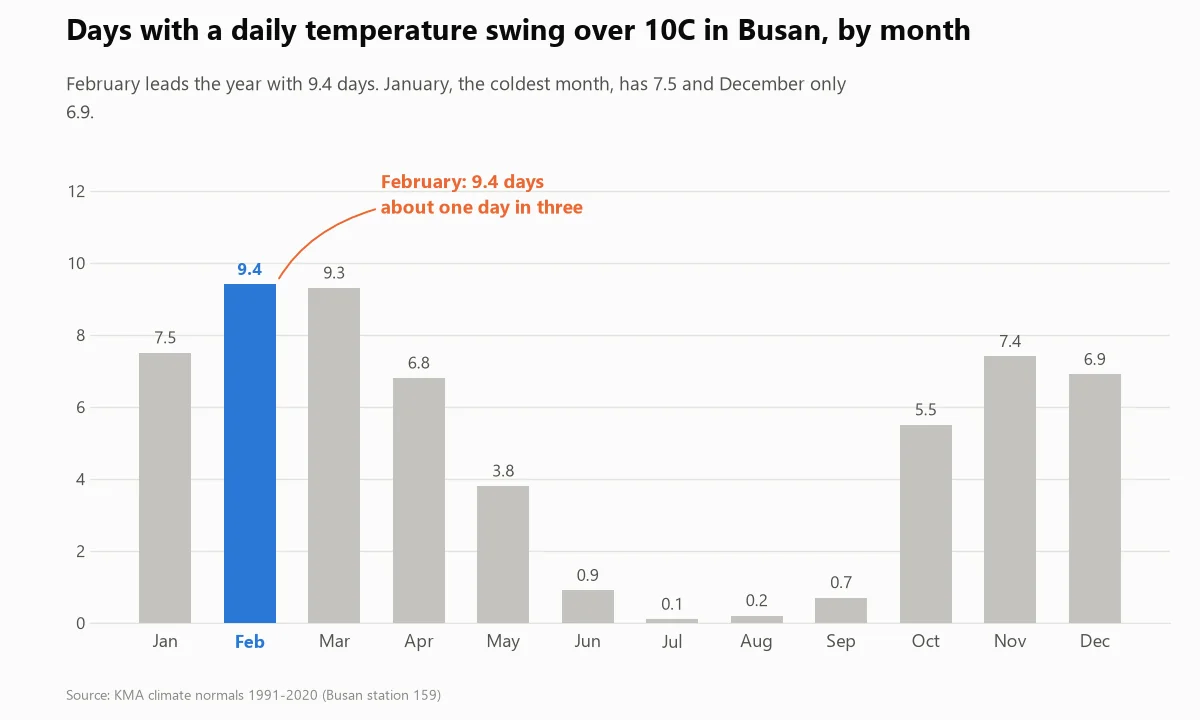
Busan records 9.4 days in February where the temperature moves more than 10C between the daily high and low. That is the highest figure of any month. Out of 28 days, 9.4 works out to roughly one day in three. The source is the Korea Meteorological Administration climate normals for 1991 to 2020, Busan station.
The average daily high is 10.2C and the average night low is 1.5C. The gap of 8.7C is wider than January at 8.3C or March at 8.5C. Seoul in February sits at 8.3C.
Freezing mornings, mild afternoons
| Measure | Busan Feb | Busan Jan | Busan Mar | Seoul Feb |
|---|---|---|---|---|
| Days with a swing over 10C | 9.4 | 7.5 | 9.3 | 7.3 |
| Days with freezing | 14.7 | 21.2 | 4.7 | 24.4 |
| Average daily high | 10.2C | 8.2C | 13.8C | 5.1C |
| Average night low | 1.5C | -0.1C | 5.3C | -3.2C |
| Days with snow | 1.2 | 1.4 | 0.5 | 5.1 |
| Cold wave days | 0.0 | 0.0 | 0.0 | 0.6 |
Freezing is recorded on 14.7 days in February, half the month. Yet the average afternoon high still reaches 10.2C. By March the freezing count drops to 4.7 days, which makes February the last month where frozen mornings are common.
Rain totals 49.6mm across 5.9 days. That is up from January at 34.5mm and well below March at 89.7mm. Snow falls on 1.2 days and there are no cold wave days at all.
Dress for the morning, and be able to take layers off
If you leave at 07:00 and stay out until the evening, the temperature will move close to 10C across your day. Several thin layers you can shed at midday work better than one heavy coat.
Sea wind makes the same reading feel colder. For anything that involves standing on sand for a while, at Haeundae, Gwangalli or Dadaepo, bring a windproof outer layer as well.
Shaded steps and pavements can still be icy early in the morning. If you are starting the day in Gamcheon Culture Village or the slopes around Choryang, wear shoes with grip.
9. Daylight grows by 53 minutes over the month
On 1 February 2027 the sun rises over Busan at 07:23 and sets at 17:52. By 28 February sunrise is at 06:56 and sunset at 18:18. Daylight grows by 53 minutes across the month.
The morning gains 27 minutes and the evening gains 26, so the change is split almost evenly. January added 37 minutes in total, which makes February the faster of the two.
Sunrise and sunset through the month
| Date | Sunrise | Sunset | Daylight |
|---|---|---|---|
| 1 February | 07:23 | 17:52 | 10h 29m |
| 10 February | 07:16 | 18:01 | 10h 45m |
| 20 February | 07:05 | 18:11 | 11h 6m |
| 28 February | 06:56 | 18:18 | 11h 22m |
By late February the sun is still up after 18:00. Civil twilight ends at 18:18 on 1 February and at 18:43 on 28 February.
That extra time is useful for anything outdoors in the late afternoon. It works the other way for night views and illuminations, which need about 25 minutes more waiting at the end of the month than at the start.
10. Plum blossom at Gijang and camellia on Dongbaekseom in February
Inside Busan, the two places to see flowers in February are the Gijang plum garden and Dongbaekseom. Neither is at its peak in February. February is the start of the season, not the middle of it.
Gijang Maehwawon
The address is 445-3 Cheonggang-ri, Gijang-eup, Gijang-gun, Busan. There are around 3,000 plum trees and entry is free.
The important point is that it does not open year round. It opens only while the blossom is out, on set days. In the most recent season those were Fridays, Saturdays, Sundays and some weekdays, from 10:00 to 17:00 with last entry at 16:30.
Blossom starts in mid February and peaks in March. The timing and the opening days shift from year to year, so it may not be open when you arrive in February. Check the Gijang-gun notices before you set out.
There are no toilets and no shop inside Gijang MaehwawonMap. Sort both out nearby before you go in.
Dongbaekseom
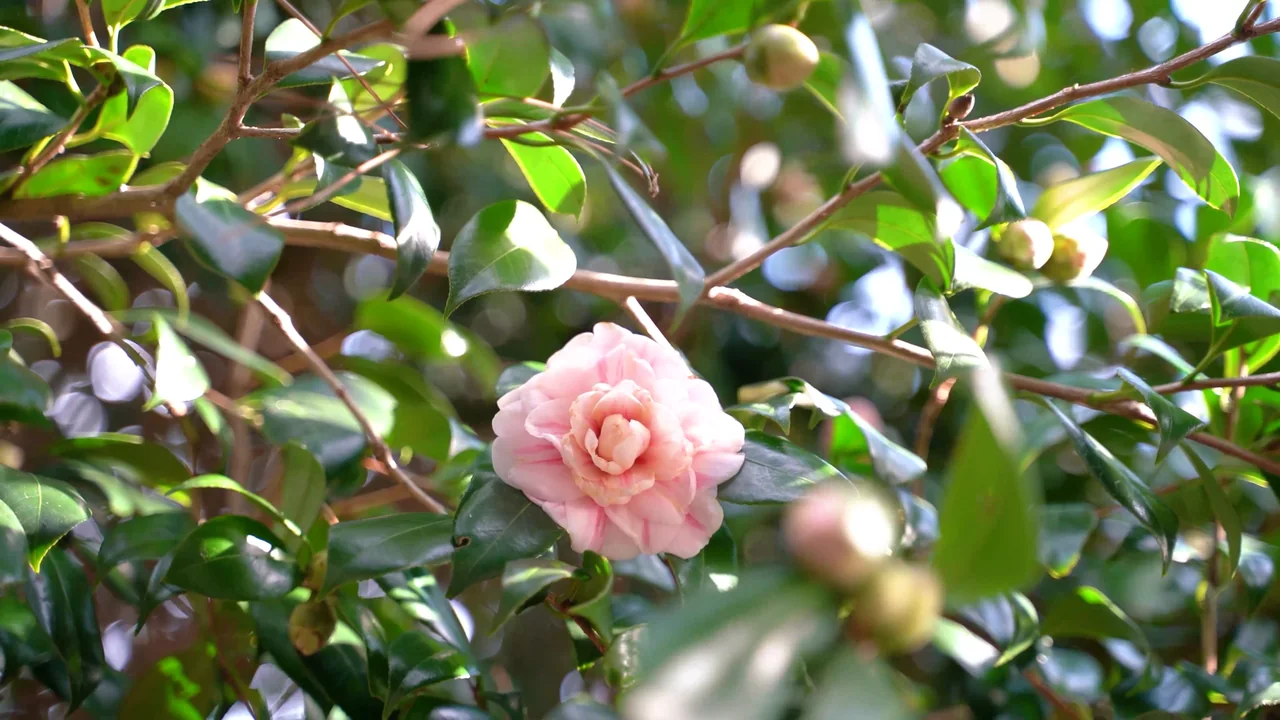
This wooded headland sits at the western end of Haeundae Beach and holds around 20,000 camellia trees, single flowered, double flowered and white. Nurimaru APEC House stands on it.
Camellia opens and drops in waves across the winter, and the peak moves from year to year. You will find trees in flower in February, but no one can name the best week in advance.
The loop path around DongbaekseomMap is flat, so shoes are not much of an issue. You can walk straight on from Haeundae Beach.
11. Gadeok cod is in season only until the end of February
Gadeok cod is eaten from late November to the end of February. Fish caught before spawning are the ones prized. Once March arrives the season is over.
The fishing ground is the Gadeok Channel, the passage through Jinhae Bay between Gadeokdo island in Busan’s Gangseo district and Geoje island. Large fish run to around 10kg, and those are called nurungi locally.
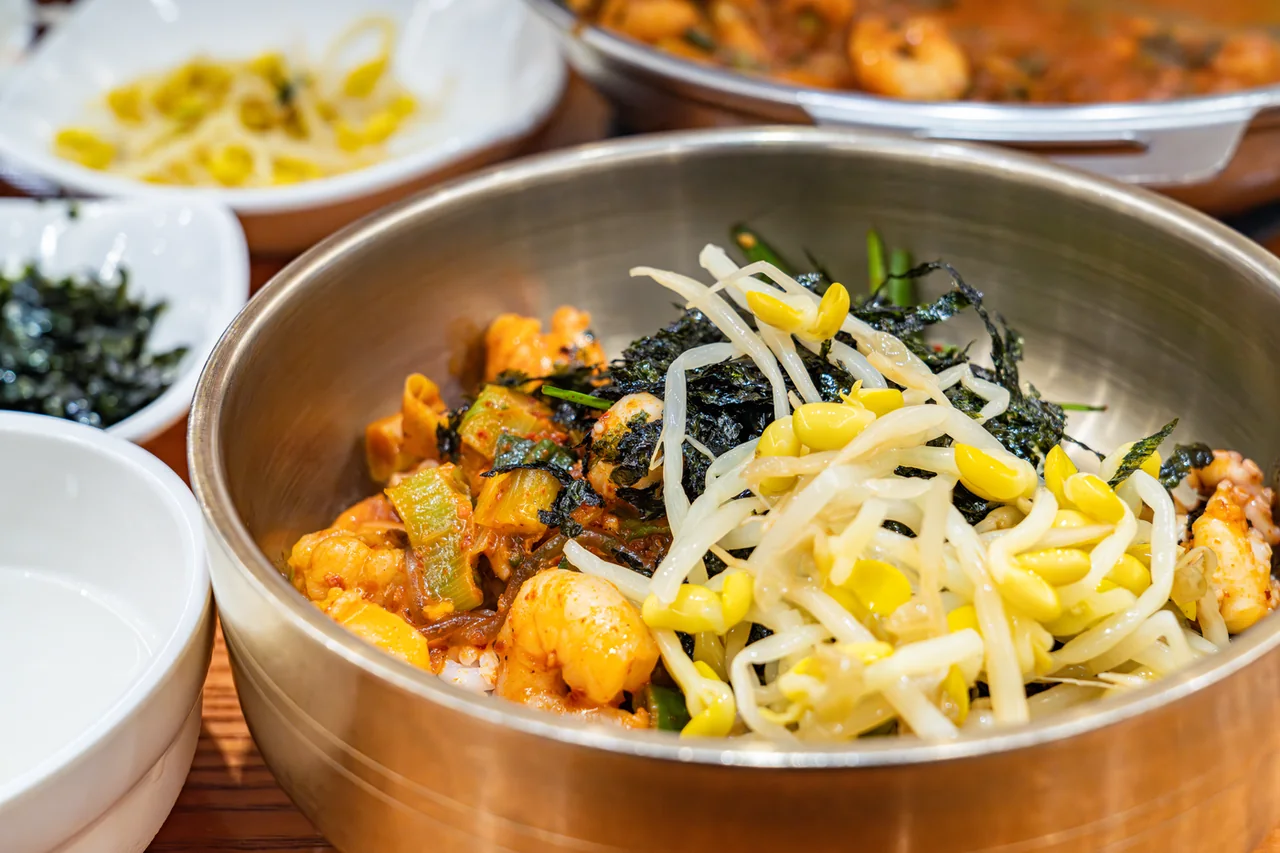
Gadeokdo cod soup
Daegutang is the local dish of Gadeokdo in Gangseo district. Radish is boiled first, then the cod goes in with the roe sac, red chilli and spring onion. It is served clear rather than in a red broth, which is unusual for a Korean fish soup.
Cod was sent to the royal court in the Joseon period. The Sejong Sillok Jiriji, a fifteenth century geographical record, notes it being caught in quantity around Geoje, Changwon, Jinhae, Goseong and Sacheon.
Where to eat it
For the wider picture, see our guide to what to eat in Busan. You do not need to travel to Gadeokdo. Jagalchi Market and the restaurants around it serve cod soup through the winter. Jagalchi runs from 02:00 to 22:00 and closes on the first and third Tuesday of each month.
If you do drive out to Gadeokdo, the route crosses the Geoga Bridge, one of the toll roads covered by the Seollal waiver described above.
12. Which week of February to pick
The weeks of February 2027 are very unlike each other. The holiday sits at the front of the month and Daeboreum falls at the end of the third week.
| Stretch | What is on | Crowds and prices |
|---|---|---|
| 1 to 5 February | Ordinary weekdays before the holiday | Quietest of the month. Room rates are at their lowest |
| 6 to 9 February | The four day Seollal holiday | Busiest. Book rooms and rail seats early |
| 10 to 14 February | Weekdays after the holiday, last week of the Seomyeon lights | Quiet again, and the lights are still on |
| 15 to 21 February | Daeboreum week, nine bonfire events | The beaches fill up over the weekend |
| 22 to 28 February | Gwangbok-ro lights finish, plum blossom begins | Quiet, and the longest daylight of the month |
If you want the city quiet
1 to 5 February and the weekdays after 22 February are the calmest stretches. Neither has a large event. The later of the two gives you more than 40 extra minutes of daylight, which is worth something for a walking itinerary.
If you want the events
Our guide to where to stay in Busan sets out what each neighbourhood is like. Saturday 20 and Sunday 21 February fall in the same weekend. The drone show is on the Saturday and the bonfires on the Sunday. Basing yourself at Gwangalli or Haeundae puts both within walking distance.
13. What changes when March arrives
March lifts the morning cold and brings more rain in exchange. The flowers also come properly into their own from then.
| Measure | February | March |
|---|---|---|
| Days with freezing | 14.7 | 4.7 |
| Average daily high | 10.2C | 13.8C |
| Average night low | 1.5C | 5.3C |
| Rainfall | 49.6mm | 89.7mm |
| Days with rain | 5.9 | 8.3 |
| Days with a swing over 10C | 9.4 | 9.3 |
The morning cold does clear. Freezing days fall from 14.7 to 4.7, under a third of the February figure. Rain goes the other way, from 49.6mm to 89.7mm and from 5.9 wet days to 8.3.
The wide daily swing carries straight over. 9.4 days becomes 9.3, which is effectively the same. The layering advice holds for March too.
March in Busan is the month the blossom takes over. The Gijang plum garden peaks in March. Blossom starts in late February, so if flowers are the reason for the trip, early March beats the last week of February.
For the month before this one see January in Busan, and for all twelve months at once see the best time to visit Busan. Events run the opposite way. The winter lights all finish in late February, and the bonfires are a single day on 21 February. March leaves a gap in Busan’s event calendar.