
Planning Your First Trip to Korea? Start Here
One guide to plan a whole Korea trip — entry rules, the high-speed trains, which cities to pick, where to stay, what to eat and how much it costs, from people who travel here constantly.
| Visa & entry | Most Western visitors, plus Japan, Taiwan and Hong Kong, enter visa-free for 90 days. The K-ETA is waived for 22 countries through 31 Dec 2026 (you still file the free e-Arrival Card). |
|---|---|
| Best time | Mid-April to June and September to November (spring blossoms, autumn foliage). Summer brings monsoon & typhoons; winter is cold with snow up north. |
| Getting around | KTX links Seoul↔Busan in 2h18m. One T-money card works on every city’s metro and buses. |
| Money | Almost cashless and no tipping. Mid-range: ₩100,000–180,000 ($75–135) per person per day. |
| How long | 5 days = Seoul + one city / 7–10 days = add Busan, Gyeongju and Jeju. |
| Key cities | Seoul, Busan, Gyeongju, Jeju, Jeonju, Gangneung. First trip is usually Seoul + Busan. |
| Currency & plug | Korean won (₩), ₩1,000 ≈ $0.75 / 220V, two round pins (type C/F). |
1. Do You Need a Visa? K-ETA & Entry in 2026
2. When to Go: Seasons & Weather
3. Festivals & Events Calendar 2026
4. Where to Go: Korea’s Best Cities & Regions
5. How Long to Stay & Sample Itineraries
6. Pick a Theme: Routes by What You Love
7. Getting Around Korea: Trains, Flights & Cards
8. From the Airport to the City: Incheon, Gimpo & Gimhae
9. Money: Cards, Cash & the No-Tip Culture
10. Staying Connected: SIM, eSIM & WiFi
11. The Apps You Actually Need
12. Where to Sleep: Types of Accommodation
13. What to Eat: Korean Food 101
14. K-Culture Pilgrimage: K-pop & K-drama Spots
15. Shopping & the Tax Refund
16. Culture & Etiquette: Know Before You Go
17. Handy Korean Phrases
18. How Much Does a Korea Trip Cost?
19. First-Timer Mistakes to Avoid
20. Safety & Practical Essentials
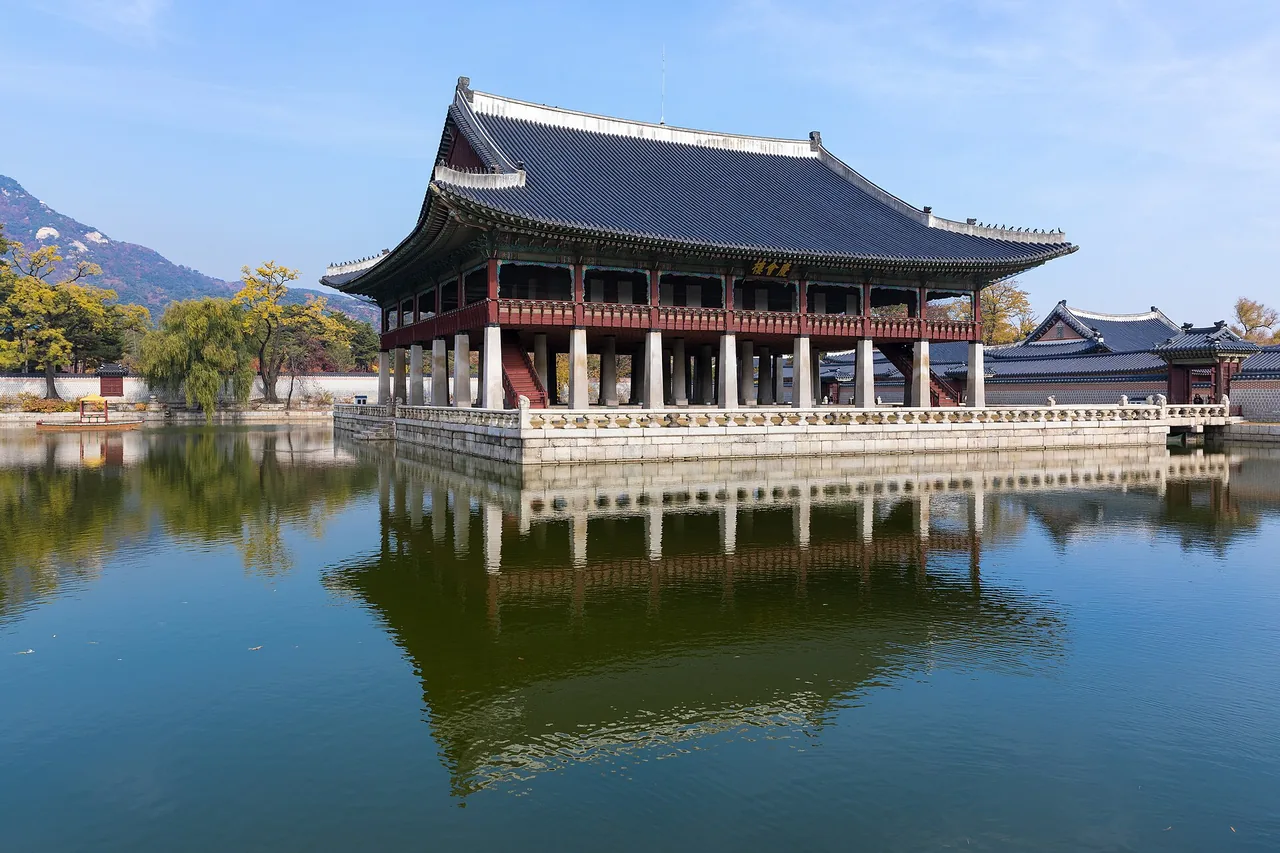
South Korea packs an astonishing amount into a country the size of a small US state: glass-and-neon megacities, 1,000-year-old temples, volcanic islands, mountain national parks and one of the most exciting food scenes on earth — all stitched together by trains so fast and punctual they feel like teleportation. It’s also one of the safest, cleanest and most effortless places in Asia to travel independently, even with zero Korean. This master guide is the big picture — how to get in, when to come, which cities to choose, how to move between them, where to sleep, what it costs and how not to embarrass yourself at dinner — and it links down to our in-depth city and topic guides (we cover Busan in obsessive detail) so you can plan the whole trip from one page.
1. Do You Need a Visa? K-ETA & Entry in 2026
For most travellers, entering Korea in 2026 is refreshingly simple — and this year it’s easier than usual.
- Visa-free entry: citizens of the US, UK, Canada, Australia, New Zealand, most of the EU, Japan, Taiwan, Hong Kong, Singapore and many more visit visa-free for tourism (typically 30–90 days).
- K-ETA waived through 2026: Korea has suspended the K-ETA requirement for 22 countries and territories until 31 December 2026 (the US, UK, Australia, Canada, New Zealand, Japan, Taiwan, Hong Kong, Macao, Singapore, and 12 European countries). Travellers from those places enter without applying for — or paying for — a K-ETA.
- You still need the e-Arrival Card: if you skip the K-ETA, fill in the free online e-Arrival Card (within 3 days before arrival). If you’d rather not, you can optionally buy a K-ETA (~₩10,000) which exempts you from the arrival card.
- Passport: valid for the duration of your stay; no onward-ticket checks for most nationalities, though it’s wise to have one.
2. When to Go: Seasons & Weather
Korea has four sharp seasons, and the month you choose changes the whole trip. The two shoulder seasons are the clear winners.
| Months | Season | What to expect |
|---|---|---|
| Mar–Apr | Spring | ⭐ Cherry blossoms (Jeju & the south late Mar, Seoul early Apr). Cool mornings, glorious afternoons. |
| May–Jun | Late spring | ⭐ Warm, dry and green — arguably the best all-round window before the rains. |
| Jul–Aug | Summer | Hot & humid. The jangma monsoon hits late Jun–Jul; Aug–Sep can bring typhoons. Beach & festival season. |
| Sep–Nov | Autumn | ⭐ Crisp blue skies; fiery foliage peaks late Oct–Nov. The most photogenic season. |
| Dec–Feb | Winter | Cold & dry; snow and ski resorts up north. The south (Busan) stays far milder. |
Rule of thumb: come in April–June or September–November for the best weather. The country is more north–south than people expect — Seoul winters bite, while Busan on the south coast is mild enough to walk the beach in January. For the full month-by-month breakdown with cherry-blossom and foliage dates, see our best time to visit Korea guide; for the south coast specifically, see Busan by season.
3. Festivals & Events Calendar 2026
Lining your dates up with a festival is one of the easiest ways to make a Korea trip unforgettable.
| When | Event | Where & why |
|---|---|---|
| Late Mar–early Apr | Cherry Blossom season | Jinhae (the country’s biggest), Seoul’s Yeouido, Gyeongju — pink everywhere. |
| May | Lotus Lantern Festival (Buddha’s Birthday) | A lantern parade through central Seoul — a UNESCO intangible heritage. |
| Jul | Boryeong Mud Festival | Daecheon Beach: Korea’s most famous (and messiest) summer party. |
| Sep 25 (Chuseok) | Chuseok holiday | Korea’s biggest family holiday — half the country travels home. Check closures and transport before you plan around it. |
| Oct | BIFF — Busan International Film Festival | Asia’s leading film festival; the city buzzes for ~10 days. |
| Oct | Andong Mask Dance & Jinju Lantern | Heritage festivals in the historic interior — deeply traditional, very photogenic. |
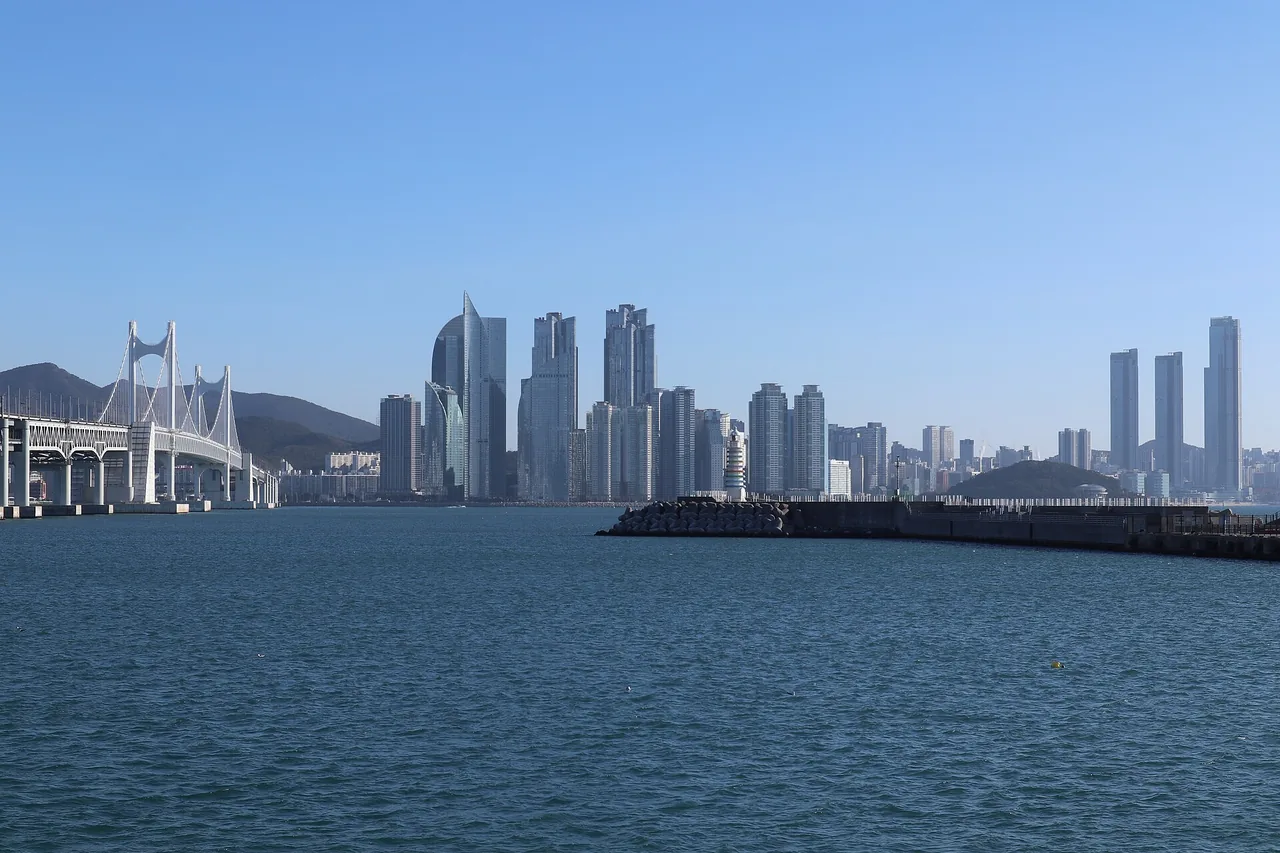
| Nov 15 | Busan Fireworks Festival | Gwangalli Beach under Gwangan Bridge — the south’s biggest night. |
| Nov–Dec | Seoul Lantern Festival | Cheonggyecheon stream lit up through the cold months. |
4. Where to Go: Korea’s Best Cities & Regions
You can’t see all of Korea in one trip, so pick a main route, usually Seoul plus one or two other cities on the KTX line. Here’s the honest shortlist. Daegu is covered in the Daegu travel guide: a walkable district of early modern buildings downtown, with bus Express 1 running up to Donghwasa every 13 minutes.
🏙️ Seoul
The capital and the obvious start: palaces, hanok lanes, mega-malls, street food, nightlife and day trips to the DMZ. Give it 3–4 days. Next to Seoul is Incheon, where the island with the airport and the mainland with the old open port sit across water from each other, so what you cross on decides the day.
🌊 Busan
The summer capital and our home turf — real beaches, a seaside temple, hillside art villages and Korea’s best seafood, all on a clean metro. See our full Busan travel guide.
🏯 Gyeongju
The “museum without walls” — royal tombs, Bulguksa temple and Silla-dynasty history, an easy hop from Busan. Our Gyeongju day trip covers it. If a day is not enough, the Gyeongju travel guide covers the tombs and Cheomseongdae, Bulguksa and Seokguram, what to eat and how to get around.
🌋 Jeju Island
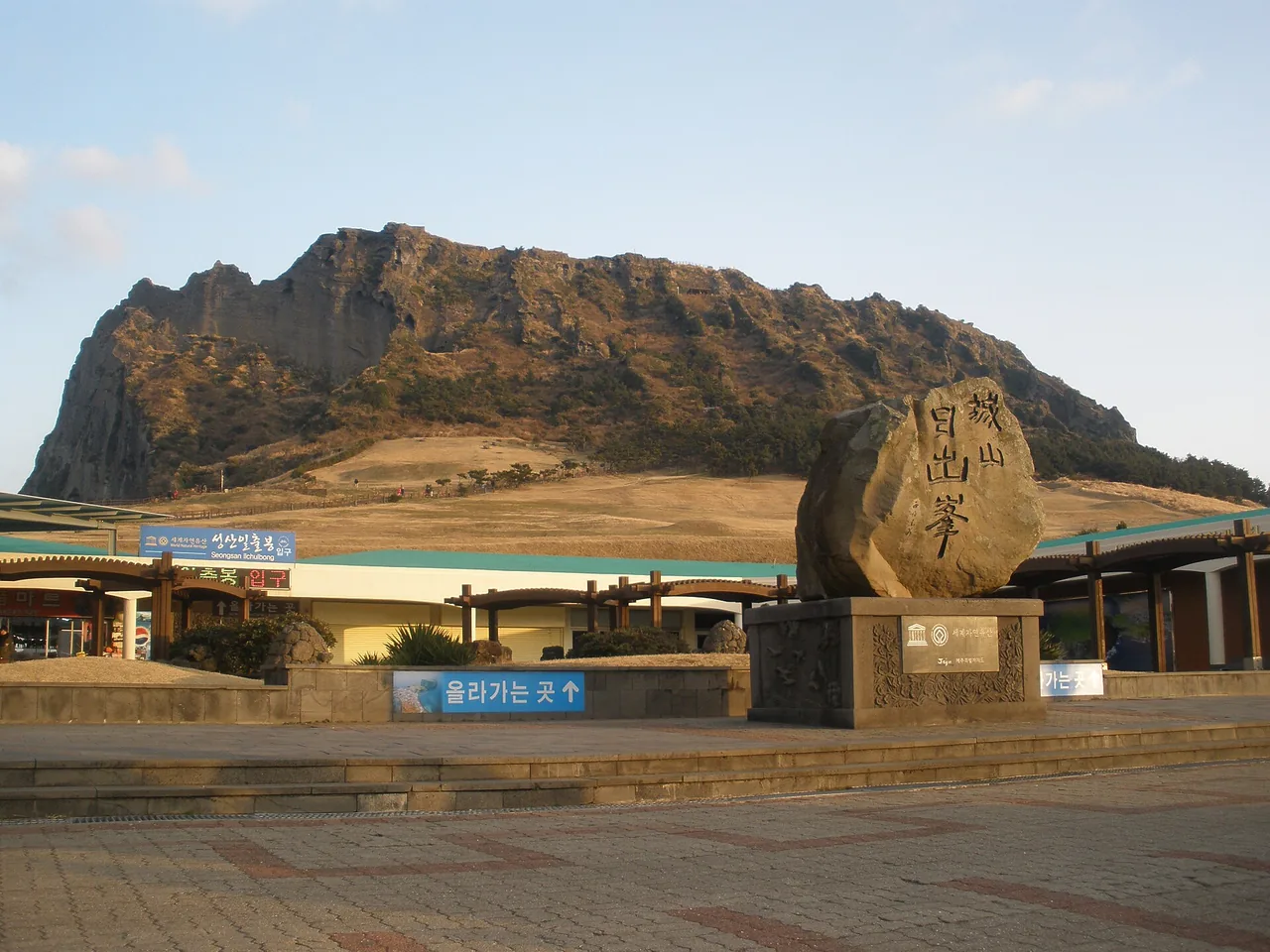
Korea’s volcanic “Hawaii”: craters, waterfalls, coast walks and the sunrise peak of Seongsan Ilchulbong. A short domestic flight from anywhere. Our Jeju guide covers whether to base yourself on the north or the south coast.
🍲 Jeonju
A preserved hanok village and the spiritual home of bibimbap — the country’s best city for a pure food-and-tradition stop. Further down on the south coast is Yeosu, where close to half of what there is to see sits on islands you reach by boat. The Jeonju travel guide sets out what connects on foot inside the Hanok Village, what Gyeonggijeon costs and when it opens, and what to eat at Nambu Market.
⛰️ Gangneung & Sokcho
East-coast beaches and Seoraksan’s granite peaks, ~2 hours from Seoul by KTX. Best in autumn for the foliage. Our Gangneung guide covers where to stay along that coast and what it costs. Sokcho, right beside Seoraksan, has no railway and is reached from Seoul by bus. In winter this is also where the ski resorts are. We compare the nine in Gangwon by travel time from Seoul and by size.
Most first-timers do Seoul + Busan (linked by a 2h18m train) and add Gyeongju or Jeju if they have a week or more.
5. How Long to Stay & Sample Itineraries
Korea rewards a slower trip, but it’s also brilliantly efficient — the trains make multi-city routes painless.
| Trip length | Suggested route |
|---|---|
| 5 days | Seoul (3) + Busan (2) by KTX — the classic first taste of Korea. |
| 7 days | Seoul (3) + Gyeongju (1) + Busan (3) — history and coast in one clean southbound line. |
| 10 days | Seoul (3) + Jeonju (1) + Busan (3) + Jeju (3, by short flight) — the full spectrum. |
Because the main cities sit on one rail line, a smart move is to go Seoul → south → fly home from Busan (Gimhae) (or the reverse) so you never backtrack. Once you’re in Busan, our 2-day Busan itinerary — or the more relaxed 4-day version — maps the days out hour by hour.
6. Pick a Theme: Routes by What You Love
“What you go for” matters as much as “where you go.” Build the route around what you love and the same five days feel completely different.
🍜 Food trip
Jeonju (bibimbap, hanjeongsik) → Busan (pork soup, raw fish, cold noodles) → Seoul (markets, old-timers, Michelin). Each city has a signature dish, so an eat-your-way route is the easiest to build.
🎤 K-pop & K-drama
Base in Seoul (Hongdae, Seongsu, the agency district, drama locations) and add a day in Busan (Cinema Center, Gamcheon). The trick: lock in your concert or fanmeeting date first, then fit the cities around it.
🏯 History & tradition
Seoul’s palaces → Gyeongju (Silla) → Andong (Hahoe village, Confucian academies) → Jeonju’s hanok village. Renting a hanbok to wander the palaces is great for both photos and atmosphere.
🌿 Nature & slow travel
Seoraksan & the Gangneung coast → Jeju (Olle trails, volcanic cones, waterfalls) → Busan’s coastal walks. Loveliest in autumn (Oct–Nov) or early summer (May–Jun).
👨👩👧 Family
Seoul (Lotte World, science museums) → Busan (aquarium, beach train, cable car). Short hops and a mix of indoor and outdoor keep kids happy.
🛍️ Shopping & beauty
Seoul’s Myeongdong, Seongsu and The Hyundai → Busan’s Seomyeon and Shinsegae Centum City. If you’re chasing K-beauty and fashion, mind the duty-free and tax refund (see the shopping section).
Want to dig into what to do in Busan specifically? See things to do in Busan and our activities round-up.
7. Getting Around Korea: Trains, Flights & Cards
This is where Korea quietly shines. You almost never need to rent a car.
🚄 KTX & SRT
High-speed rail links the country. Seoul→Busan in ~2h18m (KTX standard ~₩59,800; the SRT runs the same line from Suseo for ~₩52,600). Book on Korail or at the station.
✈️ Domestic flights
Mainly for Jeju (the Gimpo–Jeju route is the world’s busiest). Cheap and quick; book budget carriers ahead.
🚌 Intercity buses
Reach towns the trains miss, often cheaper than rail. Comfortable “udeung” express coaches on long routes.
🚇 City transit
Seoul, Busan, Daegu, Gwangju and Daejeon all have clean, English-signed metros. A single ride is ~₩1,400–1,550.
Buy one rechargeable T-money (or Cashbee) card at any convenience store on day one. It works on every city’s metro and buses nationwide, on intercity buses, in taxis and even to pay at shops — tap on, tap off, done. How to recharge it and handle transfers is in our transit card guide; for ride-hailing without the language barrier, use the Kakao T app.
8. From the Airport to the City: Incheon, Gimpo & Gimhae
Most people arrive at Incheon (Seoul) or Gimhae (Busan). Getting from arrivals into town is the first hurdle — and honestly, Korea has this part down.
| Airport | To the city | Best option |
|---|---|---|
| Incheon (ICN) | Central Seoul ~1 hour | AREX airport train (express/all-stop), or an airport limousine bus. Lots of luggage? A van or Kakao T. |
| Gimpo (GMP) | Central Seoul ~30–40 min | Metro lines 5 & 9, or AREX. Mostly domestic and some international flights. |
| Gimhae (PUS) | Central Busan ~40–50 min | Light rail + metro, or a limousine bus. Full detail in the Busan guide. |
One tip: the moment you land, switch on your SIM/eSIM (see the internet section) and top up a T-money card at a convenience store — after that you just follow the map app. Arriving late at night? Check the last AREX train and limousine times first, and if they’ve stopped, grab a taxi with Kakao T.
9. Money: Cards, Cash & the No-Tip Culture
Korea is one of the most cashless societies on earth, and that makes spending easy.
- Cards everywhere: Visa/Mastercard are accepted at almost all shops, restaurants, cafés and convenience stores. A foreign-friendly tap card or Apple/Google Pay covers most of a trip.
- No tipping: you do not tip in Korea — not in restaurants, taxis or hotels. The price you see is the price you pay; trying to tip can cause confusion.
- Some cash still helps: traditional markets, street-food stalls and a few small eateries are cash-only. Withdraw won from a “Global” ATM (at convenience stores, banks and airports) as you go.
- Currency: the Korean won (₩, KRW). Rough mental math: ₩1,000 ≈ $0.75.
Full details — exchange tips, which ATMs take foreign cards, tax-free shopping — are in our Korea money guide.
10. Staying Connected: SIM, eSIM & WiFi
You’ll want data from the minute you land — Korea runs on apps for maps, payments and translation.
- eSIM (easiest): if your phone supports it, install a Korean eSIM before you fly and you’re online the second you turn the phone on at the airport.
- Physical SIM: pick one up at the airport arrivals hall or order ahead — unlimited-data tourist plans are cheap and instant.
- Pocket WiFi: worth it only for groups sharing one device; otherwise an eSIM is simpler.
- Free WiFi is widespread (metro, cafés, malls), but you’ll still want your own data for navigation and Kakao T.
We compare the best options, prices and providers in our Korea SIM & eSIM guide.
11. The Apps You Actually Need
Download these before you arrive — they’re the difference between a smooth trip and a frustrating one.
🗺️ Naver Map / KakaoMap
Use these, not Google Maps — Korea restricts mapping data, so Google is poor for walking and transit here. Both have English. See Naver vs Kakao Map.
🚕 Kakao T
Korea’s Uber — call a taxi, pay in-app, no Korean needed.
🗣️ Papago
Naver’s translator beats Google for Korean — text, voice and photo-menu translation.
💬 KakaoTalk
The national messenger; some bookings and shops use it to reach you.
Our full Korea travel apps guide has the complete starter kit, including delivery and payment apps.
12. Where to Sleep: Types of Accommodation
Korea has a stay for every budget, and the type you pick colours the whole trip. Here they are, cheapest first.
| Type | Best for | Per night (approx.) |
|---|---|---|
| Guesthouse / hostel | Backpackers, solo travel, meeting people | ₩20,000–50,000 |
| Motel / business hotel | Value, clean, near a station | ₩50,000–100,000 |
| Hanok stay | A night in a traditional house (Jeonju, Bukchon, Gyeongju) | ₩80,000–200,000 |
| Jjimjilbang | Late arrivals, rock-bottom price, bath + sleep | ₩10,000–20,000 |
| 4–5★ hotel / resort | Comfort, sea views, families | ₩150,000+ |
With accommodation, location is 80% of it. Stay within a 5–10 minute walk of a metro station and your days get much easier. In Busan, which neighbourhood you pick really matters — the pros and cons of each are in where to stay in Busan.
13. What to Eat: Korean Food 101
Eating may be the single best reason to come. Korean food is bold, communal, endlessly varied — and cheap by Western standards.
- The classics: Korean BBQ (grill-your-own pork belly or beef), bibimbap, bulgogi, tteokbokki (spicy rice cakes), kimchi-jjigae and naengmyeon (cold noodles in summer).
- Banchan: every meal comes with free little side dishes — kimchi and more — refilled on request.
- Regional pride: Jeonju for bibimbap, Jeju for black pork and fresh seafood, and Busan for a seafood scene all its own — see what to eat in Busan.
- How to eat cheap & well: traditional markets, gimbap and bunsik (snack) shops, and the legendary convenience stores.
14. K-Culture Pilgrimage: K-pop & K-drama Spots
More and more people come to Korea for K-pop and the dramas. If you have a favourite group or show, simply standing where it happened makes the trip special.
- K-pop: the idol-agency cafés and merch shops of Seongsu and Hongdae, Gangnam’s “K-Star Road”, and concert venues like Gocheok Dome and Olympic Park. A music-show taping or fanmeeting can become the very date your trip is built around.
- K-dramas & film: Seoul’s palaces, Namsan Tower and the Han River; in Busan the Gamcheon Culture Village and Cinema Center; and locations scattered nationwide. Chasing scenes from a show you love makes a great route.
- Variety & mukbang shrines: the old restaurants and markets featured on TV draw Korean queues too. Go at opening or on a weekday to skip the wait.
Pilgrimage spots cluster in Seoul, with Busan adding its film and drama backdrops. If you’re holding concert or event tickets, build the city order around that date.
15. Shopping & the Tax Refund
Korea is strong on K-beauty, fashion and souvenirs — and as a foreigner you can claim tax back, so a little know-how saves real money.
- What to buy: cosmetics and skincare (Olive Young), fashion and accessories (Seongsu, Myeongdong, Dongdaemun), edible souvenirs like seaweed, red ginseng and snacks, and in Busan Seomyeon, Gukje Market and Shinsegae Centum City.
- What the tax refund is: at “Tax Free” stores, spending above a threshold (usually ₩15,000) gets you VAT and other taxes back. Show your passport at checkout and take the refund slip.
- How to claim it: ① immediate in-store refund (small amounts come off on the spot) or ② airport refund (at kiosks/counters before you fly). Downtown refund kiosks are spreading too.
| Area | Strength |
|---|---|
| Seoul: Myeongdong & Seongsu | K-beauty, fashion, trends. Great for foreigners and refunds. |
| Seoul: Dongdaemun | Late-night shopping and wholesale. Fashion and fabric. |
| Busan: Seomyeon & Centum City | Department stores plus street shopping in one. Shinsegae Centum City is among the world’s largest. |
| Traditional markets | Food plus souvenirs — bring cash. |
16. Culture & Etiquette: Know Before You Go
Korea is forgiving of foreigners, but a few small gestures go a long way and help you read situations.
- Shoes off in homes, many guesthouses, temple halls and some traditional restaurants (you’ll sit on the floor).
- Two hands when giving or receiving money, cards, gifts or drinks — a sign of respect, especially to elders.
- Age and hierarchy shape manners; deferring to elders is the norm. On the subway, leave the pink/priority seats free.
- Quiet in transit: phone calls on trains and buses are frowned on; keep your voice down.
- Tattoos, etc.: generally fine in cities; some bathhouses (jjimjilbang) and pools may still restrict large visible tattoos.
None of this is a test — Koreans are warm and genuinely helpful to lost travellers. A bow of the head and a “gamsahamnida” (thank you) opens every door.
17. Handy Korean Phrases
English goes a fair way, but a word in Korean changes the reception you get. Just read it as written.
| Korean | Say it like | Meaning |
|---|---|---|
| 안녕하세요 | an-nyong-ha-se-yo | Hello |
| 감사합니다 | gam-sa-ham-ni-da | Thank you |
| 얼마예요? | ol-ma-ye-yo | How much is it? |
| 이거 주세요 | i-go ju-se-yo | This one, please (ordering) |
| 화장실 어디예요? | hwa-jang-sil o-di-ye-yo | Where’s the toilet? |
| 맛있어요! | ma-shi-sso-yo | It’s delicious! |
| 괜찮아요 | gwen-cha-na-yo | It’s okay / no thanks |
18. How Much Does a Korea Trip Cost?
Korea sits between cheap Southeast Asia and pricey Japan — and you control the dial.
| Style | Per person / day | Roughly |
|---|---|---|
| Backpacker | ₩70,000–100,000 | $50–75 — hostels, markets, metro, free sights. |
| Mid-range | ₩130,000–230,000 | $100–170 — 3-star hotels, restaurants, the odd taxi & paid attraction. |
| Comfort | ₩300,000+ | $225+ — 4–5-star stays, fine dining, private tours. |
Big one-offs to budget separately: flights, the KTX between cities (~₩60,000 each long hop) and any domestic flight to Jeju. Accommodation and intercity transport are your biggest levers; food and city transit are remarkably cheap. For a worked example you can copy, see our Busan guide‘s budget section.
19. First-Timer Mistakes to Avoid
Korea is an easy place to travel, but first-timers tend to trip over the same things. Know them in advance and you’ll skip them.
- Relying on Google Maps. It’s unreliable for walking and transit here. Install Naver Map or KakaoMap before you go.
- Exchanging too much cash. Cards work almost everywhere, so there’s no need to change a big wad up front. A little for markets, the rest from local ATMs.
- Trying to tip. Korea is no-tip — don’t leave change on the table.
- Not booking KTX or popular restaurants. Weekend KTX sells out and TV-famous spots have queues. Reserving ahead saves hours.
- Over-packing the itinerary. Cram too much into a day and you just commute. Basing in one city for a few days and going deep is more satisfying.
- Misjudging seasonal clothes. Spring and autumn swing hot-to-cold; summer indoor AC is fierce. A thin jacket earns its place year-round.
20. Safety & Practical Essentials
Korea is one of the safest countries you’ll ever visit — solo travellers and women routinely report feeling at ease late at night.
- Emergency numbers: 112 police, 119 fire & ambulance, and the superb 24-hour multilingual 1330 Korea Travel Hotline (call or text for help with anything, in English).
- Power: 220V, two-round-pin plugs (type C/F) — the same as continental Europe. Bring an adapter.
- Tap water is safe to drink, though many locals prefer filtered or bottled.
- Health: pharmacies (yakguk) are everywhere; convenience stores stock basic meds. Travel insurance is still wise.
- Smoking is banned in most indoor public spaces; use designated areas.
🎡Things to Do72
🍜Food8
🏨Where to Stay4
🚇Getting Around12
🧭Travel Tips24
📌More3
South Korea FAQ
🌊 Ready to go deeper? Start with our complete Busan travel guide →