The Best Photo Spots in Busan for Sunset & Night Shots
A coastal city of bridges, beaches and mountains, Busan is made for photos. Here are the best sunset, night-skyline and sunrise spots — where to stand, and when to go.
Last Updated: June 2026
The short version
For night skylines, head to Marine City and The Bay 101 (skyscraper reflections) and the Gwangan Bridge at Gwangalli.
For the biggest panorama, climb to Hwangnyeongsan — the whole city and bridge spread out below, best at dusk.
For sunsets, the west coast wins: Dadaepo Beach (and its Sunset Fountain) and Amisan Observatory.
Shoot at blue hour (the ~30 min after sunset) for glowing skies and lit buildings — and check sunset time and spot hours in a maps app first.
Busan is one of Korea’s most photogenic cities: a long coastline of beaches and cliffs, a skyline of glassy towers, a famous lit-up bridge, and hills you can climb for the whole view at once. Whether you want a glowing sunset, a sparkling night skyline, or a quiet sunrise over the sea, there’s a spot for it. This guide rounds up the best, organised by what you’re shooting — night views, sunsets, sunrises and the iconic daytime scenes — with the timing tips that make the difference. Pair it with our complete Busan Travel Guide to slot these into your days. Working out how the fountain show, the sunset and the Molundae exit deadline fit together is covered in our Dadaepo guide.
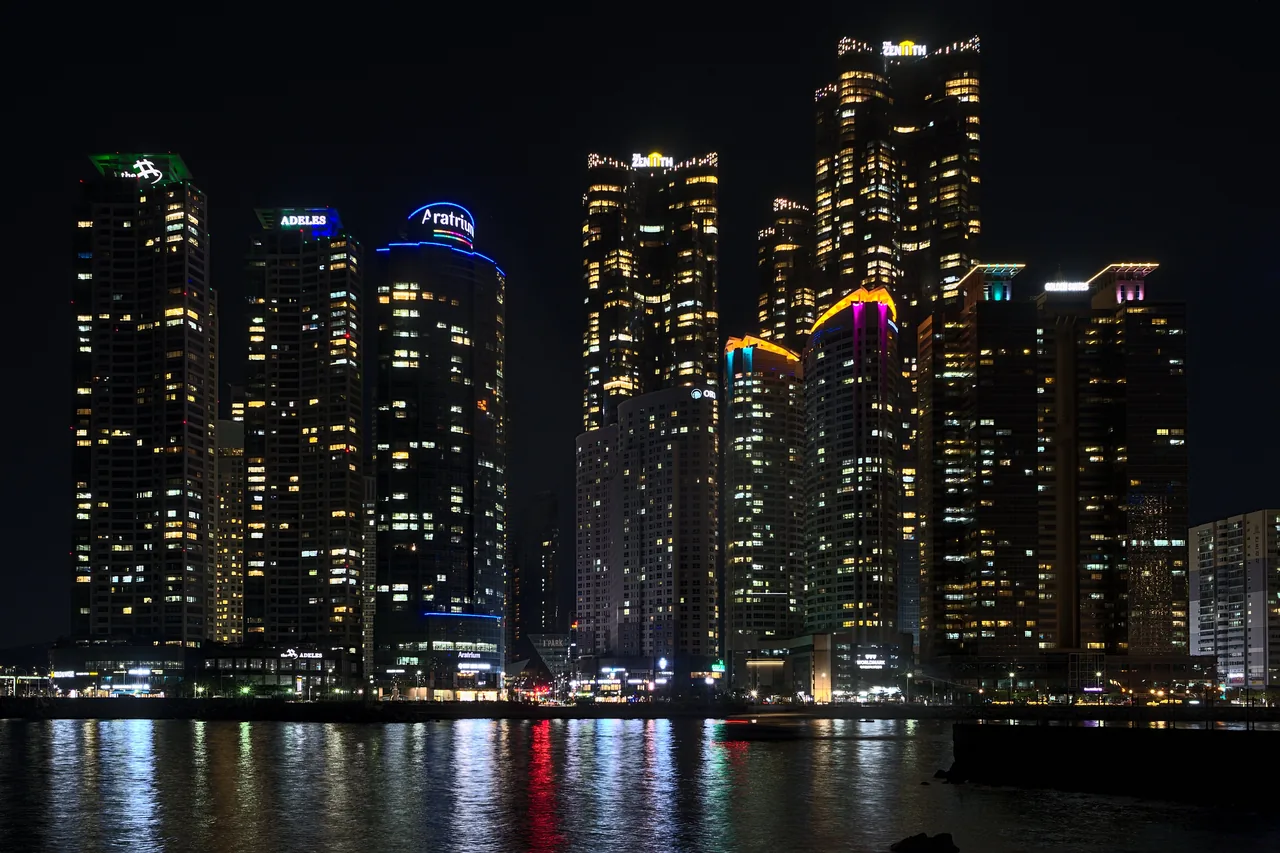
Marine City’s glowing towers are Busan’s signature night-skyline shot. (Photo: Jeena Paradies, CC BY 2.0)
1. Why Busan is a photographer’s city
Few cities give you sea, mountains and a modern skyline in such a tight space. In one day you can shoot a sunset over the open sea in the west, a neon skyline mirrored in water in the east, and a hillside of pastel houses in between. The light is the secret weapon: the blue hour just after sunset turns the sky deep blue while the buildings and bridge switch on.
This guide is organised by the shot you want — night skyline, sunset, sunrise, and the iconic daytime scenes — so you can build a route around the light rather than the map.
Golden rule of timing: arrive ~30 minutes before sunset and stay ~30 minutes after. That window — golden hour into blue hour — is when both the sky and the city lights look their best.
2. The best spots at a glance
Here’s the quick map of where to go for what, and when:
Check before you go: opening hours, fountain show times and last-bus times change with the season. Look up each spot in KakaoMap or Naver Map for current details and the exact sunset time on the day.
3. Night skylines & the lit bridge
Busan’s after-dark scenes are its signature. For glittering towers and a famous bridge:
Marine City & The Bay 101 — the cluster of seafront skyscrapers in Haeundae. The classic shot is from The Bay 101, where the towers reflect in the still water by the marina — Busan’s most-photographed night view. Best at blue hour.
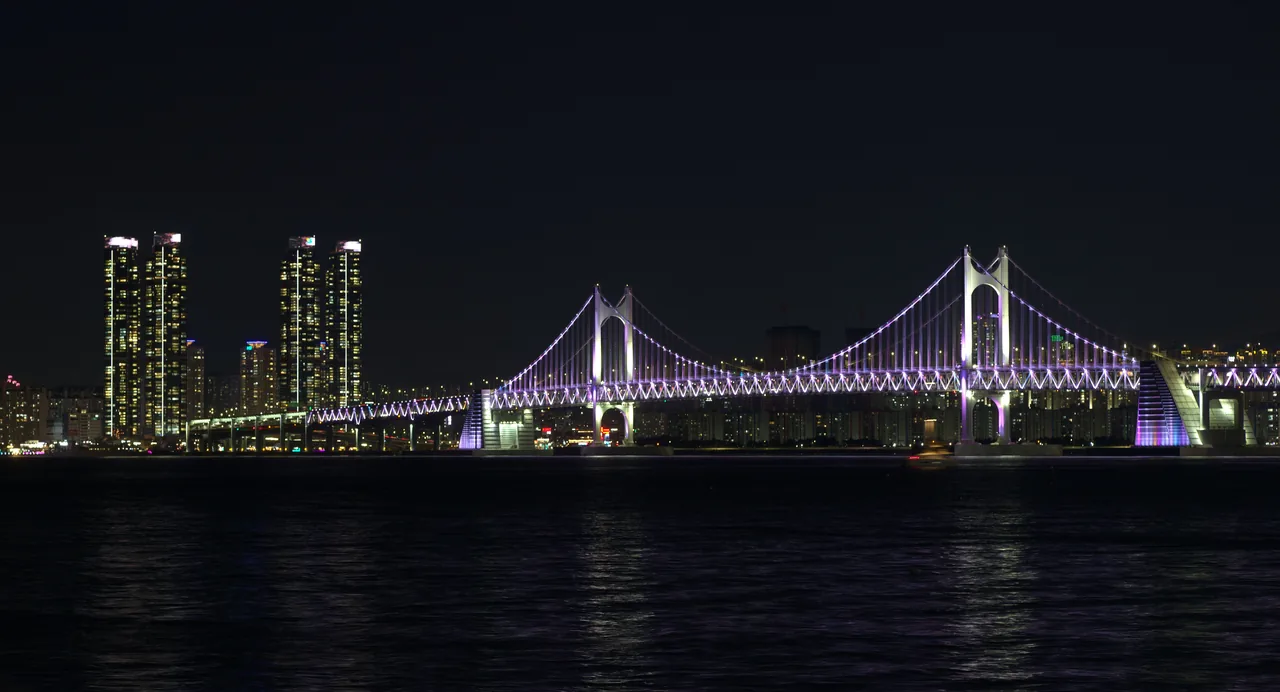
Gwangalli Beach & the Gwangan Bridge — the long suspension Gwangan (Diamond) Bridge lights up over the beach; shoot from the sand with the cafes behind you. There’s often a drone light show on weekends.
Hwangnyeongsan — a mountain right in the city with an observation deck near the old beacon (Bongsudae). From the top you get the entire city and the bridge in one frame — the ultimate panorama, and stunning at dusk.
For the reflection shot: at The Bay 101, go on a calm evening — still water = a cleaner mirror image of the skyline. A small tripod (or a steady ledge) helps in low light.
The Gwangan Bridge lights up after dark — a classic blue-hour subject. (Photo: Jeena Paradies, Public domain)
4. Sunset spots (the west coast wins)
Busan faces east, so the best open-sea sunsets are on the western side, over the Nakdong River estuary:
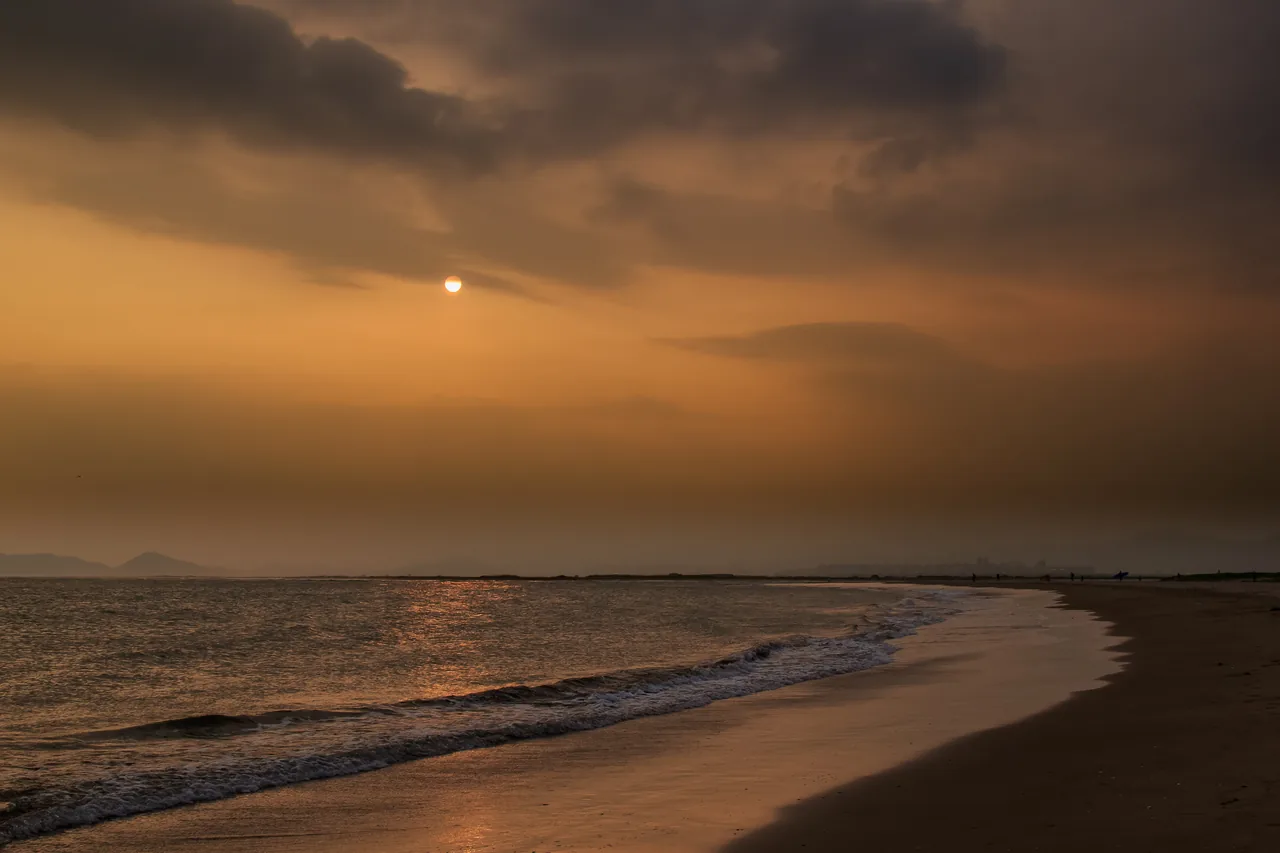
Dadaepo Beach — a wide, shallow beach famous for its sunsets; the Sunset Fountain of Dreams (a large music fountain) runs here in the warmer months. A west-facing, end-of-the-line classic.
Amisan Observatory — a deck overlooking the sandbars and channels of the Nakdong estuary, with sweeping sunset views (and it’s free).
Songdo — the cloud-walk skywalk and the seaside cable car catch lovely evening light over the bay.
Igidae — the coastal cliff path looks back at Gwangalli and the bridge, beautiful as the light fades.
Plan the trip out west: Dadaepo and Amisan are at the western/Nakdong end of the city (Dadaepo is the end of metro Line 1). Allow travel time so you arrive before the sun drops, and check fountain-show times if that’s your goal.
5. Sunrise & sea-level views
Early risers get the calmest light and emptiest frames:
Haedong Yonggungsa — a temple built right on the rocks above the sea on the east coast, one of the best sunrise spots in Busan. Worth the early start.
Haeundae Beach & Dalmaji-gil — sunrise over the bay from the sand, or from the hilly Dalmaji lane above; Dongbaekseom island adds foreground.
Cheongsapo Daritdol Skywalk — a glass-floored walkway out over the sea near Haeundae, great for morning sea views and the nearby lighthouses.
Sunrise logistics: the metro starts early but may not run before dawn — check the first-train time, or budget for a taxi to reach east-coast spots like Haedong Yonggungsa in time.
6. Iconic daytime scenes
Some of Busan’s best-known images are daytime ones — colour and texture rather than light shows:
Gamcheon Culture Village — the tumbling, pastel-painted hillside neighbourhood, Busan’s most famous daytime photo (go mid-morning for soft light and fewer crowds).
Huinnyeoul Culture Village — tiny cliff-edge lanes on Yeongdo looking straight out to sea, often called Busan’s “Santorini”.
Busan Tower (Yongdusan Park) — a central tower with a 360° view over the old downtown and harbour, good day or night.
Jagalchi & Gukje Market — for street and market photography in the old town.
Combine smartly: Gamcheon and Huinnyeoul are both on the western/old-town side and pair well in one day; Marine City, Gwangalli and Haeundae cluster in the east for an evening.
Dadaepo Beach on the west coast is one of Busan’s best open-sea sunsets. (Photo: Y.c.jang, CC BY-SA 3.0)
7. Photo tips for Busan
A few things that lift your shots here:
Tip
Why
Shoot the blue hour
The ~30 min after sunset balances sky glow with city lights
Bring a small tripod
Night/reflection shots need a steady camera in low light
Check the sunset time
It shifts through the year — look it up for the exact day
Look for water
Marinas and calm beaches double the lights as reflections
Weather matters: a few clouds make sunsets dramatic; haze flattens them — check the forecast.
Be considerate: in lived-in spots like Gamcheon and Huinnyeoul, keep noise down and respect residents’ homes and privacy.
One more time — verify: spot hours, fountain shows and transport all change seasonally. Confirm in a maps app on the day so you’re standing in the right place at the right time.
8. The bottom line
For the quintessential Busan photos, give yourself one night in the east (Marine City / The Bay 101 / Gwangalli, or the full panorama from Hwangnyeongsan) and one sunset in the west (Dadaepo or Amisan), plus a daytime stop at Gamcheon or Huinnyeoul. Time it around the blue hour, bring something to steady the camera, and check the day’s sunset time and each spot’s hours before you set out.
Marine City and The Bay 101 (skyscraper reflections), Gwangalli Beach with the lit Gwangan Bridge, and Hwangnyeongsan for the whole-city panorama. All are best at blue hour, the ~30 minutes after sunset.
Q. Where can I see the best sunset in Busan?
The west coast: Dadaepo Beach (with its Sunset Fountain of Dreams in the warmer months) and Amisan Observatory over the Nakdong estuary. Songdo and the Igidae cliff path also catch lovely evening light.
Q. What is the most photographed spot in Busan?
The Marine City skyline reflected in the water at The Bay 101 is the classic night shot, and Gamcheon Culture Village’s pastel hillside is the classic daytime one.
Q. Where do I get the best panorama of Busan?
Hwangnyeongsan, a mountain right in the city, has an observation area near the old beacon (Bongsudae) where the entire city and the Gwangan Bridge appear in one frame — spectacular at dusk.
Q. Where is the best sunrise in Busan?
Haedong Yonggungsa, the temple on the rocks on the east coast, is a top sunrise spot. Haeundae Beach and the Cheongsapo Daritdol Skywalk are also good for morning sea views.
Q. What time should I go for night photos?
Aim for the blue hour — roughly the 30 minutes after sunset — when the sky is still deep blue and the buildings and bridge are lit. Check the day’s exact sunset time in a maps or weather app.
Q. Do I need a tripod for Busan night photography?
It helps a lot. Night skylines and reflection shots (like at The Bay 101) need a steady camera in low light; a small travel tripod or a stable ledge makes a big difference.
Q. How do I find these spots and their hours?
Use KakaoMap or Naver Map (Google Maps is weak for directions in Korea). Search each spot for its exact location, current hours and any fountain-show times before you go — details change by season.