
Chuseok 2026: Why Korea Won’t Get a Bonus Day Off (And What It Means for Your Trip)
Korea’s biggest holiday lands on September 24-26, 2026 with no substitute day added this time, and a brand-new Korail-SRT ticketing merger could catch travelers off guard. Here’s exactly what closes, what stays open, and whether you should still go.
| 2026 Chuseok date | Friday, September 25, 2026 (15th day of the 8th lunar month) |
|---|---|
| Official holiday period | Thursday, Sept 24 – Saturday, Sept 26, 2026 (3 days) |
| Substitute holiday | None — a substitute day is only added if Chuseok overlaps a Sunday, and none of the 2026 dates do |
| Feels like vs. legally is | Feels like 4 days off (Thu–Sun) since Sept 27 is a normal Sunday right after, but only 3 days are an official holiday |
| Biggest 2026 wrinkle for travelers | Korail and SRT are merging their membership and booking systems starting July 2026, right before the holiday rush |
| Category / region | Travel tips, nationwide (all of South Korea) |
| Expect the worst traffic | Outbound around midday on Sept 24; return traffic peaks in the late afternoon of Sept 26 (based on 2025 patterns) |
| Single best piece of advice | Book trains, flights, and hotels as early as possible, and treat 24-hour convenience stores as your backup for meals |
1. When Exactly Is Chuseok in 2026?
2. Is Chuseok a 3-Day or 4-Day Holiday? Why Isn’t There a Substitute Day in 2026?
3. What Closes in Korea During Chuseok?
4. What Stays Open During Chuseok? (And Where the Free Palace Events Are)
5. What Do You Do If You Get Sick During Chuseok? Emergency Care for Travelers
6. Are Korean Expressway Tolls Free During Chuseok?
7. How Hard Is It to Book KTX or SRT Train Tickets for Chuseok 2026?
8. How Bad Does Traffic and Airport Congestion Get During Chuseok?
9. What Is Chuseok, and Why Does It Matter to Travelers?
10. What Should You Do If You’re Already Traveling in Korea During Chuseok?
11. Should You Visit Korea During Chuseok? Weighing the Pros and Cons
12. Chuseok 2026 Travel Checklist
13. Chuseok in Korea at a Glance — And What’s Next on the Holiday Calendar
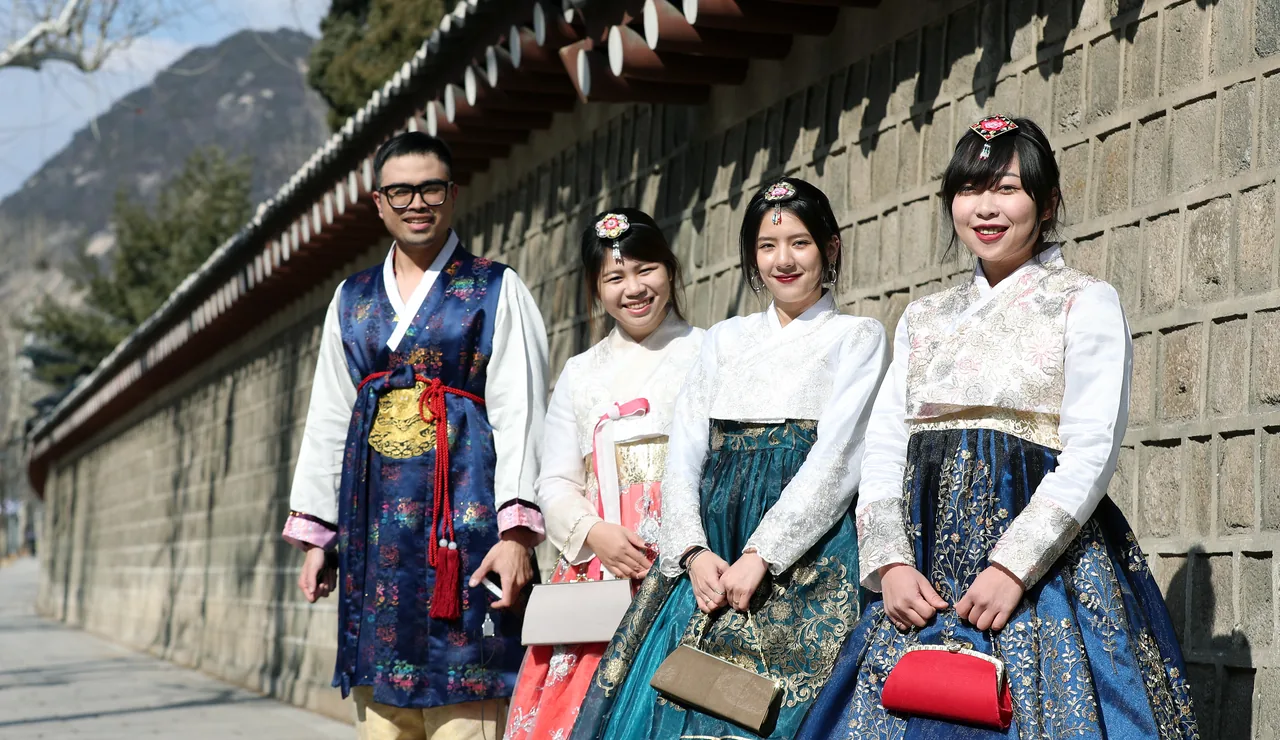
Chuseok, Korea’s autumn harvest holiday, falls on Friday, September 25, 2026, with the official holiday period running Thursday, September 24 through Saturday, September 26. If you’re planning to be in Korea around that window — or even just flying through Incheon on your way somewhere else — this is the one date range on the 2026 calendar most likely to reshape your trip. Trains sell out, highways jam, small restaurants close their shutters, and palace grounds fill with families in hanbok. This guide walks through exactly what to expect: what’s shut, what’s still open (often for free), how bad the trains and roads get, and a genuinely new complication for 2026 — Korea’s two national rail operators are merging their booking systems right as the holiday rush begins. If you haven’t sorted out your entry requirements yet, it’s worth checking your K-ETA or visa status well before you land, since immigration lines don’t get any shorter during a national holiday.
1. When Exactly Is Chuseok in 2026?
Chuseok 2026 falls on Friday, September 25, 2026 — the 15th day of the 8th lunar month, the date on which Korea’s harvest festival always lands. The official public holiday period runs for three days, from Thursday, September 24 through Saturday, September 26, 2026. This date is drawn from the Korea Astronomy and Space Science Institute’s (KASI) official 2026 lunar calendar and has been cross-checked against independent day-of-week calculations, so it’s as reliable as a 2026 date gets this far in advance.
| Date | Day | Status |
|---|---|---|
| September 24, 2026 | Thursday | Day before Chuseok (public holiday) |
| September 25, 2026 | Friday | Chuseok Day (public holiday) |
| September 26, 2026 | Saturday | Day after Chuseok (public holiday) |
| September 27, 2026 | Sunday | Ordinary Sunday, not an added holiday |
For travelers, this three-day window is the single most important date range on Korea’s autumn calendar. It’s when highways clog with returning-hometown traffic, when neighborhood restaurants shutter their doors, and when domestic train tickets can vanish from booking apps within minutes of release. If your trip touches late September or early October 2026, plan your movements around these three dates specifically, not just the general idea of “Chuseok week.”
Because Chuseok tracks the lunar calendar rather than a fixed solar date, its position on the Western calendar shifts by roughly ten to eleven days every year. It fell in late September in 2023, mid-September in 2024, and slid into early October for 2025’s unusually long holiday stretch — which is exactly why reusing last year’s dates to plan a 2026 trip doesn’t work. For 2026, the holiday lands comfortably in late September, ahead of the peak of Korea’s autumn foliage season in October, which is worth factoring in if you’re weighing whether to time a visit around the holiday, the fall colors, or both. If you’re comparing Chuseok against other windows on the calendar, it’s worth a look at Korea’s best times to visit before locking in dates, since Chuseok overlaps with what is already a popular travel season.
2. Is Chuseok a 3-Day or 4-Day Holiday? Why Isn’t There a Substitute Day in 2026?
Legally, Chuseok 2026 is a three-day holiday — Thursday, September 24 through Saturday, September 26. It only feels like four consecutive days off because the following day, Sunday, September 27, would have been a non-working day anyway. That’s an important distinction for travelers: the crowding, closures, and transport strain described throughout this guide are concentrated in those three official days, even though the calendar visually reads as a longer stretch.
Why does this matter if you’re not a Korean employee planning your own time off? Because it directly shapes how heavy the travel rush will be. A three-day holiday concentrates all of the hometown travel, the shopping, and the road congestion into a tighter window than a four- or five-day stretch would. Compare this to 2025, when Chuseok fell in early October and combined with a Friday-preceding weekend and other calendar quirks to produce one of the longest holiday periods in recent memory (close to ten days for many workers) — a stretch that pushed Incheon Airport to record-breaking passenger numbers, covered later in this guide. A shorter 2026 holiday likely means a shorter, sharper spike in traffic and ticket demand rather than a prolonged one, though the peak days themselves should still be treated as the most difficult travel days of the season.
One more nuance worth knowing: 2026 does have a separate one-off public holiday on June 3 (tied to a local election), but that date has nothing to do with Chuseok and shouldn’t be confused with the September holiday period when you’re checking calendars or booking around it.
3. What Closes in Korea During Chuseok?
Banks, government offices, and post offices are closed for all three official Chuseok holiday days — September 24 through 26, 2026 — as is standard for any Korean public holiday. Beyond those predictable closures, retail and food service follow a more mixed pattern that’s worth understanding before you build a day-by-day itinerary around them.
| Type of place | Typical status during Chuseok |
|---|---|
| Banks, government offices, post offices | Closed all 3 official holiday days |
| Small independent restaurants and shops | Many close at least on Chuseok Day itself; some close the entire holiday period. No reliable nationwide percentage exists — treat this as a common pattern, not a guarantee for any specific address |
| Traditional markets | Often busier than usual in the days right before Chuseok (shoppers stocking up for holiday tables), then quieter or partly closed on the holiday itself |
| Large supermarket chains (E-Mart, Homeplus, Lotte Mart) | Typically close for one day only — Chuseok Day itself — rather than the full holiday period, though this varies by branch. As one 2025 data point, only about 20 of Homeplus’s 127 stores closed that year; treat this as illustrative of the pattern, not a confirmed 2026 figure |
| Costco | Closes as a matter of policy on January 1, Seollal, and Chuseok Day — a fairly consistent pattern across years |
| Department stores | Most branches close for around 2 days of the holiday (commonly the day before plus Chuseok Day itself); some flagship stores close all 3. Exact dates vary store to store and year to year |
The practical upshot: don’t count on being able to walk into a random neighborhood restaurant on September 25 the way you could on any other Friday. Bigger, chain-operated venues are a safer bet than single-owner spots, and it’s worth having a backup plan for meals — which is exactly what the next section covers.
4. What Stays Open During Chuseok? (And Where the Free Palace Events Are)
Convenience stores are the most reliable fallback in the entire country during Chuseok. CU, GS25, 7-Eleven, and Emart24 all run their normal 24-hour, 365-day schedules with no holiday exceptions, and many chains layer on Chuseok-themed lunch boxes and snack promotions during the season (the specific 2026 lineup hasn’t been announced yet, but the seasonal promotion itself is an annual fixture). If a neighborhood is quiet and every restaurant door is shut, the nearest convenience store is where you’ll find a hot meal, coffee, and basic supplies at any hour.
Korea’s Palaces: Free Entry and Traditional Programs
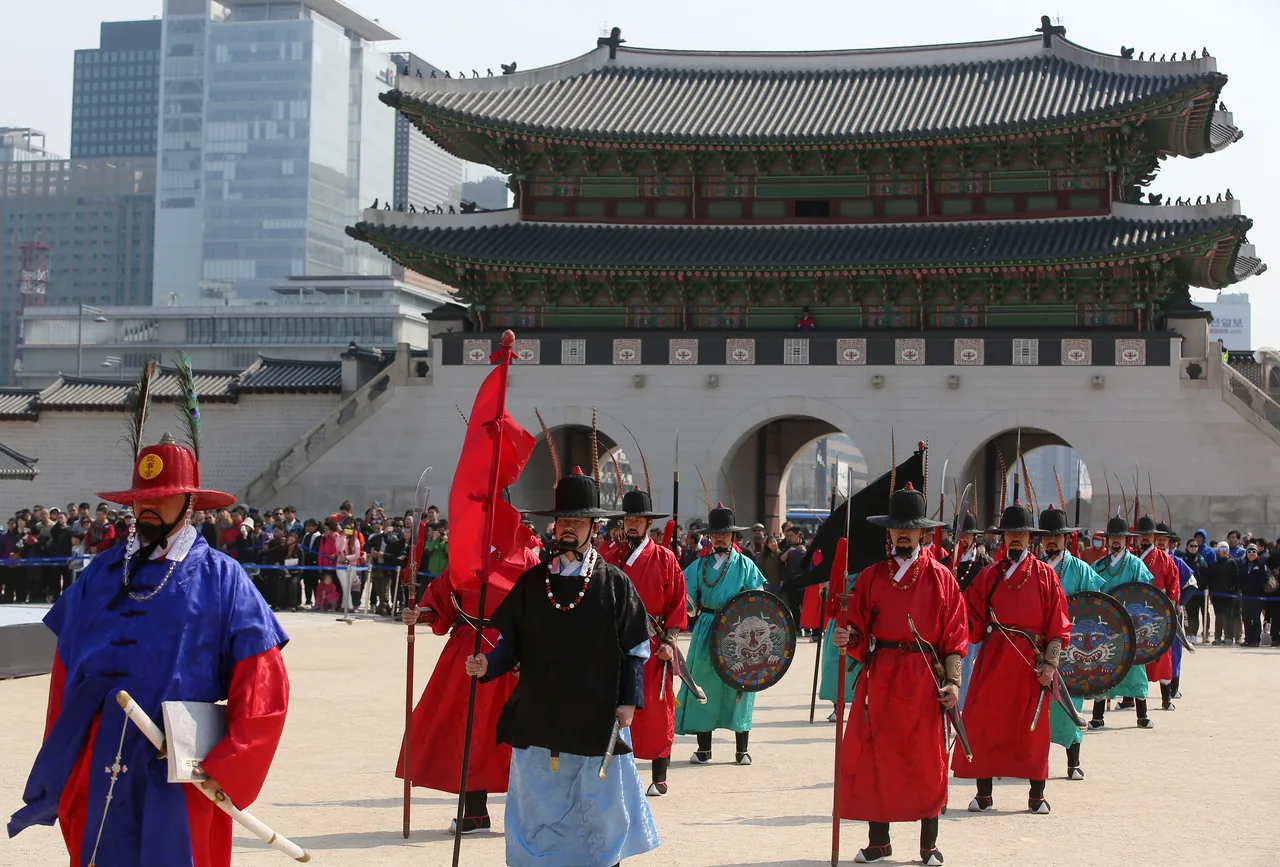
Korea’s five grand palaces — Gyeongbokgung Palace Map, Changdeokgung, Changgyeonggung, Deoksugung, and the Jongmyo shrine complex — have a well-established pattern of opening free of charge during major holiday periods and running special traditional-culture programming, including royal guard-changing ceremonies and hands-on folk game demonstrations. This has repeated every year in recent memory, including Chuseok 2025, per official government and Korea Heritage Service announcements. The specific 2026 program lineup and exact hours haven’t been published yet as of this writing — palace authorities typically announce them only as the holiday approaches — so treat “free entry plus cultural events” as the expected pattern, and check official palace channels in early-to-mid September 2026 for the confirmed schedule.
For reference, standard (non-holiday) opening hours, which are subject to change: Gyeongbokgung, Changdeokgung, and Changgyeonggung typically run 09:00-18:00 with last entry at 17:00, while Deoksugung stays open later, 09:00-21:00 with last entry at 20:00. Visitors wearing hanbok get free admission to the palaces year-round, not just during Chuseok, so combining a hanbok rental with a Chuseok visit is a popular (and permanently available) move rather than a holiday-only perk.
| Place | Status during Chuseok |
|---|---|
| Convenience stores (CU, GS25, 7-Eleven, Emart24) | Open 24/7, no change |
| Five grand palaces + Jongmyo | Typically free entry plus special programs (2026 schedule not yet announced) |
| Namsangol Hanok Village | Has run Chuseok-season cultural festivals in past years; 2026 program not yet confirmed |
| Everland, Lotte World | Normal or extended hours, often with traditional-game events (yut-nori, ttakji-chigi, jegichagi); 2026 specifics not yet announced |
| Myeongdong, Hongdae, Gangnam shopping areas | Function largely as normal; individual small shops may close, but duty-free stores, major chains, and cafes generally stay open |
| Duty-free stores, Incheon Airport | Near-continuous operation; most Incheon duty-free counters run roughly 06:30-21:30, some liquor/cosmetics counters 24 hours, and duty-free pickup counters run 24 hours without exception |
Incheon International Airport itself never closes — it operates 24 hours a day, 365 days a year, holiday or not. In fact, Chuseok tends to be one of the airport’s busiest stretches precisely because so many Korean residents use the days off to fly abroad, a pattern covered in more detail in the traffic and congestion section below.
5. What Do You Do If You Get Sick During Chuseok? Emergency Care for Travelers
A public holiday doesn’t mean Korea’s emergency medical system shuts down — but it does mean your default neighborhood clinic or pharmacy is more likely to be closed, which makes knowing where to look in advance genuinely useful. The Korean government runs a dedicated portal for exactly this situation.
- Go to e-Gen (www.e-gen.or.kr), the official Emergency Medical Information portal, or download the companion mobile app. Both let you search by location for hospitals, clinics, and pharmacies that are open right now, including ones specifically staying open through the holiday.
- If you don’t want to navigate a Korean-language portal, call 129 (Health and Welfare Counseling Center) for general medical guidance, or 119 for a genuine emergency — ambulance, fire, or urgent medical response. Both lines are accessible to foreign residents and visitors, not just Korean citizens.
- For general local information beyond medical care — including help finding services in an unfamiliar area — 120 connects to regional information hotlines such as Seoul’s Dasan Call Center.
- Naver Map and Kakao Map, Korea’s two dominant navigation apps https://breezekorea.com/naver-map-vs-kakao-map/, sometimes surface a dedicated “holiday medical care” filter tab during major holidays, layering open-pharmacy and open-clinic data directly onto the map view — worth checking if you already have either app installed.
To put a number on how much of the system actually stays open: during Chuseok 2025, Korea’s Ministry of Health and Welfare reported that roughly 8,800 hospitals and clinics nationwide operated through the holiday via the “Emergency Medical Care” app network — a 2025 figure, not a 2026 confirmed number, but a useful sense of scale. The takeaway for travelers is straightforward: emergency care is absolutely available during Chuseok, it’s simply concentrated in specific open facilities rather than the usual full spread of neighborhood options, so it pays to look up the nearest open location before you need it rather than after. It’s also worth having a couple of general Korea travel apps installed before your trip so you’re not scrambling to find and set them up mid-emergency.
6. Are Korean Expressway Tolls Free During Chuseok?
Yes — toll-free expressway travel during Chuseok is a long-standing government practice in Korea, repeated for both Chuseok and Seollal (Lunar New Year) every year. Nearly all expressways managed by the Korea Expressway Corporation, and most privately operated toll roads as well, waive tolls during the designated holiday window. No advance registration, pass, or paperwork is required — the exemption simply applies automatically at the toll gates during the covered period.
The mechanism is more generous than it might sound: you don’t need your entire trip to fall inside the free window. If you enter or exit the expressway at any point during the exemption period, the entire toll for that trip segment is waived, even if part of your drive happens outside the designated hours.
Even with tolls waived, this is not the same as an easy or fast drive. Toll-free days are also, by definition, the exact days when the largest number of Korean residents are on the road heading to or from their hometowns — so treat the free tolls as a modest cost saving on what will still likely be one of the most congested driving days of the year, covered in more detail in the traffic section below.
7. How Hard Is It to Book KTX or SRT Train Tickets for Chuseok 2026?
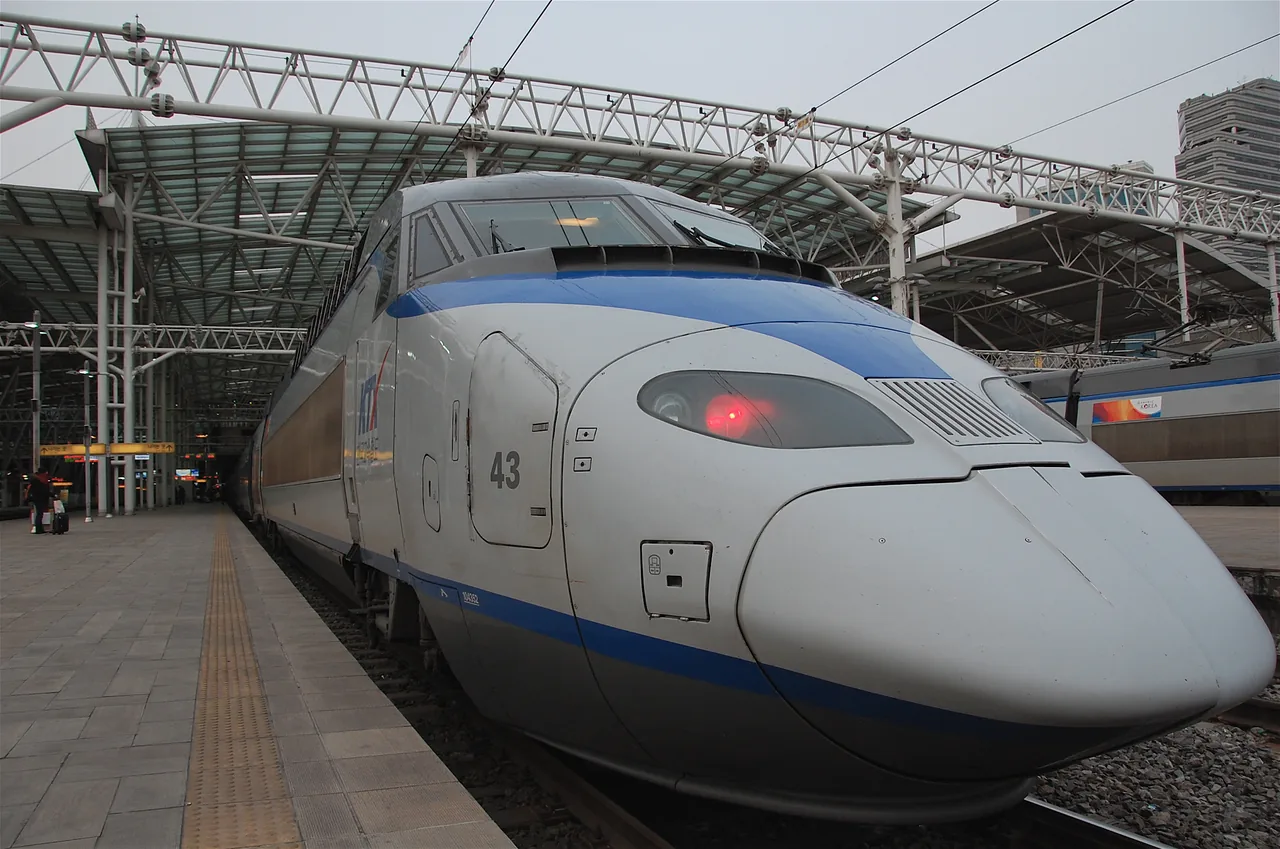
Expect Chuseok train tickets to sell out fast — this is such a well-known pattern in Korea that it barely needs a citation, and 2026 adds a genuinely new complication on top of the usual rush. Korail (which operates KTX) and SR (which operates SRT) began merging their membership systems on July 14, 2026, with an integrated booking app planned for release in August 2026, and full integrated ticketing for trains running from September 2026 onward — which lands the transition squarely in the middle of the Chuseok booking window. This is confirmed, recently reported news (multiple Korean outlets covered the announcement on July 13-14, 2026), not a rumor or a routine yearly pattern.
What’s Changing With the Korail-SRT Merger
For years, KTX and SRT have operated as separate booking ecosystems with separate apps, separate accounts, and separate loyalty points, even though they run on overlapping routes and sometimes the very same physical trains. The 2026 merger folds these into a single membership system, meaning travelers booking a Chuseok train in 2026 may need to go through an account conversion or migration step before they can book at all, and the booking interface itself — website or app — may look and behave differently than it did in past years. If you booked Korean trains before and expect the same familiar screens, budget extra time to figure out the new system rather than assuming muscle memory will carry you through.
Beyond the merger, the general booking calendar follows a fairly consistent yearly rhythm, though the exact 2026 dates have not been announced yet. Special holiday booking periods have historically opened around four to five weeks before Chuseok, typically starting with a priority window for seniors, people with disabilities, and national merit recipients before opening to the general public. Recent examples: the 2023 special booking period opened August 29-31; 2024’s opened August 19-22; and 2025’s opened later than usual, around September 12-18, due to a rail timetable adjustment. Given the membership merger layered on top of an already-shifting pattern, 2026’s opening date carries more uncertainty than a typical year — watch official Korail and SRT channels for the announcement rather than assuming any specific date, and don’t be surprised if it’s announced later than the historical average.
Booking directly with Korail or SRT is usually the cheaper route when seats are available, so treat these platforms as a practical backup rather than a first choice.
Round-trip bookings tend to be processed with some priority during the special advance booking window, another reason to book both directions of your journey as early as the window allows rather than securing only one leg and hoping to fill in the return later. Seoul Station Map, the country’s busiest KTX hub, is worth building extra buffer time around on both ends of the holiday — arrive well ahead of departure, since platforms and waiting halls get genuinely crowded during the days immediately before and after Chuseok. If you want a fuller breakdown of how KTX works outside the holiday rush — routes, classes, and general booking mechanics — see our complete KTX guide.
8. How Bad Does Traffic and Airport Congestion Get During Chuseok?
Very bad on the roads, and often record-setting at the airports — though 2026’s shorter three-day holiday should be somewhat less extreme than 2025’s unusually long stretch. Here’s what the recent data shows, with clear labeling of which numbers are 2025 figures being used as a pattern reference rather than a 2026 forecast.
| Travel direction | Typical worst congestion (2025 pattern) | Typical relief time |
|---|---|---|
| Outbound (to hometown) | Around midday to mid-afternoon (roughly 12:00-15:00) on the day travel begins | Around 9:00-10:00 PM the same day |
| Return (back to the city) | Late afternoon (roughly 4:00-6:00 PM) on the final holiday day | Around 2:00-3:00 AM the following morning |
In 2025, the Korea Expressway Corporation reported a single-day peak of roughly 6.67 million vehicles on the road — the highest figure in three years — though that number reflects 2025’s specifically long holiday and is not a 2026 prediction. The Korea Expressway Corporation typically issues its own detailed 2026 traffic forecast one to two weeks before the holiday, and that official forecast is the one to check closer to the date rather than relying on this year-ago figure.
Air travel tells a similar story with an important caveat. Chuseok 2025 was an especially long holiday (close to ten days for many workers), and Incheon International Airport used that stretch to set an all-time holiday passenger record since the airport opened in 2001: about 2.45 million total passengers, with a single-day peak of roughly 239,000 travelers on October 3. The airport responded by expanding security screening capacity, adding 119 staff, and moving departure hall opening time up from 6:00 AM to 5:00 AM. Because 2026’s Chuseok is a standard three-to-four-day holiday rather than 2025’s extended one, absolute passenger numbers are likely to land lower than those 2025 records — but the underlying direction is the same: expect Incheon and Gimpo to be noticeably busier than an ordinary weekend, book airport transfers in advance, and arrive earlier than you normally would. Incheon Airport runs 24 hours a day regardless of the holiday, so there’s no risk of the airport itself closing, only of longer lines and fuller flights.
Domestic flights, especially to Jeju Island, are worth booking early for a different reason: price. Chuseok-period Jeju fares regularly jump well above typical weekend pricing — one 2025 data point put the cheapest available fare roughly 70,000 KRW higher than usual at a comparable booking window — and airlines have also been structurally shifting seat capacity away from domestic Jeju routes toward international routes (domestic Jeju capacity reportedly fell about 7.6% while international capacity rose about 16.4% in the first half of 2025), which tightens domestic supply even further during peak periods like Chuseok. The consistent advice across sources is simple: book Jeju or any other domestic flight as early as you can once your dates are set.
9. What Is Chuseok, and Why Does It Matter to Travelers?
Chuseok is Korea’s autumn harvest festival, built around ancestral memorial rites, family reunions, and a handful of distinctive foods and games — and understanding the holiday’s meaning explains almost everything else in this guide, from why highways jam to why palace grounds fill with families in traditional dress.
At the center of the holiday is charye (茶禮), a memorial ceremony held for ancestors, typically performed on Chuseok morning using freshly harvested rice, songpyeon, and seasonal fruit. Around the same time, many families practice seongmyo (省墓), visiting and paying respects at ancestral graves, often preceded in the weeks beforehand by beolcho (伐草), the practice of clearing overgrown grass from grave sites — a task traditionally tied partly to fire prevention as well as respect for ancestors. Some accounts trace the holiday’s roots back as far as the Three Kingdoms period, with references to a mid-8th-lunar-month ritual connected to the ancient Gaya confederacy, though this origin story is best treated as a commonly cited tradition rather than an airtight historical fact.
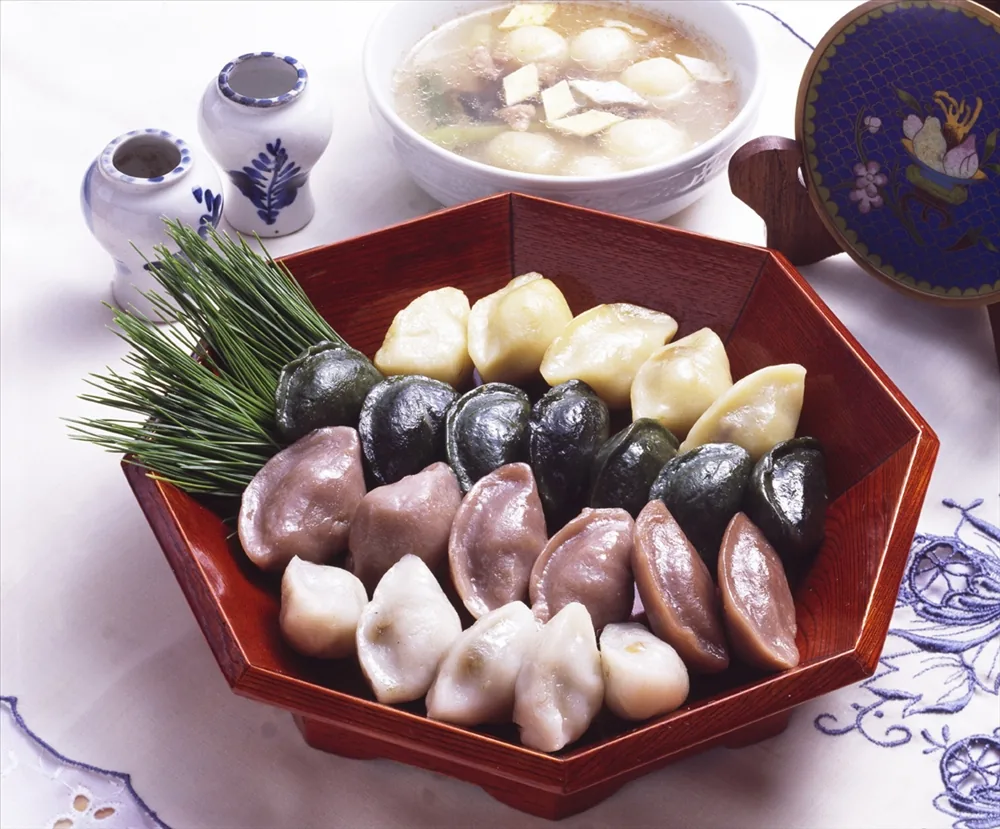
The signature Chuseok food is songpyeon, a half-moon-shaped rice cake made from freshly milled rice flour and filled with sesame seeds, sweetened red beans, chestnuts, or honey, then steamed over a bed of pine needles — which is where the “pine” (song) in its name comes from. A popular explanation holds that the half-moon shape symbolizes hope for a bright future, the way a half moon grows fuller over time, but even Korean media outlets tend to present this as a folk explanation rather than a settled fact, so it’s best repeated as “the story goes” rather than stated as certain. https://breezekorea.com/what-to-eat-in-korea/
One widely repeated claim worth correcting: Chuseok’s full moon is not necessarily the biggest full moon of the year. The moon’s apparent size depends on its distance from Earth at perigee, which follows its own separate cycle and doesn’t reliably line up with the lunar calendar date of Chuseok — a point Korean news outlets have themselves had to clarify after the “biggest moon of the year” claim resurfaces almost every autumn.
Family travel is baked into the holiday’s structure: gwiseonggil, literally “the road home,” describes the mass movement of city dwellers (especially from the greater Seoul area) back to their hometowns to be with extended family — the single biggest driver of the road and rail congestion detailed earlier in this guide. Gift-giving is also a major seasonal custom, with department stores and supermarkets running large “Chuseok gift set” catalogs built around canned ham and Spam sets, fruit boxes, health foods like red ginseng, Korean beef (hanwoo), and gift certificates. An interesting side effect: unwanted gift sets regularly flood secondhand marketplaces like Danggeun Market in the weeks after the holiday — though reselling certain health-functional foods, including red ginseng products, between private individuals is actually against Korean food safety regulations, a detail that surprises a lot of first-time observers of this seasonal resale boom.
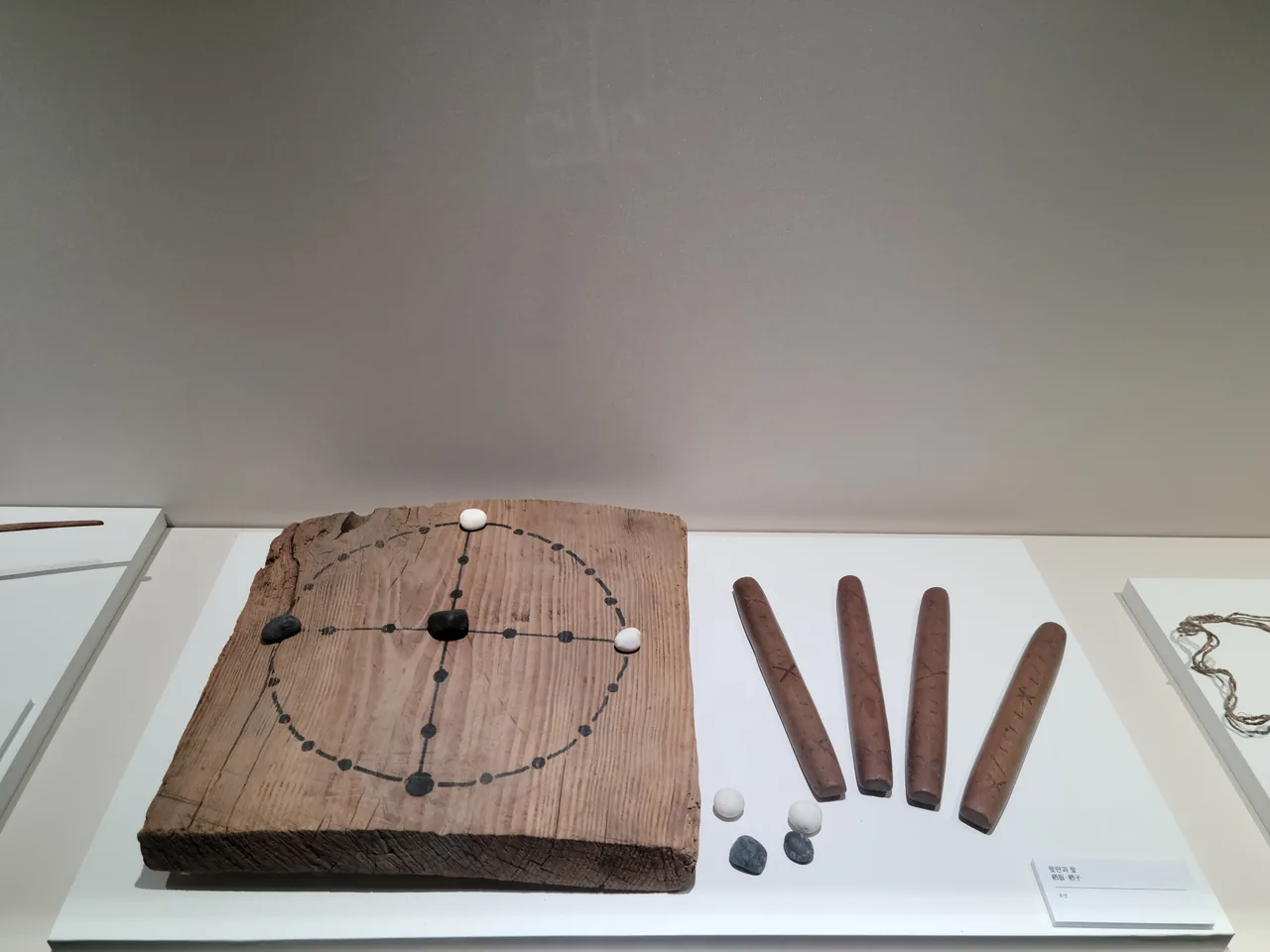
For a useful (if imperfect) comparison, Chuseok is often likened to American Thanksgiving: both center on harvest, gratitude, family reunions, and a mass return to a hometown. The difference is one of emphasis — Chuseok places significantly more weight on ancestor memorial rites (charye and seongmyo) than Thanksgiving does, and it features more physically active communal traditions, most notably yut-nori, a traditional board game played by throwing four wooden sticks, and ganggangsullae, a circle dance traditionally performed by women under the full moon, joining hands and singing while gradually speeding up — a folk performance widely described as one of Korea’s best-known Chuseok traditions. Treat the Thanksgiving comparison as a helpful mental shortcut rather than a precise equivalence; the two holidays share a shape but not an identical set of customs. If you’re new to Korea more broadly, it’s worth a quick read through general Korea travel etiquette before your trip, since holiday periods tend to bring traditional customs more visibly into public view than an ordinary week would.
10. What Should You Do If You’re Already Traveling in Korea During Chuseok?
If your trip lands you in Korea during September 24-26, 2026, the core strategy is simple: lean on chains and major attractions, and treat small independent businesses as a bonus rather than a plan. Here’s how that plays out practically, neighborhood by neighborhood.
When your usual go-to restaurant is dark, 24-hour convenience stores (CU, GS25, 7-Eleven, Emart24) are your most dependable option — they never close for the holiday, many stock hot foods and instant meals alongside seasonal snack promotions, and they’re everywhere, including inside subway stations and near almost any hotel. Chain restaurants and food courts inside larger malls and department stores are your next-best bet, since large operators are far more likely to stay open (even if on reduced holiday hours) than a single-owner neighborhood spot.
Namsangol Hanok Village, a cluster of restored traditional houses near Myeongdong, has a track record of running Chuseok-season cultural festivals — hands-on folk game demonstrations, craft activities, and seasonal programming aimed at exactly this kind of holiday visitor. The exact name and dates of the 2026 program haven’t been confirmed yet, but some version of this seasonal event has repeated in recent years, so it’s worth checking the site’s official announcements as the date approaches.
Major shopping districts keep functioning largely as normal. Myeongdong, Hongdae, and Gangnam will have some individual storefronts closed, but duty-free retailers, major international and domestic chains, cafes, and large-format stores generally stay open through the holiday, so these neighborhoods remain reasonable bases for sightseeing and shopping even on Chuseok Day itself. The five grand palaces, covered in detail earlier in this guide, are arguably the single best use of a Chuseok day for a visiting traveler: free admission plus traditional cultural programming turns what could be a logistically frustrating day into one of the more memorable stops on a Korea itinerary. Everland and Lotte World have also historically run extended hours and traditional-game events (yut-nori boards, ttakji-chigi, jegichagi) during the Chuseok period, giving families and travelers something reliably open and holiday-themed at the same time.
Two more adjustments worth making on the fly: build in more transit time than usual, since even short subway or taxi trips across a district like Myeongdong can take longer when key streets around transport hubs are unusually crowded with holiday travelers passing through, and treat any specific plan involving an intercity train or long-distance bus as something to reconfirm the moment you know your dates, given the booking pressure described in the KTX/SRT section above. If your itinerary needs reshuffling because of holiday closures, our Korea trip-planning guide can help you rework the order of a multi-day plan around what’s actually open.
11. Should You Visit Korea During Chuseok? Weighing the Pros and Cons
There’s no single correct answer — Chuseok is a genuinely mixed bag for visitors, and the right call depends heavily on what kind of trip you’re planning. Here’s the honest tally, laid out side by side.
| In favor of visiting during Chuseok | Against visiting during Chuseok |
|---|---|
| Some residential and commercial neighborhoods feel noticeably quieter as locals head to their hometowns | Intercity transport (trains, buses, flights) gets more crowded and more expensive right when you need it most |
| Major palaces often run free admission and special traditional programs you won’t see on an ordinary week | Many small, independently owned restaurants close, narrowing your food options in some neighborhoods |
| A rare chance to see genuine Korean holiday culture — hanbok, traditional games, ancestral rites — in public view | Highways and expressways see some of the year’s worst congestion around the holiday’s peak travel days |
| Theme parks and major attractions typically stay open, often with extra seasonal programming | Hotel prices in popular areas can rise, and last-minute train and flight seats can simply vanish |
The practical advice, echoed consistently across general travel guidance for the period, comes down to a few habits: book trains, flights, and accommodation as early as your dates allow rather than waiting to see how things shake out; build your day-to-day itinerary around major, well-resourced attractions — palaces, theme parks, big shopping districts — rather than improvised stops at small local businesses that are more likely to be closed; and lean on 24-hour convenience stores as your fallback for food in quieter residential areas. None of this requires canceling a trip — it just means treating Chuseok more like a specific, well-defined logistics puzzle than a normal travel week.
A policy that covers trip delays and changes gives you more room to adapt if a train sells out or a connection gets bumped during the holiday crunch.
One honest caveat: this section is written from general travel-industry guidance and the documented facts covered elsewhere in this piece, not from first-hand traveler reports gathered for this article specifically — there isn’t a reliable, verified body of firsthand traveler accounts to draw on here, so treat this as informed general advice rather than a collection of quoted experiences. If your visit is flexible, shifting a trip a week or two outside the September 24-26 window removes most of the holiday-specific friction while still landing you in the same general autumn season.
12. Chuseok 2026 Travel Checklist
Use this as a working list in the weeks before your trip, rather than something to complete all at once — several items (train booking especially) only become actionable once official 2026 dates are announced.
| Category | What to do |
|---|---|
| Trains | Watch for the 2026 special Chuseok booking period announcement and book the moment it opens; expect a Korail-SRT membership conversion step due to the July 2026 system merger |
| Flights | Book domestic (especially Jeju) and international flights early; domestic fares rise and seats tighten well before the holiday itself |
| Accommodation | Reserve hotels in popular areas ahead of time, particularly if your dates overlap September 24-26 |
| Road trips | If self-driving, expect little to no toll savings advantage on convenience — tolls may be waived, but roads will still be at their most congested |
| Meals | Identify a few chain restaurants, food court options, or convenience stores near your accommodation as backups in case local spots are closed |
| Emergency contacts | Save 119 (emergency), 129 (health/welfare counseling), and the e-Gen portal/app in advance |
| Sightseeing | Prioritize the five grand palaces, Namsangol Hanok Village, and major theme parks for holiday-specific programming |
| Connectivity | Arrange your SIM or eSIM before arrival so you’re not relying on possibly-closed airport counters during the holiday rush |
| Entry requirements | Confirm your K-ETA or visa status well ahead of time — immigration processing doesn’t get faster during a national holiday |
13. Chuseok in Korea at a Glance — And What’s Next on the Holiday Calendar
To recap the essentials: Chuseok 2026 falls on Friday, September 25, with the official holiday running Thursday, September 24 through Saturday, September 26 — three legal holiday days that feel like four because the following Sunday was already a day off. There’s no substitute holiday this year, since none of the three dates lands on a Sunday, the only day-of-week overlap that triggers one for Chuseok. Expect banks, government offices, and many small restaurants to close, while convenience stores, palaces (often free, with cultural programming), theme parks, and Incheon Airport keep running. The single biggest new twist for 2026 is the Korail-SRT membership merger rolling out that July, which could change how — and how smoothly — you book a Chuseok train. For that month on its own, our guide to Busan in September has the beach closing dates and the Chuseok week laid out day by day.
Beyond Chuseok, Korea’s next major traditional holiday is Seollal, the Lunar New Year, which follows a similar three-day structure and brings its own version of the same hometown-travel surge, closures, and free palace access, typically landing sometime in late January or February depending on the lunar calendar. The same core survival strategy applies to both: book transport early, lean on chains and major attractions over small independent businesses, and treat convenience stores as your always-open backup. For the fuller year-round picture — festivals, seasonal events, and the best windows to visit outside the holiday crush — see our complete Korea travel guide.
🎡Things to Do77
🍜Food8
🏨Where to Stay4
🚇Getting Around18
🧭Travel Tips27
📌More4
Frequently Asked Questions About Chuseok 2026
See the complete Korea travel guide
Images: Gyeongbokgung Palace and KTX photos reused from BreezeKorea’s media library (see original guides for full credit). Songpyeon photo: Korea.net / KOCIS (CC BY-SA 2.0). Yutnori board and sticks photo: Wikimedia Commons user 고려 (CC BY 4.0).