
South Korea Travel Guide 2026: The Complete Plan (Cities, K-ETA, KTX, When to Go & Food)
One guide to plan a whole Korea trip — entry rules, the high-speed trains, which cities to pick, what to eat and how much it costs, from people who travel here constantly.
- Do you need a visa? Most Western visitors, plus Japan, Taiwan, Hong Kong and more, enter visa-free for up to 90 days. The K-ETA is waived for 22 countries through 31 December 2026 — but you must still fill the free e-Arrival Card online.
- Best time: mid-April to June and September to November — mild, dry and clear. Summer is hot, humid and wet (monsoon + typhoons); winter is cold and dry, snowy up north.
- Getting around: the KTX bullet train links the whole country (Seoul→Busan in ~2h18m). One tap-and-go T-money card works on every city’s metro and buses.
- Money: Korea is almost entirely cashless — cards work everywhere and you do not tip. Budget roughly ₩100,000–180,000 (~$75–135) per person per day mid-range.
- How long: 5 days for Seoul + one more city; 7–10 days to add Busan, Gyeongju and Jeju properly.
1. Do You Need a Visa? K-ETA & Entry in 2026
2. When to Go: Seasons & Weather
3. Festivals & Events Calendar 2026
4. Where to Go: Korea’s Best Cities & Regions
5. How Long to Stay & Sample Itineraries
6. Getting Around Korea: Trains, Flights & Cards
7. Money: Cards, Cash & the No-Tip Culture
8. Staying Connected: SIM, eSIM & WiFi
9. The Apps You Actually Need
10. What to Eat: Korean Food 101
11. Culture & Etiquette: Know Before You Go
12. How Much Does a Korea Trip Cost?
13. Safety & Practical Essentials
South Korea packs an astonishing amount into a country the size of a small US state: glass-and-neon megacities, 1,000-year-old temples, volcanic islands, mountain national parks and one of the most exciting food scenes on earth — all stitched together by trains so fast and punctual they feel like teleportation. It’s also one of the safest, cleanest and most effortless places in Asia to travel independently, even with zero Korean. This master guide is the big picture — how to get in, when to come, which cities to choose, how to move between them, what it costs and how not to embarrass yourself at dinner — and it links down to our in-depth city and topic guides (we cover Busan in obsessive detail) so you can plan the whole trip from one page.
1. Do You Need a Visa? K-ETA & Entry in 2026
For most travellers, entering Korea in 2026 is refreshingly simple — and this year it’s easier than usual.
- Visa-free entry: citizens of the US, UK, Canada, Australia, New Zealand, most of the EU, Japan, Taiwan, Hong Kong, Singapore and many more visit visa-free for tourism (typically 30–90 days).
- K-ETA waived through 2026: Korea has suspended the K-ETA requirement for 22 countries and territories until 31 December 2026 (the US, UK, Australia, Canada, New Zealand, Japan, Taiwan, Hong Kong, Macao, Singapore, and 12 European countries). Travellers from those places enter without applying for — or paying for — a K-ETA.
- You still need the e-Arrival Card: if you skip the K-ETA, fill in the free online e-Arrival Card (within 3 days before arrival). If you’d rather not, you can optionally buy a K-ETA (~₩10,000) which exempts you from the arrival card.
- Passport: valid for the duration of your stay; no onward-ticket checks for most nationalities, though it’s wise to have one.
2. When to Go: Seasons & Weather
Korea has four sharp seasons, and the month you choose changes the whole trip. The two shoulder seasons are the clear winners.
| Months | Season | What to expect |
|---|---|---|
| Mar–Apr | Spring | ⭐ Cherry blossoms (Jeju & the south late Mar, Seoul early Apr). Cool mornings, glorious afternoons. |
| May–Jun | Late spring | ⭐ Warm, dry and green — arguably the best all-round window before the rains. |
| Jul–Aug | Summer | Hot & humid. The jangma monsoon hits late Jun–Jul; Aug–Sep can bring typhoons. Beach & festival season. |
| Sep–Nov | Autumn | ⭐ Crisp blue skies; fiery foliage peaks late Oct–Nov. The most photogenic season. |
| Dec–Feb | Winter | Cold & dry; snow and ski resorts up north. The south (Busan) stays far milder. |
Rule of thumb: come in April–June or September–November for the best weather. The country is more north–south than people expect — Seoul winters bite, while Busan on the south coast is mild enough to walk the beach in January. For city-by-city timing, see our best time to visit (Busan) breakdown.
3. Festivals & Events Calendar 2026
Lining your dates up with a festival is one of the easiest ways to make a Korea trip unforgettable.
| When | Event | Where & why |
|---|---|---|
| Late Mar–early Apr | Cherry Blossom season | Jinhae (the country’s biggest), Seoul’s Yeouido, Gyeongju — pink everywhere. |
| Jul | Boryeong Mud Festival | Daecheon Beach: Korea’s most famous (and messiest) summer party. |
| Oct | BIFF — Busan International Film Festival | Asia’s leading film festival; the city buzzes for ~10 days. |
| Oct | Andong Mask Dance & Jinju Lantern | Heritage festivals in the historic interior — deeply traditional, very photogenic. |
| Nov 15 | Busan Fireworks Festival | Gwangalli Beach under Gwangan Bridge — the south’s biggest night. |
| Nov–Dec | Seoul Lantern Festival | Cheonggyecheon stream lit up through the cold months. |
4. Where to Go: Korea’s Best Cities & Regions
You can’t see all of Korea in one trip, so pick a spine — usually Seoul plus one or two others linked by the KTX. Here’s the honest shortlist.
🏙️ Seoul
The capital and the obvious start: palaces, hanok lanes, mega-malls, street food, nightlife and day trips to the DMZ. Give it 3–4 days.
🌊 Busan
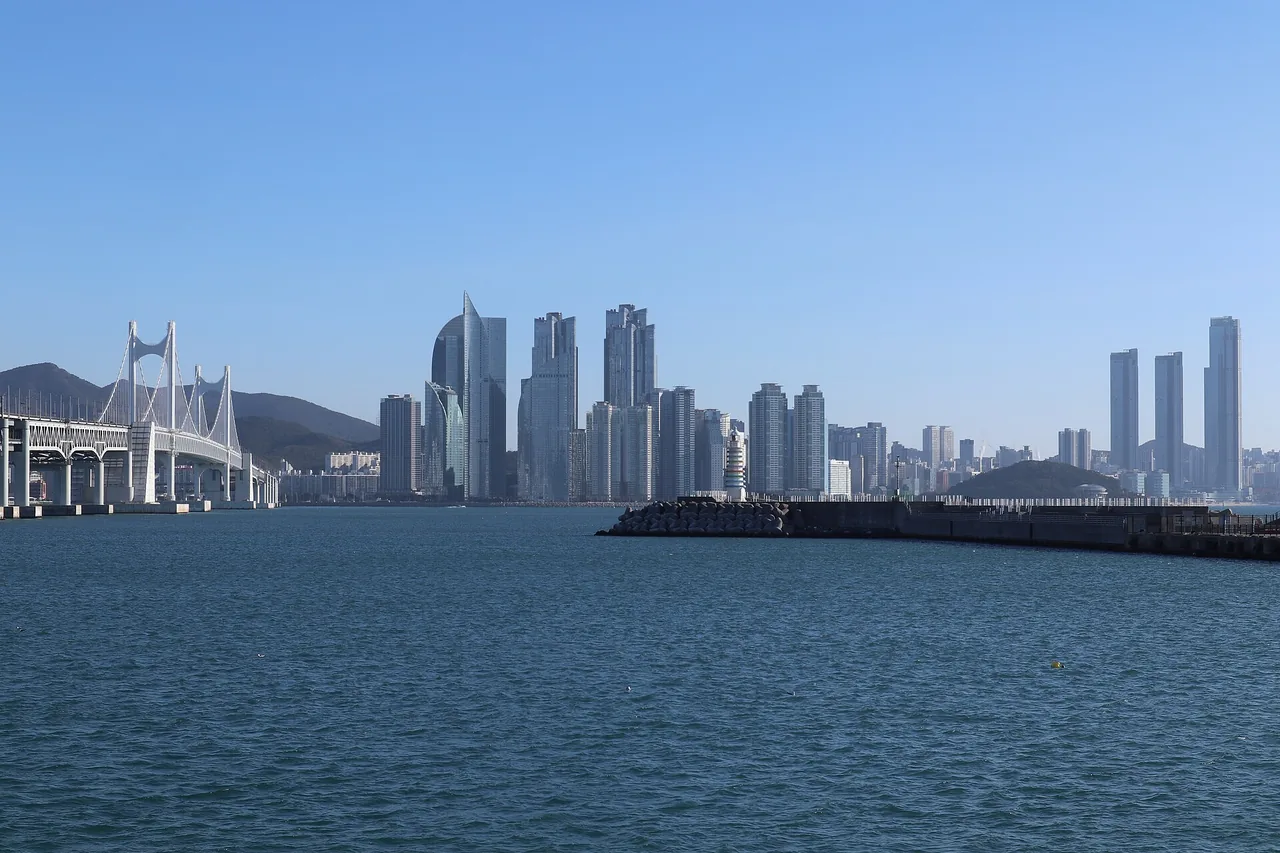
The summer capital and our home turf — real beaches, a seaside temple, hillside art villages and Korea’s best seafood, all on a clean metro. See our full Busan travel guide.
🏯 Gyeongju
The “museum without walls” — royal tombs, Bulguksa temple and Silla-dynasty history, an easy hop from Busan. Our Gyeongju day trip covers it.
🌋 Jeju Island
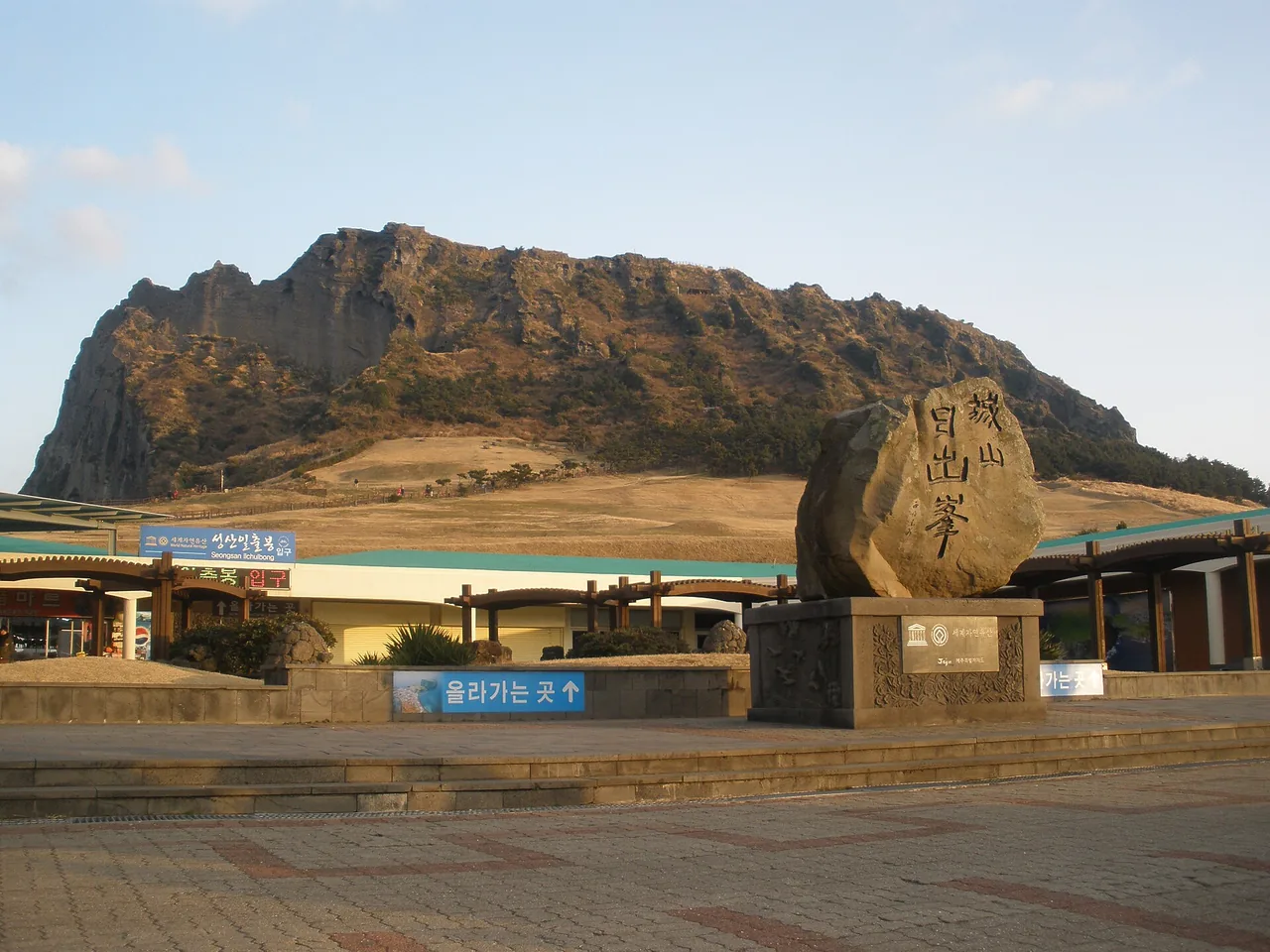
Korea’s volcanic “Hawaii”: craters, waterfalls, coast walks and the sunrise peak of Seongsan Ilchulbong. A short domestic flight from anywhere.
🍲 Jeonju
A preserved hanok village and the spiritual home of bibimbap — the country’s best city for a pure food-and-tradition stop.
⛰️ Gangneung & Sokcho
East-coast beaches and Seoraksan’s granite peaks, ~2 hours from Seoul by KTX. Best in autumn for the foliage.
Most first-timers do Seoul + Busan (linked by a 2h18m train) and add Gyeongju or Jeju if they have a week or more.
5. How Long to Stay & Sample Itineraries
Korea rewards a slower trip, but it’s also brilliantly efficient — the trains make multi-city routes painless.
| Trip length | Suggested route |
|---|---|
| 5 days | Seoul (3) + Busan (2) by KTX — the classic first taste of Korea. |
| 7 days | Seoul (3) + Gyeongju (1) + Busan (3) — history and coast in one clean southbound line. |
| 10 days | Seoul (3) + Jeonju (1) + Busan (3) + Jeju (3, by short flight) — the full spectrum. |
Because everything runs on one rail spine, a smart move is to go Seoul → south → fly home from Busan (Gimhae) (or the reverse) so you never backtrack. Once you’re in Busan, our Busan itinerary maps the days out hour by hour.
6. Getting Around Korea: Trains, Flights & Cards
This is where Korea quietly shines. You almost never need to rent a car.
🚄 KTX & SRT
High-speed rail links the country. Seoul→Busan in ~2h18m (KTX standard ~₩59,800; the SRT runs the same line from Suseo for ~₩52,600). Book on Korail or at the station.
✈️ Domestic flights
Mainly for Jeju (the Gimpo–Jeju route is the world’s busiest). Cheap and quick; book budget carriers ahead.
🚌 Intercity buses
Reach towns the trains miss, often cheaper than rail. Comfortable “udeung” express coaches on long routes.
🚇 City transit
Seoul, Busan, Daegu, Gwangju and Daejeon all have clean, English-signed metros. A single ride is ~₩1,400–1,550.
Buy one rechargeable T-money (or Cashbee) card at any convenience store on day one. It works on every city’s metro and buses nationwide, on intercity buses, in taxis and even to pay at shops — tap on, tap off, done. For ride-hailing without the language barrier, use the Kakao T app.
7. Money: Cards, Cash & the No-Tip Culture
Korea is one of the most cashless societies on earth, and that makes spending easy.
- Cards everywhere: Visa/Mastercard are accepted at almost all shops, restaurants, cafés and convenience stores. A foreign-friendly tap card or Apple/Google Pay covers most of a trip.
- No tipping: you do not tip in Korea — not in restaurants, taxis or hotels. The price you see is the price you pay; trying to tip can cause confusion.
- Some cash still helps: traditional markets, street-food stalls and a few small eateries are cash-only. Withdraw won from a “Global” ATM (at convenience stores, banks and airports) as you go.
- Currency: the Korean won (₩, KRW). Rough mental math: ₩1,000 ≈ $0.75.
Full details — exchange tips, which ATMs take foreign cards, tax-free shopping — are in our Korea money guide.
8. Staying Connected: SIM, eSIM & WiFi
You’ll want data from the minute you land — Korea runs on apps for maps, payments and translation.
- eSIM (easiest): if your phone supports it, install a Korean eSIM before you fly and you’re online the second you turn the phone on at the airport.
- Physical SIM: pick one up at the airport arrivals hall or order ahead — unlimited-data tourist plans are cheap and instant.
- Pocket WiFi: worth it only for groups sharing one device; otherwise an eSIM is simpler.
- Free WiFi is widespread (metro, cafés, malls), but you’ll still want your own data for navigation and Kakao T.
We compare the best options, prices and providers in our Korea SIM & eSIM guide.
9. The Apps You Actually Need
Download these before you arrive — they’re the difference between a smooth trip and a frustrating one.
🗺️ Naver Map / KakaoMap
Use these, not Google Maps — Korea restricts mapping data, so Google is poor for walking and transit here. Both have English. See Naver vs Kakao Map.
🚕 Kakao T
Korea’s Uber — call a taxi, pay in-app, no Korean needed.
🗣️ Papago
Naver’s translator beats Google for Korean — text, voice and photo-menu translation.
💬 KakaoTalk
The national messenger; some bookings and shops use it to reach you.
Our full Korea travel apps guide has the complete starter kit, including delivery and payment apps.
10. What to Eat: Korean Food 101
Eating may be the single best reason to come. Korean food is bold, communal, endlessly varied — and cheap by Western standards.
- The classics: Korean BBQ (grill-your-own pork belly or beef), bibimbap, bulgogi, tteokbokki (spicy rice cakes), kimchi-jjigae and naengmyeon (cold noodles in summer).
- Banchan: every meal comes with free little side dishes — kimchi and more — refilled on request.
- Regional pride: Jeonju for bibimbap, Jeju for black pork and fresh seafood, and Busan for a seafood scene all its own — see what to eat in Busan.
- How to eat cheap & well: traditional markets, gimbap and bunsik (snack) shops, and the legendary convenience stores.
11. Culture & Etiquette: Know Before You Go
Korea is forgiving of foreigners, but a few small gestures go a long way and help you read situations.
- Shoes off in homes, many guesthouses, temple halls and some traditional restaurants (you’ll sit on the floor).
- Two hands when giving or receiving money, cards, gifts or drinks — a sign of respect, especially to elders.
- Age and hierarchy shape manners; deferring to elders is the norm. On the subway, leave the pink/priority seats free.
- Quiet in transit: phone calls on trains and buses are frowned on; keep your voice down.
- Tattoos, etc.: generally fine in cities; some bathhouses (jjimjilbang) and pools may still restrict large visible tattoos.
None of this is a test — Koreans are warm and genuinely helpful to lost travellers. A bow of the head and a “gamsahamnida” (thank you) opens every door.
12. How Much Does a Korea Trip Cost?
Korea sits between cheap Southeast Asia and pricey Japan — and you control the dial.
| Style | Per person / day | Roughly |
|---|---|---|
| Backpacker | ₩70,000–100,000 | $50–75 — hostels, markets, metro, free sights. |
| Mid-range | ₩130,000–230,000 | $100–170 — 3-star hotels, restaurants, the odd taxi & paid attraction. |
| Comfort | ₩300,000+ | $225+ — 4–5-star stays, fine dining, private tours. |
Big one-offs to budget separately: flights, the KTX between cities (~₩60,000 each long hop) and any domestic flight to Jeju. Accommodation and intercity transport are your biggest levers; food and city transit are remarkably cheap. For a worked example you can copy, see our Busan guide‘s budget section.
13. Safety & Practical Essentials
Korea is one of the safest countries you’ll ever visit — solo travellers and women routinely report feeling at ease late at night.
- Emergency numbers: 112 police, 119 fire & ambulance, and the superb 24-hour multilingual 1330 Korea Travel Hotline (call or text for help with anything, in English).
- Power: 220V, two-round-pin plugs (type C/F) — the same as continental Europe. Bring an adapter.
- Tap water is safe to drink, though many locals prefer filtered or bottled.
- Health: pharmacies (yakguk) are everywhere; convenience stores stock basic meds. Travel insurance is still wise.
- Smoking is banned in most indoor public spaces; use designated areas.
South Korea FAQ
🌊 Ready to go deeper? Start with our complete Busan travel guide →