
Busan in September: Summer’s End & Early Autumn
September is Busan’s gentle hand-off from summer to autumn — the crowds thin, the heat eases week by week, the sea is still warm enough for an early-month swim, and the air slowly turns crisp. It is also the tail of typhoon season and the month of Chuseok, Korea’s biggest holiday. Here is how to plan it well.
- September is a shoulder-season sweet spot: warmer and a touch wetter early on, then increasingly mild, dry and comfortable as autumn arrives.
- The summer crowds thin out after the August peak, and prices ease — it is one of the best-value months to visit.
- Early September the sea is still warm (~25°C) and pleasant for a swim, even though the official beach season has closed; by late month the water cools.
- Two things to plan around: the tail of typhoon season (mostly early September) and Chuseok (Korean Thanksgiving, around late September 2026), when much of the country travels and many shops close.
1. Is September a good time to visit Busan?
2. Busan weather in September, in detail
3. Summer’s last call: the beaches & warm sea
4. Typhoons & rain: what to know
5. Chuseok: Korea’s biggest holiday
6. Early autumn arrives: what to do
7. September events & what’s on
8. What to pack for September
9. A smart September itinerary & the verdict
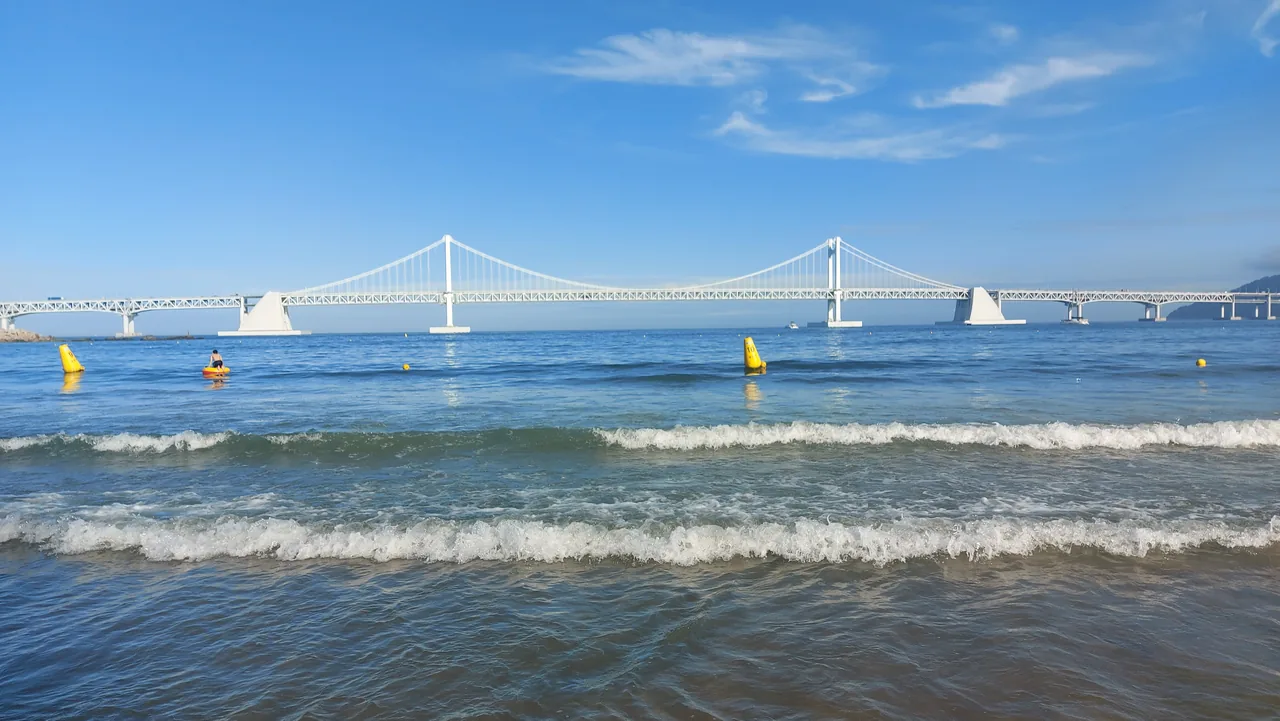
September is the month Busan exhales after the heat. The fierce highs of August fade week by week, the relentless humidity drops, and the city slips into the early edges of autumn — arguably the start of its loveliest stretch of the year. The summer crowds have gone home, prices come down, and the weather grows more comfortable with each passing week. It is not without its catches: early September still carries the tail of typhoon season and a fair amount of rain, and the month contains Chuseok, Korea’s biggest holiday, when much of the country is on the move and many businesses close. But for a traveller who wants warm-but-not-scorching days, a still-swimmable sea early on, thinning crowds and the first cool, clear air of autumn, September is a quietly brilliant choice. This guide covers the weather week by week, the warm sea and quieter beaches, typhoons and rain, what Chuseok means for your trip, the early signs of autumn and what to do, what to pack, and a smart day plan — plus how September compares with August and October. Build it into the rest of your trip with our complete Busan Travel Guide.
1. Is September a good time to visit Busan?
For many travellers, yes — September is one of the smartest months to visit Busan. It sits in the shoulder season between the summer peak and the autumn rush, which means you get fading heat, a sea that is still warm early on, noticeably thinner crowds than August, and prices that have come back down to earth. As the month goes on, the weather only gets nicer: less humidity, clearer skies and the first crisp, comfortable days of autumn.
The trade-offs are real but manageable. Early September is still the tail of typhoon season and can bring heavy rain, and the month contains Chuseok — Korea’s biggest holiday — which reshapes a few days with travel chaos and closures. Plan around those two things and September rewards you with the best balance of warm weather, low crowds and good value of any month around the summer.
2. Busan weather in September, in detail
September is a month of steady transition — late-summer warmth at the start, easing toward genuine early-autumn comfort by the end:
| Period | Daytime high | Feel & conditions |
|---|---|---|
| Early September | ~28–29°C | Still summery; humid; tail-end typhoon & shower risk |
| Mid September | ~26–27°C | Warm and pleasant; humidity easing; often around Chuseok |
| Late September | ~24–25°C | Mild, drier, crisp early-autumn air arriving |
Daytime highs slide from around 29°C early in the month to about 24–25°C by the end, with overnight lows near 21°C. Rainfall averages around 171 mm over roughly 11 days — still significant, but clearly down from the July–August monsoon, and increasingly concentrated in the early part of the month. Humidity drops steadily, so even the warm days feel far more comfortable than August. The overall trajectory is unmistakable: the longer into September you go, the more it feels like autumn.
3. Summer’s last call: the beaches & warm sea
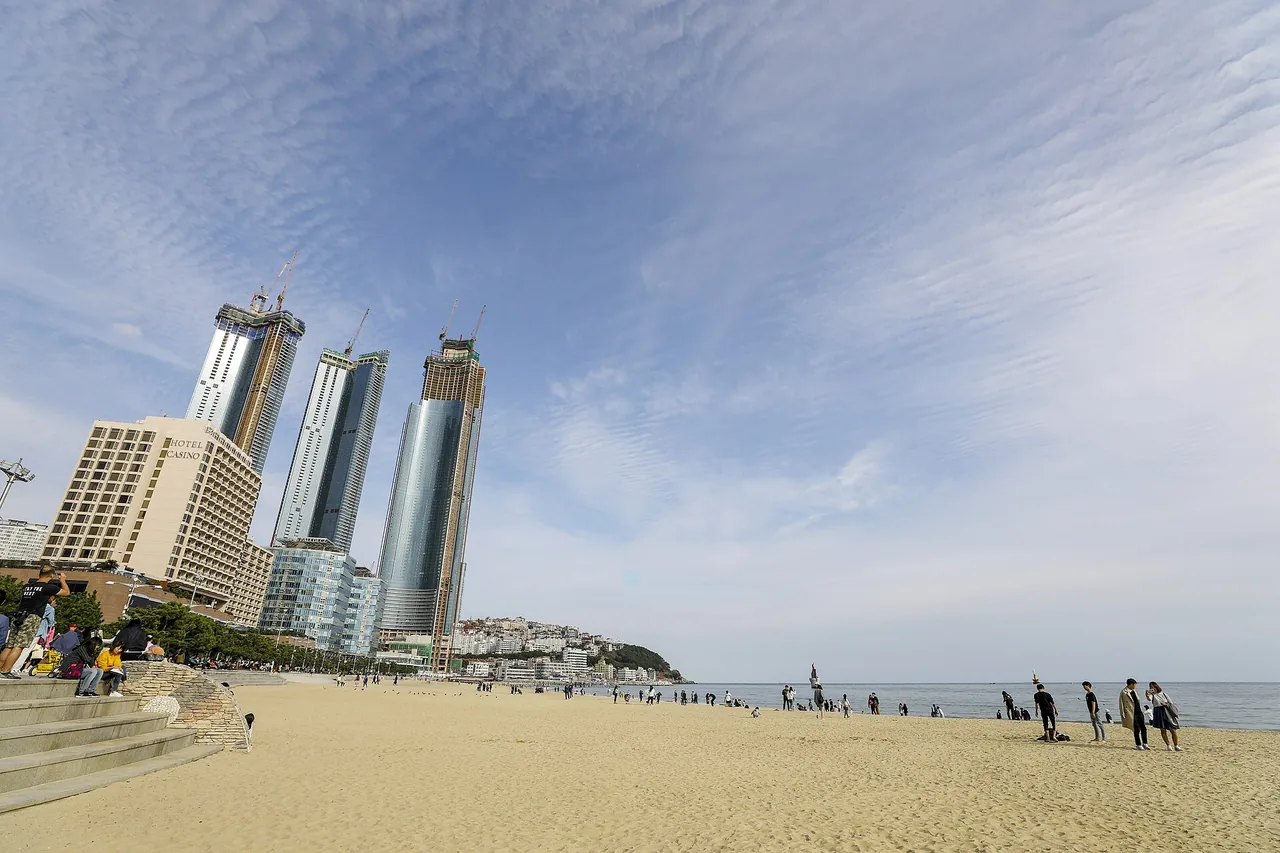
One of September’s quiet pleasures is the beach after the summer madness. The official Busan beach season closes at the end of August, so lifeguards, parasol rentals and full facilities wind down — but the sand is far quieter and the sea is still warm:
- The water is still warm: the sea holds around 24–25°C into early and mid September, perfectly pleasant for a swim or a paddle while the air is still summery.
- Beaches without the crowds: Haeundae, Gwangalli, Songjeong and Songdo are calm and spacious compared with August — lovely for long walks, photos and café time along the front.
- Swim with care: with the official season over, lifeguard cover is reduced or gone, so be cautious, especially early in the month when typhoon swells and rip currents are still possible.
4. Typhoons & rain: what to know
September sits at the tail of East Asia’s typhoon season, so it is the one weather risk worth planning around — but it is very manageable with a little awareness:
- Mostly an early-month risk: typhoons and their heavy rain are most likely in the first half of September and taper off as the month goes on.
- What a typhoon means: if one passes near, expect a day or two of strong wind and heavy rain, possible ferry and some transport disruption, and closed beaches — they pass quickly, but plan flexible indoor options for those days.
- General rain: outside of typhoons, September still sees showers, though less than mid-summer and increasingly rare late in the month.
5. Chuseok: Korea’s biggest holiday
The single most important thing to know about September is Chuseok (Korean Thanksgiving), the country’s largest holiday — a harvest festival when families reunite, honour their ancestors and travel en masse to their hometowns. In 2026 it falls around 24–26 September, though the exact dates shift each year with the lunar calendar, so confirm before you book.
- The country is on the move: trains, buses, flights and highways are packed for several days around Chuseok as millions travel — book any intercity transport (KTX especially) far in advance.
- Some closures: many small shops, local restaurants and businesses close for the holiday, particularly on the main day. Big department stores, major attractions, convenience stores and tourist areas generally stay open, but expect a quieter, slower city in places.
- It can also be a plus: the city is less hectic in some ways, and you may catch traditional events, palace and folk-village programmes, and a special holiday atmosphere.
6. Early autumn arrives: what to do
As September moves on and the heat fades, Busan becomes a wonderful city to simply be outdoors in. The first cool, clear air makes everything more comfortable:
- Coastal walks & viewpoints: the cooler, clearer late-September air is perfect for the seaside cliff walks, Oryukdo, Igidae, the coastal trails and the city’s viewpoints.
- Sightseeing in comfort: Gamcheon Culture Village, the temples, markets and the downtown sights are all far more pleasant to explore without August’s heat.
- Early hiking: the mountains around the city begin to feel inviting again as temperatures drop — a taste of the autumn hiking to come in October and November.
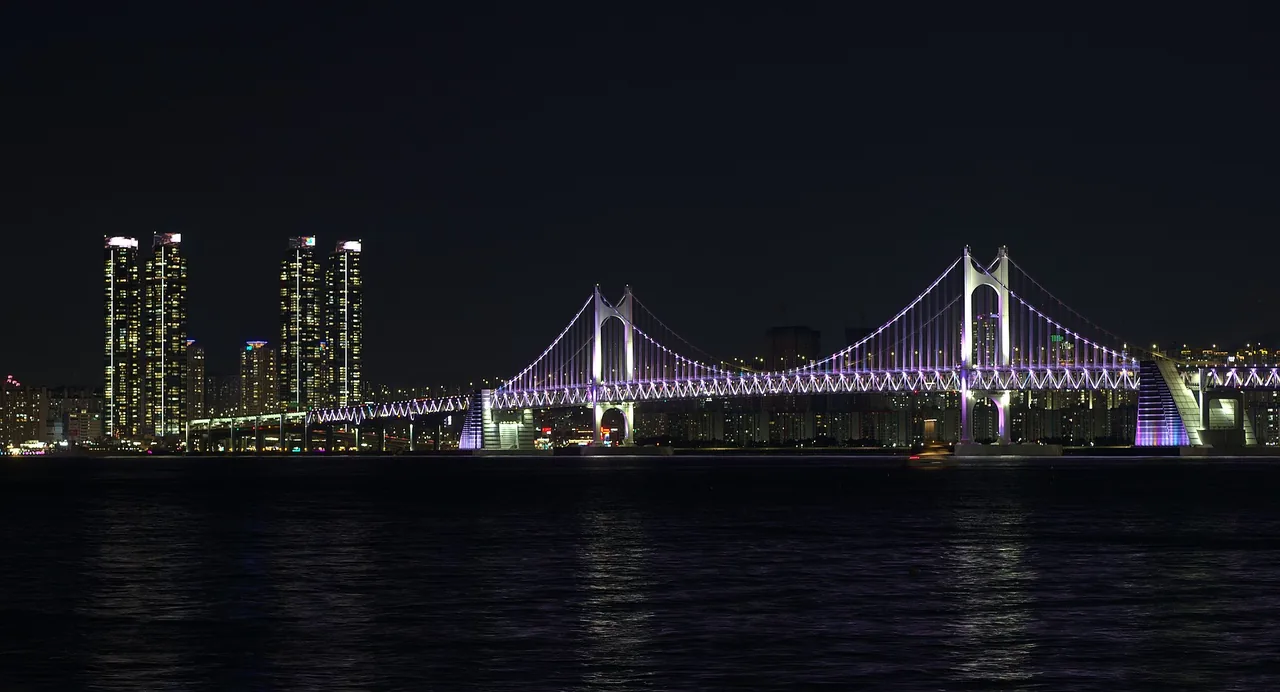
- Warm-but-mild evenings: the nights are comfortable rather than sweltering, ideal for seaside dinners, night markets and the lit Gwangan Bridge without the August heat.
7. September events & what’s on
September is a transitional month for events, bridging the summer festivals and the big autumn season that follows:
- Chuseok programmes: around the holiday, expect traditional cultural events, folk performances and special activities at heritage sites and around the city.
- The film festival window: the famous Busan International Film Festival (BIFF) usually takes place in early-to-mid October (in 2026, 6–15 October), with the buzz often building from late September — see our October guide if film is on your radar.
- Autumn season warming up: the coast and city begin lining up the autumn calendar of festivals and events that peak in October and November.
- Check the dates: exact event dates change each year, so look up Busan’s official tourism event calendar for your travel days.
8. What to pack for September
September is a transition month, so pack for warm days, cooler late-month evenings and the chance of rain:
- Summer clothing: light, breathable clothes are still the base, especially for the warm first half of the month.
- A light layer or two: a cardigan, light jacket or long-sleeve top for cooler evenings and the crisp late-month days.
- Rain gear: a compact umbrella or packable rain jacket for showers and any early-month typhoon day.
- Swim & beach kit: if you come early in the month, bring swimwear — the sea is still warm enough for a dip.
- Sun protection: the September sun is still strong, so keep the sunscreen, hat and sunglasses.
- Comfortable shoes: the cooler, clearer weather makes this a great month for walking and light hiking.
9. A smart September itinerary & the verdict
September rewards a flexible, weather-aware plan. Here is how the late-summer trio compares, then a simple template:
| August | September | October | |
|---|---|---|---|
| Heat | Hottest (~31°C) | Easing (~24–29°C) | Mild (~20–25°C) |
| Rain | Showers + typhoons | Easing; early typhoon risk | Driest, clearest |
| Sea | Warmest (~28°C) | Still warm early (~25°C) | Cooling |
| Crowds | Highest | Thinning | Moderate (BIFF peaks) |
| Big draw | Beach & festivals | Value & quiet beaches | BIFF & foliage |
- Early in the month: make the most of the still-warm sea — a morning swim or beach walk, then sightseeing and a seaside evening, with an eye on the typhoon forecast.
- Late in the month: lean into the crisp, clear weather — coastal walks, viewpoints, Gamcheon, the markets and an easy hike, with comfortable evenings out.
- If Chuseok overlaps: book transport and hotels early, rely on big attractions and department stores on the holiday, and avoid travelling on the busiest days.
The verdict: September is one of Busan’s best-value and most comfortable months — fading heat, thinning crowds, a still-warm early sea and the first lovely days of autumn, with only the tail of typhoon season and Chuseok to plan around. Come early for the sea, late for the crisp air, and you will catch Busan at one of its most relaxed and rewarding moments. Plan it all with our complete Busan Travel Guide.