
Busan in November: Peak Autumn Colour & the Fireworks Festival
November is Busan’s golden farewell to autumn — crisp, clear and cool, with the foliage at its dazzling peak and the spectacular Busan Fireworks Festival lighting up Gwangalli. Bring a jacket and here is everything you need to plan it.
- November brings Busan’s peak autumn colour, typically dazzling from around the 5th to the 15th, at temples, parks and on the mountains.
- The headline event is the Busan Fireworks Festival at Gwangalli, usually held in mid-November — one of Korea’s biggest fireworks shows.
- The weather is crisp, clear and cool, dry with plenty of sunshine — lovely by day, but chilly mornings and evenings call for layers.
- The sea is now too cold for swimming, so November is about colour, festivals, walks and views rather than the beach.
1. Is November a good time to visit Busan?
2. Busan weather in November, in detail
3. Peak autumn colour: where & when
4. The Busan Fireworks Festival
5. Crisp-weather outdoor Busan
6. The beaches & coast in November
7. Other November events & what’s on
8. What to pack for November
9. A smart November itinerary & the verdict
November is Busan at its autumn best and its most beautiful farewell to the warm half of the year. The weather turns crisp, clear and cool, the skies stay a brilliant blue, and the foliage reaches its dazzling peak — Busan, as a southern, coastal city, holds its colour later than the rest of Korea, with the best of it usually from around the 5th to the 15th. On top of the colour comes the city’s most spectacular night of the year, the Busan Fireworks Festival over Gwangalli. It is cooler now — mornings and evenings are properly chilly and you will want a jacket — and the sea has gone cold, so this is not a beach month. But for crisp, sunny days, glowing autumn mountains, one of Korea’s great firework shows and a city that feels fresh and alive, November is a wonderful, slightly underrated time to visit. This guide covers the weather week by week, where and when to catch peak foliage, the Fireworks Festival, the best of crisp-weather outdoor Busan, the beaches and coast in autumn, other November events, what to pack, and a smart day plan — plus how November compares with October and December. Build it into the rest of your trip with our complete Busan Travel Guide.
1. Is November a good time to visit Busan?
Yes — November is a beautiful, slightly underrated time to visit Busan, especially if you love autumn. It brings the peak of the foliage, crisp clear days, dry sunny weather and the spectacular Busan Fireworks Festival, all without the crowds of high season. The city looks its autumn best, the air is fresh, and the mountains and temples glow with colour.
The trade-offs are simply that it is cooler and the beach season is long over. Mornings and evenings are chilly — you will want a jacket and layers — and the sea is too cold for swimming. But if you come for autumn colour, fireworks, hiking and crisp, sunny sightseeing rather than for the beach, November rewards you with some of the loveliest scenery and atmosphere of the whole year.
2. Busan weather in November, in detail
November is crisp, dry and cool, easing from mild early-autumn days toward the first chill of the coming winter by month’s end:
| Period | Daytime high | Feel & conditions |
|---|---|---|
| Early November | ~16–17°C | Crisp, clear, pleasant; peak foliage; fireworks |
| Mid November | ~14–15°C | Cool and bright; chilly mornings & evenings |
| Late November | ~12–13°C | Cold edge appearing; first hint of winter |
Daytime highs ease from around 16°C early in the month to about 13°C by the end, with overnight lows dropping to around 8–9°C — and colder by late November. It stays dry, sunny and clear, with low rainfall, so the days are bright and comfortable in the sun while the mornings and evenings turn properly chilly. It is classic crisp autumn weather, ideal for being outdoors as long as you dress in layers.
3. Peak autumn colour: where & when
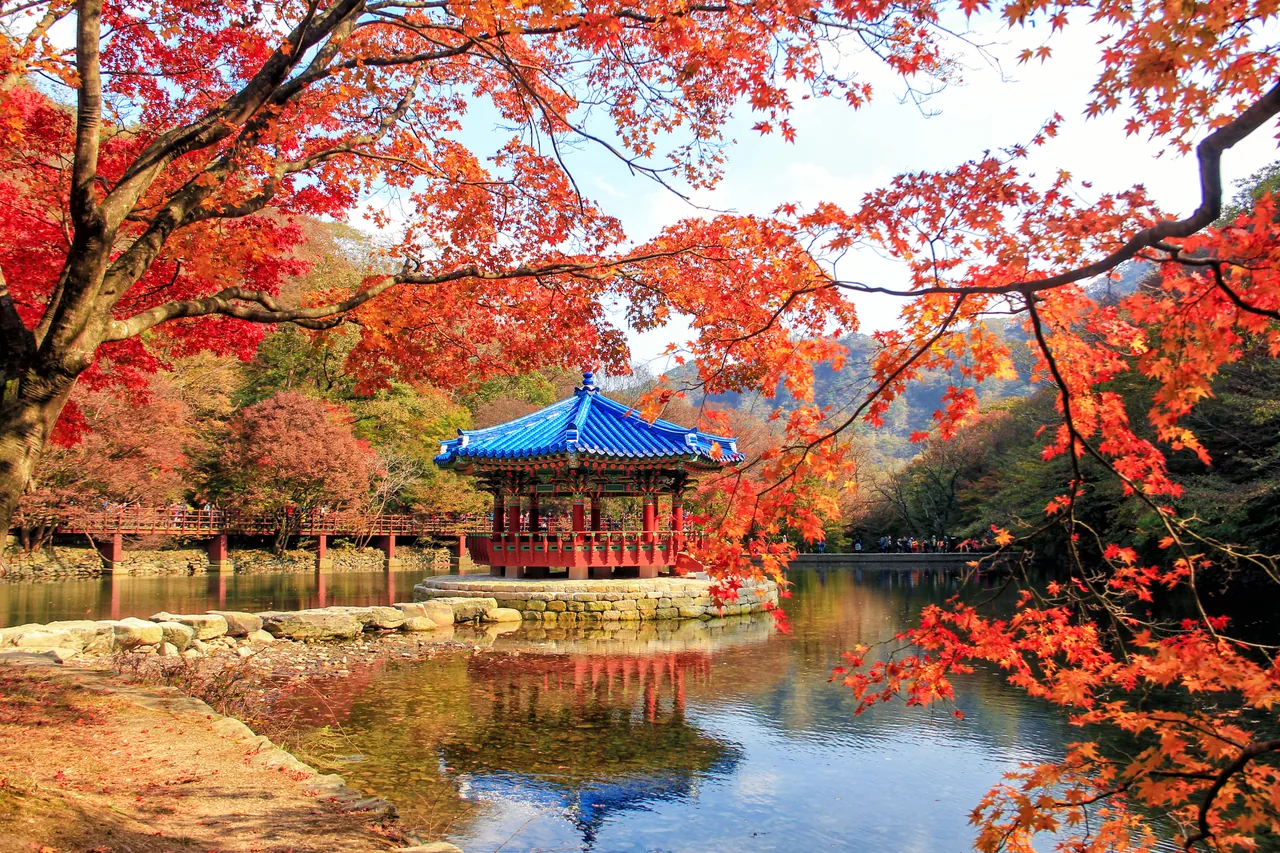
November is the month Busan’s autumn colour peaks. As a southern, coastal city its foliage turns later than inland Korea, with the best colour usually from around the 5th to the 15th (mountain spots peak a few days earlier than the coast):
- Beomeosa & Geumjeongsan: the historic temple and its mountain in the north of the city are Busan’s classic foliage destination, with maples blazing red and gold; the temple area peaks slightly earlier due to elevation.
- Parks & gardens: the city’s parks and temple grounds fill with colour, perfect for an easy autumn stroll.
- Mountain trails: the hiking routes around the city are at their most beautiful, framed by autumn leaves and clear views.
- Timing tip: peak colour shifts a little each year with the weather, so check a foliage forecast close to your trip, and aim for the first half of the month.
4. The Busan Fireworks Festival
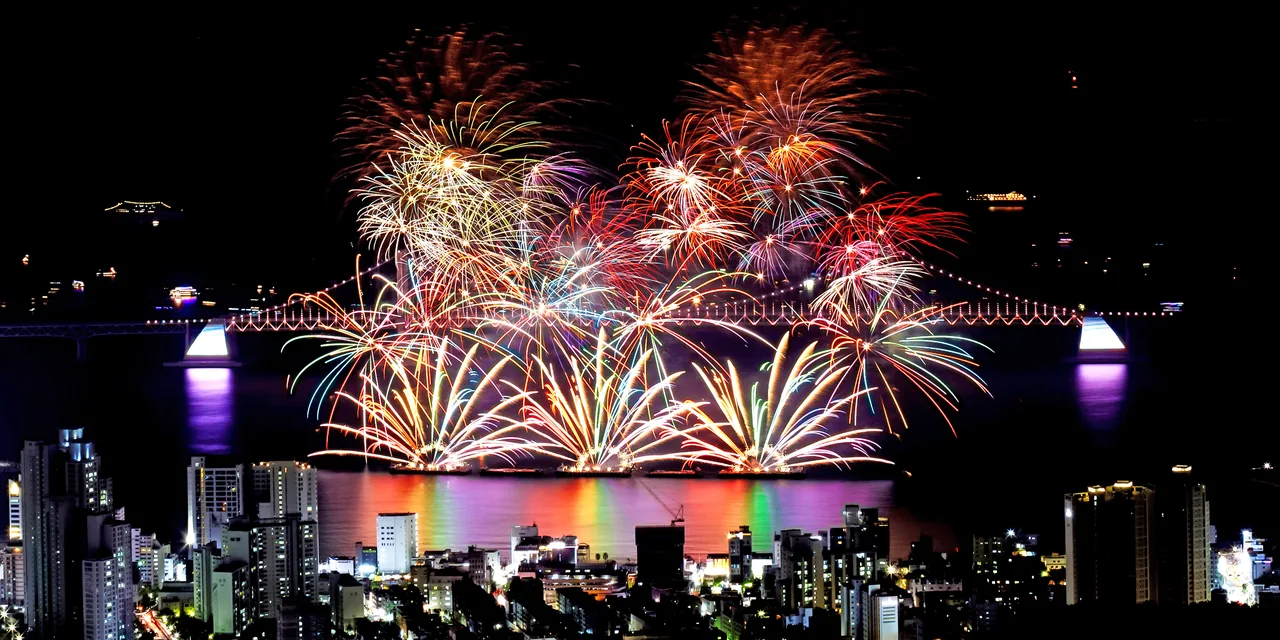
November’s showpiece — and one of Busan’s biggest events of the entire year — is the Busan Fireworks Festival, a spectacular night of pyrotechnics over Gwangalli Beach and the Gwangan Bridge. It is usually held in mid-November (in 2025 it fell on 15 November), and draws huge crowds:
- What it is: one of Korea’s largest and most famous fireworks shows, with elaborate, music-synced displays launched over the bay and the lit Gwangan Bridge as the backdrop.
- Where to watch: Gwangalli Beach is the main stage, with views also from Igidae, Haeundae‘s edges and surrounding high points. There are paid reserved-seat areas and free general viewing along the shore.
- Expect big crowds: hundreds of thousands attend, so arrive early for a spot, expect packed transport, and plan how you will get back.
- Check the date: the exact date changes each year and tickets for reserved seats sell ahead — confirm on the official Busan tourism channels and book early.
5. Crisp-weather outdoor Busan
With dry, sunny, cool days, November is a wonderful month for the outdoors — as long as you dress for the chill. The autumn colour makes everything more beautiful:
- Hiking among the leaves: Geumjeongsan, Jangsan and the city trails are at their autumn best, with foliage and clear, far-reaching views.
- Coastal walks & viewpoints: the seaside cliff paths, Oryukdo, Igidae and the Galmaetgil trails are crisp and clear, with the bonus of autumn colour inland.
- Sightseeing in the sun: Gamcheon Culture Village, the temples and markets are pleasant on bright November days — just warmer in the afternoon than first thing.
- Clear-air views: November’s clean, dry air makes for some of the sharpest views of the year from the city’s lookouts.
6. The beaches & coast in November
November is firmly past swimming season — the sea is cold now — but Busan’s coast remains one of its great pleasures, just for walking and views rather than the water:
- Beautiful, quiet beaches: Haeundae, Gwangalli, Songjeong and Songdo are calm and uncrowded, lovely for bracing walks under clear autumn skies.
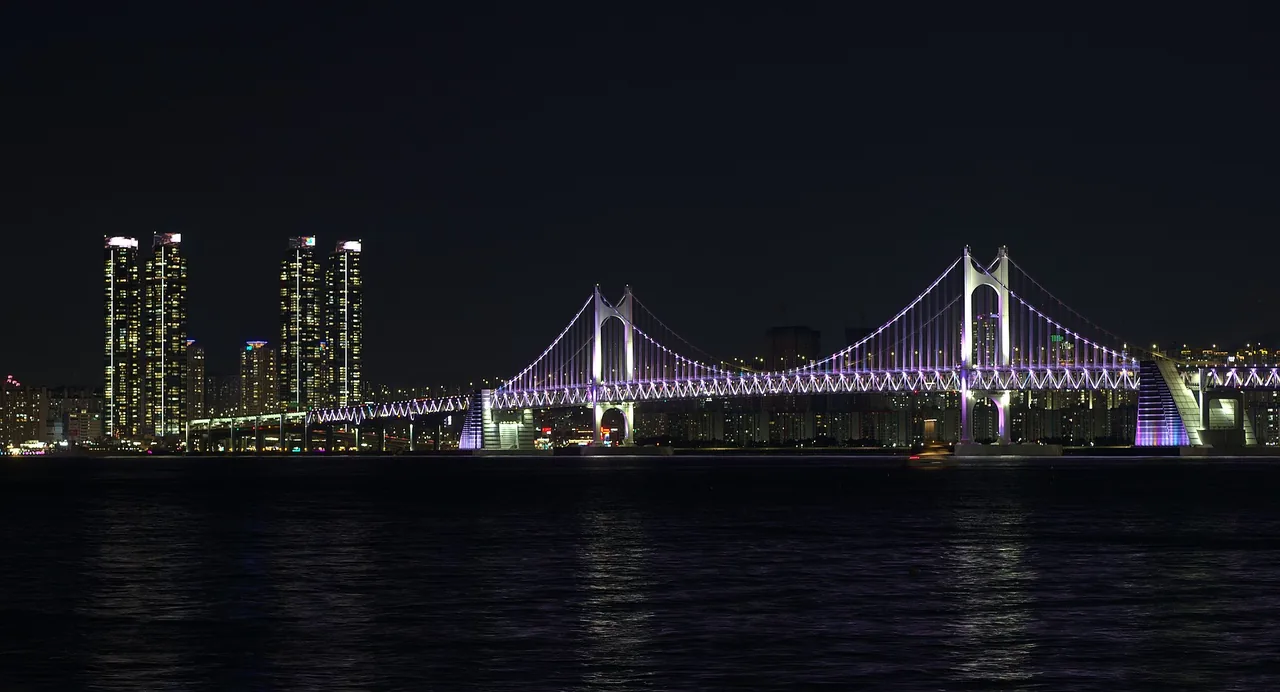
- Gwangalli & the bridge: the Gwangan Bridge view, especially lit at night, is a year-round highlight — and the stage for the Fireworks Festival.
- Coastal cafés: the seafront cafés come into their own in cooler weather, perfect for warming up with a view.
- Hardy surfers: Songjeong keeps a surf scene going for those in wetsuits, but for most, November is for coastal walks, not the water.
7. Other November events & what’s on
Beyond the Fireworks Festival, November rounds off Busan’s busy autumn season:
- Autumn festivals & foliage events: the city and region run autumn cultural events and foliage-season happenings through the first half of the month — check the official tourism calendar.
- The film festival afterglow: following October’s Busan International Film Festival, the city keeps a lively cultural buzz into November.
- Markets & food: autumn is great for Busan’s food scene, from hot street food to seasonal seafood, especially welcome as the air cools.
- Check the dates: exact event dates change each year, so look up Busan’s official tourism event calendar for your travel days.
8. What to pack for November
November is properly autumnal, so pack warm layers for cool days and chilly mornings and evenings:
- A warm jacket: essential — a proper jacket or coat for the chilly mornings, evenings and the waterside Fireworks Festival.
- Layers: sweaters, long sleeves and a few mix-and-match layers for the swing between cold mornings and milder afternoons.
- A scarf (and maybe gloves late in the month): handy as the cold edge appears toward late November.
- Comfortable walking shoes: for hiking, foliage walks and long days out.
- Sun protection: the sun is gentle but the skies are clear, so sunglasses and a little sunscreen still help.
- A small umbrella: rain is uncommon but possible — a compact umbrella covers any wet spell.
9. A smart November itinerary & the verdict
November rewards a plan built around colour, fireworks and crisp days out. Here is how late autumn into early winter compares, then a simple template:
| October | November | December | |
|---|---|---|---|
| Weather | Mild, dry (~20–25°C) | Cool, crisp (~13–16°C) | Cold (~8–10°C) |
| Autumn colour | Starting | Peak (~5th–15th) | Over |
| Big draw | BIFF & crisp weather | Foliage & fireworks | Winter & lights |
| Sea | Cooling | Cold | Cold |
| Crowds | Moderate | Moderate (fireworks busy) | Lower |
- Catch the colour: in the first half of the month, head to Beomeosa and Geumjeongsan for peak foliage on a crisp, clear day.
- Plan for fireworks: if your dates align, base yourself near Gwangalli, arrive early for a spot, and dress warmly.
- Outdoors midday: hike, walk the coast and sightsee in the warmer middle of the day, with cosy indoor stops morning and evening.
- Evenings: chilly but lovely — the lit Gwangan Bridge, warm dinners and hot street food.
The verdict: November is one of Busan’s most beautiful and underrated months — peak autumn colour, crisp clear days, and the spectacular Fireworks Festival, all without summer’s crowds or heat. It is cooler and the beach season is over, but if you come for autumn rather than the sea, dressed for the chill, November is a quietly stunning time to visit. Plan it all with our complete Busan Travel Guide.