
Busan City Tour Bus: Routes, Tickets & Is It Worth It?
The open-top, hop-on hop-off Busan City Tour Bus is the easiest way to string together a city that’s spread along the coast. Here’s how the lines work, what each one sees, prices, where to catch it and how to plan a perfect day.
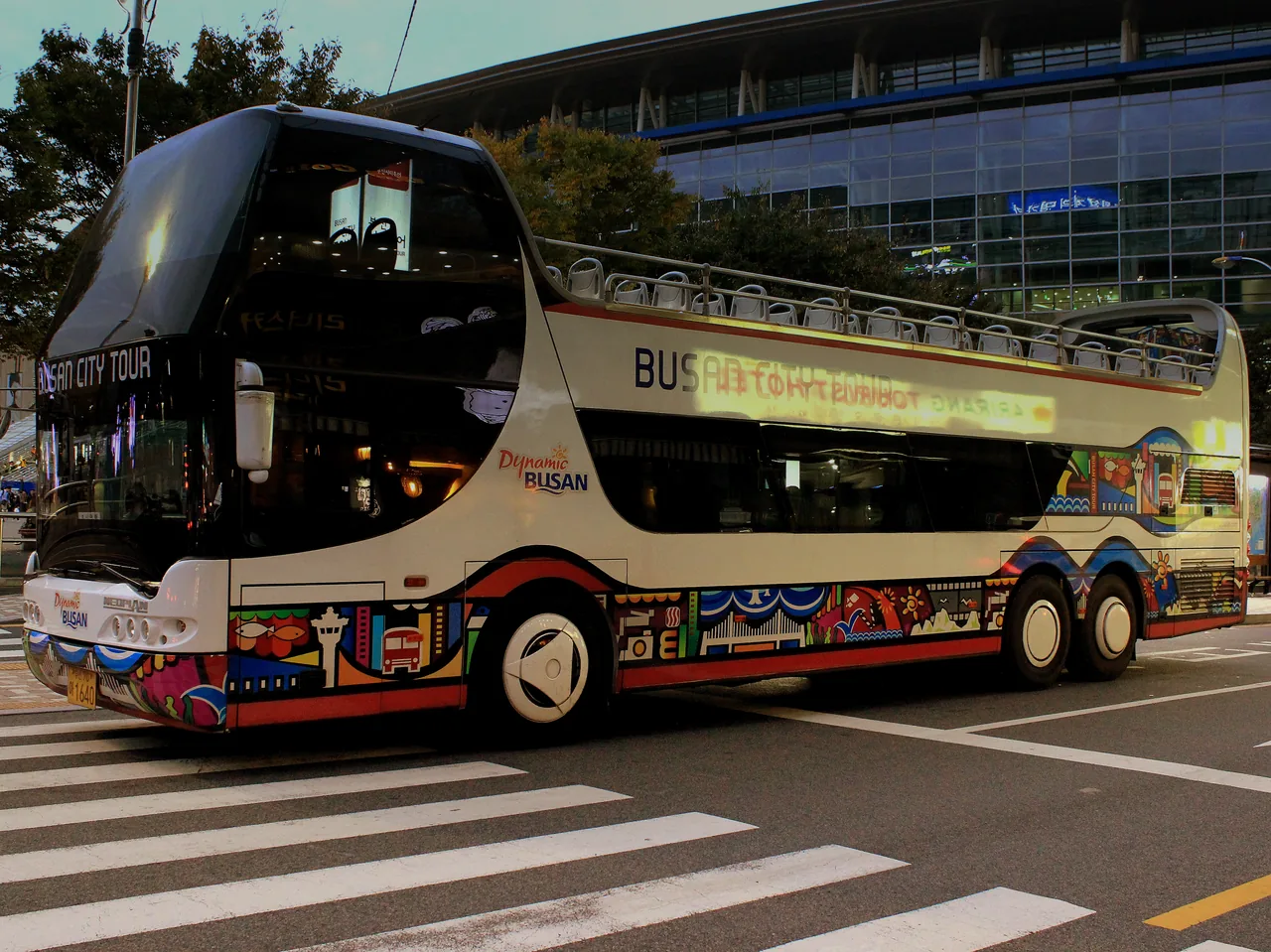
- The Busan City Tour Bus is an open-top, double-decker hop-on hop-off service that loops past the city’s big sights, all starting from Busan Station.
- One day ticket (20,000 won adult / 10,000 won child) gives unlimited rides on the three loop lines — Red (Haeundae & the beaches), Green (Taejongdae & the coast) and Orange (Gamcheon & Dadaepo).
- The separate Blue Line links Haeundae to Haedong Yonggungsa Temple and Gijang for a small extra fee; a Night View tour also runs at times (currently suspended — check before you go).
- Buses run roughly every 50 minutes, Wednesday–Sunday (closed Mon & Tue), so plan your stops around the timetable — and book online for a small discount.
1. Is the Busan City Tour Bus worth it?
2. How it works: hop-on hop-off and the lines
3. The Red Line — Haeundae and the beaches
4. The Green Line — Taejongdae and the coast
5. The Orange Line — Gamcheon and Dadaepo
6. The Blue Line and the night tour
7. Tickets and prices
8. Hours, days and where to catch it
9. Tips for making the most of it
10. A sample day and the verdict
Busan is a gorgeous city, but it’s a long one — beaches, villages and viewpoints are strung out along the coast and over the hills, and hopping between them on public transport eats up time. That’s exactly the gap the Busan City Tour Bus fills: a breezy open-top double-decker that loops the big sights on a single day ticket, so you can sit up top, let the city roll by, and jump off wherever catches your eye. I took the Red Line on a clear afternoon and ended up staying upstairs far longer than planned — the run along the coast past Gwangalli and Marine City with the wind in your face is honestly half the fun. This guide breaks down all the lines and what each one sees, the prices and where to buy, the boarding point at Busan Station, the timetable and operating days, and a sample plan to get the most from one ticket. Use it alongside the rest of your trip with our complete Busan Travel Guide.
1. Is the Busan City Tour Bus worth it?
Yes — for a first visit, or any day you want to cover a lot of ground without puzzling over buses and subways, it’s genuinely worth it. Busan’s sights are spread out, and the hop-on hop-off loops connect the biggest ones in a single, scenic ride for one flat fare.
- It saves planning: one ticket, clear loops, and you simply get off at what you like and back on the next bus.
- The ride itself is a sight: from the open top deck, the coastal stretches — Gwangalli, Marine City, the bridges — are a highlight in their own right.
- Good value if you hop a lot: visit three or four spread-out spots in a day and it easily beats taxis.
2. How it works: hop-on hop-off and the lines
You buy one day ticket, then ride the loop lines as much as you like, getting off at any stop and catching a later bus to carry on. Everything radiates from Busan Station, which is the main hub and transfer point.
- Three loop lines on one ticket: Red (Haeundae and the eastern beaches), Green (Yeongdo, Taejongdae and the coast) and Orange (Gamcheon and the western beaches).
- Hop on, hop off: show your ticket/voucher and you’ll usually get a wristband; then ride, get off, explore, and reboard the next bus at the same stop.
- Audio guide: commentary is offered in several languages (typically Korean, English, Japanese and Chinese).
3. The Red Line — Haeundae and the beaches
The Red Line is the most popular, running from Busan Station out to Haeundae and back along the coast — the classic beaches-and-bridges route.
- Main stops: UN Memorial Cemetery, Busan Museum, Gwangalli Beach, Marine City, Haeundae Beach, Centum City and Peace Park.
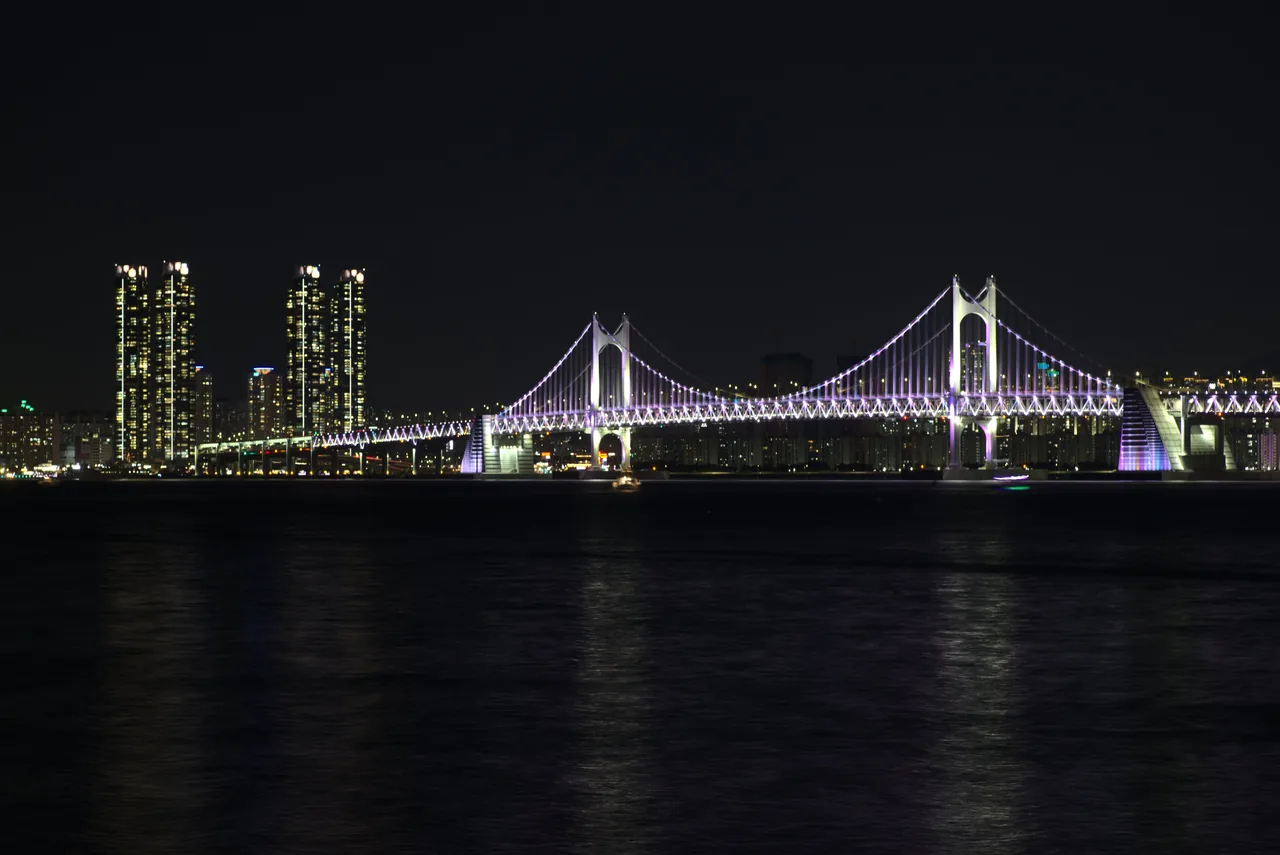
- Why ride it: the coastal run past Gwangalli and Marine City, with views of the Gwangan Bridge, is the most scenic stretch of the whole system.
- Timing: roughly 09:45 to an early-evening last departure from Busan Station, about every 50 minutes.
4. The Green Line — Taejongdae and the coast
The Green Line heads to Yeongdo island and the southern coast, taking in cliffs, sea views and a couple of Busan’s best photo spots.
- Main stops: Huinnyeoul Culture Village, Taejongdae, the National Maritime Museum, the Oryukdo Skywalk, Songdo Beach and the Jagalchi–BIFF Square area.
- Why ride it: Taejongdae’s cliffs and the Oryukdo Skywalk are dramatic, and Huinnyeoul Village is a lovely seaside stroll.
- Timing: roughly 09:30 to an early-evening finish, about every 50 minutes.

5. The Orange Line — Gamcheon and Dadaepo
The Orange Line covers the western side, including two of Busan’s signature stops — Gamcheon Culture Village and Dadaepo Beach.
- Main stops: the Songdo Cloud Trail (skywalk), Gamcheon Culture Village, Dadaepo Beach and Janglim Port.
- Why ride it: Gamcheon’s rainbow hillside is a must-see, and Dadaepo is famous for its sunsets and the Dream Sunset Fountain.
- Timing: runs less often than the others — roughly every 80 minutes, with a last departure around mid-afternoon — so plan carefully.
6. The Blue Line and the night tour
Beyond the three day-pass loops, a Blue Line and a Night View tour add a couple of extras.
- Blue Line: links the Haeundae area to Haedong Yonggungsa Temple and Gijang, handy for reaching that gorgeous seaside temple. It costs a little extra on top of your day ticket (about 5,000 won more for adults, 3,000 for children).
- Night View tour: a themed evening run for Busan’s city lights and coastal views. Note it has been suspended at times, so confirm whether it’s operating before you plan around it.
7. Tickets and prices
One day ticket covers the three loop lines; the Blue Line and night tour are extra.
| Ticket | Price | Covers |
|---|---|---|
| Day pass — adult | 20,000 won | Unlimited Red, Green & Orange lines, one day |
| Day pass — child | 10,000 won | Ages 48 months–13 years |
| Blue Line add-on | +5,000 won adult / +3,000 child | Transfer to the Blue Line |
| Night View tour | 20,000 / 10,000 won | Separate (currently suspended — check) |
- Where to buy: at the Busan Station boarding point, on board, or online in advance.
- Online discounts: booking ahead through travel sites is often a little cheaper than the gate price — worth a look if you’re sure of your day.
8. Hours, days and where to catch it
The tour runs from Busan Station on a fixed timetable, and crucially it does not run every day — so check before you go.
| Detail | Info |
|---|---|
| Start point | Busan Station — by the Ramada Encore (across from Starbucks); KTX Exit 1 / subway Exit 6 |
| Operating days | Roughly Wednesday–Sunday (closed Monday & Tuesday) — confirm current days |
| First/last bus | First departures around 09:20–09:45; last departures late afternoon to early evening by line |
| Frequency | About every 50 minutes (Orange Line roughly every 80) |
| Audio guide | Multiple languages (Korean, English, Japanese, Chinese) |
- Start early: with limited departures and Monday–Tuesday closures, an early start on an operating day gets you the most for one ticket.
- Always check the official schedule: times and operating days change, so confirm on the official Busan City Tour site close to your visit.
9. Tips for making the most of it
A little planning turns one ticket into a brilliant day.
- Pick one or two lines, not all three: the loops are long; trying to do everything means more time on the bus than off it.
- Ride up top, but come prepared: the open deck is the best seat — bring sun protection in summer and a layer for the coastal wind.
- Mind the last bus: note the final departure from your furthest stop, especially on the less-frequent Orange Line.
- Combine with walking: many stops (Gamcheon, Huinnyeoul, Gwangalli) are best explored on foot once you hop off.
- Check the weather: an open-top bus is magic on a clear day and less fun in rain — save it for good weather if you can.
10. A sample day and the verdict
Here’s an easy Red Line day that uses one ticket well.
- MorningCatch an early bus at Busan Station and ride toward the coast; hop off at Gwangalli for the beach and Gwangan Bridge views.
- MiddayReboard to Haeundae; walk the beach, then up to Dongbaek Island or over to Marine City.
- AfternoonHop off at Centum City for Shinsegae and Spa Land, or stay aboard for the scenic loop back.
- Golden hourTime the coastal stretch for late afternoon light, then head back to Busan Station.
Verdict: the Busan City Tour Bus is one of the smartest ways to see a city that sprawls along the sea — a single, good-value ticket, a comfortable open-top ride that’s a sight in itself, and easy hops to the beaches, villages and viewpoints. Just respect the timetable (and the Monday–Tuesday closures), pick a line or two, and pray for clear skies. Plan the rest of your trip with our complete Busan Travel Guide.