
How Much Does a Trip to Busan Cost? A Full Budget Breakdown
Exactly what a trip to Busan costs in 2026 — daily budgets for backpackers, mid-range and luxury travellers, real prices for hotels, food, transport and attractions, ready-made 3- and 5-day totals, and the money-saving tricks that actually work. All figures in Korean won with US-dollar guides.
- Plan on roughly ₩60,000–90,000 per day as a backpacker, ₩150,000–250,000 mid-range, and ₩400,000+ for luxury — per person, covering a bed, food, local transport and sightseeing (international flights extra).
- Busan is one of Korea’s best-value big cities — about 5% cheaper than Seoul, with a flat ₩1,300–1,500 metro fare, street meals from ₩3,000 and dozens of free sights.
- A typical mid-range 3-day trip lands around ₩450,000–750,000 per person in the city (before flights), and a couple sharing a room brings the per-person cost down fast.
- Your biggest levers are accommodation and how you eat: mix market and convenience-store meals with the odd splurge, base in value areas like Seomyeon or Nampo, and a Visit Busan Pass can pay for itself on a busy sightseeing day.
1. How much does a trip to Busan cost?
2. Daily budget at a glance (3 styles)
3. Accommodation: what a bed costs
4. Food: eating from ₩6,000 to ₩60,000
5. Getting around: transport costs
6. Attractions & activities: what you’ll pay (and what’s free)
7. SIM, eSIM & staying connected
8. Getting to Busan & one-time costs
9. Sample budget: a 3-day Busan trip
10. Sample budget: a 5-day Busan trip
11. A real day of spending in Busan
12. Budgets by traveller: solo, couple, family, backpacker
13. Hidden & unexpected costs to budget for
14. Busan vs Seoul vs other Korean cities
15. Where to splurge, where to save
16. Top money-saving tips for Busan
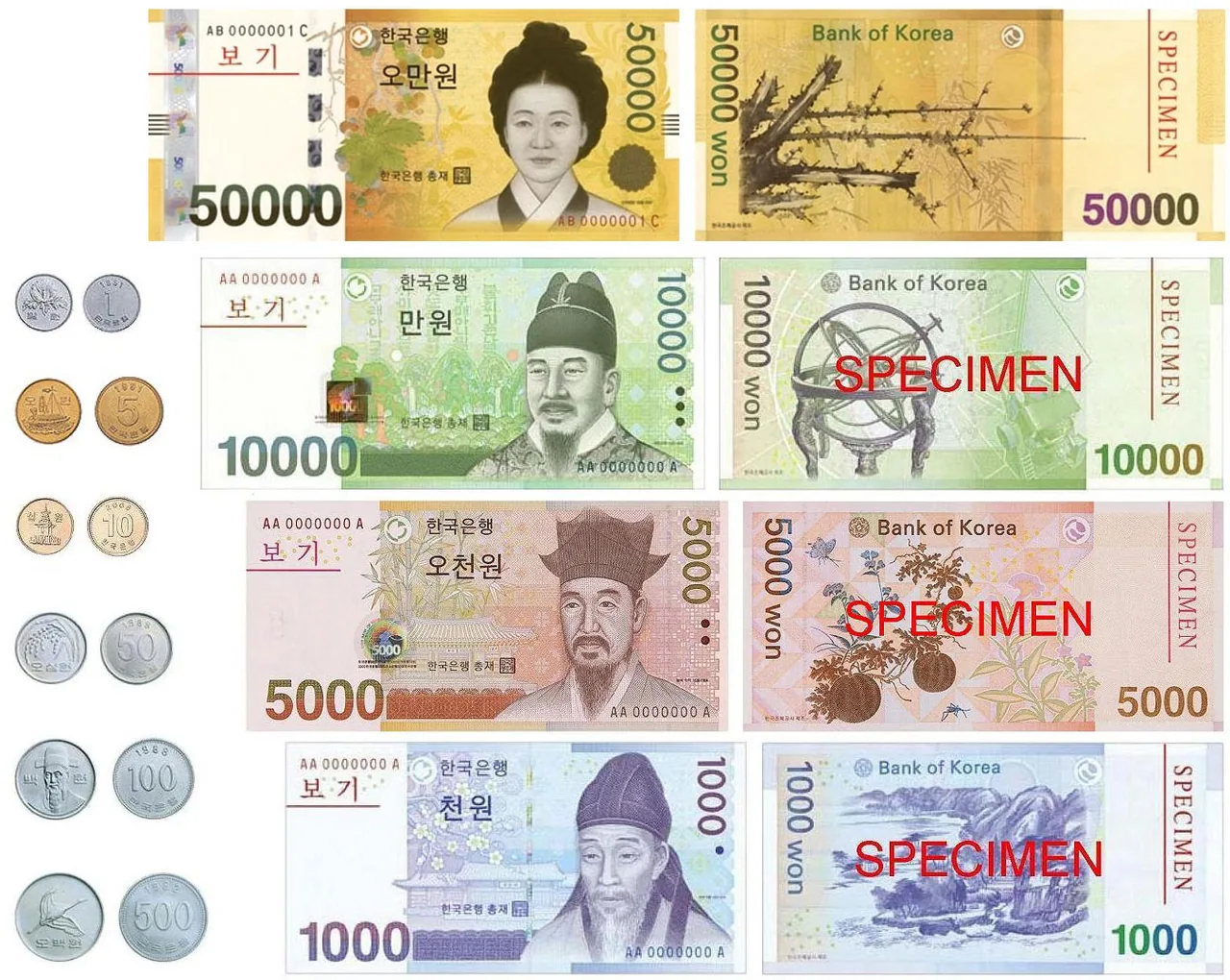
“How much will Busan cost me?” is the first question most people ask, and the honest answer is: less than you think, and almost exactly as much as you decide. Busan is one of the best-value major cities in Asia — a place where you can eat a brilliant bowl of pork soup for under ₩10,000, ride a spotless metro for ₩1,500, and see half the city’s best sights for free, then blow the savings on a beachfront hotel and a seafood feast if you want to. We’ve travelled Busan on a backpacker’s shoestring and on a comfortable mid-range budget, and this guide lays out exactly what everything costs in 2026, with real won prices and dollar guides throughout. You’ll find daily budgets for three travel styles, line-by-line costs for accommodation, food, transport and attractions, ready-made totals for 3- and 5-day trips, a real day of spending, budgets for solo travellers, couples and families, where to splurge versus save, and the money-saving tricks that genuinely move the needle. Plan it alongside the rest of your trip with our complete Busan Travel Guide. (All prices are in Korean won, ₩; as a rough guide ₩1,400 ≈ US$1 in 2026, but check the live rate before you travel.)
1. How much does a trip to Busan cost?
As a per-person daily guide covering accommodation, food, local transport and sightseeing, budget around ₩60,000–90,000 (about US$45–65) as a backpacker, ₩150,000–250,000 (US$110–180) for a comfortable mid-range trip, and ₩400,000+ (US$300+) for luxury. International flights are extra and depend entirely on where you’re coming from.
| Travel style | Per person / day | What it looks like |
|---|---|---|
| Backpacker | ₩60,000–90,000 | Hostel dorm, street food & convenience stores, metro everywhere, free sights |
| Mid-range | ₩150,000–250,000 | 3-star hotel, restaurant meals, some paid attractions, the occasional taxi |
| Luxury | ₩400,000–700,000+ | Beachfront 4–5★ hotel, fine dining & seafood, taxis, tours and spas |
The single biggest variable is accommodation, followed by how you eat and how much you drink. Two people sharing a room cut the per-person cost dramatically, and a few free-sight days balance out a splurge.
2. Daily budget at a glance (3 styles)
Here’s how a typical day breaks down for each travel style — per person, in Korean won. Real trips mix and match, so treat these as anchors rather than rules.
| Per person / day | Backpacker | Mid-range | Luxury |
|---|---|---|---|
| Accommodation | ₩20,000–30,000 (dorm) | ₩50,000–90,000 (share of twin) | ₩200,000–400,000 (share of suite) |
| Food & drink | ₩15,000–25,000 | ₩40,000–70,000 | ₩100,000–200,000 |
| Local transport | ₩4,000–8,000 | ₩8,000–15,000 | ₩20,000–40,000 (taxis) |
| Sights & activities | ₩0–15,000 | ₩15,000–40,000 | ₩40,000–100,000 |
| Daily total | ₩60,000–90,000 | ₩150,000–250,000 | ₩400,000–700,000 |
3. Accommodation: what a bed costs
Accommodation is your biggest single expense, and Busan offers everything from ₩20,000 dorm beds to ₩500,000 beach suites. Where you stay and how many you split with matters more than anything else in your budget.
| Type | Per night | Notes |
|---|---|---|
| Hostel dorm bed | ₩18,000–30,000 | Cheapest beds, often in Seomyeon or Nampo |
| Budget motel / guesthouse (private) | ₩45,000–70,000 | Korean “motels” are clean, private and great value |
| Mid-range 3★ hotel | ₩80,000–130,000 | Best value in Seomyeon, central and on two metro lines |
| Upscale / beach 4★ | ₩130,000–250,000 | Haeundae beachfront, sea views |
| Luxury 5★ resort | ₩300,000–600,000+ | Grand Josun, Park Hyatt, Signiel and similar |
For value, Seomyeon is the smart base — central, cheaper than the beach and on both metro lines — while Nampo gives you the old-town markets on your doorstep. Haeundae costs more but buys you the beach.
4. Food: eating from ₩6,000 to ₩60,000
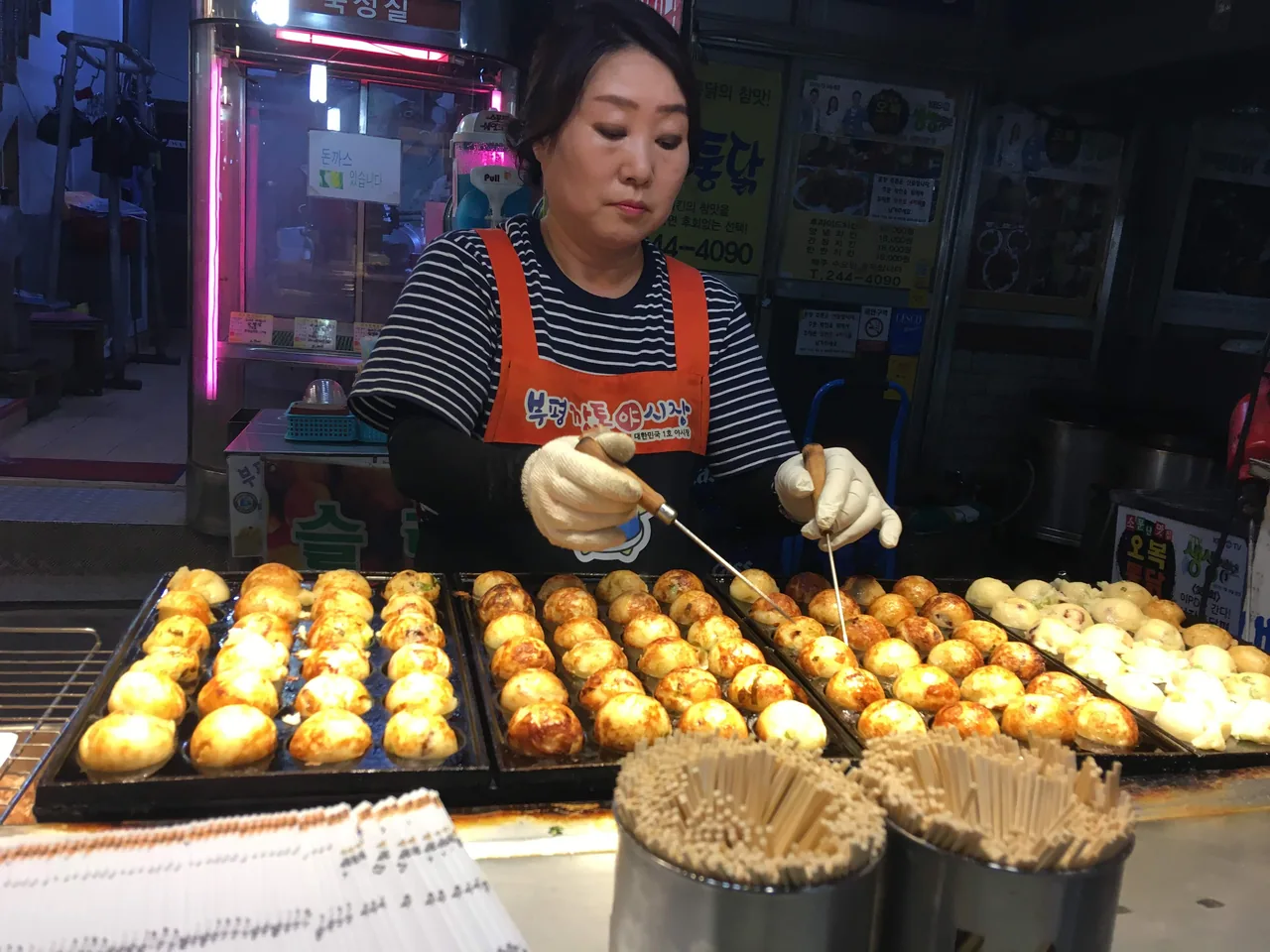
Busan is a food city where you can eat superbly on very little. A full day of eating runs from about ₩15,000 if you live on markets and convenience stores to ₩70,000+ if you do sit-down restaurants and Korean BBQ with drinks.
| What | Price |
|---|---|
| Convenience-store meal (kimbap, rice box, ramyeon) | ₩3,000–6,000 |
| Street-food snack (hotteok, eomuk, tteokbokki) | ₩2,000–5,000 |
| Bowl of dwaeji-gukbap or milmyeon | ₩9,000–12,000 |
| Café coffee | ₩4,500–6,000 |
| Mid-range restaurant main | ₩12,000–25,000 |
| Korean BBQ (samgyeopsal, per 200g portion) | ₩12,000–16,000 |
| Soju (convenience store / restaurant) | ₩2,000 / ₩4,000–6,000 |
| Fresh seafood feast at Jagalchi (per person) | ₩30,000–60,000+ |
The cheapest, tastiest eating is in the markets and food alleys — a bowl of pork soup, a seed-stuffed hotteok and a market lunch will fill you up for under ₩20,000 a day.
5. Getting around: transport costs
Busan’s public transport is cheap, clean and easy — a flat metro fare of around ₩1,300–1,500 takes you almost anywhere. Most travellers spend very little on transport here.
| Mode | Cost |
|---|---|
| Metro single ride (with transit card) | ₩1,300 (under 10km) / ₩1,500 (further) |
| City bus | ~₩1,550 (card) |
| Taxi base fare | ₩4,800, then by distance |
| Gimhae Airport → city (limousine bus) | ~₩7,000 |
| Gimhae Airport → city (light rail + metro) | ~₩1,300–1,700 |
| KTX Seoul → Busan (one way) | ₩59,800 (range ₩50,000–85,000) |
Buy a rechargeable Cashbee or T-money card the moment you arrive — it’s cheaper than cash fares, works on metro and buses, gives free transfers, and even pays in convenience stores.
6. Attractions & activities: what you’ll pay (and what’s free)
Many of Busan’s best experiences are free — its beaches, mountain temples, mural villages and markets cost nothing. Paid attractions are reasonable, and a Visit Busan Pass can bundle them for savings.
| Attraction | Typical price |
|---|---|
| Busan Tower | ₩13,000–16,000 |
| BUSAN X the Sky observatory | ~₩27,000–29,000 |
| SEA LIFE Busan Aquarium | ~₩29,000 (cheaper online) |
| Lotte World Adventure Busan | ~₩47,000 day pass |
| Sky Capsule (Blue Line Park) | ₩30,000–39,000 (by seats) |
| Visit Busan Pass (24H / 48H) | ~₩49,000 / ~₩69,000 |
| Beaches, temples, Gamcheon, markets | Free |
If you plan a packed day of paid sights, the Visit Busan Pass can pay for itself; if you prefer beaches and markets, you’ll barely spend a thing on entry.
7. SIM, eSIM & staying connected
Budget a one-off cost for connectivity — an eSIM or tourist SIM is cheap and essential for maps, translation and transport apps.
- Tourist SIM / eSIM: roughly ₩10,000–35,000 depending on data and days — an eSIM you set up before you fly is the easiest option.
- Pocket WiFi: around ₩5,000–8,000 per day, worth it only for groups sharing one device.
- Free WiFi: widespread in cafés, stations and many public areas, but you’ll want your own data for Korean map apps.
8. Getting to Busan & one-time costs
Beyond your daily spend, budget for the costs of actually getting to Busan — flights, possibly the KTX from Seoul, and entry formalities.
- Flights: highly variable — short hops from Japan can be very cheap, while long-haul fares dominate the budget for visitors from further afield. This is usually your single biggest cost, so book early.
- KTX from Seoul: if you fly into Seoul first, the high-speed train to Busan is about ₩59,800 one way (roughly ₩100,000 round trip), taking about 2h15.
- K-ETA: South Korea has waived the K-ETA requirement for 67 visa-exempt countries through 31 December 2026, so eligible travellers currently pay nothing; if it returns, expect around ₩10,000. An e-Arrival Card may be required — check before you fly.
- Travel insurance: a sensible fixed cost most travellers should add.
9. Sample budget: a 3-day Busan trip
Here’s what a 3-day Busan trip costs per person, in the city (before international flights), across the three styles. Mid-range and luxury assume two people sharing a room.
| 3 days / 2 nights | Backpacker | Mid-range | Luxury |
|---|---|---|---|
| Accommodation (2 nights) | ₩40,000–60,000 | ₩100,000–180,000 | ₩400,000–800,000 |
| Food & drink (3 days) | ₩45,000–75,000 | ₩120,000–210,000 | ₩300,000–600,000 |
| Transport (3 days) | ₩15,000–25,000 | ₩30,000–50,000 | ₩80,000–150,000 |
| Sights & activities | ₩0–40,000 | ₩50,000–100,000 | ₩120,000–300,000 |
| Per-person total | ≈ ₩100,000–200,000 | ≈ ₩450,000–750,000 | ≈ ₩1,200,000–2,200,000 |
10. Sample budget: a 5-day Busan trip
For a longer stay, here’s a 5-day budget per person in the city, including a day trip and a Visit Busan Pass for the mid-range plan.
| 5 days / 4 nights | Backpacker | Mid-range | Luxury |
|---|---|---|---|
| Accommodation (4 nights) | ₩80,000–120,000 | ₩200,000–360,000 | ₩800,000–1,600,000 |
| Food & drink (5 days) | ₩75,000–125,000 | ₩200,000–350,000 | ₩500,000–1,000,000 |
| Transport + a day trip | ₩40,000–70,000 | ₩80,000–130,000 | ₩200,000–350,000 |
| Sights, pass & activities | ₩20,000–60,000 | ₩80,000–150,000 | ₩200,000–450,000 |
| Per-person total | ≈ ₩220,000–380,000 | ≈ ₩560,000–990,000 | ≈ ₩1,700,000–3,400,000 |
11. A real day of spending in Busan
To make it concrete, here’s an honest mid-range day in Busan for one person — the kind of day we actually have.
| Item | Cost |
|---|---|
| Breakfast: café coffee & pastry | ₩8,000 |
| Metro to Haeundae & around (3 rides) | ₩4,200 |
| Lunch: bowl of dwaeji-gukbap | ₩10,000 |
| BUSAN X the Sky observatory | ₩27,000 |
| Afternoon café & snack | ₩9,000 |
| Dinner: Korean BBQ with sides | ₩25,000 |
| A couple of beers / soju | ₩10,000 |
| Share of a mid-range hotel room | ₩60,000 |
| Day total | ₩153,200 |
Swap the observatory for a free beach day and the BBQ for a market dinner, and the same day drops below ₩100,000. Add a beachfront hotel and seafood, and it climbs past ₩300,000.
12. Budgets by traveller: solo, couple, family, backpacker
Your per-person cost depends a lot on who you travel with — sharing rooms is the biggest saving of all. Here’s a rough guide for a comfortable mid-range 5-day trip in the city, before flights.
- Solo traveller: you pay the full room rate, so budget around ₩800,000–1,200,000 for 5 mid-range days — or far less in hostels.
- Couple: sharing one room, around ₩1,200,000–1,900,000 total (₩600,000–950,000 each) — the best value per person.
- Family of four: roughly ₩2,200,000–3,500,000 total for 5 days, helped by kids’ discounts and family rooms; see our Busan with kids guide.
- Backpacker: dorms, markets and free sights bring a 5-day trip down to ₩220,000–380,000 per person plus flights.
13. Hidden & unexpected costs to budget for
Build in a buffer of 10–15% for the costs that don’t show up in the daily plan. They’re small individually but add up.
- Taxis when the metro stops: the metro closes around midnight, so a late night out means a taxi home (from ₩4,800).
- Coffee and snacks: Busan’s café culture is a quiet budget-killer — easily ₩10,000–20,000 a day if you’re not watching.
- Souvenirs and cosmetics: Korean skincare and beauty shopping is hard to resist.
- Card and ATM fees: foreign-card withdrawals carry fees; bring some cash and a fee-friendly card.
- Day trips: a bus to Gyeongju or Tongyeong and entry fees add up on top of your Busan days.
- Luggage storage, tips for tours, the odd splurge meal.
14. Busan vs Seoul vs other Korean cities
Busan is about 5% cheaper than Seoul overall, and noticeably better value for what you get — beaches, mountains and markets included.
- Busan vs Seoul: accommodation, dining and taxis all run a little cheaper in Busan, while transport fares are similar. Busan also packs free, world-class scenery that Seoul charges for.
- Busan vs Gyeongju / Tongyeong: smaller cities and day-trip towns are cheaper still for food and lodging, though you’ll spend on the bus to reach them.
- Combining cities: if you’re doing Seoul and Busan, the KTX (around ₩59,800 each way) is the main extra cost — factor it in.
15. Where to splurge, where to save
The art of a Busan budget is knowing which won to spend and which to save. Here’s where we put our money — and where we don’t.
- Splurge on: one great seafood meal at Jagalchi, a night in a Haeundae sea-view room, a single standout observatory or cable car, and a Korean BBQ dinner — the experiences you’ll remember.
- Save on: breakfasts (convenience stores and cafés), transport (metro, never taxis by day), and sightseeing (beaches, temples, Gamcheon and markets are free).
- The smartest swap: base in Seomyeon for value and treat Haeundae as a day out, rather than paying beach prices every night.
16. Top money-saving tips for Busan
These are the moves that genuinely lower your Busan bill without hurting the trip.
- Get a transit card (Cashbee/T-money) on arrival — cheaper fares, free transfers, and it pays in shops.
- Eat in markets and convenience stores for at least one meal a day — Busan’s cheapest food is often its best.
- Base in Seomyeon or Nampo, not the beach, for lower room rates and central transport.
- Book attraction tickets online — almost always cheaper than the gate, and consider a Visit Busan Pass for packed days.
- Lean on free sights — beaches, temples, Gamcheon, the markets and the coastal walks cost nothing.
- Travel in shoulder season (spring/autumn) — beach hotels spike in summer and during festivals.
- Share rooms — the single biggest per-person saving there is.
- Refill water and use convenience-store coffee to tame the daily café drip.