
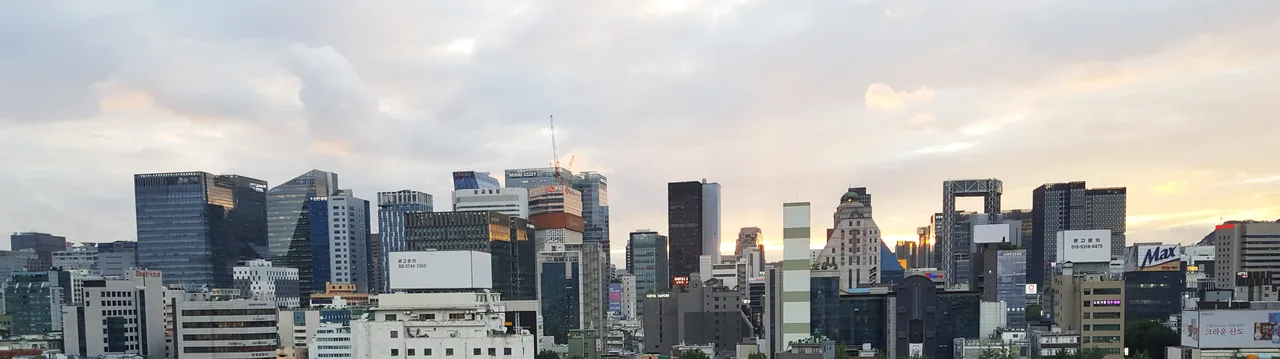
The Perfect Korea Itinerary: 7 & 10-Day Routes, Day by Day
Ready-made, day-by-day routes for the perfect trip to Korea — a classic 7-day plan, a fuller 10-day loop, and quick 3, 5 and 14-day versions. Covers Seoul, Busan, Gyeongju and Jeju, with transport, costs and the timing that makes it all flow.
| How many days | 7–10 days is the sweet spot. With 7 you can do Seoul and Busan properly; with 10 you add Gyeongju or Jeju. Got 3–5 days? Base yourself in Seoul with a day trip or a quick Busan hop. |
|---|---|
| The classic route | Seoul → (Gyeongju) → Busan, connected by the fast KTX train. Most people fly into Seoul (Incheon) and out of Busan, or loop back. |
| Getting around | The KTX links the major cities (Seoul–Busan in ~2.5 hrs). Within cities, use the metro and a T-money card. A Korail Pass can pay off for multi-city trips. |
| When to go | Spring (Apr–May) and autumn (Sep–Nov) are ideal — mild, dry and beautiful. Summer is hot and wet; winter is cold but great for snow and fewer crowds. |
| Don’t over-pack it | Korea is easy to travel but cities reward slow days. Two bases beat five one-night stops. Build in buffer time and a ‘nothing planned’ afternoon. |
1. The perfect Korea itinerary: how to use this guide
2. How many days do you need in Korea?
3. The classic 7-day Korea itinerary
4. The 10-day Korea itinerary (the ideal first-timer route)
5. Short on time: the 3-day & 5-day itineraries
6. Two weeks+: the 14-day grand tour
7. Before you go: visa, money, data & apps
8. Getting around Korea: KTX, buses, flights & passes
9. Seoul in your itinerary: what not to miss
10. Busan in your itinerary
11. Gyeongju, Jeonju & other worthwhile stops
12. The Jeju Island add-on
13. Korea itineraries by interest
14. Seasonal itineraries: cherry blossom, autumn & winter
15. What a Korea trip costs
16. Smart planning: pacing, booking & mistakes to avoid
1. The perfect Korea itinerary: how to use this guide
For a first trip to Korea, the perfect itinerary is 7 to 10 days, built around Seoul and Busan and connected by the KTX high-speed train. Seven days lets you see both cities properly; ten lets you slot in Gyeongju’s history or a few days on Jeju Island. The classic route runs Seoul → (Gyeongju) → Busan, and it’s the backbone of almost everything below.
This guide gives you complete, day-by-day plans you can follow as-is or remix: a 7-day and a 10-day itinerary in full, plus quick 3-day, 5-day and 14-day versions, breakdowns of each city, itineraries by interest and season, costs, and the practical know-how that ties it together. Use it alongside our complete Korea Travel Guide for the big picture.
2. How many days do you need in Korea?
You can get a real taste of Korea in as little as 3 days, but more time unlocks the rest of the country. Here’s what each trip length comfortably covers:
| Days | What you can do | Best for |
|---|---|---|
| 3 days | Seoul highlights + one day trip | A stopover or a taster |
| 5 days | Seoul in depth + a quick Busan or DMZ add-on | A short but satisfying first trip |
| 7 days | Seoul + Busan, both done well | The classic, best-value trip |
| 10 days | Seoul + Gyeongju + Busan, or add Jeju | The ideal first-timer route |
| 14 days | The grand tour: Seoul, Busan, Jeju, Gyeongju, Jeonju & more | Seeing the country properly |
3. The classic 7-day Korea itinerary
This is the route most first-timers should take: 4 days in Seoul, then the KTX down to Busan for 3. It balances palaces, food, markets, neon and beaches, and it’s easy to fly into Seoul (Incheon) and out of Busan (Gimhae) so you don’t backtrack.
- Day 1 — Seoul: arrive & ease in Land, sort your data and T-money, check in around Myeongdong or Hongdae. Evening stroll, street food, and an early night.
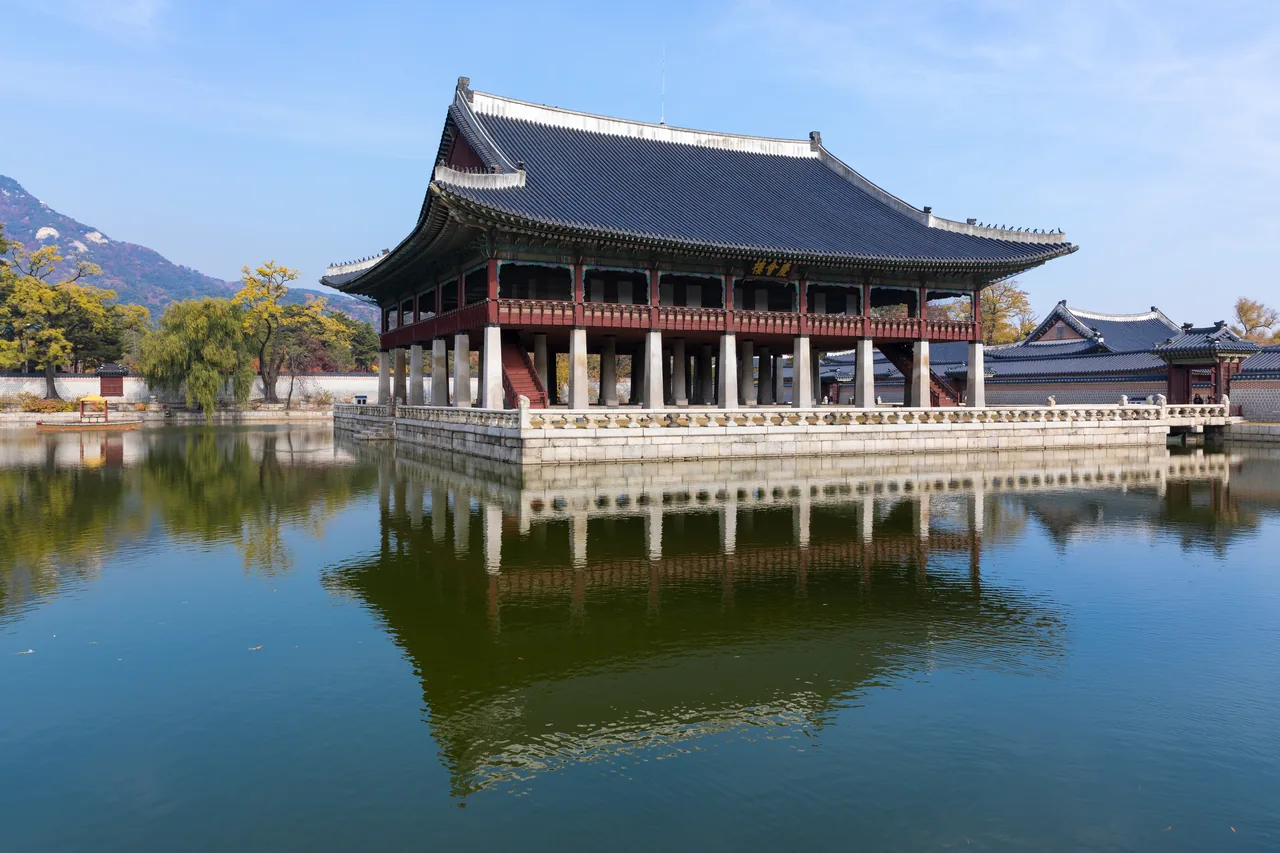
- Day 2 — Seoul: palaces & tradition Gyeongbokgung (rent a hanbok for free entry), Bukchon Hanok Village, Insadong, and Gwangjang Market for dinner.
- Day 3 — Seoul: modern & views Myeongdong shopping, N Seoul Tower, Dongdaemun (DDP), then Hongdae nightlife or a Han River evening.
- Day 4 — Day trip or deep dive A DMZ tour, Nami Island & the Garden of Morning Calm, or more Seoul neighbourhoods (Seongsu, Ikseon-dong).
- Day 5 — KTX to Busan Morning train (~2.5 hrs). Afternoon at Haeundae Beach and the Blue Line Park sky capsule; seafood dinner.
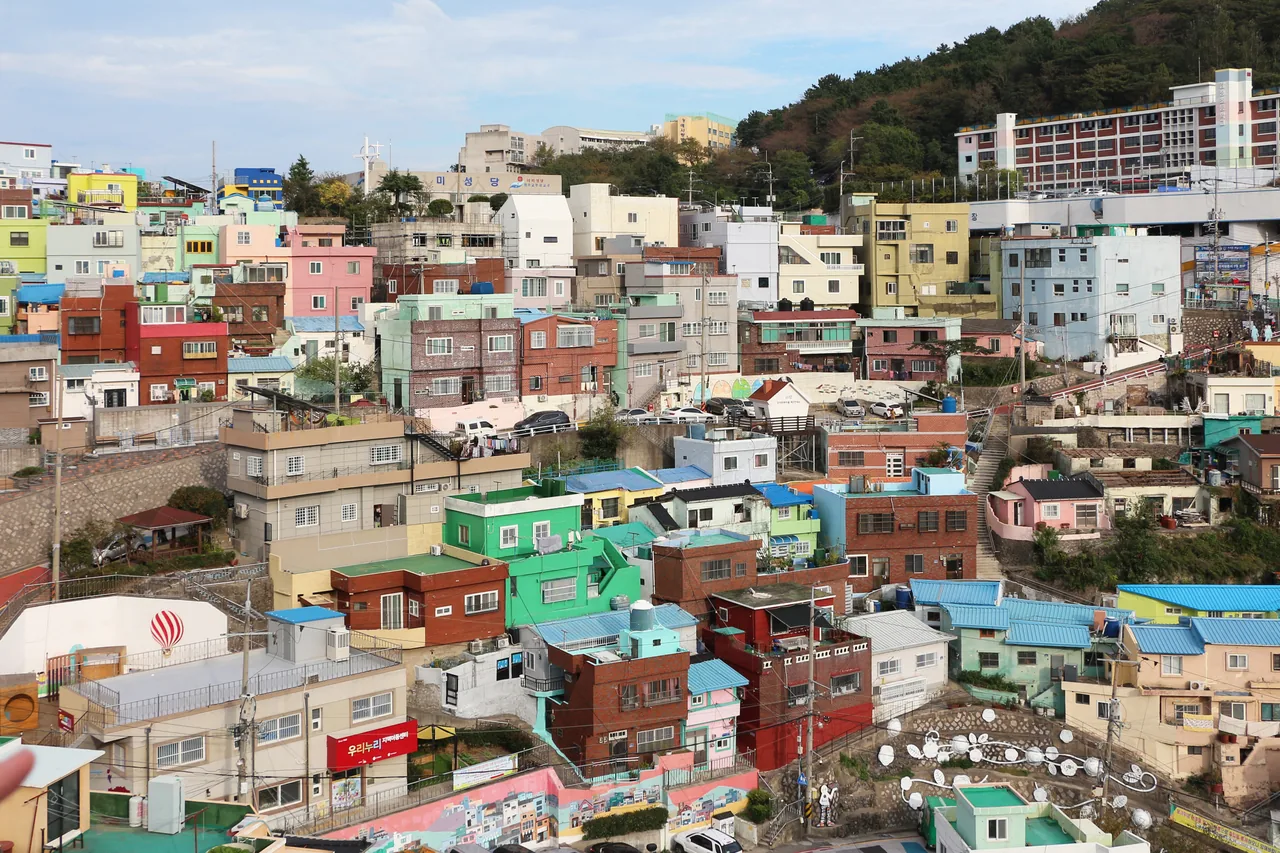
- Day 6 — Busan: colour & coast Gamcheon Culture Village, Jagalchi Market, Gukje Market, and Gwangalli Beach for the bridge light show at night.
- Day 7 — Busan: temple & departure Haedong Yonggungsa seaside temple in the morning, last bites of dwaeji-gukbap, then fly home from Gimhae.
4. The 10-day Korea itinerary (the ideal first-timer route)
With ten days you keep the Seoul–Busan spine but add Gyeongju, Korea’s ancient capital, and breathing room. (Swap Gyeongju for a few days on Jeju if beaches and nature are more your thing.)
- Days 1–4 — Seoul The full Seoul plan above: palaces, hanok villages, markets, N Seoul Tower, shopping, nightlife, plus a DMZ or Nami Island day trip.
- Day 5 — KTX to Gyeongju Train to Korea’s “museum without walls.” Bulguksa Temple, Seokguram Grotto, and the royal tombs of Daereungwon.
- Day 6 — Gyeongju Cheomseongdae observatory, Donggung Palace & Wolji Pond (stunning at night), Hwangnidan-gil cafe street.
- Day 7 — On to Busan Short hop to Busan. Settle in at Haeundae or Seomyeon; evening at Gwangalli Beach.
- Day 8 — Busan: colour & markets Gamcheon Culture Village, Jagalchi & Gukje markets, BIFF Square street food.
- Day 9 — Busan: coast & temple Haedong Yonggungsa, Blue Line Park, Taejongdae or Songdo cable car, seafood feast.
- Day 10 — Slow finish & fly out A spa/jjimjilbang morning, last-minute shopping, and a relaxed departure from Gimhae.
5. Short on time: the 3-day & 5-day itineraries
Only have a few days? Base yourself in Seoul and go deep rather than wide.
3 days in Seoul
- Day 1: Gyeongbokgung & hanbok, Bukchon, Insadong, Gwangjang Market.
- Day 2: Myeongdong, N Seoul Tower, Dongdaemun, Hongdae at night.
- Day 3: A DMZ tour or Nami Island, or trendy neighbourhoods (Seongsu, Ikseon-dong) and a Han River sunset.
5 days
Do the 3-day Seoul plan, then either (a) add two days in Busan by KTX, or (b) stay in Seoul and add a day trip plus the palaces and markets you missed. Option (a) is more rewarding if you don’t mind a faster pace.
6. Two weeks+: the 14-day grand tour
With two weeks you can see Korea properly, mixing big cities, history, islands and slower regional stops.
- Days 1–4 — Seoul Palaces, markets, neighbourhoods, a DMZ day trip.
- Days 5–6 — Jeonju The home of bibimbap and a beautifully preserved hanok village.
- Days 7–8 — Gyeongju Ancient temples, tombs and the Silla dynasty’s treasures.
- Days 9–11 — Busan Beaches, markets, temples and the best seafood in the country.
- Days 12–14 — Jeju Island Fly over for Hallasan, waterfalls, coastal drives and black-pork BBQ.
7. Before you go: visa, money, data & apps
A little prep makes the whole trip smoother. Sort these before you fly:
- Entry & K-ETA — many nationalities enter visa-free, but check whether you need a K-ETA travel authorisation first. See our Korea visa & K-ETA guide.
- Money — foreign cards work widely; carry some cash for markets. Our Korea money guide covers cards, ATMs and the no-tipping culture.
- Data — get an eSIM or SIM so your maps and apps work from the airport; see the Korea SIM & eSIM guide.
- Apps — download KakaoMap/Naver Map (Google Maps doesn’t navigate Korea), Papago and Kakao T. Full setup in our Korea travel apps guide.
- Etiquette — a few customs (two hands, shoes off, no tipping) go a long way; skim our Korea etiquette guide.
8. Getting around Korea: KTX, buses, flights & passes
Korea is compact and superbly connected, so city-hopping is painless.
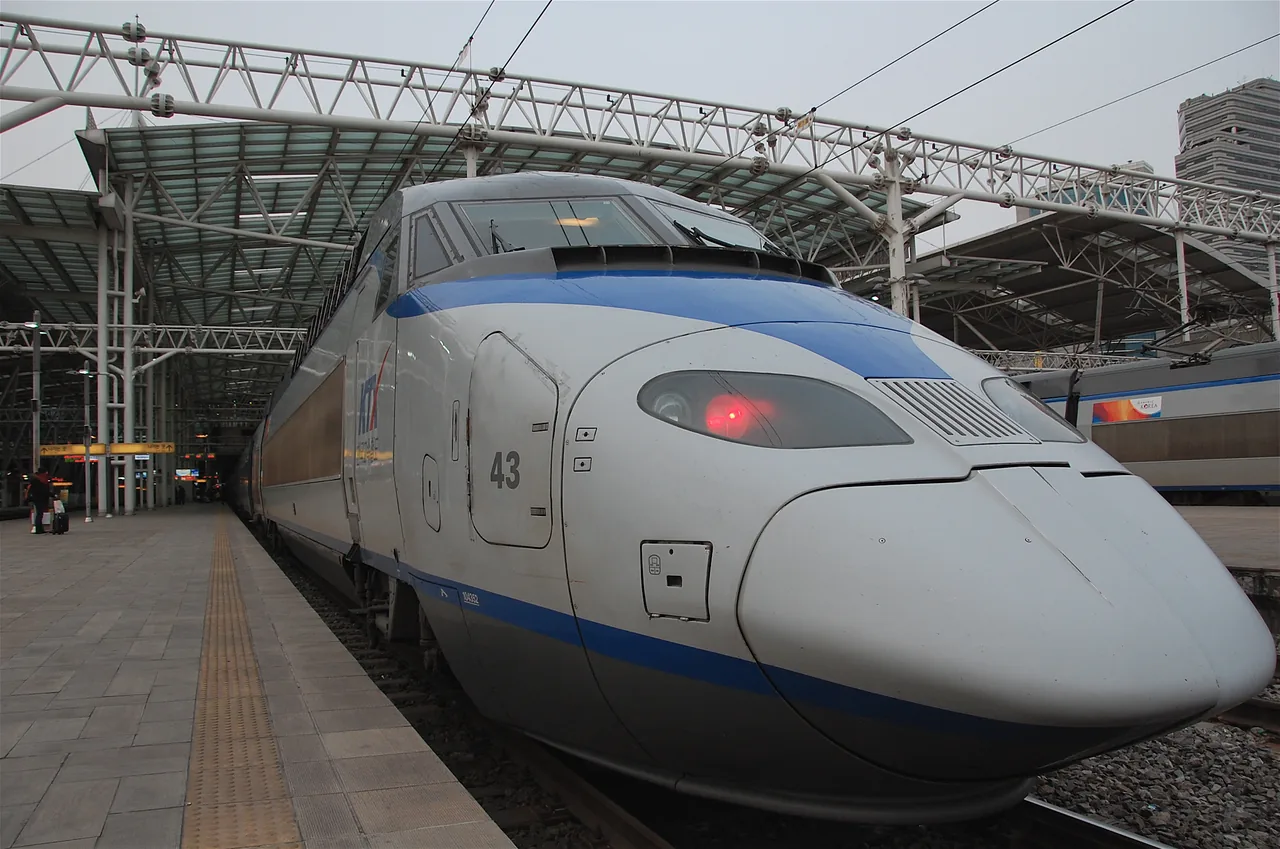
- KTX high-speed train — the backbone of any itinerary. Seoul–Busan in about 2.5 hours, with frequent departures. Comfortable, punctual and scenic.
- Intercity & express buses — reach smaller towns the train doesn’t, often cheaper.
- Domestic flights — mainly for Jeju; cheap and quick (about an hour) but with airport time either side.
- Within cities — clean, English-signed metros and buses, paid with a T-money card you tap on and off.
If you’re doing several intercity legs, a Korail Pass gives unlimited KTX travel over consecutive or flexible days and can work out cheaper than separate tickets — plus it saves you booking each leg.
9. Seoul in your itinerary: what not to miss
Seoul deserves 3–4 days, and it’s where most itineraries begin. The essentials, grouped so you can build your own days:
- Palaces & tradition — Gyeongbokgung (free in hanbok), Changdeokgung’s Secret Garden, Bukchon Hanok Village, Insadong.
- Markets & food — Gwangjang and Mangwon markets, Myeongdong street food, Tongin’s lunchbox cafe.
- Modern & views — N Seoul Tower, Dongdaemun (DDP), Lotte World Tower, a Han River park at sunset.
- Neighbourhoods — Hongdae (youth & nightlife), Seongsu (cafes), Ikseon-dong (hanok-chic), Itaewon (international).
- Day trips — the DMZ, Nami Island & Petite France, Suwon’s fortress, Everland.
10. Busan in your itinerary
Korea’s second city is a laid-back coastal counterpoint to Seoul, and 2–3 days is plenty. It’s the natural southern anchor of a Seoul–Busan trip.
- Beaches & coast — Haeundae, Gwangalli (with its nightly bridge light show), the Blue Line Park sky capsule, Taejongdae cliffs.
- Colour & culture — Gamcheon Culture Village, Huinnyeoul coastal village, Haedong Yonggungsa seaside temple.
- Markets & food — Jagalchi (Korea’s biggest fish market), Gukje Market, BIFF Square, and the city’s beloved dwaeji-gukbap (pork soup).
11. Gyeongju, Jeonju & other worthwhile stops
If you have more than a week, breaking the Seoul–Busan line with a smaller city adds huge character. How many days to give Gyeongju is broken down into one, two and three in the Gyeongju travel guide: the centre joins up on foot, while Bulguksa and the coast need a bus or a car. If Daegu is going into the plan, see the Daegu travel guide: the Seomun night market opens only on Friday, Saturday and Sunday evenings, so the day of the week decides the itinerary. How many days to give Jeonju is broken down into one, two and three in the Jeonju travel guide: the Hanok Village works on foot and only Deokjin Park needs a bus.
- Gyeongju — the “museum without walls,” capital of the ancient Silla kingdom: Bulguksa Temple, Seokguram Grotto, royal burial mounds and the magical Donggung Palace & Wolji Pond at night. 1–2 days.
- Jeonju — the birthplace of bibimbap, with a gorgeous preserved hanok village and a deep food culture. 1–2 days, easy from Seoul.
- Andong — Hahoe Folk Village and the home of jjimdak and mask dance, for a slower, traditional detour.
- Sokcho & Seoraksan — Korea’s most famous mountain national park, spectacular in autumn, near the east-coast beaches.
12. The Jeju Island add-on
Jeju is Korea’s volcanic holiday island — think waterfalls, lava tubes, coastal drives, tangerine groves and the country’s best black-pork BBQ. It’s a flight (not a train) from the mainland, so it works best as a dedicated 2–3 day add-on rather than a quick hop.
- Day 1: East Jeju — Seongsan Ilchulbong (Sunrise Peak), Seopjikoji, a haenyeo (women divers) show.
- Day 2: Hallasan hike or the easier Yeongsil trail, waterfalls (Cheonjiyeon), and a coastal sunset.
- Day 3: West Jeju — Hallim Park, the cafes of Aewol, and last-minute black-pork BBQ.
13. Korea itineraries by interest
Travelling for something specific? Tilt your days toward what you love:
| You’re into… | Build your itinerary around |
|---|---|
| First-timer highlights | The classic Seoul + Busan 7-day route above |
| K-pop & Hallyu | Seoul: HYBE/agency districts, Gangnam, K-Star Road, a music show, themed cafes |
| Food | Seoul markets, Jeonju (bibimbap), Busan seafood, Jeju black pork — see our what to eat in Korea guide |
| History & culture | Seoul palaces, Gyeongju, Andong, Suwon fortress |
| Nature | Seoraksan, Jeju & Hallasan, Busan’s coast, Nami Island |
| Family with kids | Everland, Lotte World, aquariums, Jeju, cable cars and theme parks |
14. Seasonal itineraries: cherry blossom, autumn & winter
Korea’s four distinct seasons can shape your whole trip. The same Seoul–Busan route feels completely different depending on when you go:
- Spring (cherry blossom) — late March to mid-April. Chase the bloom south-to-north: Jinhae’s famous festival, Gyeongju’s blossom-lined streets, Seoul’s palaces and the Han River.
- Autumn (foliage) — mid-October to early November, the most reliable season. Seoraksan and Naejangsan blaze; cities are crisp and clear.
- Summer — hot, humid and wet (monsoon late June–July), but beach season in Busan and festival time. Lean coastal and indoor.
- Winter — cold and dry, with snow, ski resorts in Gangwon, illuminations and quiet palaces. Fewer crowds, lower prices.
15. What a Korea trip costs
Korea is mid-range: pricier than Southeast Asia, cheaper than Japan or Western Europe, with excellent value on food and transport. Rough per-person daily budgets (excluding flights to Korea):
| Style | Per day | Looks like |
|---|---|---|
| Budget | ₩70,000–110,000 | Hostels/guesthouses, markets & convenience stores, metro |
| Mid-range | ₩150,000–250,000 | 3–4★ hotels, restaurant meals, some taxis & tours |
| Comfort | ₩350,000+ | 4–5★ hotels, fine dining, private tours, KTX first class |
Big one-offs to budget separately: KTX legs (or a Korail Pass), any Jeju flights, the DMZ or other tours, and a SIM/eSIM. Food is where Korea shines — you can eat superbly for very little.
16. Smart planning: pacing, booking & mistakes to avoid
A few habits separate a smooth Korea trip from a stressful one:
- Use two or three bases, not five. Unpacking once in Seoul and once in Busan beats a new hotel every night. Korea’s trains make day trips easy.
- Book the essentials early — accommodation in peak seasons, KTX seats on weekends, popular tours (DMZ) and any Jeju flights.
- Build in buffer time. Leave an unplanned afternoon or two; the best Korea memories often come from wandering a neighbourhood or a market.
- Don’t underestimate Seoul. It’s huge and dense — three days fills up fast. Pick neighbourhoods rather than trying to “do” the whole city.
- Mind the holidays. Around Seollal and Chuseok, many shops close and transport books out; check dates in our best time to visit Korea guide.
- Luggage transfer & lockers exist everywhere — use them on travel days so you can sightsee with a check-out behind you.
🎡Things to Do72
🍜Food8
🏨Where to Stay4
🚇Getting Around12
🧭Travel Tips24
📌More3
Korea itinerary FAQ
Plan the whole trip: read our complete Korea Travel Guide
Images: Hero: Minseong Kim (CC BY-SA 4.0) · Frank Schulenburg (CC BY-SA 4.0) · LWYang (CC BY 2.0) · Bernard Gagnon (CC0), via Wikimedia Commons.