
Busan Hot Springs and Jjimjilbang: Spa Land, Hurshimchung and the Real Thermal Water
Busan sits on two natural hot spring fields, and the cheapest bathhouse in the city stops being the cheapest the moment you stay past four hours.
| Two spring districts | Dongnae (alkaline saline, pH 8.17, 46-60°C) and Haeundae (max 42°C, average 38°C) |
|---|---|
| Cheapest entry | Haeundae Spa Center 10,000 won, Hill Spa sauna 10,000 won for 3 hours |
| Most expensive entry | Club D Oasis spa pass 33,000 won for 5 hours |
| The four-hour trap | Spa Land is 26,000 won, then 5,000 won for every extra hour |
| Open all night | Hill Spa only, 24 hours, cleaning 00:00-06:00 |
| Nationally certified spring | Club D Oasis, national health resort spring No. 8, designated January 2024 |
1. Why Busan is a hot spring city and Seoul is not
2. Dongnae water against Haeundae water, and why the difference is worth caring about
3. The ranking flips the longer you stay
4. The five main places, side by side
5. How to tell a real hot spring from a bathhouse that just calls itself one
6. Spa Land Centum City, and the trap hidden in its four-hour rule
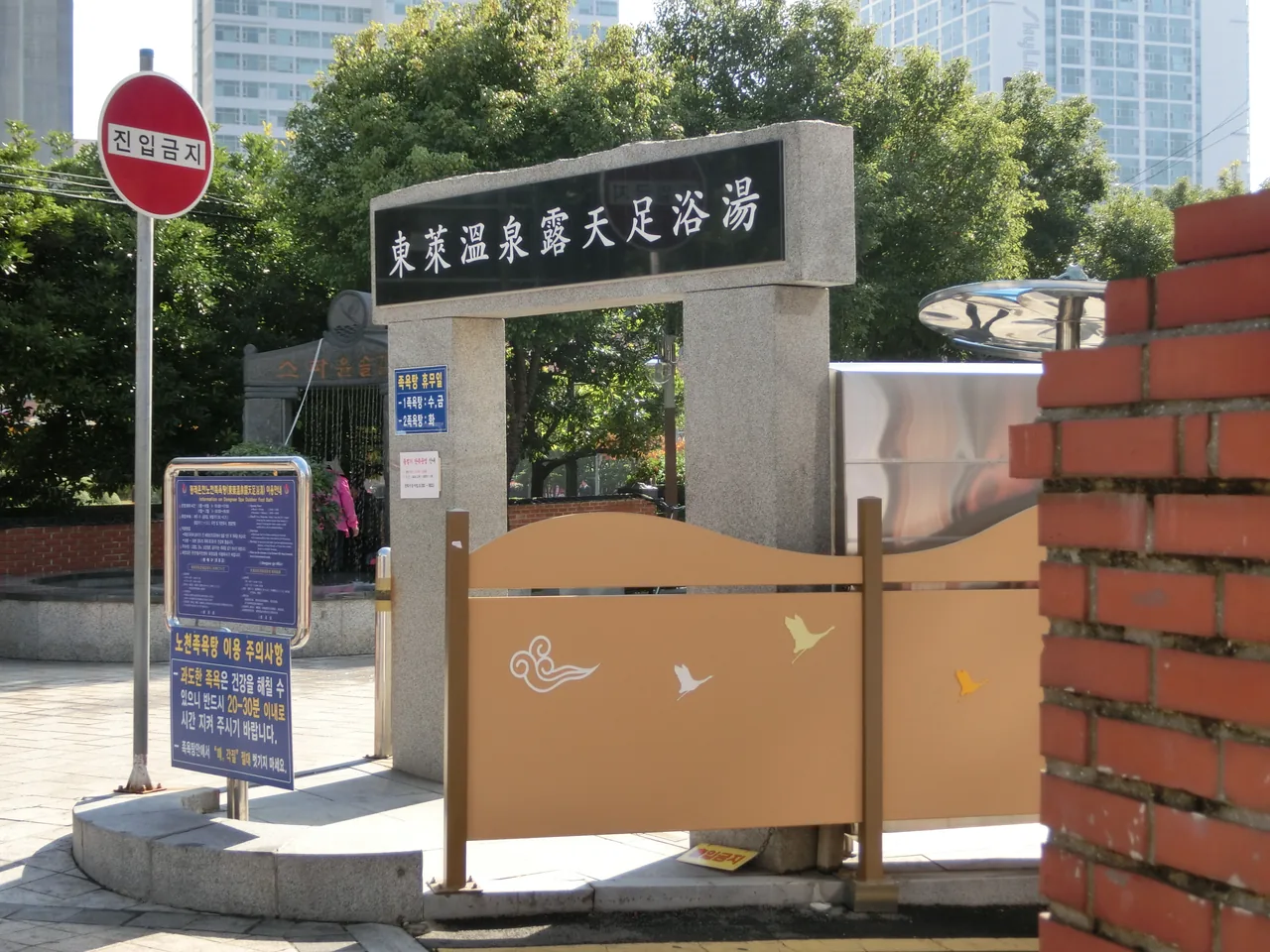
7. Hurshimchung and the Dongnae hot spring quarter
8. Haeundae Spa Center and Hill Spa, where the locals actually go
9. Club D Oasis, and what a nationally certified spring actually means
10. The bath zone and the jjimjilbang zone are two different rooms
11. Your first visit, in the right order
12. Tattoos, nudity and mixed gender: straight answers
13. Seshin, the body scrub, and the other paid extras
14. When to go, and where you can actually spend the night
Most travel writing about bathing in Busan begins and ends with Spa Land Map at Shinsegae Centum City, which is a shame, because Spa Land is the one place on this list that is not the reason Busan is a bathing city. The city has two genuine thermal fields, Dongnae Map and Haeundae, with chemically different water and more than a century of bathhouse history between them. This guide is part of our complete Busan travel guide, and it exists to tell you which water is real, what each place actually costs, and why the price ranking flips depending on how long you plan to lie around.
1. Why Busan is a hot spring city and Seoul is not
Busan is built on top of two separate natural thermal fields, Dongnae in the north of the city and Haeundae out by the beach. Seoul has bathhouses and jjimjilbang by the hundred, but it has no urban hot spring field of its own, which is the whole difference: in Busan the hot water comes out of the ground, not out of a boiler.
That distinction is not marketing. Dongnae has been commercially developed as a spring since 1898, and Haeundae’s modern bathing history starts around 1907, delayed for years because nobody could get there easily.
| District | Where it is | What you go for |
|---|---|---|
| Dongnae | North Busan, around Oncheonjang | Hot, mineral-heavy alkaline water and the city’s biggest bathing halls |
| Haeundae | Beach side, east Busan | Milder water, late hours, and the only nationally certified spring in the city |
You can reach both on the subway, which matters more than it sounds; see our the Busan metro and transit cards for the Dongnae and Centum City stops. If you only have one wet afternoon in Busan and it happens to be raining, this is also the best indoor day the city offers, and our what to do in Busan when it rains treats it that way.
2. Dongnae water against Haeundae water, and why the difference is worth caring about
The two fields do not produce the same water, and the gap is big enough that regulars pick a district rather than a venue. Dongnae water is alkaline weak saline, tests at pH 8.17, and carries the highest magnesium content of any spring in the country.
| Dongnae hot spring | Haeundae hot spring | |
|---|---|---|
| Water type | Alkaline weak saline, pH 8.17, highest magnesium content in Korea | A separate mineral family |
| Temperature at source | 46-60°C | Maximum 42°C, average 38°C |
| Colour and smell | Colourless, odourless, clear | – |
| Modern development | Serious development from 1898; 26 bathing inns and restaurants by 1926 | Modern bathing from around 1907, slowed by poor transport |
| National certification | – | National health resort spring, at Club D Oasis Map |
In practice Dongnae water arrives hot and has to be cooled into the pools, while Haeundae water comes up close to body temperature. If you like sitting in a bath until your fingertips wrinkle, Haeundae is the gentler district; if you want the short, scalding soak that Korean bathers treat as the point of the exercise, go to Dongnae.
3. The ranking flips the longer you stay
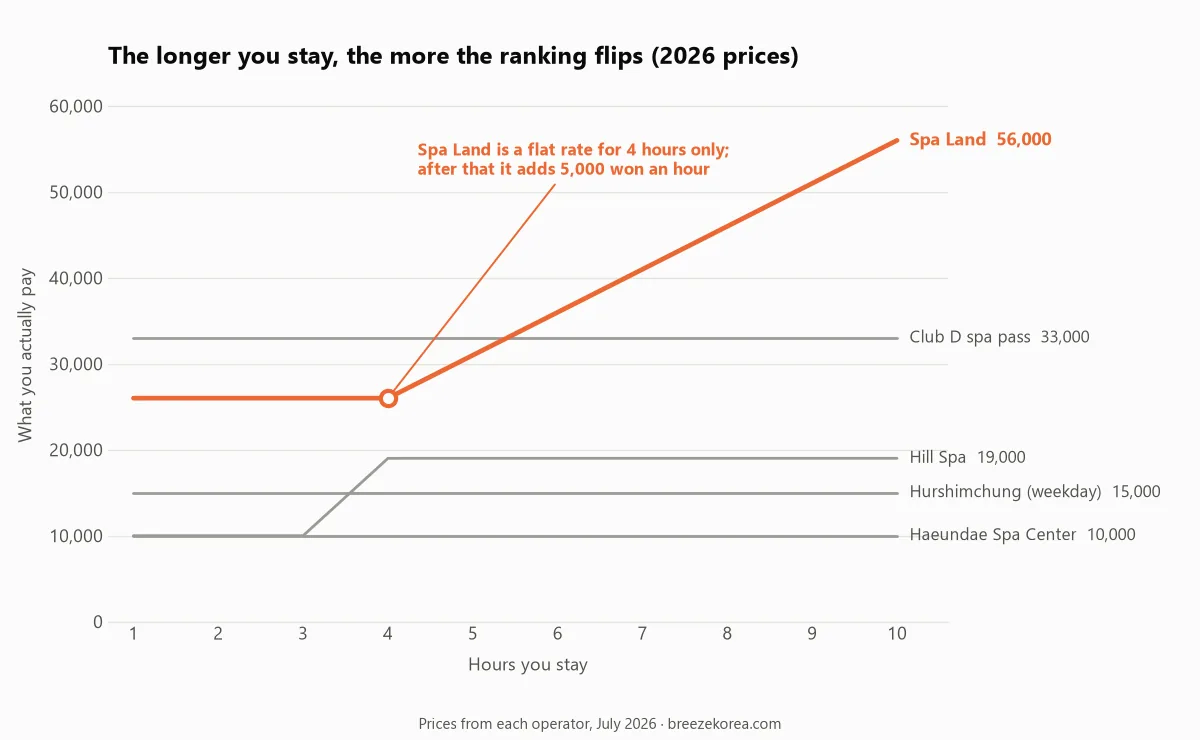
This is the single most useful thing on this page. Busan’s spas do not have a fixed cheap-to-expensive order, because most of them sell you the whole day for one price and one of them does not.
At three hours, the order looks the way you would expect: cheap neighbourhood baths at the bottom, the big resort spas at the top.
| Three-hour visit | What you actually pay |
|---|---|
| Haeundae Spa Center Map | 10,000 won |
| Hill Spa Map, 3-hour sauna ticket | 10,000 won |
| Hurshimchung Map, weekday | 15,000 won |
| Spa Land Centum City | 26,000 won |
| Club D Oasis, spa pass | 33,000 won |
At eight hours it stops looking like that. Spa Land charges 5,000 won for every hour past the first four, so a lazy full day there costs more than every other option on this page combined would suggest.
| Eight-hour visit | What you actually pay | How the number is built |
|---|---|---|
| Haeundae Spa Center | 10,000 won | No time limit inside 04:00-24:00 |
| Hurshimchung, weekday | 15,000 won | No time limit inside 05:30-22:00 |
| Hill Spa | 19,000 won | 10-hour jjimjilbang and sauna ticket |
| Club D Oasis, spa pass | 33,000 won | 5-hour pass, overtime charged separately |
| Spa Land Centum City | 46,000 won | 26,000 + 4 extra hours at 5,000 |
The spread between the cheapest and the dearest option widens from 2.6 times at three hours to 4.6 times at eight. Read that as an instruction rather than a curiosity: Spa Land is a place to use briefly and well, Hurshimchung and Haeundae Spa Center are places to disappear into for a day.
4. The five main places, side by side
These five cover almost every reason a visitor ends up in a Busan bathhouse, from a 10,000 won soak among pensioners to a 33,000 won certified spring in a skyscraper. The last column is the one most guides skip.
| Venue | Area | Price | Hours | Closed | Real spring water |
|---|---|---|---|---|---|
| Spa Land Centum City | Centum City, Haeundae-gu, inside Shinsegae | Adult 26,000 / student 21,000 | 08:00-23:00, last entry 22:00 | – | Yes, two of its own sources: calcium chloride and sodium chloride |
| Hurshimchung | Dongnae, inside Hotel Nongshim | Weekday 15,000 / weekend and holidays 18,000; elementary 11,000; child 7,000 | 05:30-22:00, jjimjilbang 06:30-21:00 | – | Yes, Dongnae spring |
| Club D Oasis | Haeundae, floors 3-6 of LCT | Spa pass 33,000 (5h); combined pass 71,000-79,000 (7h) | 09:00-22:30 | Tuesday | Yes, national health resort spring No. 8 |
| Haeundae Spa Center | Haeundae | Adult 10,000 / child 6,000 | 04:00-24:00 | Wednesday | Yes, Haeundae spring |
| Hill Spa | Dalmaji-gil, Haeundae | Sauna 10,000 (3h); jjimjilbang and sauna 19,000 (10h) | 24 hours, cleaning 00:00-06:00 | Open year-round | Seawater drawn from 500m below ground |
Club D Oasis prices its combined pass by season, in low, high and peak tiers, so treat 71,000-79,000 won as a bracket and check the figure for your date. Everything else in the table holds steady through the year.
5. How to tell a real hot spring from a bathhouse that just calls itself one
Plenty of Korean bathhouses use hot spring language without having a hot spring, and you cannot settle it by feel. Operators of ordinary bathhouses add bath salts and slippery mineral compounds precisely because the water alone gives almost nothing away.
There are three checks worth doing, and you can run all of them in the thirty seconds you spend at the front door.
| Check | What you are looking for | What it means |
|---|---|---|
| The symbol | The ⊂ mark, Korea’s official hot spring symbol since 2008 | The old Japanese-style ♨ was so widely misused by non-spring bathhouses that Korea replaced it and tightened enforcement |
| The name | Whether the business name ends in oncheon (hot spring) or only in cheon or tang | A name without oncheon often means the venue has no hot spring designation |
| The certificate | A posted water quality test report | This is the real test. Designated springs display their analysis; imitations rarely bother |
None of this makes an ordinary bathhouse a bad place to spend an evening; plenty of the best ones in Seomyeon, the city centre are simply well-run bathhouses with tap water. It only matters if you came to Busan specifically for the thermal water, which, given that this is one of the few Korean cities that has any, you may well have done.
6. Spa Land Centum City, and the trap hidden in its four-hour rule
Spa Land sits inside the Shinsegae department store at Centum City and is the most polished bathing facility in the city, with 18 hot spring pools on the first floor, Finnish, Roman and steam saunas, a bade pool, and 13 themed jjimjilbang rooms including loess, charcoal and salt. The second floor holds the esthetic rooms, cafe, restaurant and relaxation lounges.
It also draws from two of its own sources, a calcium chloride spring and a sodium chloride spring, so the thermal claim is genuine. Admission is 26,000 won for adults and 21,000 won for students, meaning elementary age up to those born in 2019.
| Rule | Detail |
|---|---|
| Standard ticket | 4 hours |
| Overtime | 5,000 won per hour |
| Extended ticket | 6 hours if you spend 10,000 won or more inside, on top of admission |
| Opening hours | 08:00-23:00, last entry 22:00 |
| Minimum age | Elementary school age; elementary children must be with a same-gender guardian |
Used deliberately it is excellent value: arrive with a plan, bathe, use the kiln rooms, eat inside so the spend converts into two extra hours, and leave. The same-gender guardian rule for elementary children is worth knowing before you arrive as a family, and our Busan with kids covers the rest of the logistics.
7. Hurshimchung and the Dongnae hot spring quarter
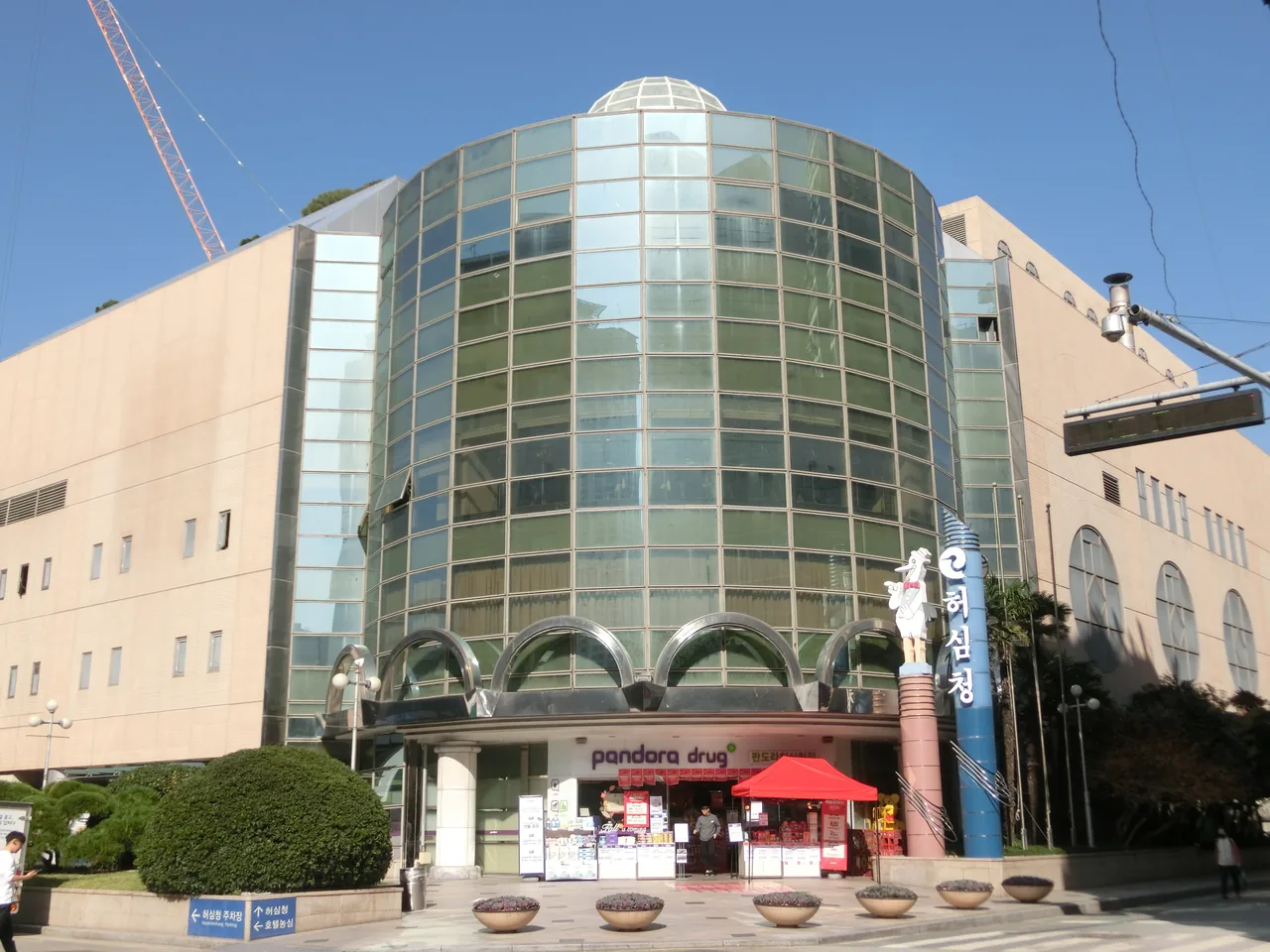
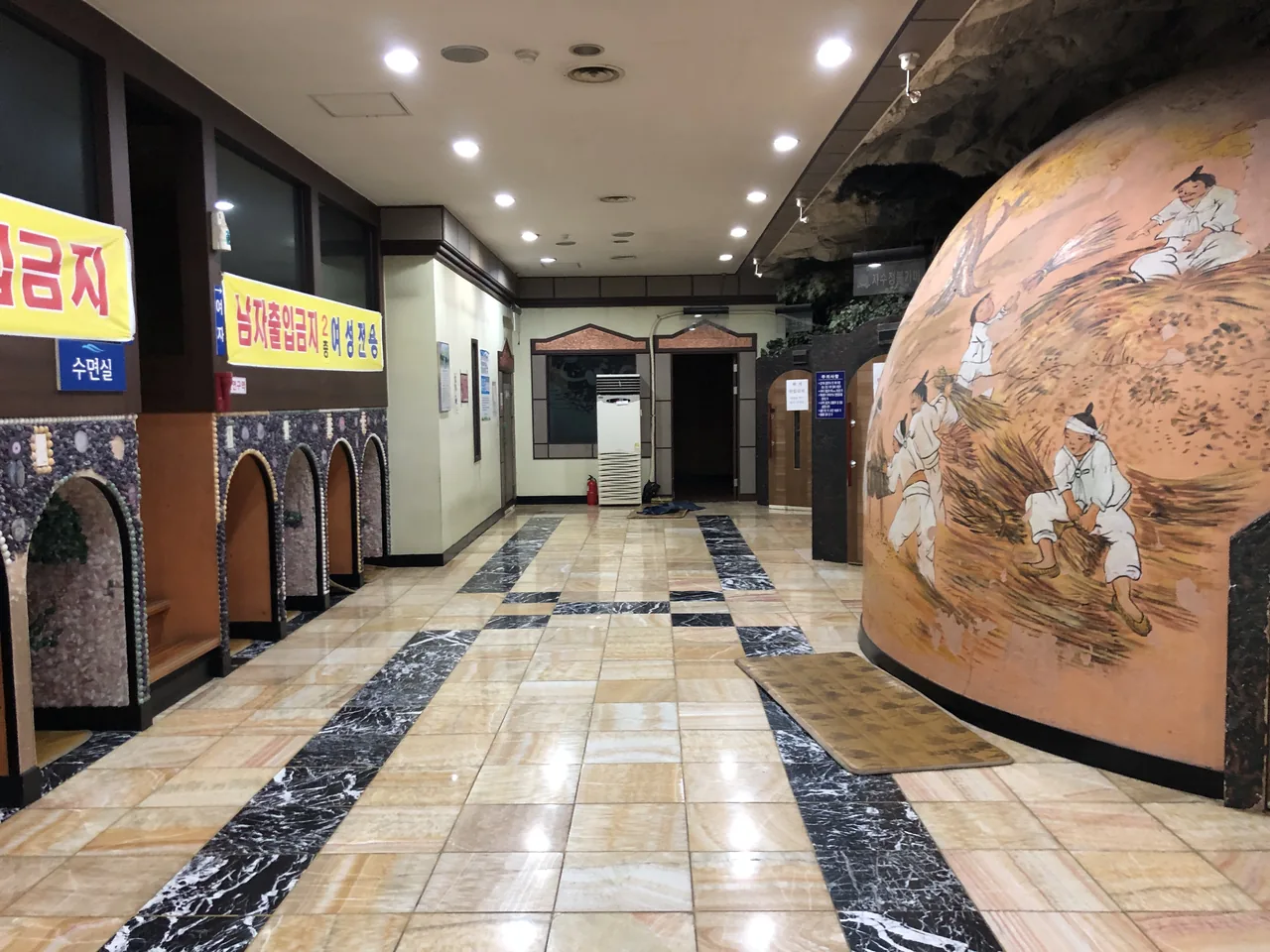
Hurshimchung is the reason Dongnae still matters. The bathing floor runs to roughly 4,300 square metres with around 40 different pools, and the men’s and women’s sides together hold 3,000 bathers at once, which makes it the largest facility of its kind in Asia.
It occupies the lower levels of Hotel Nongshim, and the water is straight Dongnae spring: alkaline, saline, mineral-heavy, arriving hot enough that the pools are graduated by temperature rather than by theme.
| Ticket | Price |
|---|---|
| Adult, weekday | 15,000 won |
| Adult, weekend and public holidays | 18,000 won |
| Elementary school child | 11,000 won |
| Younger child | 7,000 won |
| Baths open | 05:30-22:00 |
| Jjimjilbang zone | 06:30-21:00 |
The 05:30 opening is not a rounding error, it is the local rhythm; Dongnae regulars bathe before work and the halls are calmest before eight in the morning. There is no time limit inside opening hours, which is what makes 15,000 won the best long-stay price in the city.
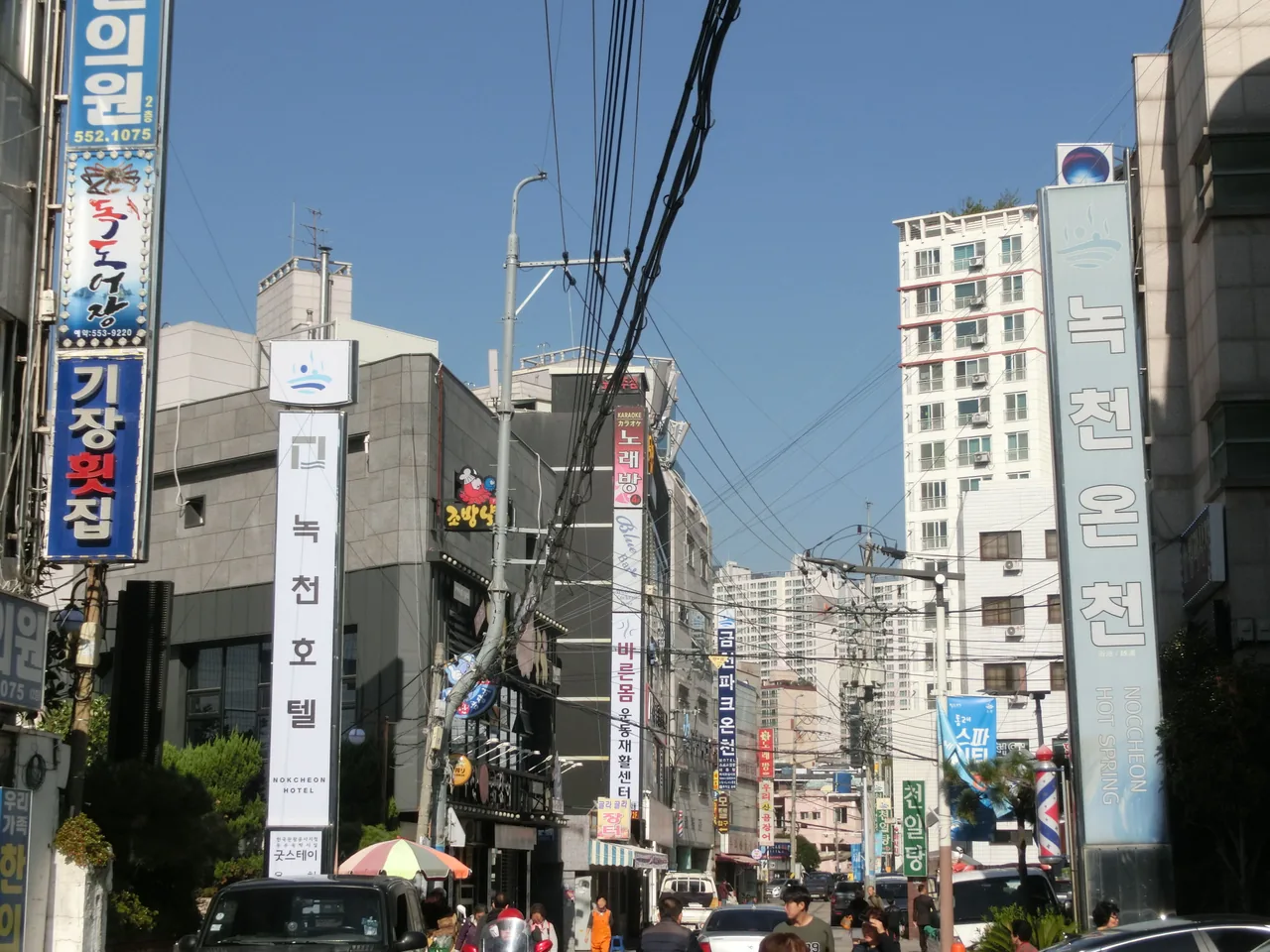
The streets outside are worth an hour on their own, full of bathhouse signs, old inns and restaurants that have been feeding bathers for generations. It is one of the few parts of Busan that feels genuinely unchanged, and it belongs on any list of things to do in Busan.
8. Haeundae Spa Center and Hill Spa, where the locals actually go
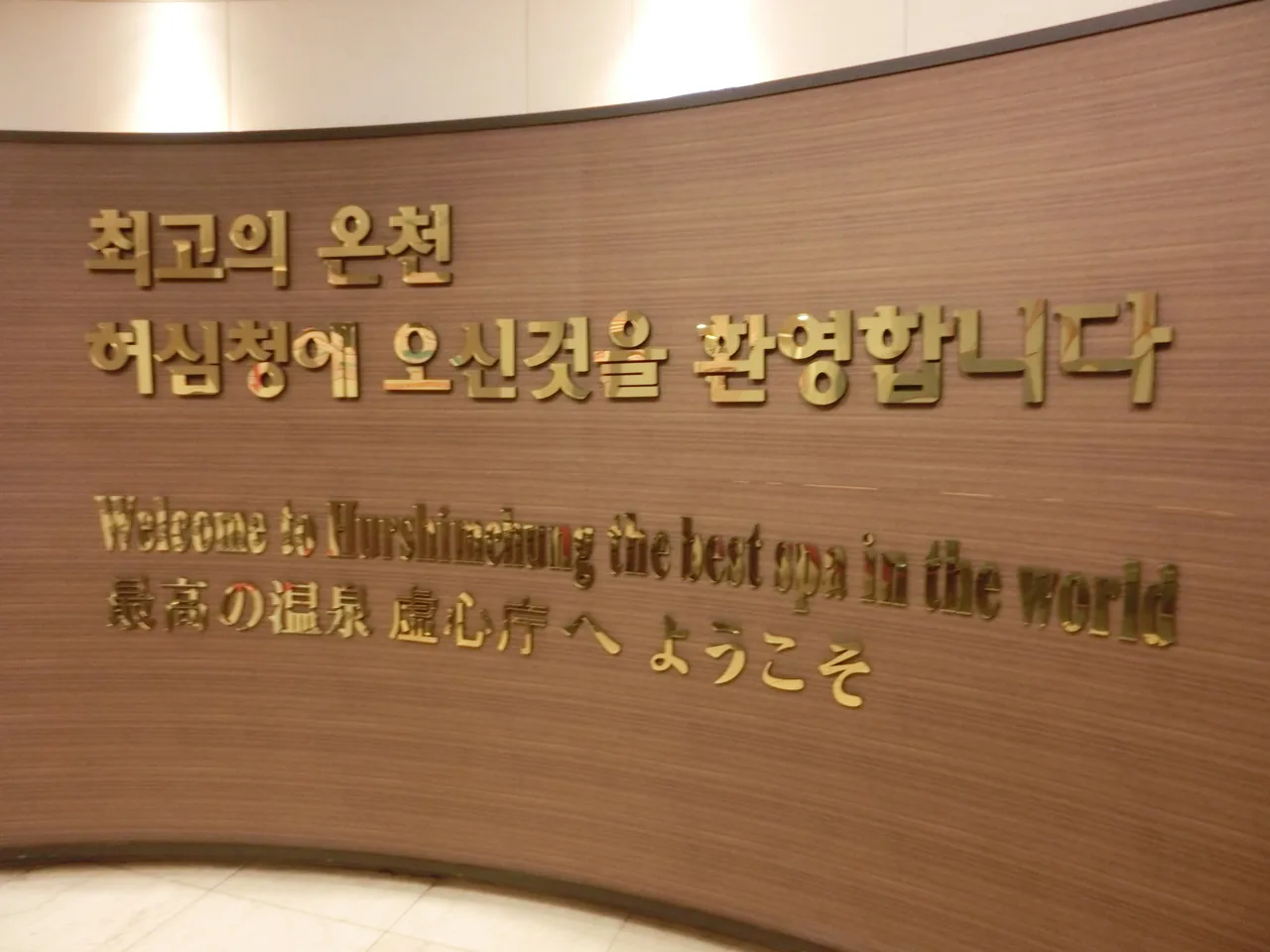
These two are the antidote to the resort spas. Neither is polished, both are cheap, and between them they cover almost every hour of the day.
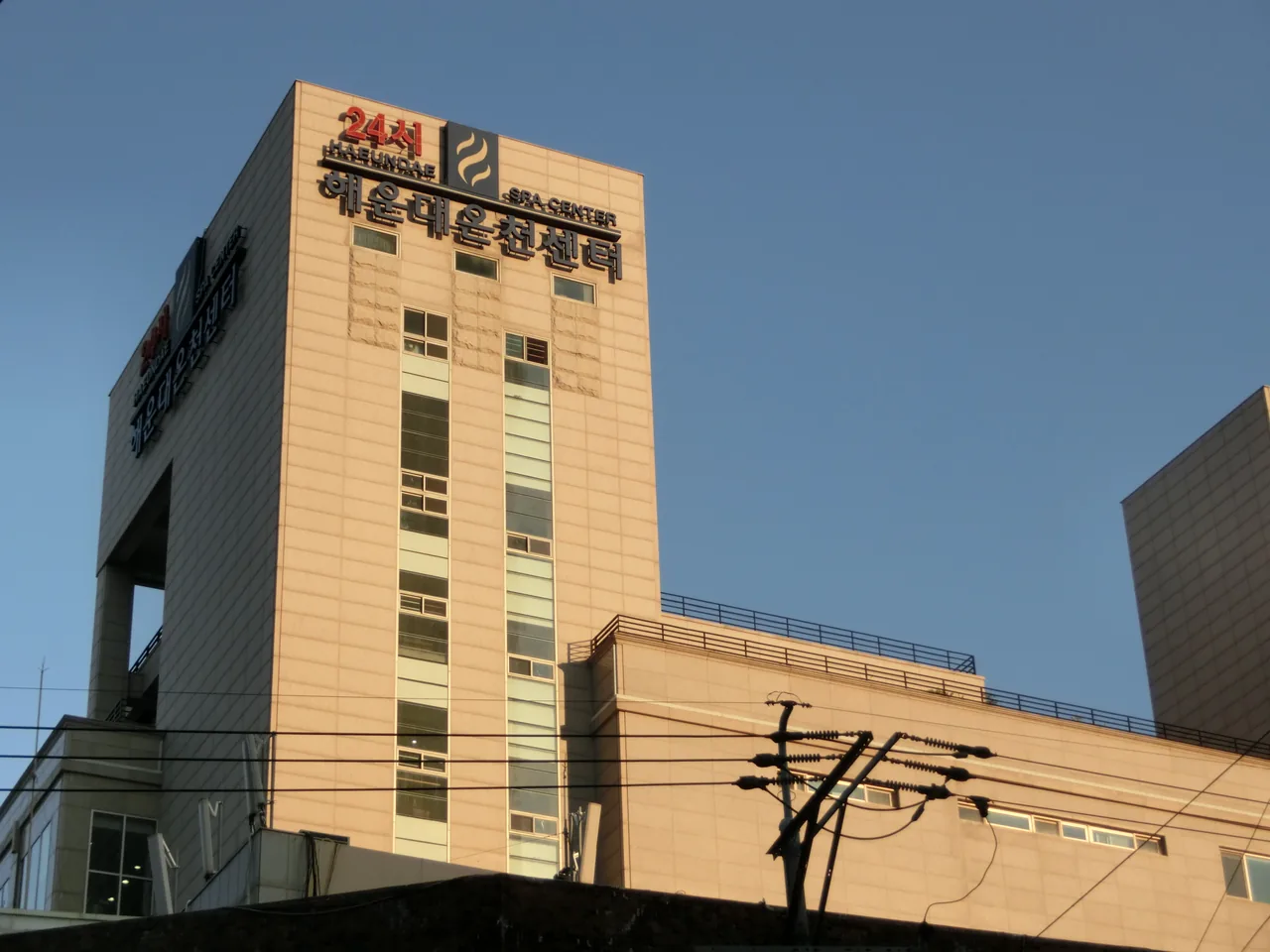
Haeundae Spa Center charges 10,000 won for adults and 6,000 won for children, opens at 04:00 and closes at midnight, and takes Wednesdays off. It uses genuine Haeundae spring water, which at a source maximum of 42°C and an average of 38°C is mild enough to sit in for a long time.
| Haeundae Spa Center | Hill Spa | |
|---|---|---|
| Location | Haeundae | Dalmaji-gil, above Haeundae |
| Price | Adult 10,000 / child 6,000 | Sauna 10,000 (3h), jjimjilbang and sauna 19,000 (10h) |
| Hours | 04:00-24:00 | 24 hours, cleaning 00:00-06:00 |
| Closed | Wednesday | Never |
| Water | Haeundae hot spring | Seawater drawn from 500m underground |
| Scale | – | About 1,600 pyeong, 850 bathers at once, 50-plus parking spaces |
Hill Spa is the one on the hill road, with sea views from the upper floors and the only round-the-clock operation among the places worth recommending. Its water is not from the thermal field but drawn as seawater from 500 metres down, which is a different proposition and priced accordingly.
9. Club D Oasis, and what a nationally certified spring actually means
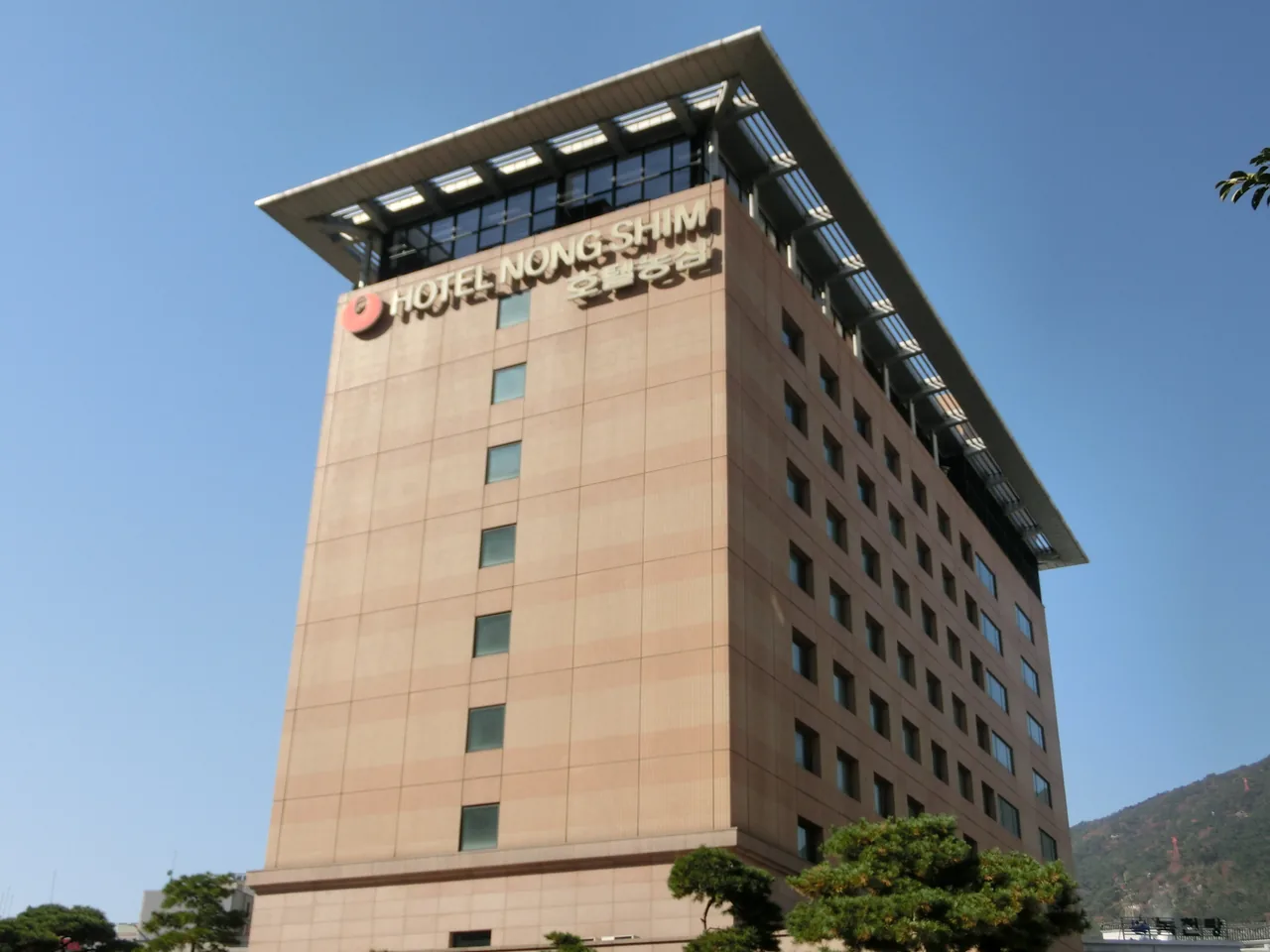
Club D Oasis occupies floors three to six of the LCT tower in Haeundae, and it holds a distinction no other bathhouse in Busan has: it is a designated national health resort spring, number eight in the country, certified in January 2024. It is the first in Busan and the only urban one on the national list.
The designation comes from the Ministry of the Interior and Safety, and it is awarded when a spring’s temperature, mineral composition and surroundings are all judged good enough to be genuinely beneficial to health. It is a much narrower category than ordinary hot spring designation. Club D Oasis also appears on Korea’s list of 88 outstanding wellness travel destinations.
| Ticket | Price | Length |
|---|---|---|
| Spa pass | 33,000 won | 5 hours |
| Combined pass | 71,000-79,000 won | 7 hours |
| Child | 36 months to age 12 | – |
| Adult | Middle school age and above | – |
| Under 36 months | Free, proof of age required | – |
Opening hours are 09:00-22:30 and it closes on Tuesdays. Discount partnerships are common here, so it is one of the few Busan spas where booking ahead rather than walking up reliably changes the price.
10. The bath zone and the jjimjilbang zone are two different rooms
Almost every misunderstanding foreign visitors have about Korean bathing comes from treating these as one place. They are not. They are separate zones with opposite rules, and most large venues have both.
| Bath zone (tang) | Jjimjilbang zone | |
|---|---|---|
| Clothing | Fully naked, no exceptions | Issued shorts and T-shirt, worn at all times |
| Gender | Strictly separated, men and women in different rooms | Mixed, everyone together |
| What is in there | Hot and cold pools, showers, steam rooms, scrub tables | Kiln rooms, salt and charcoal rooms, cold room, floor mats, snack counter |
| Swimwear | Never | Not applicable |
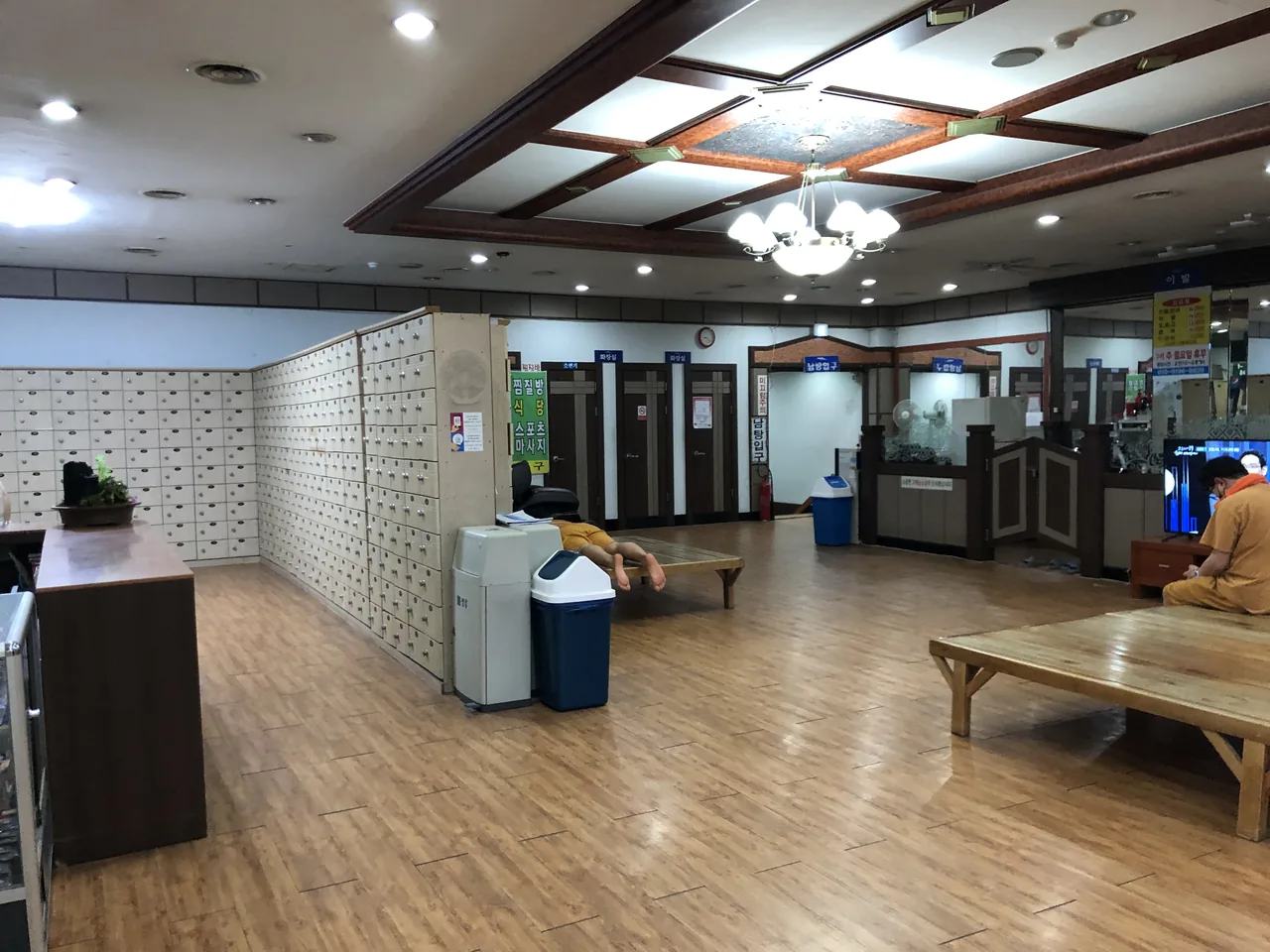
So the naked part is real, but it is confined to a single-gender room that nobody else can walk into. The moment you put on the issued clothes and step into the jjimjilbang, you are in a mixed-gender lounge where families sleep on the floor and teenagers eat boiled eggs.
11. Your first visit, in the right order
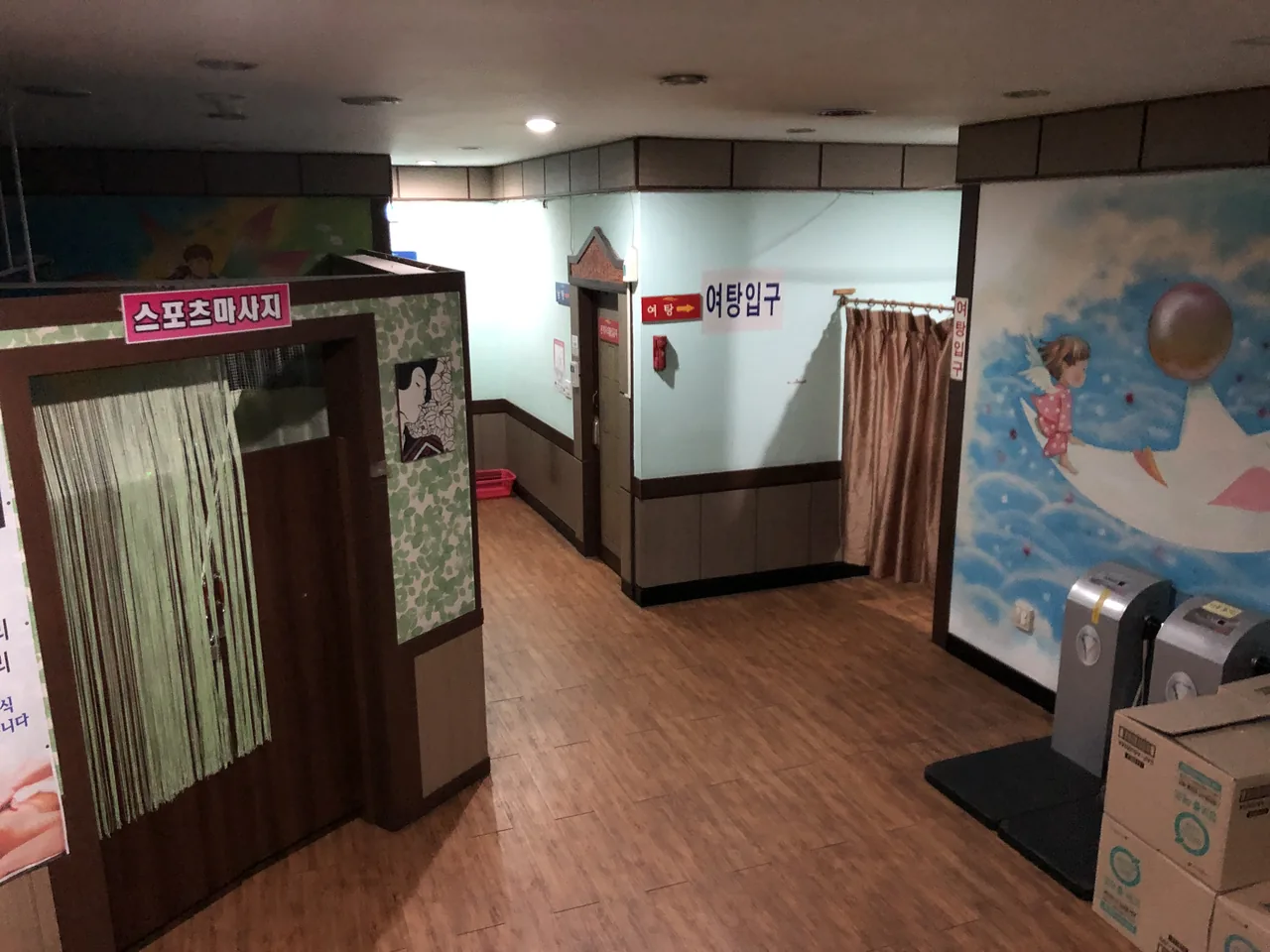
The sequence below is the same in every Korean bathhouse, from a 10,000 won neighbourhood spa to Spa Land. Follow it once and you will never have to think about it again.
- Shoes first Take your shoes off before the counter and put them in a shoe locker. The shoe locker key often doubles as your check-in.
- Pay and take a wristband You will be given a locker key or a wristband. In larger venues the wristband charges everything you buy inside and you settle up on the way out.
- Find your gendered changing room Men and women have separate entrances. Undress completely and leave everything, including your towel, in the locker.
- Wash sitting down, before you get in Use a shower stool and soap thoroughly. Entering a pool unwashed is the one thing that genuinely annoys other bathers.
- Work up through the temperatures Start with a warm pool, move to the hot ones, and use the cold plunge between soaks rather than at the end.
- Rinse, dry, then dress for the jjimjilbang Dry off in the changing room and put on the issued shorts and T-shirt if you are going through to the kiln rooms.
- Alternate hot and cool rooms Ten to fifteen minutes in a kiln room, then the cold room. Drink water every round.
- Settle up on the way out Return the clothes, hand back the wristband, pay any food, scrub or overtime charges at the desk.
12. Tattoos, nudity and mixed gender: straight answers
Tattoos. Korean bathhouses are considerably more relaxed about tattoos than Japanese onsen. Unless the work is very large or genuinely intimidating, you will usually be let in, and the bigger the venue the more relaxed the policy tends to be.
That said, admission is at each operator’s discretion and there is no national rule, so do not treat it as a guarantee. If you have extensive work and a specific place in mind, a phone call beforehand is worth the trouble.
Nudity. In the bath zone it is compulsory and universal. Nobody is looking at you, towels are not worn into the water, and the small towel you are given is for your head or for scrubbing, not for covering yourself.
Mixed gender. The wet zone never is. The jjimjilbang zone always is, with clothes on. Couples and families separate at the changing rooms and meet again in the kiln rooms.
| Question | Answer |
|---|---|
| Can I wear a swimsuit in the baths? | No. Single-gender pools are naked only |
| Can I keep a towel on in the water? | No, towels stay out of the pools |
| Will tattoos get me turned away? | Usually not, but it is the operator’s call |
| Can my partner and I bathe together? | Not in the baths; yes in the jjimjilbang zone |
13. Seshin, the body scrub, and the other paid extras
Seshin is the full-body exfoliating scrub, performed by an attendant on a vinyl-covered table inside the bath zone, and it is a core part of bathing culture in Busan rather than a tourist add-on. It is always charged separately from admission and usually booked at a desk inside the wet zone rather than at the front counter.
Prices vary by venue and by what you add to the basic scrub, so ask at the scrub desk when you arrive rather than assuming. The attendant is the same gender as you, because they work inside the single-gender zone.
| Extra | Where you arrange it | Paid how |
|---|---|---|
| Seshin body scrub | Desk inside the bath zone | Separate charge, booked on the day |
| Massage and esthetic treatments | Treatment floor, larger venues only | Separate charge |
| Food and drink | Restaurant or snack counter in the clothed zone | Wristband, settled on exit |
| Overtime | Front desk on the way out | Spa Land only, 5,000 won per hour |
14. When to go, and where you can actually spend the night
Bathing is a cold-weather and bad-weather activity in Busan, and the city obliges on both counts. Winter is the natural season, a rainy afternoon is the obvious rescue plan, and a soak after a day in the sea at Haeundae is what the local spas were built for in the first place.
| When | Where it works best |
|---|---|
| Winter | Dongnae, for the hottest water in the city |
| A rainy day | Spa Land, since it is inside a department store with everything else you might need |
| After the beach | Haeundae Spa Center or Hill Spa, both minutes from the sand |
| Very early morning | Haeundae Spa Center from 04:00, Hurshimchung from 05:30 |
| Late night | Hill Spa, the only 24-hour option |
On sleeping over, be careful with the received wisdom. The idea that a jjimjilbang is a cheap place to spend the night largely does not hold in Busan, because so few of them stay open around the clock.
| Venue | Can you stay overnight? |
|---|---|
| Hill Spa | Yes, 24 hours, year-round, with cleaning 00:00-06:00 |
| Haeundae Spa Center | No, you must be out by midnight |
| Spa Land | No, closes at 23:00 |
| Hurshimchung | No, closes at 22:00 |
| Club D Oasis | No, closes at 22:30 |
If bathing is the point of your trip rather than a break from it, sleep in Dongnae and walk to the water instead of commuting to it. Our where to stay in Busan compares the districts across the whole city if you would rather base yourself elsewhere.