
Seoul Travel Guide: Everything You Need to Plan the Perfect Trip
One complete page to plan all of Seoul — every neighbourhood, the five palaces and modern icons, K-culture, what to eat, where to sleep, the airport train from Incheon, day trips and the costs, from people who know the city inside out.
- Seoul is South Korea’s capital of roughly 9.5 million people (over 26 million in the greater metro), split north and south by the Han River, and it pairs 600-year-old palaces with one of Asia’s most dynamic modern cityscapes.
- Give it 3 to 5 days for the city itself, or 5 to 7 if you add day trips like the DMZ, Nami Island or Suwon — and base yourself centrally in Myeongdong or Jongno, or in transit-friendly Hongdae.
- Fly into Incheon (ICN), ride the AREX train into town, buy a T-money card at any convenience store, and navigate with Naver Map or KakaoMap (Google Maps directions are limited in Korea).
- The best windows are early April for cherry blossoms and late October to November for autumn foliage; May–June and September are pleasant shoulder months.
1. What Is Seoul, and Why Go?
2. Seoul at a Glance
3. How Many Days, and What to Do With Them
4. Seoul’s 9 Neighbourhoods: Where to Play and Stay
5. The Five Palaces & Traditional Seoul
6. Modern Seoul: Towers, Design & the Han River
7. K-Culture & Entertainment
8. What to Eat in Seoul
9. Seoul Nightlife
10. Shopping, Beauty & the Tax Refund
11. Where to Stay in Seoul: 9 Areas Compared
12. Getting There & Around: Airport, Metro & T-money
13. When to Visit: Month-by-Month, Blossoms & Festivals
14. Day Trips from Seoul
15. Seoul with Kids: Family-Friendly Spots
16. What a Seoul Trip Costs
17. Practical Tips, Apps & Etiquette
18. A Few Useful Korean Words
Seoul is the kind of capital where you can bow at a Joseon-dynasty throne hall in the morning, eat raw beef in a 120-year-old market at lunch, dance at a Hongdae club at midnight, and watch a 555-metre tower light up the skyline on the way home — all on a metro so clean and well-signed you’ll rarely need a taxi. For a first trip you’ll want 3 to 5 days for the city and a couple more for day trips, basing yourself somewhere central like Myeongdong or transit-friendly Hongdae. This is the complete master guide: every neighbourhood, all five palaces, the modern icons, the K-culture pilgrimage sites, what to eat, the nightlife, where to sleep, how to get in from the airport, when to come and what it all costs — enough to plan the whole trip on this one page, then slot it into the bigger picture with our Korea travel guide guide.
1. What Is Seoul, and Why Go?
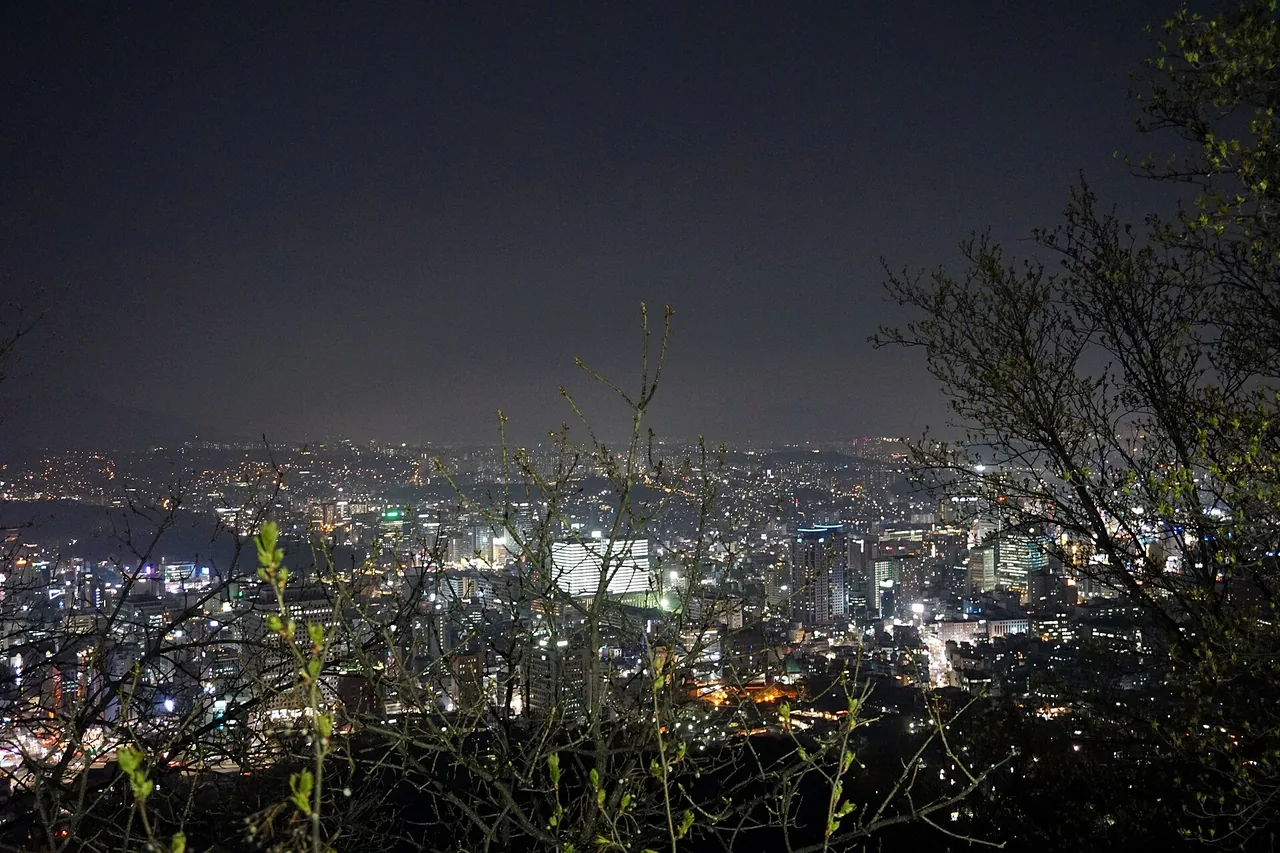
Seoul is South Korea’s capital and the beating heart of the country — a city of about 9.5 million (over 26 million across the greater metro area) where the ancient and the ultramodern sit side by side. The Han River cuts it cleanly in two: the older, palace-filled north (Gangbuk) and the glossy business-and-shopping south (Gangnam). You come for the rare fact that all four of the things below happen at once, on infrastructure that makes it effortless even with zero Korean.
🏯 Living history
Five grand Joseon palaces, a 600-year-old hanok village and three UNESCO World Heritage sites sit right in the centre, walkable from the main hotel districts.
🌆 Modern icons
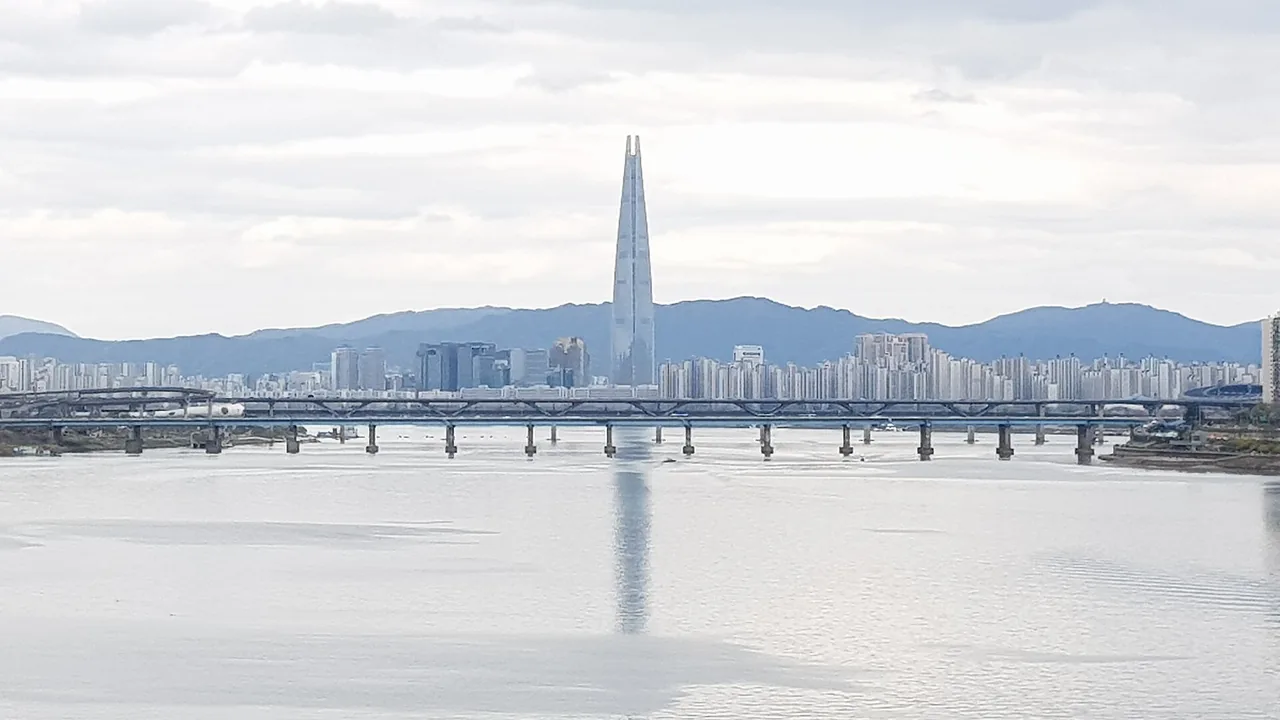
The 555 m Lotte World Tower, Zaha Hadid’s silver DDP, N Seoul Tower and the Han River parks give the city a futuristic counterpoint to the palaces.
🍜 A food capital
From the raw beef of Gwangjang Market to sizzling pork-belly BBQ, late-night chimaek and the world’s most inventive cafés, eating here is reason enough to come.
🎤 The home of K-culture
This is the city K-pop, K-drama and K-beauty are made in — fan museums, idol cafés, filming locations and Olive Young on every corner.
In short: few cities pack this much variety into so compact and navigable a centre. The rest of this guide breaks Seoul into the decisions that actually shape your trip — how long to stay, where to base, what to prioritise, what to eat and when to come — with the substance you need to plan it all from this page.
2. Seoul at a Glance
Here’s everything you need to size up the city in one screen. Skim it now; the detail behind each line is in its own section below.
| Item | Detail |
|---|---|
| Status | Capital of South Korea; ~9.5 million people, ~26 million across the metro area. |
| Airports | Incheon (ICN) — the main international gateway, ~50 km west; Gimpo (GMP) — domestic plus some short-haul international, much closer in. |
| Transit card | T-money (or Cashbee), rechargeable at any convenience store; works on metro, buses and taxis citywide. |
| Currency | Korean won (₩); ₩1,000 ≈ US$0.75. Mostly cashless; no tipping. |
| Language | Korean. English signage is good in tourist areas; younger locals speak some English. Free 24-hour 1330 tourist hotline in English. |
| Navigation apps | Naver Map and KakaoMap — Google Maps walking/transit directions are limited in Korea. |
| Plug & power | 220V, two round pins (type C/F). |
| Suggested stay | 3–5 days for the city; 5–7 with day trips. |
| Best seasons | April (cherry blossoms) and late Oct–Nov (autumn foliage); May–June and September are also lovely. |
| Daily budget | Backpacker ₩50,000–90,000 · Mid-range ₩120,000–220,000 · Luxury ₩300,000+ per person. |
3. How Many Days, and What to Do With Them
Three days covers Seoul’s headline sights, four adds a full day for one neighbourhood or a day trip, and five lets you fit in a palace garden, a day trip and the river in a relaxed rhythm. The city is compact and the metro is fast, so you can pack a lot in without rushing. Here are three proven day-by-day routes you can follow as-is or remix.
Day 1 — Old Seoul
Morning at Gyeongbokgung for the 10am changing-of-the-guard, then over the hill to Bukchon Hanok Village, down through Insadong’s craft lanes to a late lunch at Gwangjang Market, and an evening stroll along Cheonggyecheon stream into retro Euljiro for a drink.
Day 2 — Views & the centre
Up Namsan to N Seoul Tower for the panorama, down into Myeongdong for street food and K-beauty shopping, then choose trend-heavy Seongsu-dong for cafés or the night-lit DDP and the all-night malls at Dongdaemun. Beyond the shopping, Dongdaemun has the dakhanmari alley, the city wall walk from Heunginjimun up to Naksan, and the Dongmyo flea market. The detail is in the Dongdaemun guide.
Day 3 — Youth & the river
Café-hop Hongdae and Yeonnam-dong’s Yeontral Park, catch a weekend busking show, then head to a Han River park for bikes, a cruise and chimaek on the grass — or to Jamsil for Lotte World and the Seoul Sky observatory.
Day 4 — Go south & modern
Gangnam and the Starfield Library at COEX, a stroll down Garosu-gil, the serene Bongeunsa temple across the road, then dinner and rooftop bars in Apgujeong or Itaewon.
Day 5 — Deeper or out
Add Changdeokgung’s reservation-only Secret Garden, then either a half-day at Seoul Forest and Seongsu, or a classic day trip — the DMZ, Nami Island or Suwon Hwaseong.
If you only have one full day, do Day 1 — palaces, hanok lanes and market food are the most distinctly Seoul things about the city. Travelling with a theme? History buffs swap in Changgyeonggung and Jongmyo; K-pop fans trade Day 4 for HYBE Insight in Yongsan, the SM and JYP zones and a dance class; families build a day around Lotte World, the aquarium and the Children’s Grand Park.
4. Seoul’s 9 Neighbourhoods: Where to Play and Stay
Seoul is really a collection of distinct districts, and knowing what each one is for is the key to a smooth trip. First-timers usually base in central Myeongdong or Jongno; younger travellers love Hongdae for nightlife and the direct airport train; shoppers and luxury-seekers head south to Gangnam. Here are the nine areas that matter, with their signature spots, who they suit and the nearest metro. Myeongdong is not just the shopping street: the designated zone takes in Namdaemun Market, Bukchang-dong and Mugyo-dong. The boundaries and the walking order are in our Myeongdong guide. Hongdae has far more stages than sights, and the street performances run on monthly lottery slots that stop at ten at night. The detail is in the Hongdae guide.
| Area (nearest station) | Vibe & signature spots | Best for |
|---|---|---|
| Myeongdong (Myeongdong, L4) | Downtown core: Myeongdong Cathedral, the famous street-food alleys, Lotte Department Store & duty-free, and the Namsan cable-car base. Euljiro next door is retro-bar “Hipjiro”. | First-timers wanting a central, walkable base near the palaces and Namsan. |
| Jongno & Insadong (Jongno-3-ga, L1/3/5) | Old Seoul: Gyeongbokgung, Gwanghwamun Square, Insadong’s Ssamzie-gil, the Ikseon-dong hanok alleys, Gwangjang Market, Jogyesa temple, Cheonggyecheon. | History and tradition lovers; a transit-central place to sleep. |
| Hongdae +Yeonnam, Hapjeong (Hongik Univ., L2/AREX) | Youthful and indie: the “Walking Street” buskers, Yeontral Park along the old rail line, KT&G Sangsangmadang, and the club strip. AREX runs direct to the airport. | Budget travellers, students, night owls, frequent flyers. |
| Gangnam & Apgujeong (Gangnam, L2) | Sleek and upscale: the Gangnam Station underground arcade, Garosu-gil, COEX with the Starfield Library and mall, Apgujeong Rodeo, the Cheongdam luxury strip, Bongeunsa temple. | Shoppers, beauty/clinic visitors, fans of polish over grit. |
| Seongsu-dong (Seongsu, L2) | “Seoul’s Brooklyn”: warehouse cafés like Daelim Changgo, Common Ground, the Daelim/D Museum, brand pop-ups, and leafy Seoul Forest. | Design and café people chasing the city’s current trends. |
| Itaewon & Hannam (Itaewon, L6) | International and multicultural: Gyeongnidan-gil’s bars and rooftops, Haebangchon’s hillside cafés, world cuisine, and the superb Leeum Museum of Art in Hannam. | Nightlife, diverse food, an expat-friendly mix. |
| Dongdaemun (DDP) (Dongdaemun History & Culture Park, L2/4/5) | Zaha Hadid’s DDP, all-night fashion malls (Migliore, Doota) and wholesale markets that buzz until dawn. | Night-owl shoppers and design fans. |
| Jamsil (Jamsil, L2/8) | Lotte World Adventure, the 555 m Lotte World Tower (Seoul Sky), Lotte World Mall and aquarium, and Seokchon Lake — a cherry-blossom showcase in spring. | Families and skyline-view seekers. |
| Yeouido (Yeouinaru/Yeouido, L5/9) | The Han River park, the spring Yunjung-ro cherry-blossom festival, the 63 Building, the National Assembly, and The Hyundai Seoul — the city’s most striking mall. | Riverside walks, shopping, festival-timed visits. |
Whichever you pick, staying within a 5–10 minute walk of a metro station is the single biggest quality-of-life upgrade — the area-by-area accommodation breakdown is in section 11 below.
5. The Five Palaces & Traditional Seoul
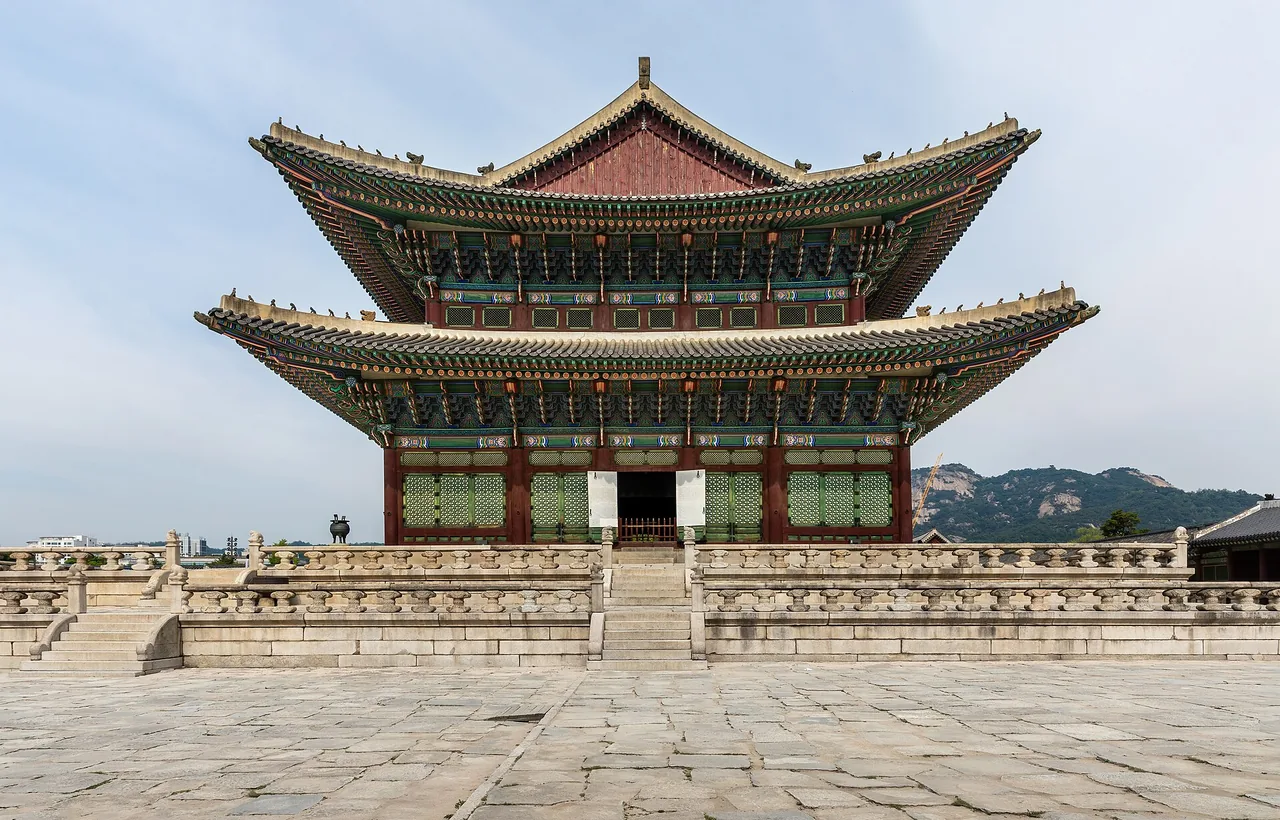
Seoul’s five Joseon-dynasty palaces are its signature, and you only really need two or three — Gyeongbokgung for grandeur, Changdeokgung for its garden — plus the lived-in lanes of Bukchon. Entry is genuinely cheap, and if you rent a hanbok (traditional dress) you get into the palaces free. Use the table to pick, then read the details below. The slot times and the real prices are set out in our Changdeokgung Secret Garden guide.
| Palace / site | Entry | Closed | Highlight |
|---|---|---|---|
| Gyeongbokgung | ₩3,000 (free in hanbok) | Tuesdays | Joseon’s main palace (1395): the throne hall Geunjeongjeon, the lake pavilion Gyeonghoeru, and the guard-changing ceremony twice daily. |
| Changdeokgung | ₩3,000 + ₩5,000 garden | Mondays | UNESCO site; the reservation-only Secret Garden (Huwon) is the loveliest palace grounds in the city. |
| Deoksugung | ₩1,000 | Mondays | The stone-wall walk (Deoksugung-gil) and a romantic floodlit evening atmosphere; blends Korean and Western architecture. |
| Changgyeonggung | ₩1,000 | Mondays | Quiet, garden-like grounds with a greenhouse; connects to Changdeokgung. |
| Jongmyo | ₩1,000 | Tuesdays | UNESCO royal shrine; solemn ancestral-rite halls and a meditative pine forest. |
| Gyeonghuigung | Free | Mondays | A small, uncrowded palace for a slower wander. |
Gyeongbokgung is the one nobody should skip. Opening hours shift with the season — roughly 09:00–18:00 in spring and autumn, to 18:30 in summer, to 17:00 in winter — and the changing-of-the-guard runs at the main gate twice a day (typically 10:00 and 14:00) except Tuesdays. If you plan to see three palaces or more, a combined ticket bundles them at a saving. Deeper dive: our Gyeongbokgung Palace guide has the exact timings, ceremony schedule and hanbok-rental tips.
Hanbok & the photo game
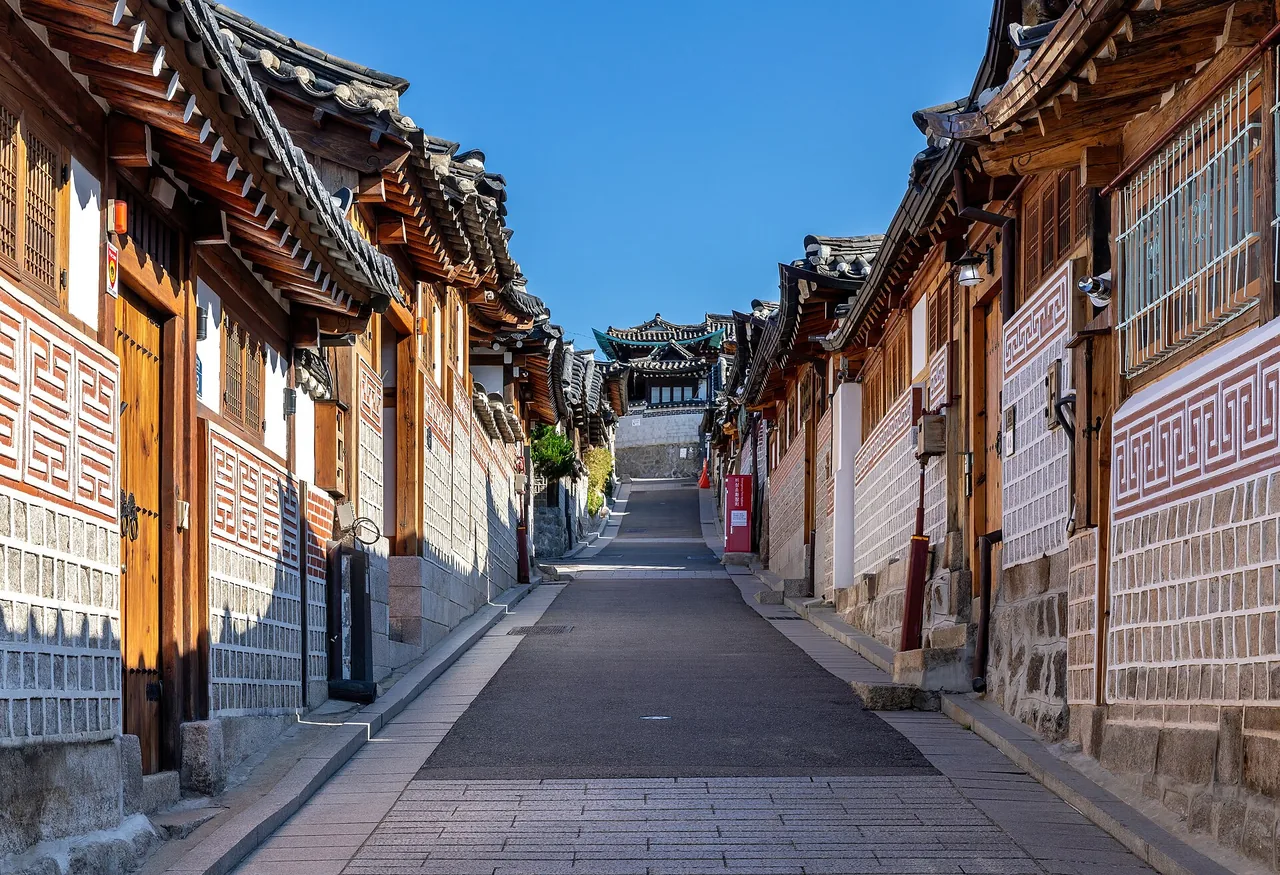
Hanbok-rental shops cluster around Gyeongbokgung and Bukchon (roughly ₩15,000–30,000 for a few hours). Beyond the free palace entry, a hanbok turns the palace courtyards and hanok lanes into a proper photo shoot — it’s one of the most popular things visitors do here, and worth it.
Bukchon, Ikseon-dong & Insadong
Bukchon Hanok Village is a 600-year-old neighbourhood of 900-plus traditional homes draped over the hill between Gyeongbokgung and Changdeokgung — free to wander, and the most atmospheric photo spot in the city (the classic view is from Bukchon-ro 11-gil). Ikseon-dong nearby packs renovated hanok into a warren of cafés and restaurants, while Insadong is the place for tea houses, galleries, traditional crafts and the Ssamzie-gil spiral of small shops. Because Bukchon residents actually live there, visit in the morning (roughly 9–11am) for both quiet and good light.
Deeper dive: the full walking route, etiquette and best photo spots are in our Bukchon Hanok Village guide.
6. Modern Seoul: Towers, Design & the Han River
Beyond the palaces, Seoul’s modern face is all towers, design landmarks and the Han River — and the icons are spread across the city so you can pair them with whichever district you’re in. These are the ones worth your time, with the practical detail to slot each into a day.
🗼 N Seoul Tower (Namsan)
The classic city panorama, reached by cable car or the Namsan shuttle bus from Myeongdong, or a short hike. Observatory around ₩21,000; go at dusk to catch the city lights switching on.
🏙️ Lotte World Tower — Seoul Sky
At 555 m, Korea’s tallest building and the highest view in the city, in Jamsil. The Seoul Sky observatory has glass-floor decks near the top; observatory tickets run roughly ₩33,000 (2026; check the official site).
🌸 DDP (Dongdaemun)
Zaha Hadid’s swooping silver landmark, free to walk around, with an LED rose garden, exhibitions and the all-night design-and-shopping buzz of Dongdaemun around it.
📚 COEX Starfield Library
The free, photogenic two-storey library at the heart of the COEX Mall in Gangnam — towering shelves, an easy rainy-day hour, with the aquarium and Bongeunsa next door.
💧 Cheonggyecheon
A restored stream threading the downtown core — a cool, walkable green ribbon below street level, lantern-lit and festive in winter, free at all hours.
🏛️ Museums (free)
The National Museum of Korea in Yongsan and the War Memorial of Korea are both world-class and cost nothing — superb on a hot or rainy day.
The Han River
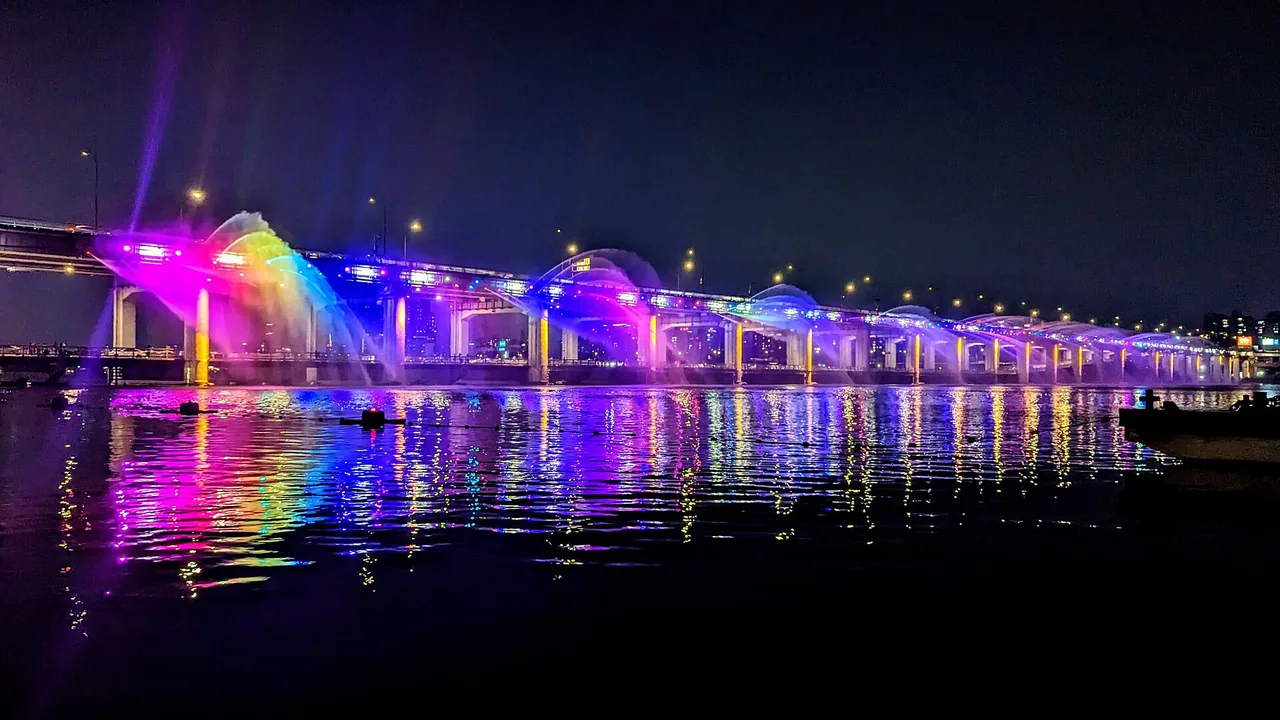
The river is the city’s backyard and deserves a half-day of its own, especially in summer. The big parks are Yeouido (festivals, cruise piers), Banpo (the Moonlight Rainbow Fountain shooting from Banpo Bridge on summer evenings) and Ttukseom (rentals and pools). The signature move: rent a bike or a picnic mat, order fried chicken to the riverbank from a delivery app, and crack a beer at sunset. Deeper dive: park-by-park picks, the fountain schedule and how to order delivery to your mat are in our the Han River guide.
For families and theme-park fans, Lotte World in Jamsil is the city’s headline attraction — a huge indoor-and-outdoor park beside the tower. Deeper dive: rides, tickets and tips in our Lotte World guide.
7. K-Culture & Entertainment
Seoul is the city K-pop, K-drama and K-beauty are actually made in, so for fans it’s a pilgrimage — and most of the must-do experiences are free or cheap. Here’s where to go, from idol museums to dance classes and free weekend busking.
🎤 HYBE Insight & idol HQs
HYBE Insight in Yongsan is the museum of the company behind BTS (timed-entry, book ahead). Around the city you’ll find the SM-themed KWANGYA@SEOUL in Seongsu and fan-pilgrimage stops near the JYP and HYBE buildings.
🆓 HiKR Ground
The Korea Tourism Org’s free cultural space in Euljiro (from 10:00): K-pop media-art, a free MV studio where you can film yourself, and rotating exhibitions — a genuinely fun, no-cost hour.
🧸 LINE Friends & character cafés
Flagship LINE Friends stores in Hongdae and Gangnam sell BT21, BLACKPINK and aespa goods alongside themed cafés; fan-run “cup-sleeve” birthday events pop up across Hongdae and Hannam.
💃 Dance classes
World-famous studios like 1MILLION and Just Jerk run one-day K-pop classes for visitors — book a session online and learn a real choreography in a couple of hours.
🎸 Street busking
On weekend evenings, Hongdae’s Walking Street and parts of Myeongdong fill with aspiring idols, cover-dance crews and live acts — free, lively and a great way to feel the city’s youth energy.
📺 Drama & beauty
Palaces, Bukchon and the Han River double as drama backdrops; for K-beauty, Olive Young stores let you sample everything, and Gangnam clinics offer skincare consultations for visitors.
Tip for hardcore fans: official venues like HYBE Insight sell timed tickets that sell out — set a reminder and book before you fly. Many fan cafés and pop-ups are temporary, so check current locations on the day.
8. What to Eat in Seoul
Seoul eats brilliantly at every price point — start with market food and Korean BBQ, then branch into soul-warming soups, late-night chicken and the world’s most inventive cafés. Each style has a natural home district, so you can build a whole day around eating. Here’s the lay of the land, with what to order and roughly what it costs.
| Food / style | Where | What to order & cost |
|---|---|---|
| Market food | Gwangjang Market | Korea’s oldest market (08:30–18:00): mung-bean pancakes (bindae-tteok), “mayak” gimbap, raw beef (yukhoe) and knife-cut noodles. ~₩20,000–30,000 for two; busiest at lunch. |
| Korean BBQ | Mapo / Gongdeok | Charcoal pork-belly (samgyeopsal) and marbled galbi; the Mapo grill streets are the classic. ~₩15,000–25,000 per person. |
| Chimaek | Hongdae, the Han River | Fried chicken and beer — best on a summer riverbank. A whole chicken plus beers ~₩25,000–35,000. |
| Soups & noodles | Citywide | Cold buckwheat naengmyeon in summer, rich seolleongtang (ox-bone) and gamjatang (pork-spine) year-round, ginseng-chicken samgyetang on the hottest days. ~₩9,000–15,000 a bowl. |
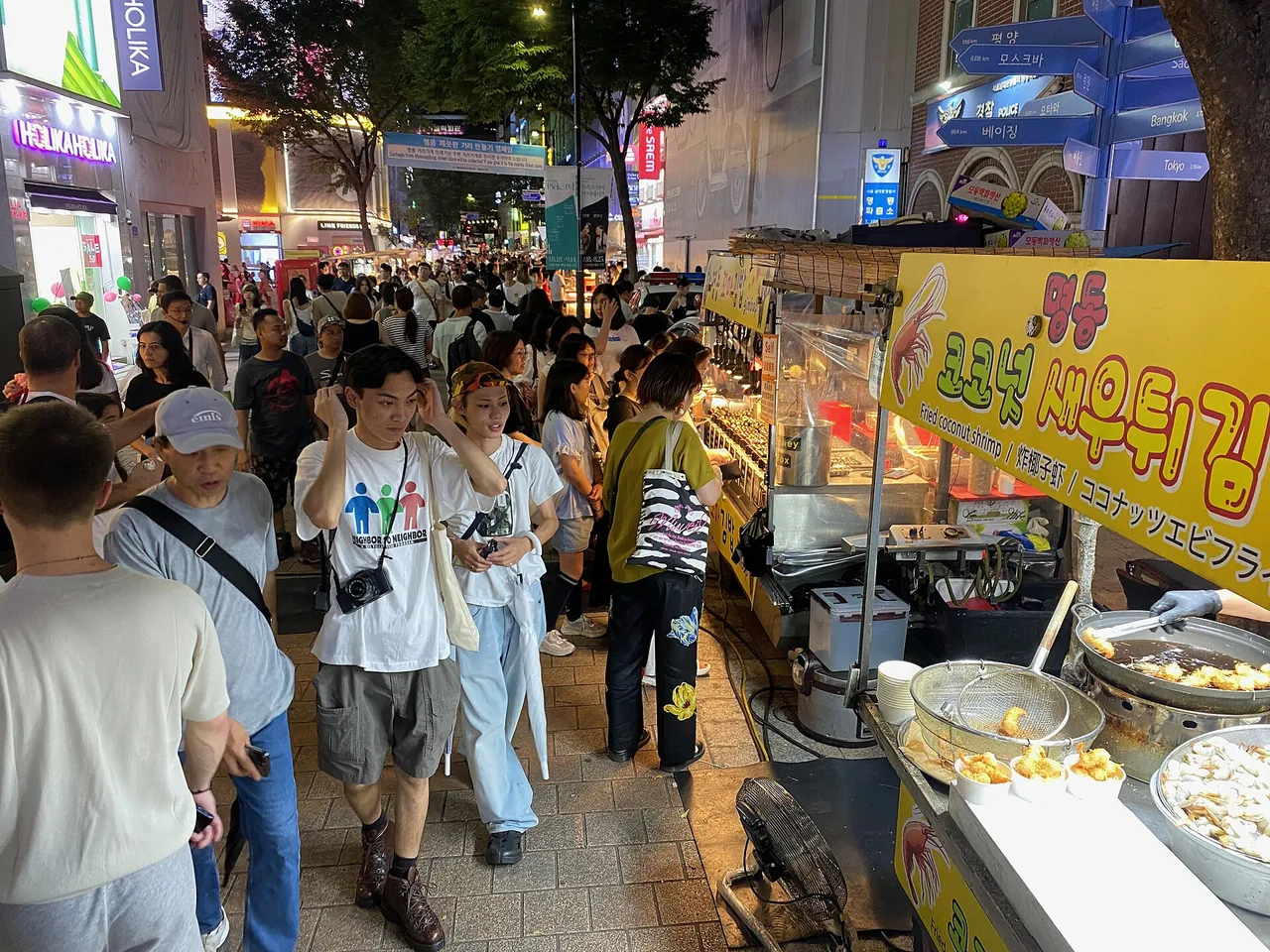
| Street & market snacks | Myeongdong, Tongin, Mangwon | Myeongdong’s stalls (tornado potato, egg bread), Tongin Market’s brass-coin lunchbox, Mangwon’s local browsing. A few thousand won each. |
| Dessert cafés | Seongsu, Yeonnam, Ikseon-dong | Warehouse roasteries, hanok courtyards and patbingsu (shaved-ice). Coffee ~₩5,000–7,000; bingsu to share ~₩12,000+. |
One quiet etiquette win at a BBQ table: let the eldest lift their spoon first, and pour drinks for others with two hands. Because each dish has its natural district, an eat-your-way day — market breakfast, BBQ lunch, café afternoon, chimaek by the river — is one of the most satisfying ways to experience Seoul.
9. Seoul Nightlife
Seoul stays up late, and each district has its own after-dark personality — clubby Hongdae, cosmopolitan Itaewon, upscale Gangnam, retro Euljiro and the easygoing Han River. Pick by the night you want; here’s the cheat sheet.
| Area | Scene | Go for |
|---|---|---|
| Hongdae | Clubs, indie live houses, buskers, cheap bars packed with students. | A young, high-energy night out that runs till sunrise. |
| Itaewon & Hannam | International bars, rooftop lounges and craft beer along Gyeongnidan-gil. | A mixed crowd, world cuisine and a relaxed, expat-friendly vibe. |
| Gangnam | Big upscale clubs and polished lounges; dress sharp. | A glossier, splurgier scene south of the river. |
| Euljiro (“Hipjiro”) | Retro hole-in-the-wall bars and rooftop spots hidden in old print-shop buildings. | A hip, low-key drink with locals in the know. |
| Han River & pojangmacha | Convenience-store beer on the riverbank, plus street-side tent bars (pojangmacha) for soju and snacks. | The cheapest, most local way to drink under the city lights. |
10. Shopping, Beauty & the Tax Refund
Seoul is a shopping powerhouse — K-beauty, fashion and trends — and as a foreign visitor you can claim the VAT back, so a little know-how saves real money. Each district has a specialty; pick by what you’re after, then sort the refund.
| For… | Go to | What you’ll find |
|---|---|---|
| K-beauty | Myeongdong | The dense, foreigner-friendly heart — Olive Young on every block, skincare and cosmetics, free samples and tester counters. |
| Fashion & wholesale | Dongdaemun | All-night malls (Migliore, Doota) and wholesale markets; come after dark for the full effect. |
| Concept & design | Seongsu, Garosu-gil, Apgujeong | Independent boutiques, brand pop-ups and curated concept stores. |
| Department stores & malls | The Hyundai Seoul, COEX, Lotte | The Hyundai Seoul in Yeouido is a destination in itself; duty-free floors for big-brand savings. |
How the tax refund works
At stores marked “Tax Free”, a single purchase over about ₩15,000 qualifies for a VAT refund. You have two routes: ① immediate in-store refund, deducted at the till for smaller amounts (show your passport), or ② airport refund, where you scan your receipts at a kiosk before security and collect cash or a card refund — downtown refund kiosks are spreading too. Keep every receipt and your passport until you actually leave the country.
11. Where to Stay in Seoul: 9 Areas Compared
The right base depends on your trip: Myeongdong or Jongno for first-timers, Hongdae for budget and the airport line, Gangnam for shopping and luxury, and a hanok stay for atmosphere. Below is every major area with who it suits, the typical lodging type and a rough nightly price.
| Area | Best for & lodging type | Per night (approx.) |
|---|---|---|
| Myeongdong / Euljiro | First-timers; business & mid-range hotels, central and walkable to palaces and Namsan. | Mid ₩100,000–280,000 |
| Jongno / Insadong | Tradition lovers; mid-range hotels plus boutique hanok stays. | Mid ₩90,000–220,000; hanok ₩120,000+ |
| Hongdae | Budget & youth; hostels and guesthouses, with the AREX direct to ICN. | Hostel ₩30,000–70,000; hotel ₩90,000+ |
| Gangnam / Apgujeong | Shopping, beauty, upscale comfort; 4–5-star hotels and serviced apartments. | Upscale ₩200,000–900,000+ |
| Itaewon / Hannam | Nightlife and diverse food; boutique hotels and guesthouses. | Mid ₩90,000–250,000 |
| Jamsil | Families and theme-park trips; large hotels near Lotte World. | Mid–luxury ₩130,000–500,000 |
As a rule of thumb across the city: guesthouses and hostels run roughly ₩30,000–70,000, mid-range hotels ₩90,000–280,000, and luxury ₩350,000 and well up. A hanok stay — sleeping in a restored courtyard house, often in or near Bukchon — is a memorable splurge worth one or two nights. Deeper dive: the full area-by-area pros, cons and named hotels are in our where to stay in Seoul guide.
12. Getting There & Around: Airport, Metro & T-money
Fly into Incheon, take the AREX train into the city, then run the whole trip on a T-money card and Naver/KakaoMap. Korea makes this part genuinely easy. Here’s the airport-to-city decision, then the in-city basics. The lines and interchanges are set out separately in the Seoul subway guide. Only 103 of the 578 stations let you change lines, which shapes where you should sleep.
| From ICN | Time | Cost & notes |
|---|---|---|
| AREX Express (direct) | 43–51 min to Seoul Station | ₩13,000, reserved seat. No T-money gate entry — buy a ticket. |
| AREX All-stop (every station) | 59–66 min | ₩4,750~5,350; T-money works. Transfers at Hongik Univ., Gongdeok, Gimpo. |
| Airport limousine bus | ~60–90 min | Door-to-district routes; the easiest option with heavy luggage. |
| Taxi / Kakao T | ~60 min (₩60,000–90,000) | Best very late at night or with lots of bags; use the Kakao T app to avoid the language barrier. |
From Gimpo (GMP), take metro lines 5 or 9 or the AREX into town in about 30–40 minutes. Around the city, the metro is the star — a vast, colour-coded, English-signed network where a single ride is about ₩1,400–1,550. Buy one rechargeable T-money card at any convenience store on day one: it covers metro, buses (with free or cheap transfers) and taxis. For ride-hailing without the language barrier use Kakao T; for directions use Naver Map or KakaoMap — Google Maps routing is restricted here. To explore at your own pace, the city’s Ttareungi public bikes are cheap and dock all over, especially handy along the Han River. For trips beyond the city, KTX trains leave from Seoul Station and SRT from Suseo (Busan in about 2h18m).
Deeper dive: the full step-by-step from the arrivals hall, with ticket machines and luggage tips, is in our Incheon Airport to Seoul guide.
13. When to Visit: Month-by-Month, Blossoms & Festivals
Seoul has four sharply distinct seasons; spring (cherry blossoms in early April) and autumn (foliage late Oct–Nov) are the clear winners, with May–June and September close behind. Summer is hot with a monsoon, winter is cold but bright. Match your dates to the month-by-month table.
| Month | Avg high | What to expect |
|---|---|---|
| January | ~3°C | Cold, dry midwinter; clear skies and city light festivals. |
| February | ~5°C | Late winter, still cold; quieter and cheaper. |
| March | ~10°C | Spring begins; chilly mornings, blossoms starting late in the month. |
| April | ~17°C | ⭐ Cherry-blossom peak (late Mar–early Apr) at Yeouido and Seokchon Lake; mild and gorgeous. |
| May | ~23°C | ⭐ Warm, dry and green — one of the best windows of the year. |
| June | ~27°C | Early summer; the monsoon (jangma) edges in late in the month (~133mm). |
| July | ~29°C | Monsoon peak (~395mm) and humid heat — Han River and indoor sights shine. |
| August | ~31°C | Hottest, ~74% humidity (~364mm); chase shade, fountains and air-con. |
| September | ~26°C | ⭐ Early autumn; clearing skies and comfortable days. |
| October | ~19°C | ⭐ Crisp blue skies; foliage starting — the fireworks festival lights Yeouido. |
| November | ~12°C | ⭐ Foliage peak in the palaces, on Namsan and in Seoul Forest. |
| December | ~4°C | Midwinter; illuminations and the DDP “Seoul Light” show. |
Festival calendar
Spring: the Yeouido cherry-blossom festival (April) and the May Lotus Lantern Festival for Buddha’s Birthday — a UNESCO-listed parade through central Seoul. Autumn: the Seoul International Fireworks Festival over Yeouido (October) and the Seoul Lantern Festival. Winter: the Gwanghwamun and Cheonggyecheon illuminations and DDP’s Seoul Light. Big events fill hotels and trains, so book ahead if your dates hinge on one. Deeper dive: the best foliage spots and timing are in our Seoul’s autumn-foliage spots guide.
14. Day Trips from Seoul
Seoul makes a superb base for day trips — the DMZ for history, Nami Island for scenery, Suwon for a UNESCO fortress, Everland for thrills. Most are 30 minutes to 1.5 hours out. Which parts are original, which were rebuilt in the 1970s and what closes on Mondays are all in our full guide to Suwon Hwaseong. Here’s how to choose, with access, time and cost. To the west is Incheon. An express on the Gyeongin Line takes about an hour to the open port quarter and Chinatown.
| Trip | Time / access | Why & cost |
|---|---|---|
| DMZ / JSA | Guided tour only, ~half to full day | The world’s most heavily fortified border. Passport plus advance registration required (no walk-ins); roughly ₩55,000–85,000. |
| Nami Island + Gapyeong | ~1.5 hr by train/bus or tour | The tree-lined island plus Petite France, the Garden of Morning Calm and a rail-bike — usually bundled. Ferry ~₩16,000. |
| Suwon Hwaseong | ~1 hr by metro (Line 1); ~30 min by KTX | UNESCO fortress (1796, 5.7 km of walls); a half-day, with famous Suwon galbi for lunch. The fortress walls are free; only Hwaseong Haenggung palace charges (~₩2,000). |
| Everland (Yongin) | ~40 min shuttle/bus from Gangnam | Korea’s largest theme park and the T-Express coaster; great with kids. Day pass ~₩62,000 in peak season (varies by season). |
| Incheon | ~1 hr by metro (Line 1) | Open Port history, Chinatown and Songdo’s futuristic skyline — an easy half-day near the airport. |
| Pocheon Herb Island | ~1.5 hr by bus | Lavender in late June; a winter light festival the rest of the cold season. |
The DMZ is the standout for first-timers and the one trip that genuinely must be a pre-booked guided tour — you cannot visit independently, and access to specific sites (like the JSA) can change with the security situation. Deeper dive: which tour reaches which sites, and how to book, is in our the DMZ tour guide.
15. Seoul with Kids: Family-Friendly Spots
Seoul is an easy, fun city for families — theme parks, aquariums, hands-on museums and riverside parks, almost all metro-accessible. Here are the spots that reliably keep children happy across ages.
🎢 Lotte World & aquarium
In Jamsil: a huge indoor-and-outdoor theme park (great on a rainy day thanks to the covered Adventure section) with the Lotte World Aquarium right in the mall below.
🐠 COEX Aquarium
A big aquarium inside the Gangnam mall — sharks, a sea-tunnel and quirky themed tanks, perfect to pair with the Starfield Library.
🎠 Children’s Grand Park
Free entry in Neung-dong: a small zoo, gentle rides, fountains and the hands-on Seoul Children’s Museum — an easy, low-cost day out.
🌿 Seoul Botanic Park
A vast greenhouse and wetland park in Magok; lots of space to run, plus the National Aviation Museum nearby for plane-mad kids.
🚲 Han River parks
Bike and tandem rentals, summer water-play and outdoor pools, and easy picnics — the cheapest family fun in the city.
☕ Kids’ cafés & museums
Indoor “kids’ cafés” with play structures are everywhere, and the free National Museum of Korea has an excellent children’s wing.
Practical wins for families: the metro has lifts at most stations (look for the accessible-route signs in Naver Map), convenience stores stock everything you’ll forget, and restaurants are very child-friendly. Strollers are fine on the metro outside rush hour.
16. What a Seoul Trip Costs
Seoul flexes from backpacker-cheap to genuinely luxurious, and you control the dial — food and city transit are inexpensive, so accommodation is your biggest lever. Rough per-person, per-day figures (excluding flights) at current exchange rates, plus a sample 5-day total.
| Style | Per person / day | What it covers |
|---|---|---|
| Backpacker | ₩50,000–90,000 | Hostel bed, market and street food, metro, mostly free or cheap sights. |
| Mid-range | ₩120,000–220,000 | 3-star hotel, sit-down restaurants, the odd taxi, a paid attraction or two. |
| Luxury | ₩300,000+ | 4–5-star stay, fine dining, private tours and observatories. |
Sample 5-day budget (per person, excl. flights)
| Item | Backpacker | Mid-range |
|---|---|---|
| 4 nights’ lodging | ₩160,000 (hostel) | ₩560,000 (3–4 star) |
| Food (5 days) | ₩125,000 | ₩275,000 |
| Transit (T-money + airport) | ₩35,000 | ₩50,000 |
| Sights & 1 day trip | ₩70,000 | ₩140,000 |
| 5-day total | ~₩390,000 | ~₩1,025,000 |
Big one-offs to budget separately: international flights, day-trip tours (the DMZ runs ₩55,000–85,000) and observatory tickets (N Seoul Tower ~₩21,000, Seoul Sky ~₩33,000). Palaces are nearly free, the metro is cheap, and not tipping keeps restaurant bills predictable.
17. Practical Tips, Apps & Etiquette
Seoul is one of the safest, easiest big cities to navigate — a handful of apps and a few manners cover almost everything. Get these sorted before you land and the rest of the trip runs itself.
📱 The apps
Naver Map / KakaoMap for directions (not Google Maps), Kakao T for taxis, Papago to translate (it reads menus from a photo), and a delivery app for riverside chimaek.
📶 Connectivity
Buy an eSIM or tourist SIM at the airport so you’re online the moment you land — you need data for maps and Kakao T. Wi-Fi is widespread but not everywhere.
🤝 Manners
Keep quiet on the metro, leave the priority seats free, give and receive with two hands, and stay hushed and respectful in the palaces and the lived-in Bukchon lanes.
🚻 Restrooms & tipping
Clean public toilets are easy to find (metro stations, cafés, malls) and free. There’s no tipping anywhere — the price you see is what you pay.
🛡️ Safety
Crime is very low and solo travel is comfortable late at night. Save the free, 24-hour, English-speaking 1330 travel hotline.
🛂 Entry rules
The K-ETA requirement and visa terms vary by nationality and change year to year — confirm yours on the official k-eta.go.kr before you fly.
Get the apps, the T-money card and an eSIM sorted on day one, mind the two-handed manners, and Seoul becomes one of the most effortless cities anywhere to travel.
18. A Few Useful Korean Words
You can get by with zero Korean in Seoul, but a handful of words earns warm smiles and smooths every interaction. Locals genuinely appreciate the effort, even when they switch straight to English. Here are the ones that actually come up.
| English | Korean | Sounds like |
|---|---|---|
| Hello | 안녕하세요 | an-nyeong-ha-se-yo |
| Thank you | 감사합니다 | gam-sa-ham-ni-da |
| Yes / No | 네 / 아니요 | ne / a-ni-yo |
| Excuse me (to get attention) | 저기요 | jeo-gi-yo |
| How much is it? | 얼마예요? | eol-ma-ye-yo |
| The bill, please | 계산서 주세요 | gye-san-seo ju-se-yo |
| This one, please | 이거 주세요 | i-geo ju-se-yo |
| Delicious | 맛있어요 | ma-shi-sseo-yo |
| Where is the toilet? | 화장실 어디예요? | hwa-jang-sil eo-di-ye-yo |
| Goodbye (to someone leaving) | 안녕히 가세요 | an-nyeong-hi ga-se-yo |
If you remember just two, make them annyeonghaseyo (hello) and gamsahamnida (thank you). For anything longer, the Papago app translates speech and reads menus from a photo, so you’re never truly stuck. That’s the complete picture of Seoul — for how it fits into a wider itinerary with entry rules, the high-speed trains and which other cities to add, see the complete Korea master guide linked throughout.
🧭All-Korea essentials134
Seoul travel FAQ
🏯 Ready to fit Seoul into a bigger trip? Start with our complete Korea travel guide →