
Seoul 3-Day Itinerary: The Perfect First-Timer’s Route (Hour by Hour)
A local’s hour-by-hour plan for 2 nights and 3 days in Seoul — royal palaces and hanok lanes, a Namsan sunset, K-beauty and market street food, and the Han River — grouped by district so you never zig-zag across the city, with 2026 prices, the new Climate Card, day trips and a full budget breakdown.
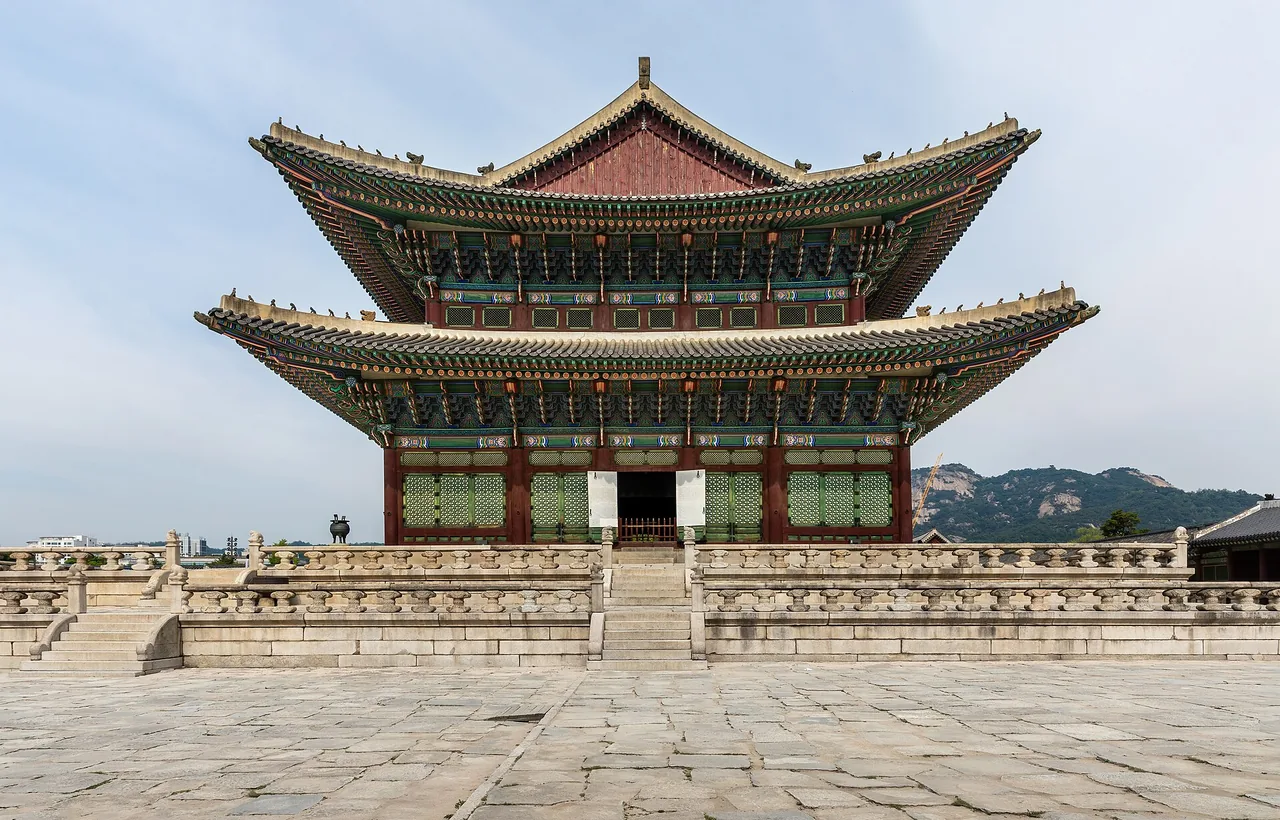
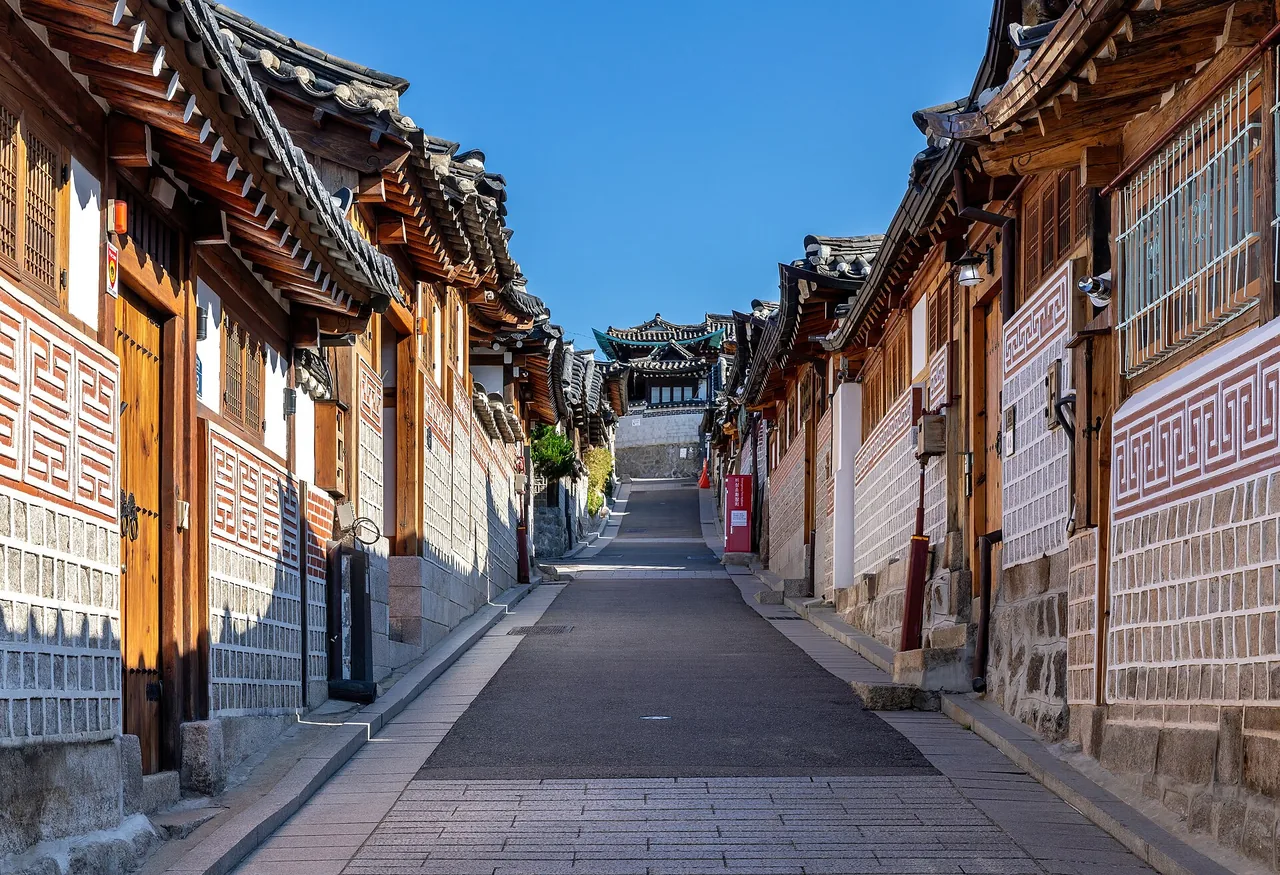
| Day 1 | Old Seoul in Jongno: Gyeongbokgung Palace (adult ₩3,000, free in hanbok; guard-changing 10:00 & 14:00, closed Tuesdays), Bukchon Hanok Village, Insadong or Ikseon-dong, then Gwangjang Market for dinner and Cheonggyecheon by night. |
|---|---|
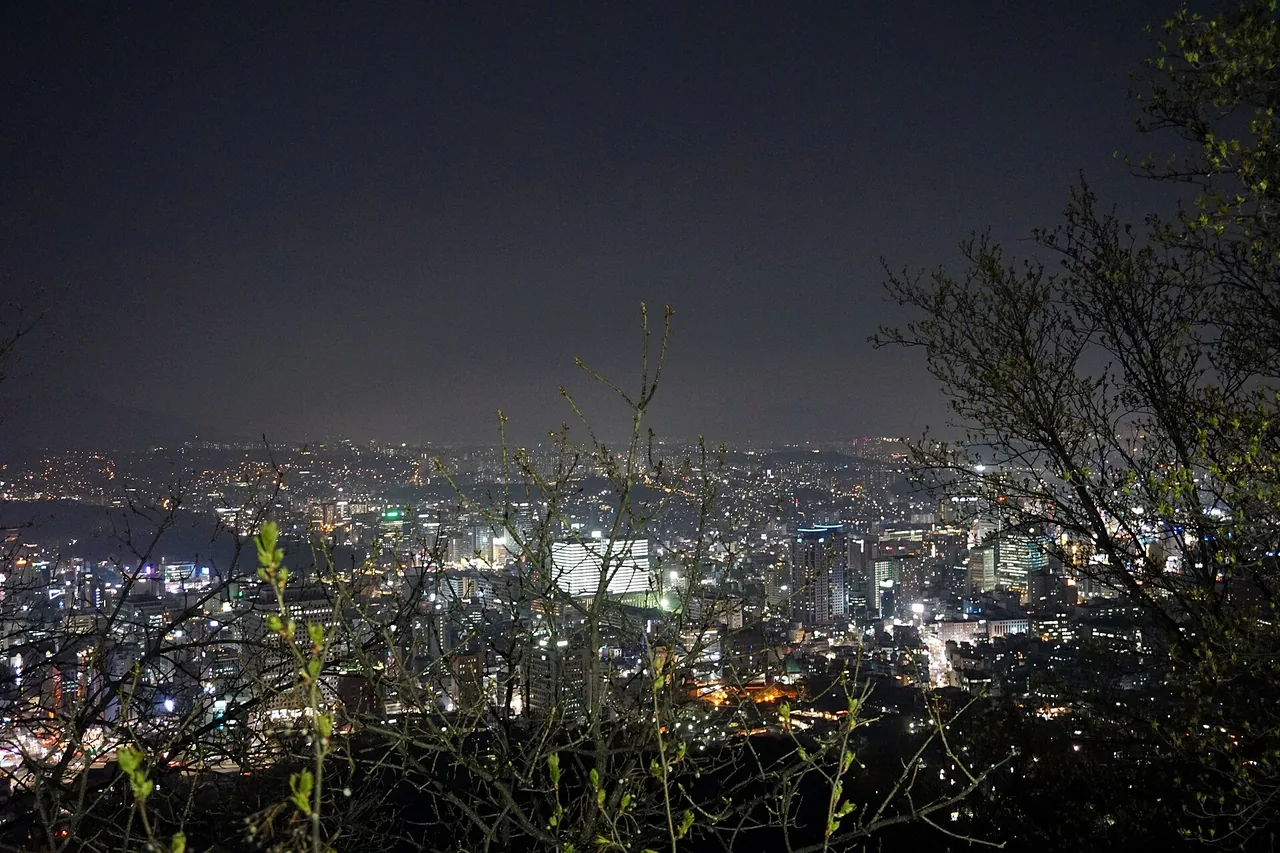
| Day 2 | Downtown & Namsan: Myeongdong for K-beauty (the new Olive Young flagship) and street food, N Seoul Tower at sunset (₩29,000, or ~₩18,400 online), then Hongdae buskers by night. |
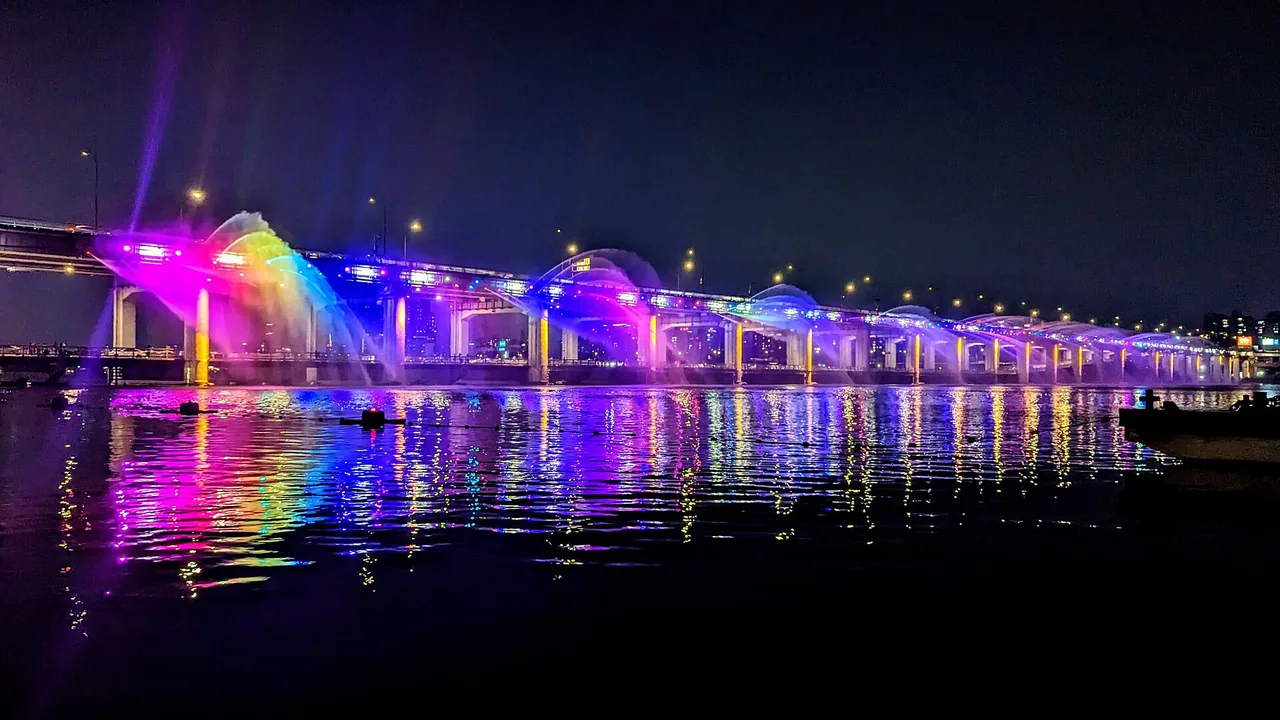
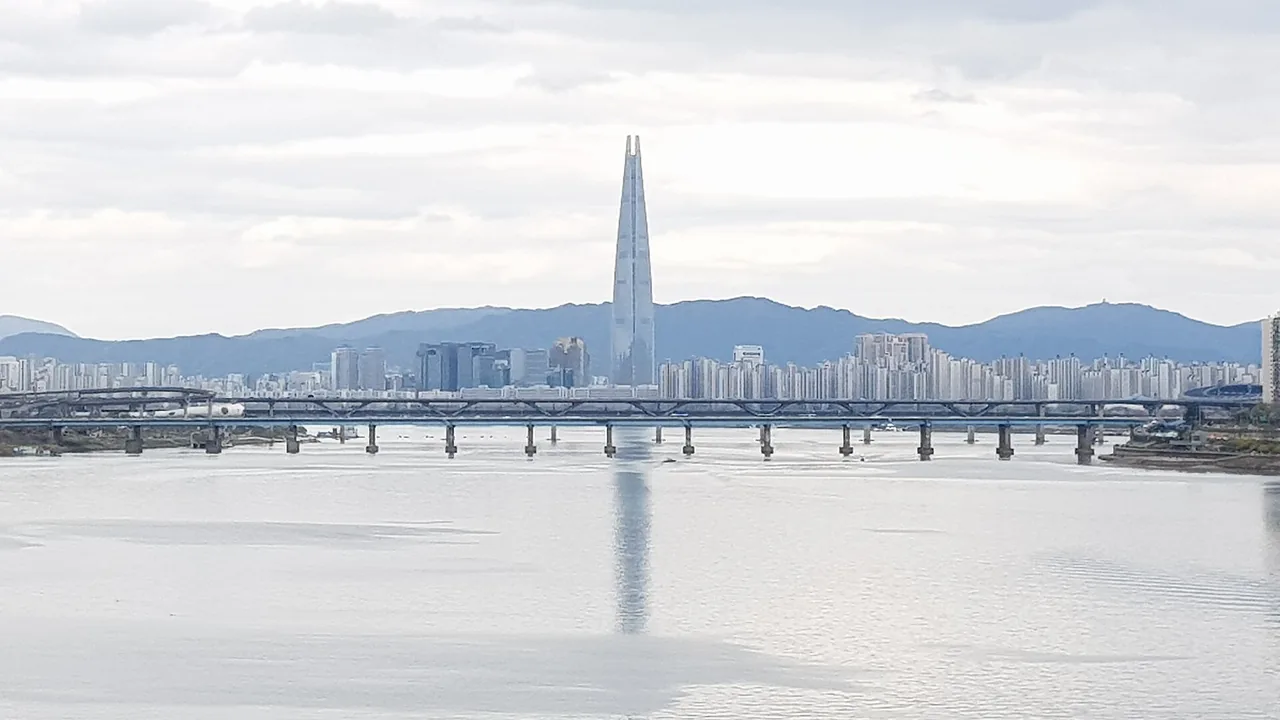
| Day 3 | Modern Seoul south of the river: Seoul Sky at Lotte World Tower (₩31,000), Lotte World or Seongsu-dong cafés, COEX Starfield Library, then the Han River at Yeouido — cruise or riverside chimaek and the Banpo rainbow fountain. |
| Bring | A Climate Card tourist pass (₩5,000 / ₩8,000 / ₩10,000 / ₩15,000 for 1/2/3/5 days, physical card only for foreigners); route everything in Naver Map or KakaoMap — Google Maps has no transit directions in Korea. |
1. Your 3 days in Seoul at a glance
2. How many days do you need in Seoul?
3. Arriving: from the airport into the city
4. Getting around: Climate Card vs T-money vs Discover Seoul Pass
5. Day 1 — Palaces & old Seoul (Jongno & Bukchon)
6. Seoul’s 5 royal palaces compared (and the ₩6,000 combo ticket)
7. Day 2 — Downtown shopping, K-beauty & a Namsan sunset
8. Day 3 — Modern Seoul: Gangnam, Jamsil & the Han River
9. One more day: the best day trips from Seoul
10. Shopping, K-beauty & tax refunds
11. K-pop & K-culture pilgrimage
12. The Han River, done right
13. Where to stay: Seoul’s best neighborhoods
14. Getting around Seoul like a local
15. What to eat in Seoul
16. When to go: weather month by month & the 2026 festival calendar
17. Tailor the trip: families, couples, foodies, rainy days & budget
18. How much does 3 days in Seoul cost? (budget breakdown)
19. Final tips & pre-departure checklist
Seoul packs a lot into a small footprint: 600-year-old palaces, hanok lanes, mountain-top views and neon nightlife are all a short subway ride apart. The secret to a smooth first trip is grouping sights by district so you’re not crossing the city twice a day. This is a local’s Seoul 3 day itinerary built for first-timers with 2 nights and 3 days — one day of old Seoul, one of downtown and Namsan, one of the modern riverside city — planned hour by hour with real 2026 prices, subway lines, opening hours and insider timing for every stop. Read it top to bottom, or jump to the day you need. For the big picture, see our Seoul travel guide.
1. Your 3 days in Seoul at a glance
Here’s the shape of the trip. Each day stays in one part of the city, so you spend your time exploring instead of commuting underground:
| Day | Morning | Afternoon | Evening | Area |
|---|---|---|---|---|
| Day 1 | Gyeongbokgung + guard-changing, National Folk Museum | Bukchon Hanok Village, Insadong / Ikseon-dong | Gwangjang Market dinner, Cheonggyecheon walk | Jongno & old Seoul (Line 3) |
| Day 2 | Myeongdong K-beauty & Olive Young flagship | Myeongdong Cathedral, DDP or a museum | N Seoul Tower sunset, then Hongdae buskers | Downtown & Namsan (Lines 4 & 2) |
| Day 3 | Seoul Sky at Lotte World Tower | Lotte World / Seokchon Lake, COEX or Seongsu | Han River at Yeouido: cruise, chimaek, Banpo fountain | Gangnam, Jamsil & the river (Line 2) |
This is the classic first-timer loop: history, then the modern city, then the river. The philosophy is simple — cluster by district, anchor two or three big stops a day, and leave room to graze and wander. That’s how Seoulites actually move through their own city, and it saves you an hour of backtracking every day. Short on time? Days 1 and 2 already cover Seoul’s headline sights. First, a few practical things to sort before you begin.
2. How many days do you need in Seoul?
Seoul rewards however long you give it, but there is a clear sweet spot. Here’s how the days stack up so you can match this plan to your trip:
| Trip length | Good for | What you’ll realistically see |
|---|---|---|
| 1 day | A stopover or long layover | Just the core — Gyeongbokgung, Bukchon and one night view (Namsan or the river). |
| 2 days | A short city break | The palaces and hanok lanes, plus Myeongdong shopping and a Namsan sunset. |
| 3 days | The sweet spot for a first trip | All of the above at a comfortable pace, plus Gangnam, Lotte World Tower’s Seoul Sky and the Han River. |
| 4 days | A relaxed first trip with a day trip | Everything in the 3-day plan plus one full day trip — the DMZ, Nami Island or Suwon. |
| 5–7 days | A slow trip or a repeat visit | Add trendy neighborhoods (Seongsu, Itaewon), a second day trip, and time to shop, spa and café-hop. |
3. Arriving: from the airport into the city
Almost everyone flies into Incheon International Airport (ICN), about an hour west of the city; some regional and budget flights use the closer Gimpo (GMP). Here’s how to get downtown, cheapest to fastest: If you land at Gimpo, five subway lines run from the station and the right one depends on your destination. Our guide to Gimpo Airport sets them out line by line.
| Option | Time to city | Cost | Best for |
|---|---|---|---|
| AREX all-stop train | ~59 min to Seoul Station | ~₩4,150 (T-money) | Value; stops at Hongdae, Gongdeok, Digital Media City |
| AREX Express train | ~43 min to Seoul Station | ₩13,000 (~₩11,500 online) | Direct, no transfers, luggage racks |
| Airport limousine bus | ~60–90 min | ~₩17,000–18,000 | Door-to-door near many hotels |
| Taxi | ~60–80 min | ~₩70,000–100,000+ | Late arrivals, heavy luggage, groups |
The two AREX trains share the same tracks; the express only saves about 15 minutes over the all-stop, so if your hotel is near Hongdae or Gongdeok, the all-stop commuter train is the smart-money choice. From Gimpo, it’s a quick hop on the subway (Lines 5 & 9) or AREX. Full route-by-route detail — where to buy tickets, night buses, and the fastest option for your neighborhood — is in getting from Incheon Airport.
4. Getting around: Climate Card vs T-money vs Discover Seoul Pass
Seoul has one of the world’s best subway systems, and it does nearly all the work in this plan — numbered, color-coded lines with English signs and announcements. The only real decision is which fare card to use. Here’s the head-to-head:
| Pass | Price (2026) | Covers | Best for |
|---|---|---|---|
| Climate Card (tourist) | ₩5,000 / ₩8,000 / ₩10,000 / ₩15,000 (1/2/3/5 days) | Unlimited Seoul subway + city buses | Busy sightseeing days with lots of hops |
| T-money card | Card ~₩2,500–4,000 + pay-per-ride (base fare ₩1,550) | Subway, buses, taxis, convenience stores | Light travelers; anything the Climate Card excludes |
| Discover Seoul Pass | ₩50,000 / ₩70,000 / ₩90,000 (24/48/72 h) | 70+ attractions free + 1 AREX ride + bike + airport bus | Sightseers hitting 2–3 paid attractions a day |
| Seoul City Tour Bus | ~₩24,000 (Tiger, downtown/palace/Namsan loop) | Hop-on hop-off sightseeing loop, ~40-min headway | Less-mobile travelers; a lazy overview day |
The Climate Card, in detail
Seoul’s Climate Card (기후동행카드) is unlimited flat-rate transit, and its tourist tiers are perfect for a tight 3-day trip: the 3-day card is just ₩10,000, which you’ll often beat in a single busy day of hopping around. A few things foreigners must know:
- Physical card only. Foreign visitors buy the plastic card (the mobile version needs a Korean registration number and a domestic bank card). Get it at the Seoul Tourism Plaza, the Myeongdong Tourist Information Center, subway customer-service offices on Lines 1–8, or convenience stores (CU, GS25, 7-Eleven, emart24) near stations.
- Reload only at station kiosks. You can buy the card at a convenience store, but you can only add days at a subway-station machine. It activates the moment you load it.
- What it excludes: the Sinbundang Line, anything outside Seoul city limits, wide-area/intercity/airport buses, KTX/ITX, and Ttareungyi public bikes (short-term tiers). And, again, you cannot board AREX at Incheon.
- Always tap off. Miss the exit tap twice and the card is suspended for 24 hours.
5. Day 1 — Palaces & old Seoul (Jongno & Bukchon)
Start where Seoul is oldest: the grand royal palaces, hillside hanok lanes and craft streets of Jongno. Everything below sits on or near Metro Line 3, so you can walk most of the day.
Hour by hour
6. Seoul’s 5 royal palaces compared (and the ₩6,000 combo ticket)
Gyeongbokgung is the headliner, but Seoul has five Joseon-era palaces plus the Jongmyo royal shrine, all downtown. If you love history, an extra palace or two is easy to slot in. Here’s the full comparison: When the garden booking opens and how many places each slot holds is in our Changdeokgung Secret Garden guide.
| Palace / site | Adult | Closed | Highlight | Nearest station |
|---|---|---|---|---|
| Gyeongbokgung | ₩3,000 | Tuesday | Largest palace; guard-changing 10:00 & 14:00; Gyeonghoeru pavilion | Gyeongbokgung, Line 3, Ex 5 |
| Changdeokgung | ₩3,000 | Monday | UNESCO (1997); the Huwon “Secret Garden” | Anguk, Line 3, Ex 3 |
| — Huwon (Secret Garden) | +₩5,000 | Monday | Timed guided tour only; peak autumn foliage | Anguk, Line 3, Ex 3 |
| Deoksugung | ₩1,000 | Monday | Guard-changing 11:00 & 14:00; open to 21:00; stone-wall walk | City Hall, Lines 1 & 2 |
| Changgyeonggung | ₩1,000 | Monday | 1909 Grand Greenhouse; Chundangji pond | Hyehwa, Line 4 |
| Jongmyo Shrine | ₩1,000 | Tuesday | UNESCO (1995); guided tours (free self-guided Sat/Sun) | Jongno 3-ga, Lines 1/3/5 |
If you only add one
Pick Changdeokgung for its UNESCO-listed Huwon (Secret Garden) — you must join a timed guided tour (adult ₩5,000 on top of the ₩3,000 palace ticket; English tours around 10:30, 11:30, 14:30 and 15:30). Reserve online via the Korea Heritage Service portal, which opens six days ahead; autumn slots vanish within minutes. For a low-key evening, Deoksugung is the only palace open until 21:00, and its tree-lined stone-wall walkway is a classic autumn stroll.
Palace night openings (2026)
Gyeongbokgung runs a spring night opening from May 13 to June 14, 2026 (19:00–21:30, closed Mondays and Tuesdays; ₩3,000, hanbok free), booked on Interpark only. The premium Byeolbit Yahaeng moonlight tour with a royal court meal (~₩60,000, as of 2025) is booked by lottery on Ticketlink. Changgyeonggung’s Mulbit Yeonhwa media-art night is walk-in at ₩1,000. Exact 2026 autumn dates weren’t published at writing — confirm before you plan around them.
7. Day 2 — Downtown shopping, K-beauty & a Namsan sunset
Day 2 stays central: K-beauty and street food by day, a mountain-top night view at dusk, then late-night energy in Hongdae. Line 4 and Line 2 link it all. The Namsan cable car has no advance booking at all, and return tickets stop selling earlier than one-way ones. The step-free route up is in the Myeongdong guide.
Hour by hour
8. Day 3 — Modern Seoul: Gangnam, Jamsil & the Han River
Day 3 crosses the Han River to the glossy modern south — skyscraper views, a theme park or trendy cafés, and a river finale. Almost everything links along Metro Line 2.
Hour by hour
9. One more day: the best day trips from Seoul
Got a fourth day, or want to swap something out? Seoul is a superb base for a day trip. Here’s the honest comparison, with our full 4-day plan (4-day Seoul itinerary) covering the hour-by-hour logistics:
| Day trip | Theme | Time from Seoul | Rough cost | Best for |
|---|---|---|---|---|
| The DMZ | Division, history, security | ~1 h; half to full day | Half-day tour ₩50,000–80,000; full day ₩110,000–160,000 | History & current affairs |
| Nami Island + Gapyeong | Nature, drama scenery, photos | ~1–1.5 h | Nami entry ₩19,000 (incl. ferry) + transport | Couples, families, photographers |
| Suwon Hwaseong | UNESCO fortress, walking | ~1–1.5 h | Ramparts free; Haenggung ₩2,000; trolley ₩6,000 | Heritage on a budget |
| Everland | Theme park, pandas | ~1–1.5 h | Gate ₩59,000 (online ~₩39,000) | Families, thrill-seekers |
The DMZ
The tense, fascinating border with North Korea. A standard DMZ tour runs daily and covers the Third Tunnel (a North Korean infiltration tunnel), the Dora Observatory (views into the North), Imjingak Peace Park and Dorasan Station. You cannot go independently — it’s a controlled military zone, so an authorized DMZ tour with your original passport is required.
Nami Island & Gapyeong
The tree-lined island (of Winter Sonata fame) about 1–1.5 hours out; entry including the ferry is ₩19,000 (₩16,000 concession). Get there on the ITX-Cheongchun express to Gapyeong (~45–60 min), then the hop-on Gapyeong City Tour Bus (₩8,000) that loops to Nami, Petite France, the rail bike and the Garden of Morning Calm. Easy to bundle two stops into one day. See Nami Island.
Suwon Hwaseong
A UNESCO fortress wall (1997) about an hour south on Line 1. The ~5.7 km ramparts are free to walk; Hwaseong Haenggung palace is ₩2,000 and the Hwaseong tourist trolley is ₩6,000. Great heritage value for very little money, with far fewer crowds than central Seoul. Which parts are original, which were rebuilt in the 1970s and what closes on Mondays are all in our full guide to Suwon Hwaseong.
Everland
Korea’s biggest theme park, great for families (gate ₩59,000; online/Klook often ~₩39,000). The headline coaster is Monimo RUSH (renamed from T Express in April 2026), a 77°-drop wooden coaster. On the famous pandas: Fu Bao has already returned to China, a fourth cub was born on June 3, 2026, and the celebrity twins (Rui Bao & Hui Bao) may follow their sister to China around 2026–27, so treat “seeing the pandas” as not guaranteed. See Everland.
10. Shopping, K-beauty & tax refunds
Shopping is a headline reason many people visit Seoul. Here’s where to go and, crucially, how to get your money back.
Where to shop
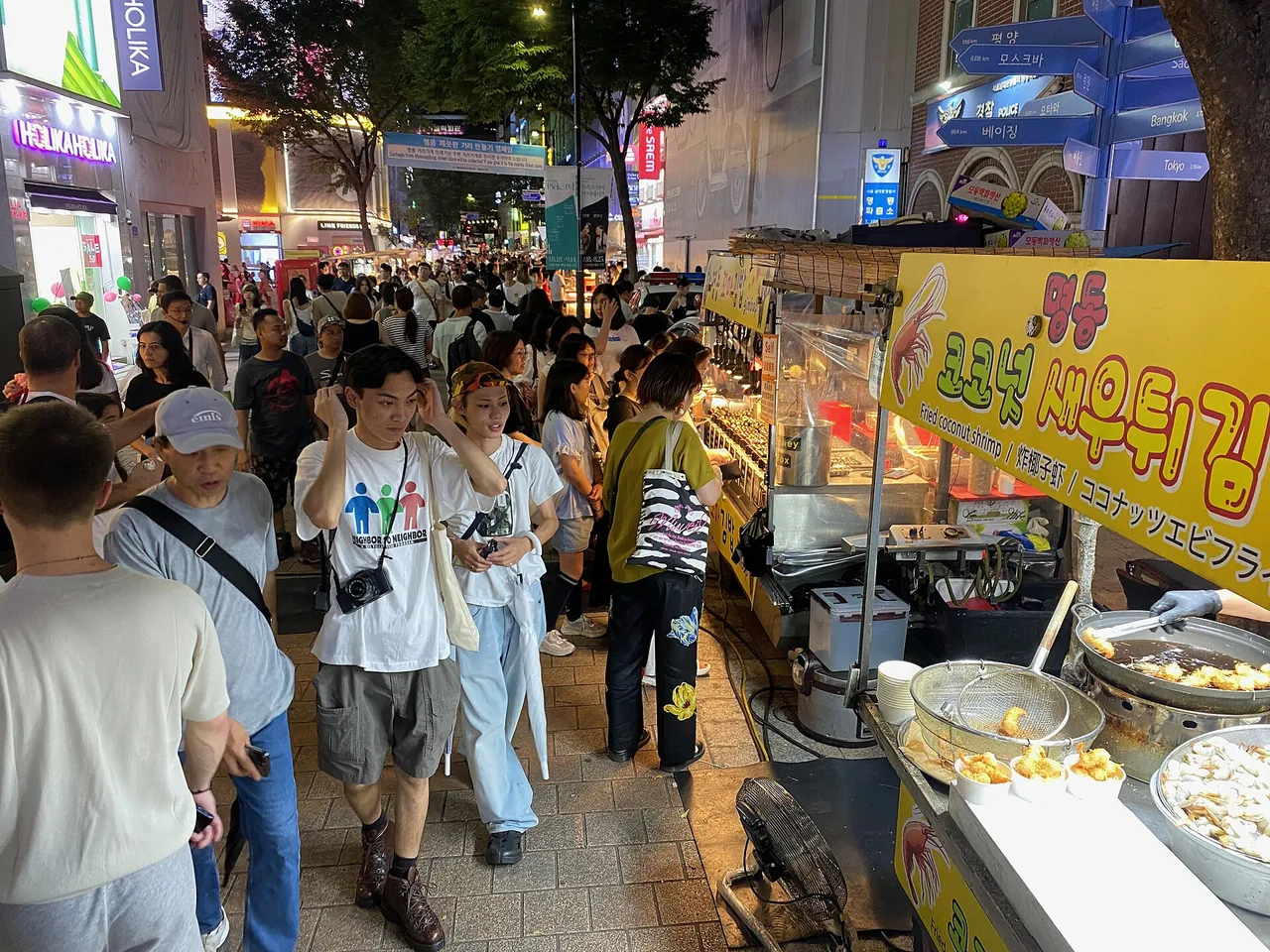
- Myeongdong — K-beauty and cosmetics capital, anchored by the giant Olive Young flagship, plus Lotte Department Store and duty-free. Best for a beauty haul with instant tax refund.
- Seongsu-dong — the pop-up-store capital of Seoul; constant brand activations and concept stores in converted warehouses.
- Garosu-gil (Sinsa) and Apgujeong/Cheongdam — beauty flagships and luxury boutiques south of the river.
- Dongdaemun (DDP) — 24-hour fashion. For casual single-item shopping stick to retail malls like Doota or Migliore in normal hours; the true wholesale floors (peak midnight–4am) want cash and enforce minimum quantities.
- Namdaemun Market — Korea’s largest traditional market for souvenirs, kids’ clothes, eyewear and dried snacks (Hoehyeon Station, Line 4, Exit 5; many stalls closed Sundays).
Olive Young: the one-stop K-beauty shop
One Olive Young carries hundreds of brands, so you skip the individual shops — with free testers, English/Chinese/Japanese labels and instant in-store tax refund. Perennial best-sellers: Beauty of Joseon Relief Sun, Round Lab Birch Juice, and frequent 1+1 deals from Mediheal, Torriden and Dr. Jart+.
Tax refund (2026)
Korea’s VAT is 10%; you net back roughly 5–8% after fees. Minimum ₩15,000 per receipt. Two ways to claim:
- Instant, in-store: show your physical passport at the register and the refund is deducted on the spot — for purchases under ₩1,000,000 each and within a ₩5,000,000 cumulative cap for your whole stay. Fastest and easiest.
- At the airport: for single purchases over ₩1,000,000, or where the store didn’t apply an instant refund. Get customs export confirmation, then collect at a refund counter or unmanned kiosk before departure (Incheon has zones near Gate 28 in T1 and Gate 253 in T2). Bring the physical passport — digital photos are often rejected.
11. K-pop & K-culture pilgrimage
Seoul is the capital of Hallyu, but the map changes fast — some famous spots have closed. Here’s what’s actually worth your time in 2026:
- SM KWANGYA@Seoul (Seongsu): the strongest open fan spot — merch for aespa, NCT, EXO, Red Velvet and more, plus AR and photo zones and a tax-refund kiosk. Daily 10:30–20:00, Seongsu Station (Line 2).
- HiKR Ground (near Euljiro): free, indoor and all-weather — the best value K-pop experience, with an MV stage and photo zones (Tue–Sun, closed Mondays), run by the Korea Tourism Organization.
- LINE Friends & Kakao Friends flagships: character-goods heaven — LINE Friends in Myeongdong (a new 2026 flagship), Kakao’s Ryan Café in Hongdae and Gangnam.
- Hongdae busking: the live, free, spontaneous side of K-pop — dance crews and idol covers on the Walking Street, Fri–Sun evenings (Hongik Univ Station exits 8/9).
- K-Star Road (Apgujeong–Cheongdam): a free ~1 km walk of “GangnamDol” bear statues; plus the giant media wall at COEX K-pop Square.
- 1MILLION Dance Studio (Seongsu): drop-in classes for visitors from about ₩28,000, beginner to advanced, booked online in English.
K-drama and MV location fans can add Bukchon (of Goblin fame — keep quiet, it’s residential), N Seoul Tower, and Nami Island (Winter Sonata) on a day trip.
12. The Han River, done right
The Han River is Seoul’s giant living room, and an evening beside it is the most local thing you can do. Here’s how to make the most of it:
- River cruise: E-Land’s Han River cruises run mainly from Yeouido — a ~40-minute daytime tour is about ₩19,900, sunset-dinner cruises run ₩89,000–99,000, and the night “Moonlight Music Dinner” cruise (with a Banpo-fountain view and live jazz) is ₩129,000–159,000. The night sailing’s highlight is watching the Banpo fountain from the water.
- Banpo Bridge Moonlight Rainbow Fountain: free, the Guinness-record longest bridge fountain. Season March 16–October 31; evening shows around 19:30 / 20:00 / 20:30 / 21:00 (plus 21:30 in summer), each ~15–20 minutes. Best watched from Banpo Hangang Park under the bridge, or from Sebitseom. Express Bus Terminal Station (Lines 3/7/9).
- Chimaek delivery: the classic move — order fried chicken and beer to a marked riverside pickup zone (three in Yeouido, two at Ttukseom). Coupang Eats has an English interface; some parks even offer reusable-container service.
- Ttareungyi public bikes: ₩1,000 for an hour or ₩5,000 for a day; foreigners should use the Tmoney GO app (English, no Korean number needed). Note the short-term Climate Card does not include bike share.
- Which park? Yeouido (Line 5, Yeouinaru) for blossoms, fireworks and picnics; Banpo (Express Bus Terminal) for night views and the fountain; Ttukseom (Line 7) next to Seongsu and less crowded; Nanji for camping and BBQ.
13. Where to stay: Seoul’s best neighborhoods
Your base is the single biggest decision of the trip. Stay near a subway line and pick the district that fits your travel style:
| Area | Best for | Why | Lines |
|---|---|---|---|
| Myeongdong / Jongno | First-timers, central sightseeing | Dead-center; walk to the palaces, shopping and street food | 2, 4, 3, 1 |
| Hongdae | Younger travelers, nightlife, airport access | Buzzing, great value; direct AREX to Incheon | 2, AREX, Gyeongui-Jungang |
| Gangnam | Upscale stays & shopping | Modern hotels, glossy malls, easy Lotte World & COEX | 2, Sinbundang |
| Dongdaemun | Shoppers & night owls | Round-the-clock fashion malls and markets | 1, 2, 4, 5 |
| Itaewon / Hannam | Global food, bars, design | International dining, Leeum art museum, relaxed vibe | 6 |
For a first 3-day trip, Myeongdong or Jongno keeps you closest to Days 1 and 2 and cuts your daily commute to a minimum. Hongdae is the pick if nightlife and quick airport access matter most; Gangnam suits travelers who want modern hotels and the Day 3 sights on their doorstep. For specific picks at each budget, see where to stay in Seoul.
14. Getting around Seoul like a local
The subway does almost all the work in this plan, but a little know-how makes it effortless:
- Subway lines you’ll use: Line 3 threads the palaces and Bukchon (Day 1); Line 4 and Line 2 cover Myeongdong and Namsan (Day 2); Line 2 (with Lines 8/5) loops to Jamsil, Gangnam and Yeouido (Day 3). Every station has English signage, and trains announce stops in English.
- Fares: the base subway fare is ₩1,550, with free/discounted transfers within 30 minutes. Tap on and off with your Climate Card or T-money.
- Buses: color-coded — blue (long trunk routes), green (neighborhood), red (wide-area, not covered by the Climate Card), yellow (downtown loop). City buses are covered by the Climate Card and fill the gaps the subway misses.
- Taxis: reasonable and easy to hail with the KakaoT app (English). Orange/silver are regular; black are premium (pricier). Have your destination in Korean ready.
- Last trains: the subway runs until roughly midnight — check the last-train time in Naver Map if you’re out late, or grab a KakaoT taxi.
15. What to eat in Seoul
Eating is half the trip. Slot these in as you go — most sit right beside the day’s stops:
| Dish | What it is | Where to try it |
|---|---|---|
| Korean BBQ | Grill-your-own samgyeopsal (pork belly) or hanwoo beef | Jongno & Gangnam alleys; everywhere |
| Chimaek | Fried chicken + beer, the national pairing | Hongdae; Han River parks (delivery) |
| Bibimbap | Rice bowl with vegetables, egg and gochujang | Insadong, Jongno |
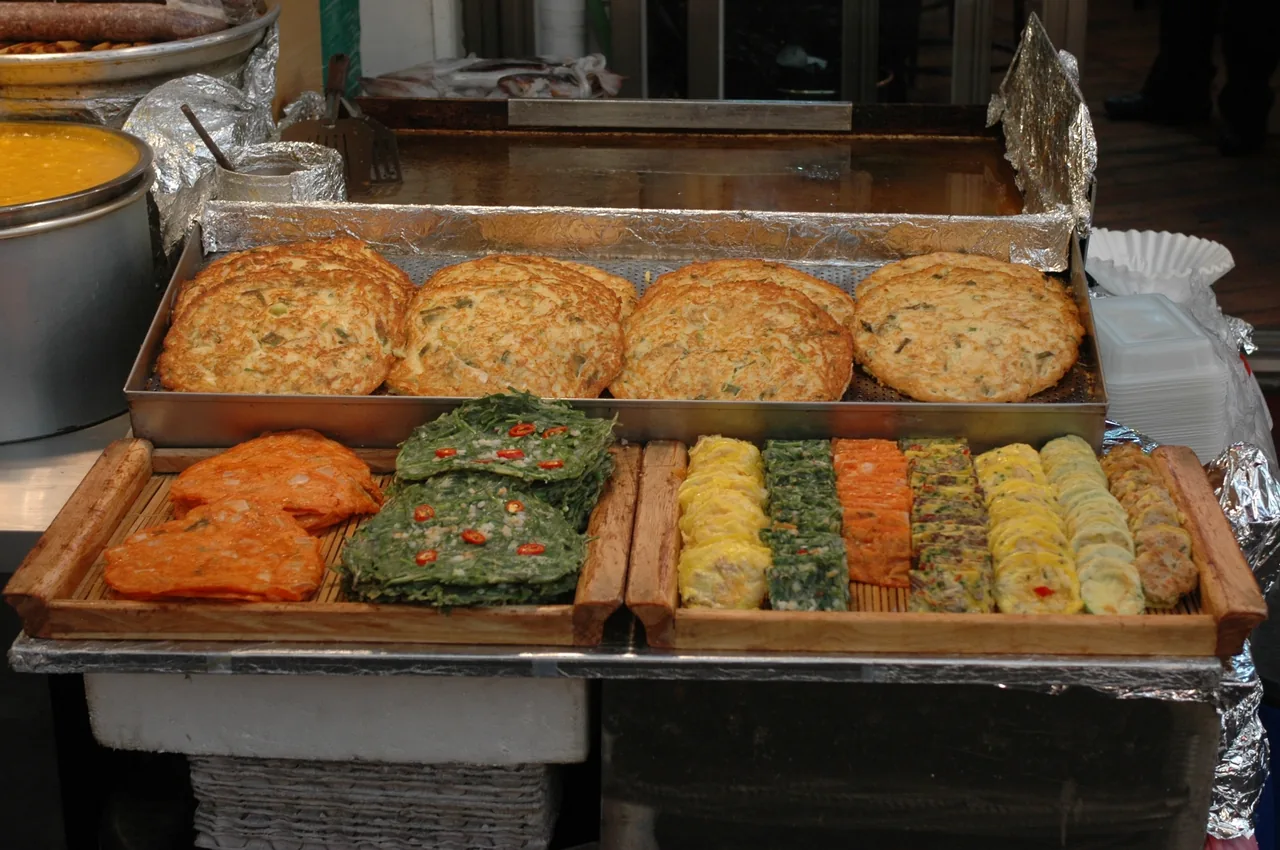
| Market street food | Bindaetteok, mayak gimbap, yukhoe, tteokbokki, hotteok | Gwangjang Market; Myeongdong stalls |
| Naengmyeon | Chilled buckwheat noodles, a summer staple | Old Euljiro diners |
| Kalguksu / sundae | Knife-cut noodle soup; blood sausage | Gwangjang Market |
| Café & bingsu | Third-wave coffee; shaved-ice desserts | Seongsu, Ikseon-dong, Hongdae |
Gwangjang Market (Day 1) and the Myeongdong street stalls (Day 2) are the easiest, most fun places to graze, while Seongsu and Ikseon-dong are café heaven. For the deep dive — dishes, etiquette and where to find each — see our Korea food coverage via Korea travel guide. As always, check a map app for current hours before you go.
16. When to go: weather month by month & the 2026 festival calendar
Seoul is a year-round city, but spring and autumn are the sweet spots. Here’s what to expect and pack:
| Month | Avg high / low | What it’s like | Verdict |
|---|---|---|---|
| Jan | 2° / -6°C | Deep winter, dry, occasional snow | Quiet; bundle up |
| Feb | 4° / -4°C | Late winter, still cold | Off-season |
| Mar | 11° / 1°C | Early spring, magnolias | Improving |
| Apr | 18° / 7°C | Cherry blossoms, mild | ★ Best |
| May | 23° / 12°C | Sunny, green, festival season | ★ Best |
| Jun | 27° / 17°C | Early summer; monsoon starts late-month | Good |
| Jul | 29° / 22°C | Monsoon, humid, wettest month | Hot & wet; go indoors |
| Aug | 31° / 23°C | Hottest & most humid | Heat; do the river at night |
| Sep | 27° / 17°C | Early autumn, clearing | ★ Good |
| Oct | 20° / 9°C | Fall foliage, crisp & clear | ★ Best |
| Nov | 12° / 2°C | Peak foliage into early winter | Good; chilly |
| Dec | 4° / -4°C | Early winter, illuminations | Cold but festive |
2026 festival calendar (confirmed dates)
| Festival | 2026 dates | Notes |
|---|---|---|
| Yeouido Spring Flower Festival | Apr 3–7 | Cherry blossoms at Yunjungno; free |
| Seokchon Lake Cherry Blossoms | Apr 3–11 | Beside Lotte World; free |
| Lotus Lantern Festival (연등회) | Lantern parade May 16 (19:00–21:30) | Dongdaemun → Jongno → Jogyesa; Buddha’s Birthday May 24 |
| Han River outdoor pools | Jun 19–Aug 30 | Ttukseom & Yeouido; adult ₩5,000 |
| Seoul Int’l Fireworks Festival | Oct 3 (19:00–21:00) | Yeouido; free; ~1M people, expect road closures |
| Seoul Lantern Festival (Cheonggyecheon) | ~mid-Dec (TBD) | Now a Dec–early-Jan event; confirm nearer the date |
Cherry blossoms peak in early-to-mid April; autumn foliage peaks late October into early November — see our Seoul autumn foliage guide for the best foliage spots. Some annual events (the Seoul Lantern Festival, Kimjang festival) hadn’t published exact 2026 dates at writing, so re-verify before planning around them.
17. Tailor the trip: families, couples, foodies, rainy days & budget
Same backbone, different emphasis. Tweak the plan to your group:
- With kids: lean on hanbok photos at Gyeongbokgung, the Seoul Sky view, and swap Day 3’s cafés for Lotte World or a day at Everland out of town. The subway is stroller-friendly and many headline sights are free or cheap.
- Couples: hanbok in Bukchon’s lanes, the padlocks and sunset at N Seoul Tower, a Seongsu café afternoon and a Han River night cruise make an easy romantic loop.
- Foodies: build the days around a Gwangjang Market crawl, Korean BBQ in Jongno, an Euljiro old-diner naengmyeon night, and chimaek by the river.
- Rainy day: swap outdoor stops for the vast, free National Museum of Korea (National Museum of Korea), COEX’s mall and aquarium, a department store like The Hyundai Seoul, or a jjimjilbang spa.
- Budget travelers: the palaces are ₩1,000–3,000 (free in hanbok), markets and river parks cost nothing, and the ₩10,000 Climate Card caps your transit — the itinerary is genuinely cheap if you skip the tower decks.
18. How much does 3 days in Seoul cost? (budget breakdown)
Here’s a realistic per-person total for 2 nights and 3 days, excluding international flights. Three tiers, so you can find your level:
| Item (per person, whole trip) | Budget | Mid-range | Luxury |
|---|---|---|---|
| Accommodation (2 nights) | ~₩60,000 (hostel/guesthouse) | ~₩200,000 (3–4★ hotel, shared) | ~₩600,000+ (5★) |
| Food (3 days) | ~₩60,000 (markets, street food) | ~₩120,000 (mix of BBQ & casual) | ~₩300,000 (fine dining, cruises) |
| Transport (3-day Climate Card) | ₩10,000 | ₩10,000 | ₩10,000 (+ taxis ~₩30,000) |
| Sights & activities | ~₩15,000 (palaces + free stuff) | ~₩70,000 (+ 1 tower deck, 1 cruise) | ~₩150,000 (both decks, Lotte World, dinner cruise) |
| Shopping / misc. | ~₩30,000 | ~₩80,000 | ~₩200,000+ |
| Approx. total (excl. flights) | ~₩175,000 | ~₩480,000 | ~₩1,260,000+ |
19. Final tips & pre-departure checklist
A few things that make a Seoul trip run smoothly, plus a checklist to run before you fly:
The four rules of this plan
- Group by area, not by checklist — palaces one day, downtown and Namsan the next, the river on Day 3. It’s the whole secret.
- Start early at the photo spots (Gyeongbokgung, Bukchon) to catch the 10:00 guard-changing and beat the crowds and harsh midday light — and to stay within Bukchon’s visitor hours.
- Mind the closed days — Gyeongbokgung and Jongmyo shut on Tuesdays; Changdeokgung, Deoksugung and Changgyeonggung on Mondays. Plan the palace day around them.
- Get the Climate Card, route in Naver/KakaoMap, carry cash for market stalls.
Pre-departure checklist
- ☐ K-ETA / entry requirements checked for your nationality
- ☐ eSIM or SIM sorted for data (you’ll live in the map apps)
- ☐ Naver Map, KakaoMap, Papago and KakaoT installed
- ☐ AREX or airport transfer decided; Climate Card plan set
- ☐ Timed tickets reserved if wanted (Changdeokgung Huwon, N Seoul Tower online)
- ☐ Weather checked and packing matched to the month (see the table above)
- ☐ A little cash for markets and street food