
Museums in Busan: All 41 Sites, What They Cost and When They Close
Count the city’s own culture listing and Busan has forty-one museums and galleries. Almost all of them are free, and almost all of them shut on the same day of the week.
| How many | Thirty-nine museums and memorial halls on the city listing, plus the two city-run art museums. Forty-one. |
|---|---|
| What they cost | Almost nothing. The 4D theatre at the maritime museum and some special exhibitions are the exceptions. |
| When they close | Mondays, nearly all of them, plus 1 January. |
| The biggest | The National Maritime Museum. Its main hall, library and children’s museum each keep different hours. |
| Closed right now | The main building of the Busan Museum of Art. Only Space Lee Ufan and the children’s gallery are open. |
| Where they cluster | Daeyeon in Nam-gu, the old downtown, Oncheonjang in Dongnae, Dongsam-dong on Yeongdo. |
1. Busan has forty-one places showing exhibitions
2. Almost nothing here charges admission
3. Mondays are the problem
4. The oldest layer: a shell midden and a hill of tombs
5. The invasion and the envoys, both starting at Dongnae
6. The treaty port and the century after it
7. The wartime capital
8. Forced mobilization, recorded in Daeyeon
9. The democracy movement
10. The sea: one museum that works like four
11. Natural history and the river mouth
12. Two art museums, one shut and one on an island
13. Nine university museums
14. People and faiths
15. Three folk arts centres
16. Small, and there for a reason
17. Guided tours make the small ones work
18. Getting there on the metro
19. Wheelchairs, pushchairs and parking
20. Grouped by neighbourhood they make a day
21. Check these before you set out
The hard part of seeing exhibitions in Busan is not the price. It is finding one that is open. Counted from the city’s own listing there are forty-one, nearly all of them free, and nearly all of them rest on the same day. If you are giving one day of a Busan trip to indoor sights, start with that.
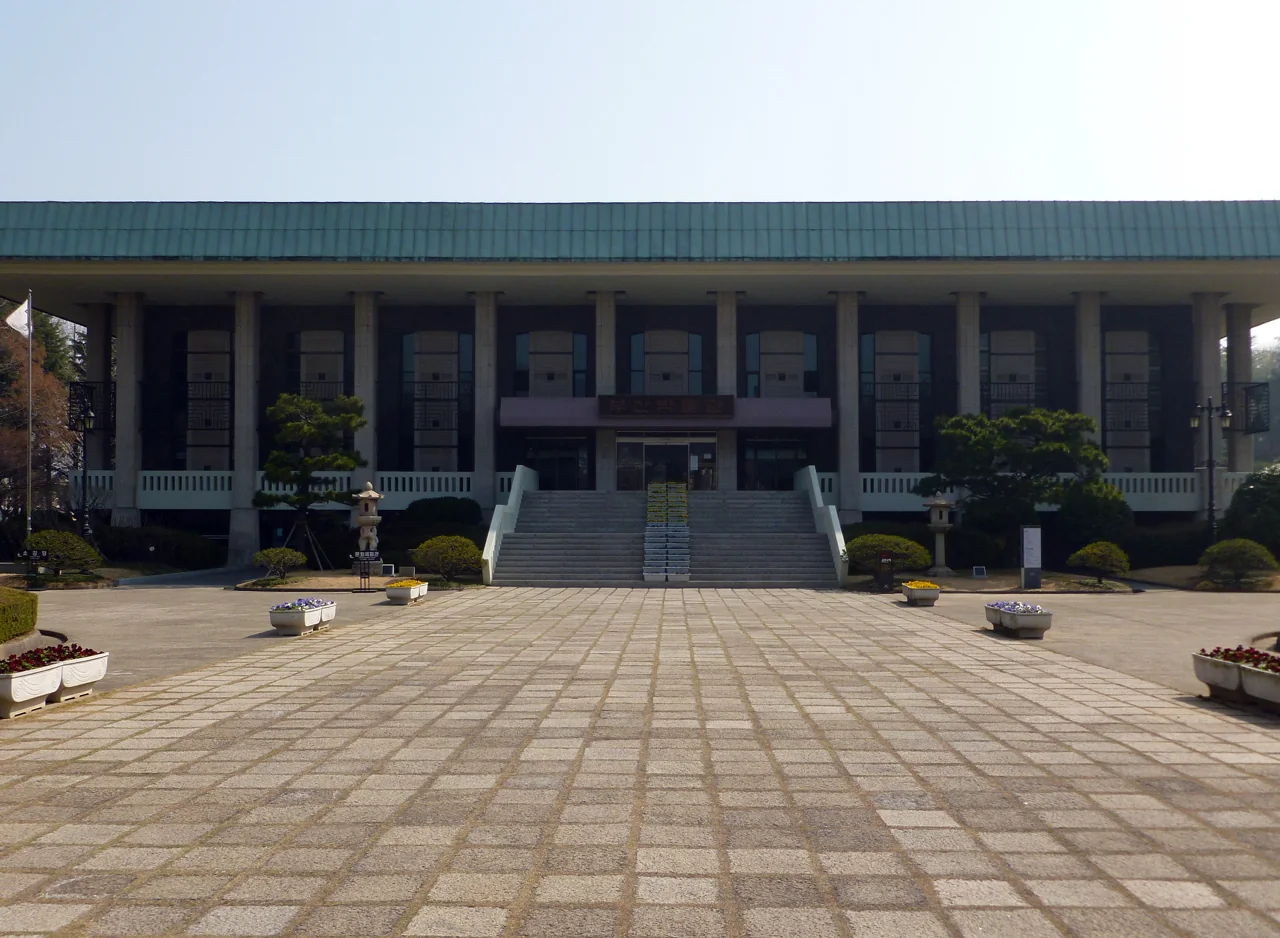
1. Busan has forty-one places showing exhibitions
The count comes from the culture portal the city government runs. It lists 37 rows under museums and 11 under memorial halls, 48 in all.
Why 48 rows become 39 places
The listing counts entries, not buildings. The National Maritime Museum fills eight rows on its own, one each for the main hall, the permanent galleries, the special exhibition hall, the aquarium, the 4D theatre, the children’s museum, the maritime library and the auditorium. The Provisional Capital Memorial Hall appears once under museums and once under memorial halls. The Park Yeong-jun monument is a stone marker rather than an exhibition space.
To those 39 add the two art museums the city runs and the portal does not classify: the Busan Museum of Art in Haeundae and the Museum of Contemporary Art Busan on Eulsukdo.
| Type | Places | What they are |
|---|---|---|
| City and national museums | 10 | Busan Museum with its branches, plus two national institutions |
| Memorial halls | 11 | The wartime capital, the independence movement, the democracy movement |
| University museums | 9 | Excavation finds displayed by the universities that dug them up |
| Folk and daily life | 9 | Folk arts centres, a fishing village hall, the book alley hall |
| Art museums | 2 | The city art museum and the contemporary art museum |
Private media-art venues and commercial galleries are not on the official listing. They are not counted here either.
Forty-one is a lot for one city
Two things stack up to produce that number. One is digging. Sites kept surfacing at Dongnae, Bokcheon-dong and Dongsam-dong, and each time a hall went up beside the site. The other is the last century and a half: a treaty port, a wartime capital and the harbour people were shipped out from, each of which left its own memorial building.
So no single museum in Busan holds the whole story. The subjects are spread across separate buildings, and in exchange each one is quick. An hour to an hour and a half covers most of them.
2. Almost nothing here charges admission
It is faster to list what does take money than what does not. City and national museums, memorial halls and university collections all open their galleries for free.
| What costs money | Detail |
|---|---|
| 4D theatre, National Maritime Museum | The museum itself is free; the theatre sells its own ticket |
| Paid special exhibitions | At the maritime museum and the contemporary art museum, depending on the show |
| Busan Museum of Art | The published price is 5,000 won for an adult, 7,000 won for the combined ticket with Space Lee Ufan |
The art museum is free at the moment
Because the main building is under renovation the museum has suspended admission charges. When the work finishes the published prices come back. What you can enter now is Space Lee Ufan and the children’s gallery.
Exemptions apply even to paid shows
The contemporary art museum sets its exemptions by city ordinance: children under seven with an adult, visitors aged sixty-five and over, people with disabilities, national merit and independence merit holders, and multi-child families. You need the card or document that proves it.
3. Mondays are the problem
Read the official notices one by one and they nearly all say the same thing. Closed Mondays, closed 1 January, and when a Monday is a public holiday the closure moves to the next weekday.
What is open on a Monday
- Outdoor sites. Bokcheon Museum closes its galleries at 18:00, but the tomb mounds outside stay open until 20:00. You can walk the hill on a day the exhibition rooms are dark.
- University museums. They run on the campus week, so weekdays are their normal opening. Silla University’s museum opens 10:00 to 16:00, Monday to Friday.
The ones with a different rule
| Place | Closed |
|---|---|
| National Museum of Forced Mobilization | Mondays, 1 January, Lunar New Year and Chuseok day |
| Democracy Movement Memorial Hall | Mondays, 1 January, Lunar New Year and Chuseok day |
| Baeksan Memorial Hall | Mondays and public holidays |
| 40 Steps Culture Center | Mondays, national days, the two big holidays |
| Toy library at the fishing village museum | Mondays, and Sundays and public holidays as well |
Some of them close on public holidays too. If you are travelling over a holiday, check Baeksan Memorial Hall and the 40 Steps Culture Center first. For turning a wet day indoors, Busan when it rains has the full version.
A public-holiday Monday pushes the closure
Most city venues write it as “if Monday is a public holiday, we close the following weekday”. The Busan Modern History Museum adds one more condition: for a run of holidays that includes a Monday, it closes on the day after the last holiday in that run. Over a long holiday weekend this catches people out, so read the notice on the venue’s own site before you go.
4. The oldest layer: a shell midden and a hill of tombs
Human traces in Busan start at a heap of shells on the shore. That heap and the burial mounds that came later each have their own hall.
Dongsam-dong Shell Midden Museum
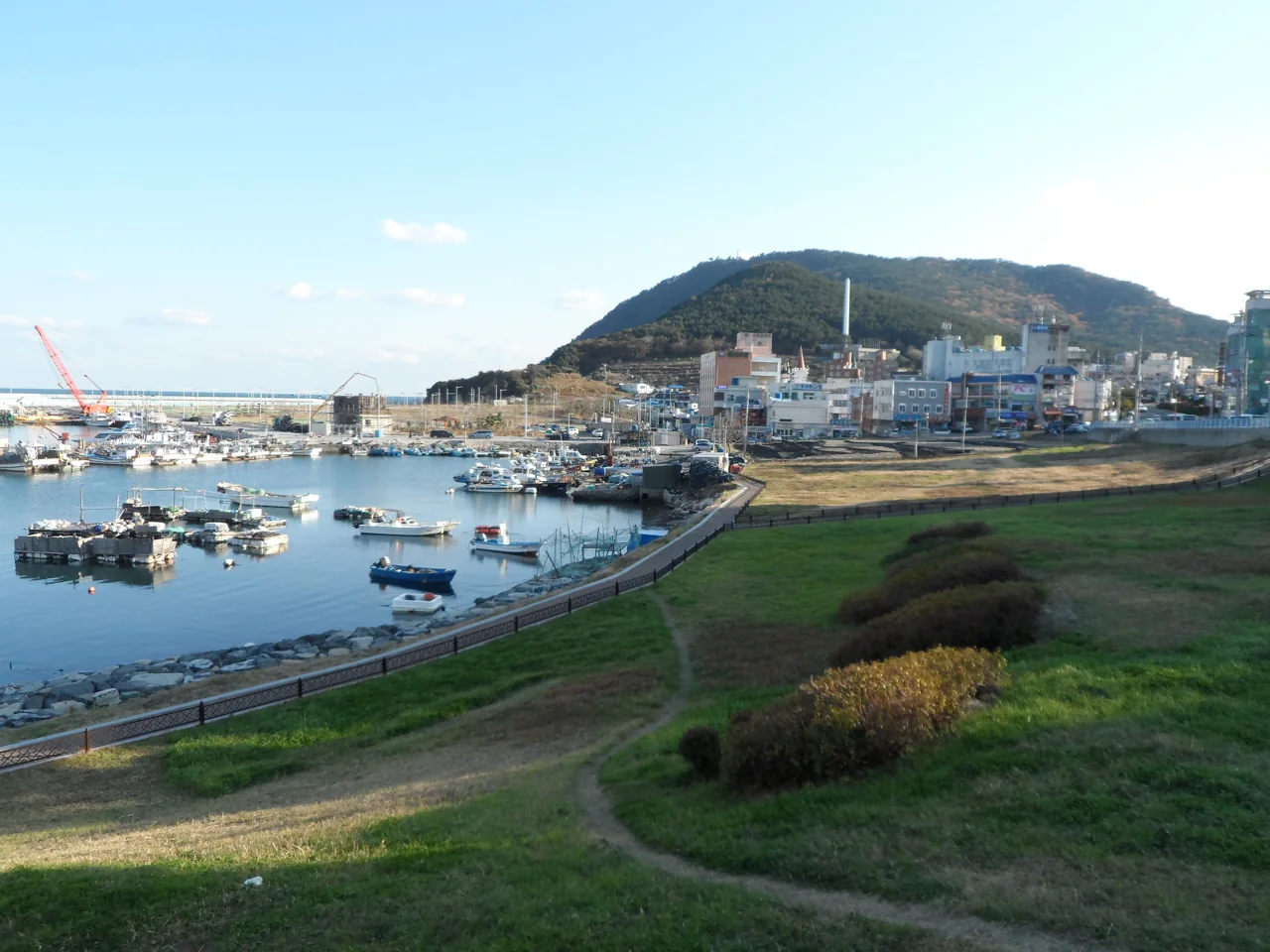
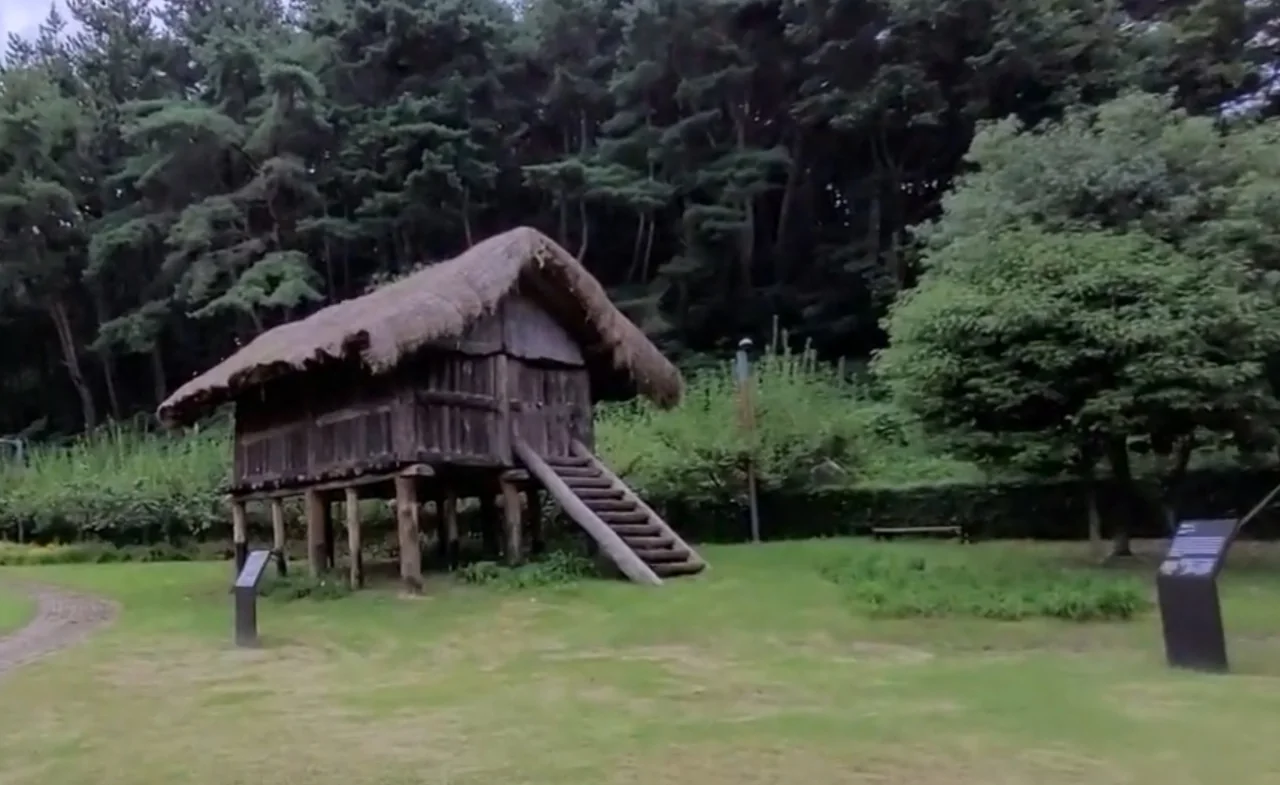
On the Yeongdo shoreline. Neolithic households dumped shells here for long enough to build up layers, and the museum stands on the site. Open 09:00 to 18:00, free. It sits on the same side of the island as Taejongdae, so it pairs with a Yeongdo day.
MapBokcheon Museum
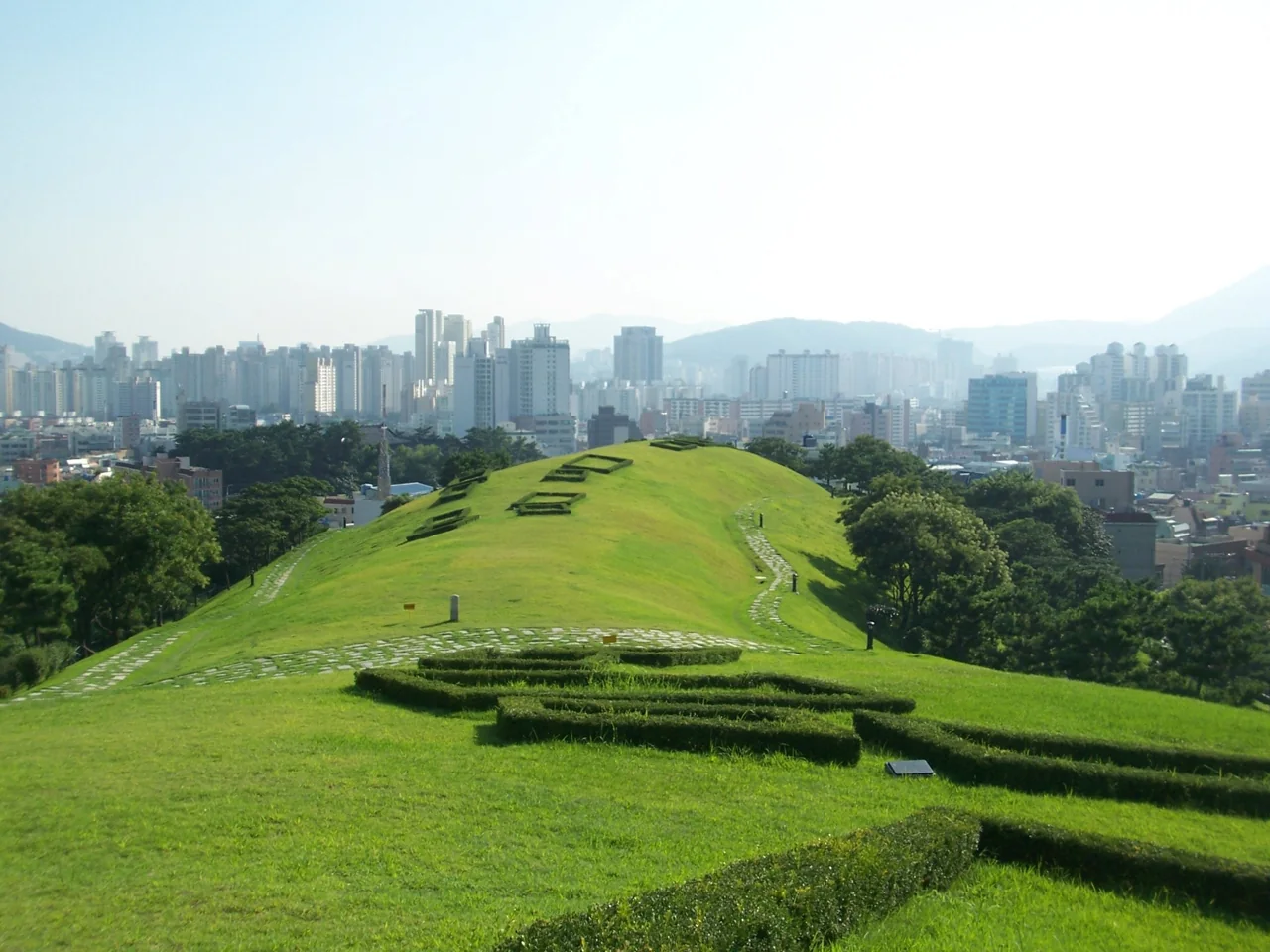
In Dongnae. The hill next door is the Bokcheon-dong tomb cluster, grassed over so you can walk across the burials. Galleries run Tuesday to Sunday, 09:00 to 18:00, last entry 17:00. The outdoor site stays open until 20:00.
MapBusan Museum
In Daeyeon, Nam-gu, beside the UN Memorial Cemetery. Two halls, Dongnae and Busan, take you from the Palaeolithic to the present in order. Tuesday to Sunday, 09:00 to 18:00, last entry 17:00, free.
MapJeonggwan Museum
Out in Gijang. Tombs and kiln sites turned up while the new town was being built, and the museum gathers them where they were found. Tuesday to Sunday, 09:00 to 18:00, and until 20:00 on the last Wednesday of each month.
Map5. The invasion and the envoys, both starting at Dongnae
Joseon-era Busan was Dongnae, the first place a Japanese invasion reached and the port envoys left from. Those two episodes sit in different buildings.
Dongnae Eupseong Imjin War History Museum
Inside Suan station on the metro. Digging the station uncovered the fortress moat and what was in it, so the station itself became the display. Open 10:00 to 20:00, which makes it one of the latest closers on this list. Shut on Mondays and on Lunar New Year and Chuseok.
MapDongnae Eupseong History Museum
A separate place beside the fortress wall below the Bokcheon tombs. The names are close enough to confuse, and it pairs naturally with Bokcheon Museum on a walk around the old fortress line.
Joseon Envoy History Museum
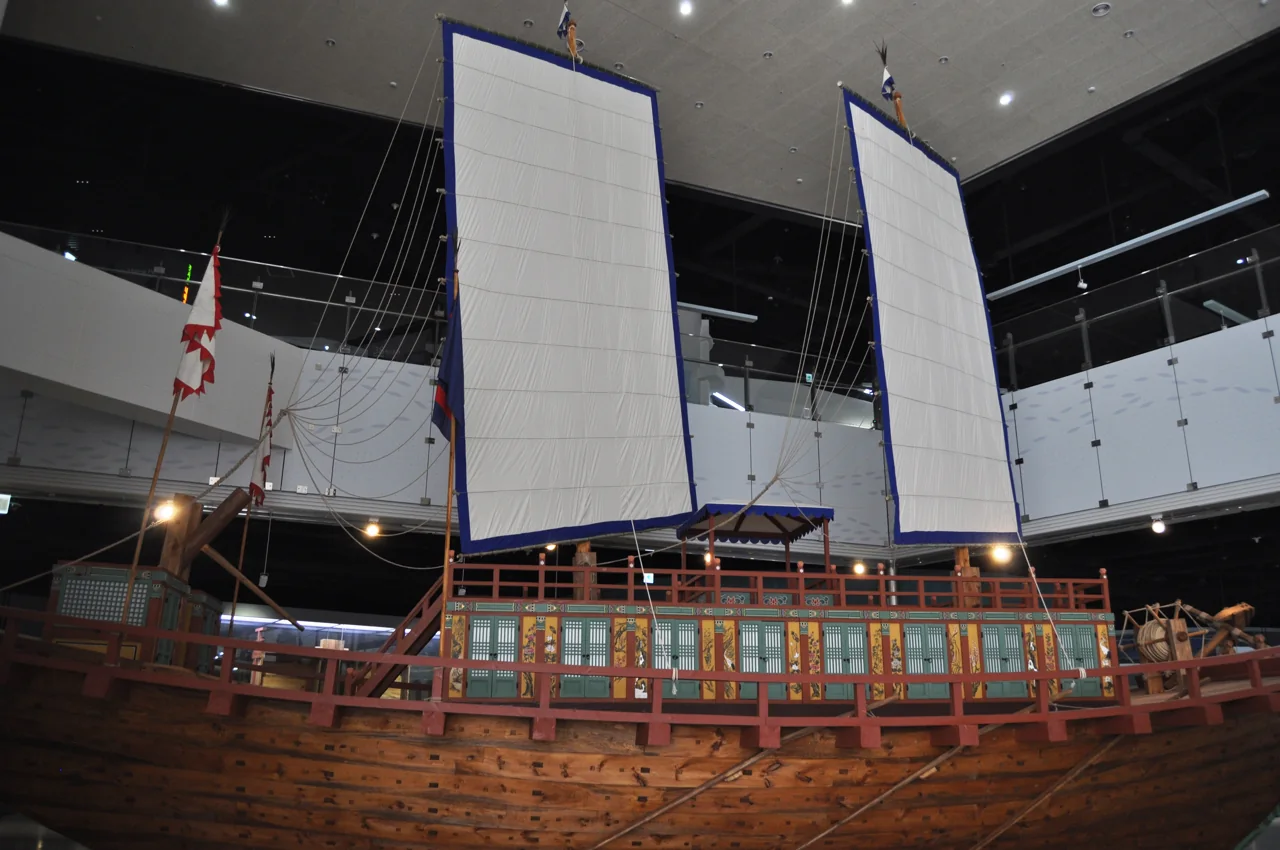
Beside Jaseongdae Park in Dong-gu, because this is where the envoy processions boarded ship for Japan. The ship itself was rebuilt at full size and stands inside the National Maritime Museum, so seeing it means a trip to Yeongdo.
Putting the two together
The stories run on from each other: the envoy missions were how Joseon and Japan resumed contact after the war. Start at Suan station, walk Dongnae, then ride down towards Jaseongdae and the envoy hall takes the story forward.
The Suan station display is inside the station building, and only certain exits reach it. Follow the signs once you are through the concourse.
6. The treaty port and the century after it
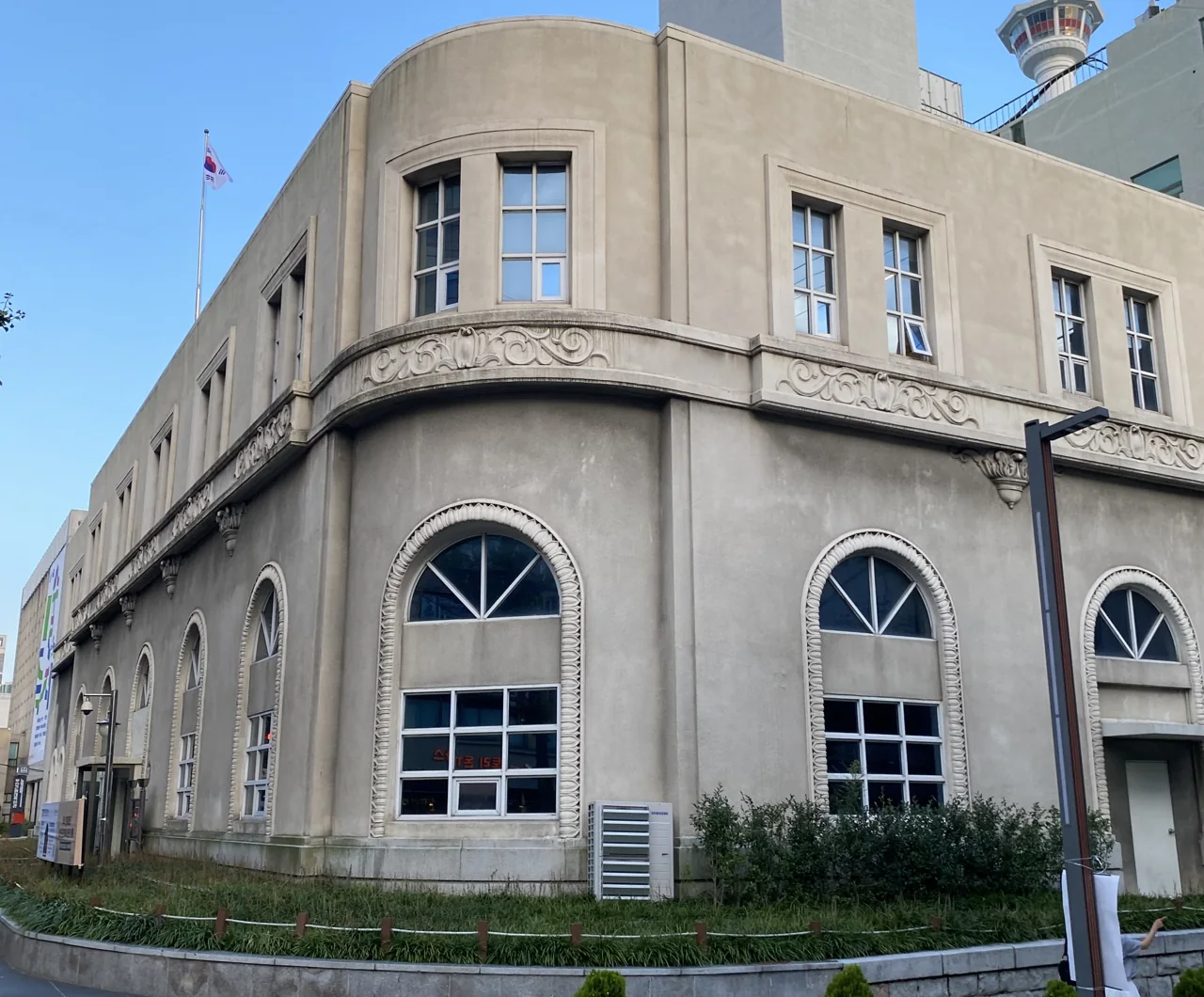
The Busan Modern History Museum occupies two buildings, and both are exhibits in their own right.
Main hall and annex
| Building | Originally | Hours |
|---|---|---|
| Main hall | The former Bank of Korea Busan branch | 09:00 to 18:00, last entry 17:00 |
| Annex | The former Oriental Development Company Busan office | The same |
The annex is a reinforced concrete building from the 1920s and housed the company that collected land and capital during the colonial period. Entry is free. Closed Mondays and 1 January, with the holiday rule described above.
MapThe children’s room runs on timed slots
The Deullaknallak room in the main hall books by session, starting at 09:30 and running in fifty-minute blocks with a maintenance break after lunch. Twenty minutes into a session the door closes. If you are bringing children, fix this slot first and arrange the rest of the day around it.
The whole quarter runs into Nampo-dong, so markets and the book alley join on without a transfer.
7. The wartime capital
When Seoul fell, the government moved here, and what is left of those years is scattered across Seo-gu, Jung-gu and Busanjin-gu.
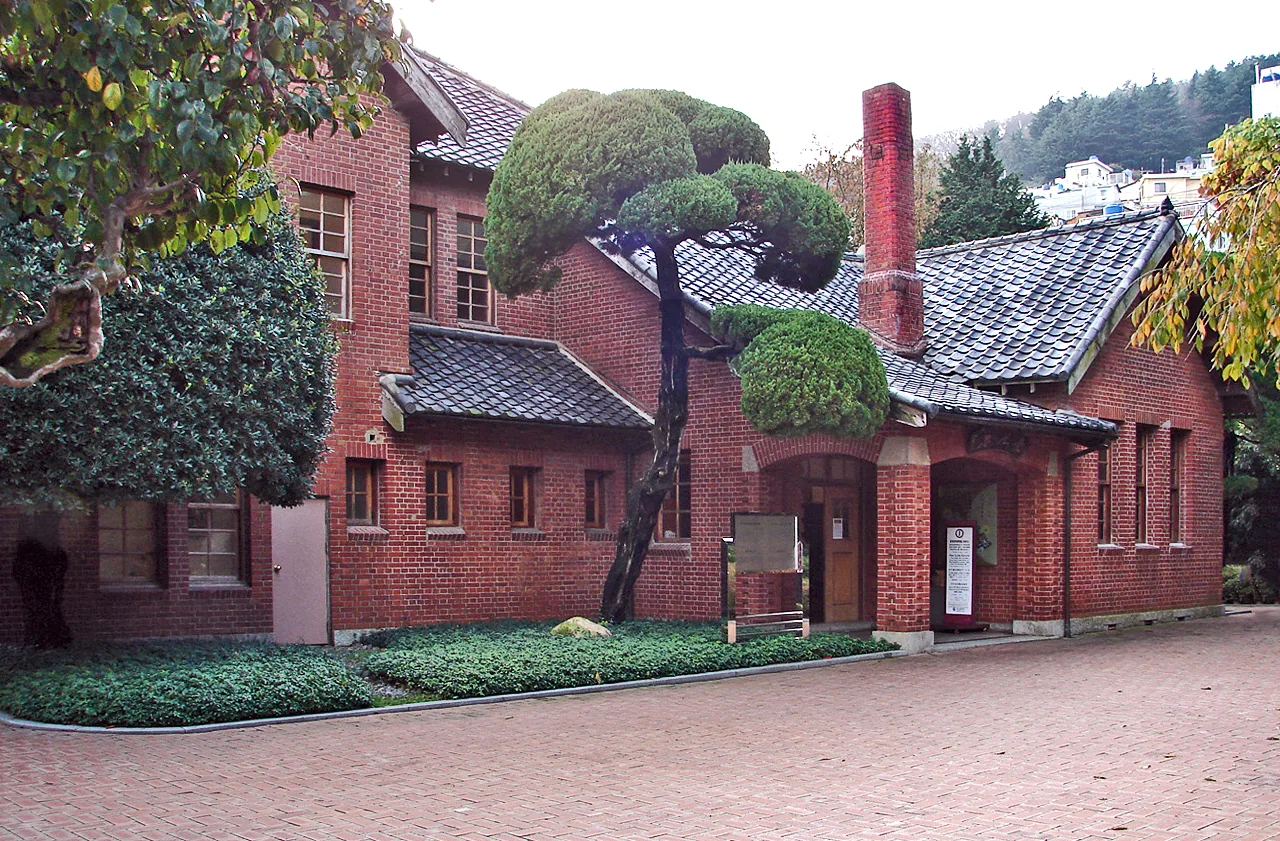
Provisional Capital Memorial Hall
In Bumin-dong, Seo-gu: the house used as the presidential residence. The red brick residence and an exhibition building share one yard. Open 09:00 to 18:00, closed Mondays and 1 January, free.
Map40 Steps Culture Center
In Donggwang-dong, in the building at the top of the stairway the refugees are remembered for. The fifth floor is the permanent display and the sixth takes special exhibitions. It runs to 18:00 on weekdays but closes at 17:00 at weekends, which is the opposite of what most visitors assume.
Busan Citizens Park History Museum
Inside the park in Busanjin-gu. The ground was a Japanese army camp, then a United States base, then a park, and the museum sets out that sequence where it happened. Open 09:00 to 18:00, last entry 17:00.
For how the hillsides filled up in those years, the Choryang Ibagu-gil stairs covers more ground.
8. Forced mobilization, recorded in Daeyeon
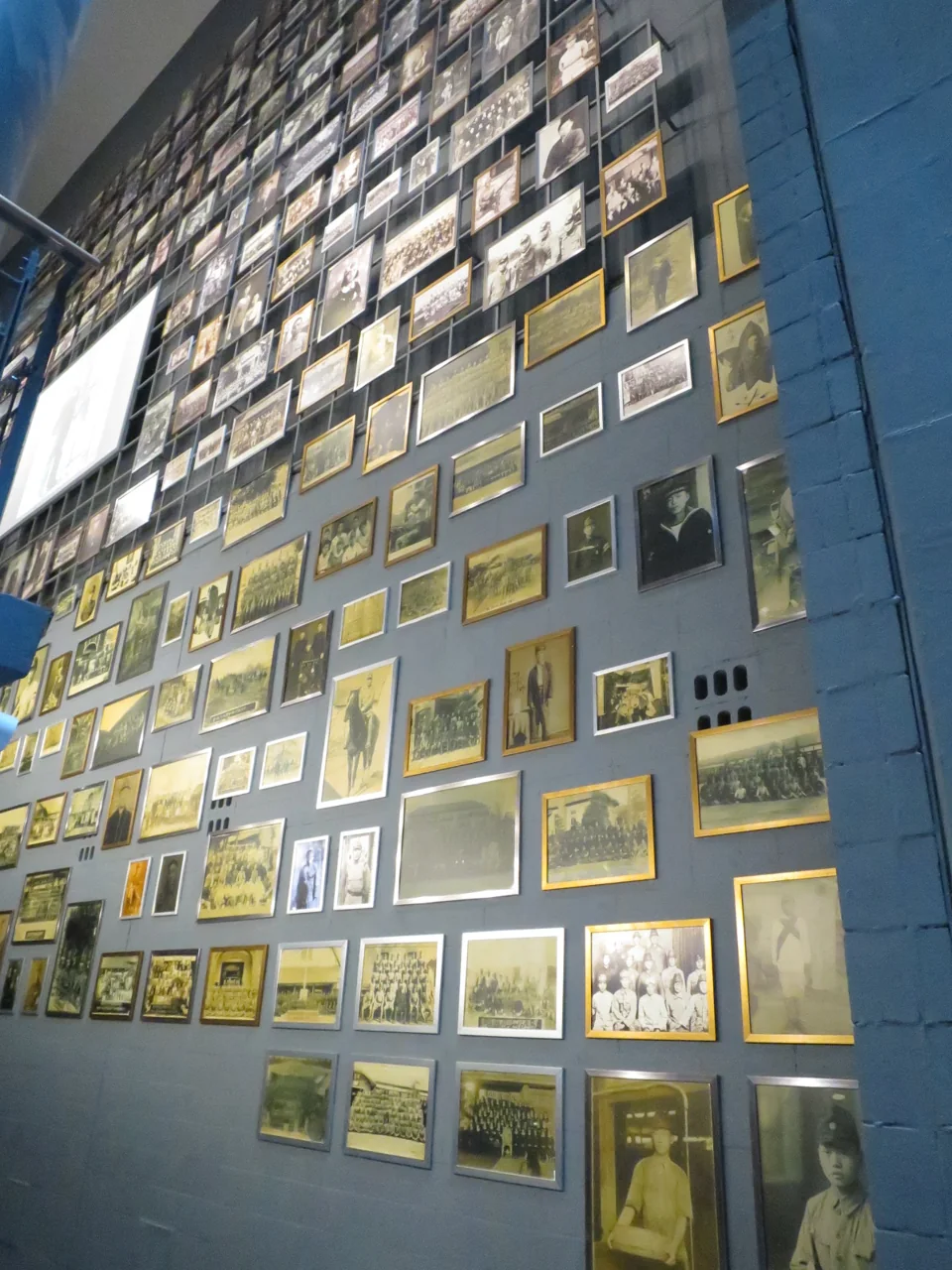
The National Museum of Forced Mobilization stands on a slope in Nam-gu. It collects the record of Koreans conscripted for labour and military service under Japanese rule, and it is in Busan because this harbour is where they were shipped out from.
Its hours are not the standard ones
Where most places open at nine, this one runs 09:30 to 17:30, with last entry thirty minutes before closing. Closed Mondays, 1 January, and the days of Lunar New Year and Chuseok. Free.
MapWhat is within walking distance
Busan Museum and the UN Memorial Cemetery are both close enough to walk. All three are free, so a full day in this one neighbourhood costs nothing but transport. All three also close on Mondays, so the day has to be chosen with that in mind.
9. The democracy movement
Democracy Park sits on the ridge above Daecheong-dong in Jung-gu, and holds both a memorial hall and an archive.
Democracy Movement Memorial Hall
The permanent gallery and the special exhibition room carry pure Korean names rather than the usual Sino-Korean terms. Open 09:00 to 18:00, last entry 17:30, closed Mondays, 1 January and the two holiday days. Free.
Events close the permanent gallery from time to time. The building shares its space with performance halls, and notices go up when preparations block viewing. Check the notice board on the park’s site before you climb.
MapThe archive is a separate room
Alongside the memorial hall there is a democracy archive with a document gallery, reading room and a visible storage area. For looking rather than reading, the memorial hall alone is enough; for material, the archive is the reason to come.
Baeksan and the liberation hall
Baeksan Memorial Hall stands below Yongdusan Park on the site of the trading house that funded the independence movement. The Busan Liberation Memorial Hall is on Mangyang-ro in Seo-gu. Note that Baeksan closes on public holidays as well as Mondays.
10. The sea: one museum that works like four
The National Maritime Museum on the Dongsam-dong waterfront is the largest place on this list. Once you are inside, the eight separate rows on the city listing make sense.
Four timetables in one building
| Part | Hours | Notes |
|---|---|---|
| Main hall | Tue to Fri 09:00-18:00 (last entry 17:30) Sat, Sun and holidays 09:00-19:00 (last entry 18:30) | Free |
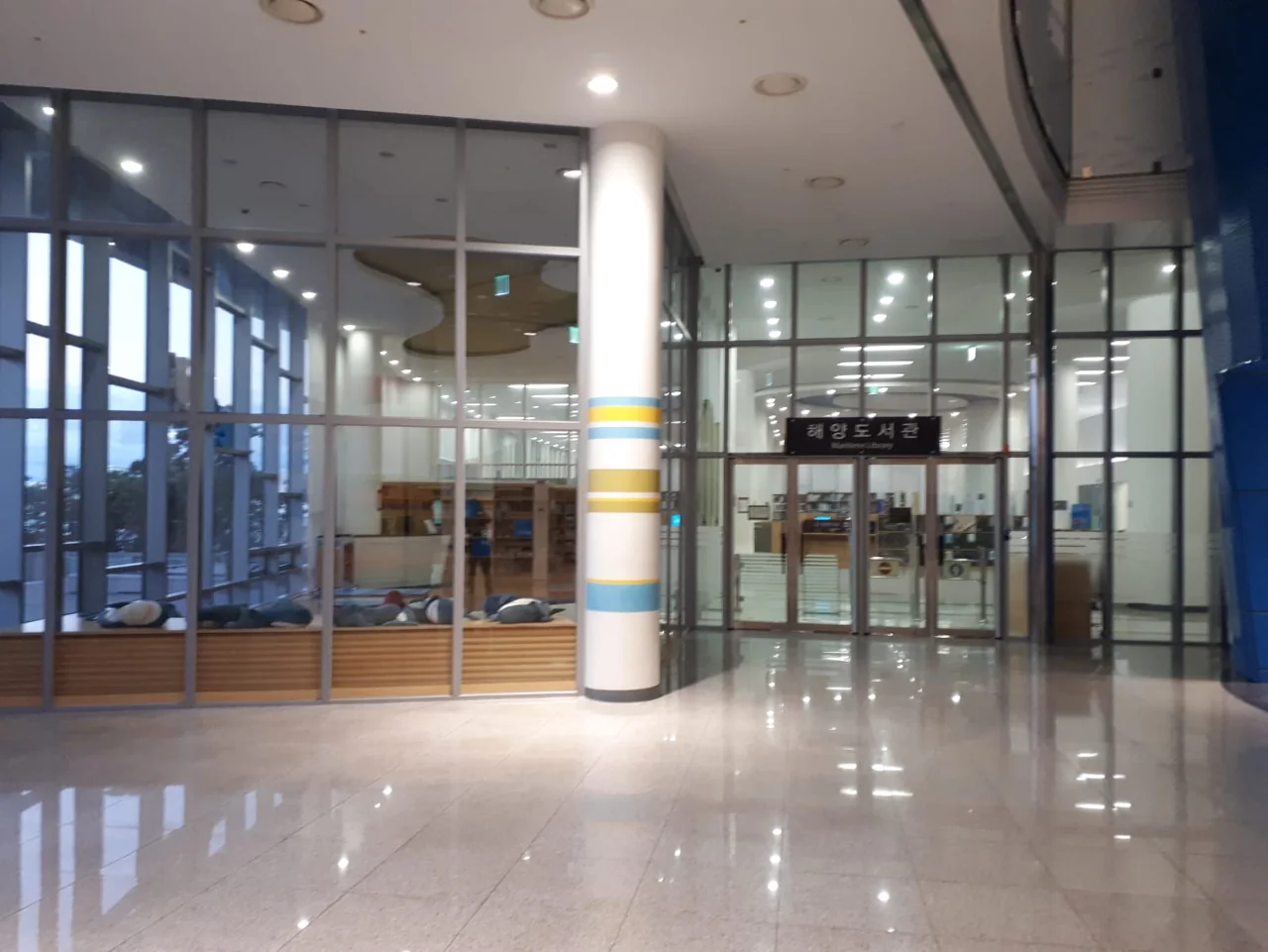
| Maritime library | Tue to Sun 09:00-17:30 | Closes before the galleries do |
| Children’s museum | Tue to Sun 10:00-17:00 | Booking required. April to September it runs to 18:20 at weekends and on holidays |
| 4D theatre | Sessions within main hall hours | The only thing inside that charges |
That extra weekend hour is rare on this list. It is the answer when you want somewhere indoors late on a Saturday afternoon.
MapPermanent galleries are on two floors
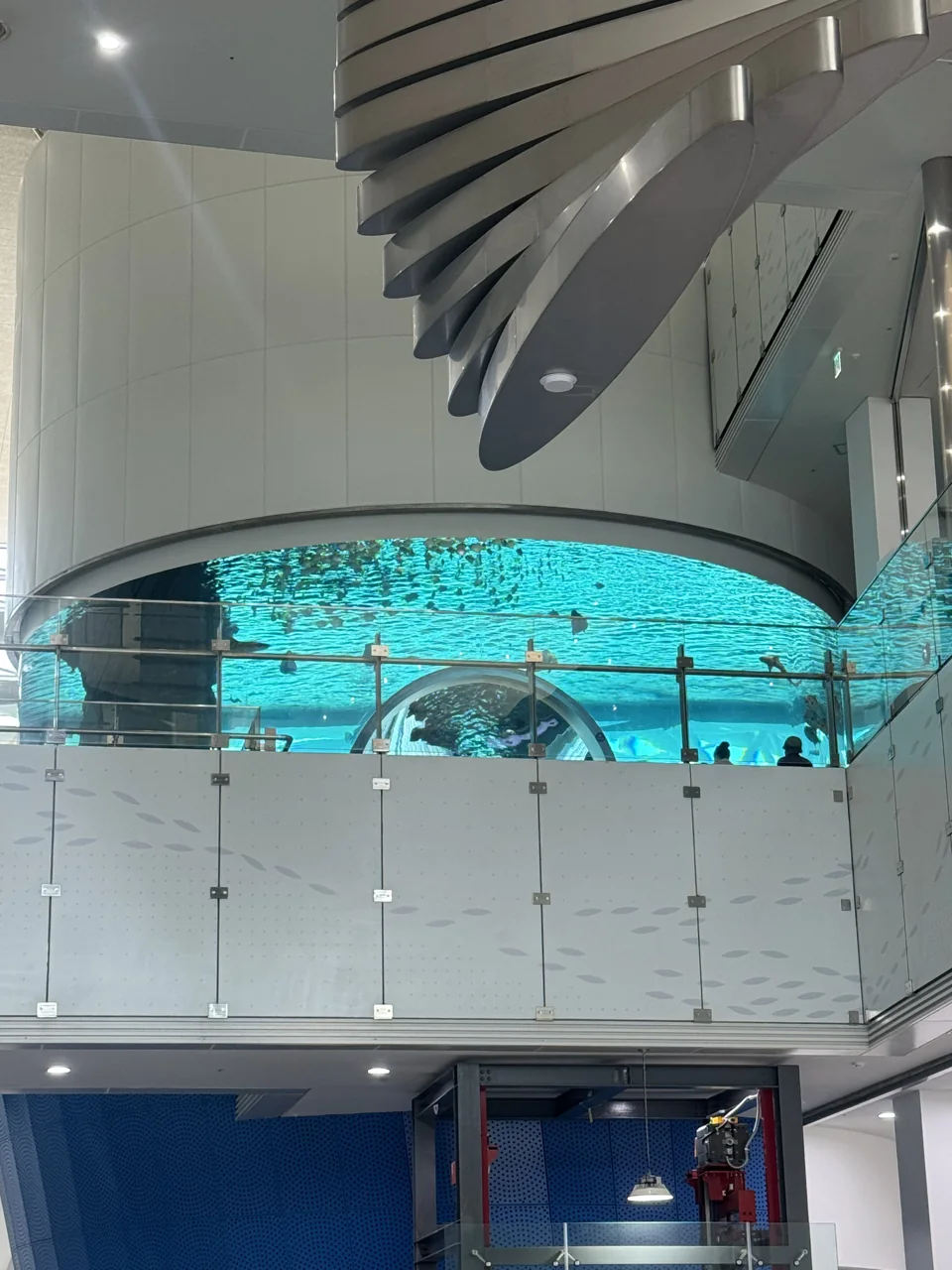
The third floor holds the ocean gallery, the aquarium and a media room; the fourth is the navigation gallery. The special exhibition hall, the children’s museum and the library are separate spaces on their own schedules, which is why one visit can hit three different closing times.
Allow two hours. The aquarium and the children’s rooms take longer than people plan for, so with children it is easier to give this place half a day.
There is a ship inside
A Joseon envoy ship stands rebuilt at full size in the middle of the hall. The aquarium is included in the free admission, with no separate ticket.
11. Natural history and the river mouth
The sea is not only Yeongdo’s subject. There is one hall inside a park in Dongnae and another out at the Nakdong estuary.
Busan Marine Natural History Museum
Inside Geumgang Park in Oncheon-dong, Dongnae. Marine specimens, 09:00 to 18:00 with last entry at 17:00, free. The museum reckons an hour to an hour and a half for a full visit.
There is no car park. You use the public car park nearby, at 200 won per ten minutes for a saloon and a daily maximum of 4,700 won, with charges only accruing for the first four hours. Compact cars, families with three or more children and vehicles in the rotation scheme pay half.
MapBusan Fishing Village Folk Museum
A branch of the same museum, out in Hwamyeong-dong, Buk-gu. Same hours, 09:00 to 18:00 with last entry at 17:00. The toy library inside also closes on Sundays and public holidays, so it is open fewer days than the museum around it.
Nakdong Estuary Eco Center
On Eulsukdo in Saha-gu. The exhibits cover the birds and the water of the estuary, 09:00 to 18:00, closed Mondays. In the migration months the windows are better than the displays. It sits in the same direction as Dadaepo.
12. Two art museums, one shut and one on an island
The city runs the Busan Museum of Art and the Museum of Contemporary Art Busan, and their situations right now are not the same.
Busan Museum of Art
Next to BEXCO in Haeundae. The main galleries are closed for renovation. A reopening is being prepared and the date will come through the museum’s own notices. What is open is Space Lee Ufan and the children’s gallery, Tuesday to Sunday 10:00 to 18:00, last entry 17:30. Admission is suspended while the work runs.
The work is in its final stage, so by the time you go the main building may be open again. Reopening also brings back the published prices above, which is reason enough to check the museum’s notice before you set out.
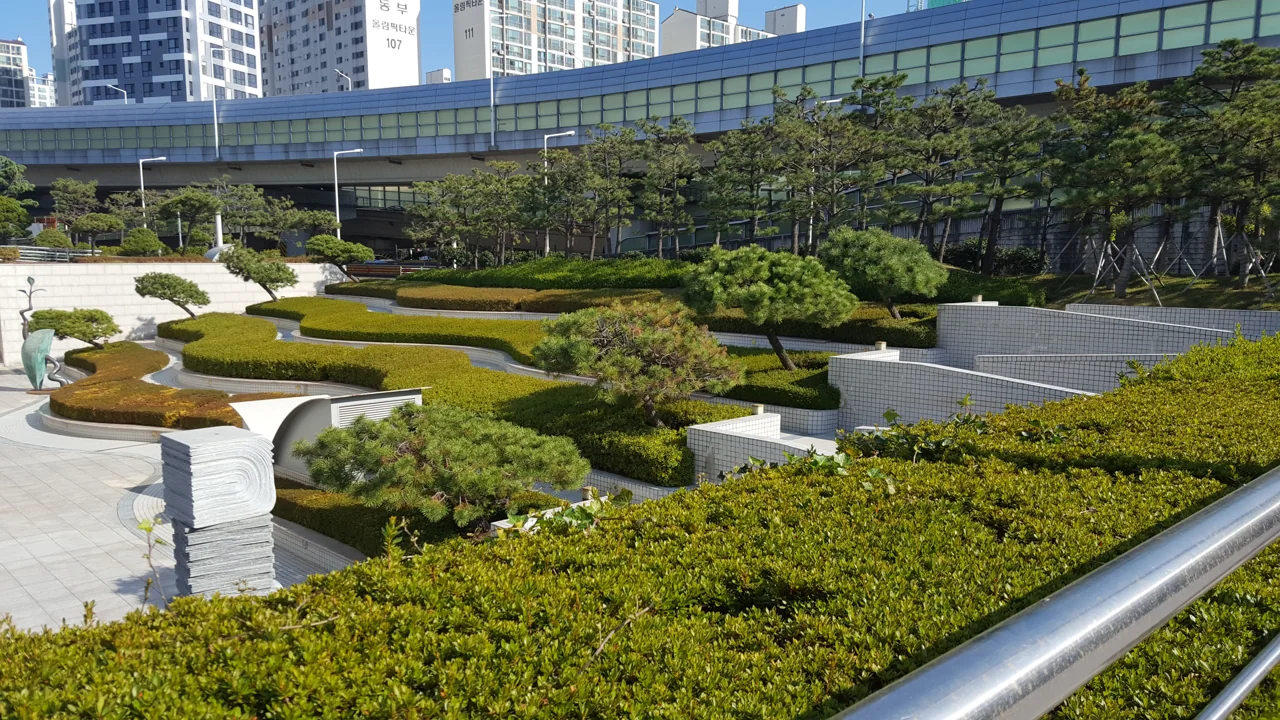
The tiered garden on the grounds is open regardless of the building work.
MapMuseum of Contemporary Art Busan
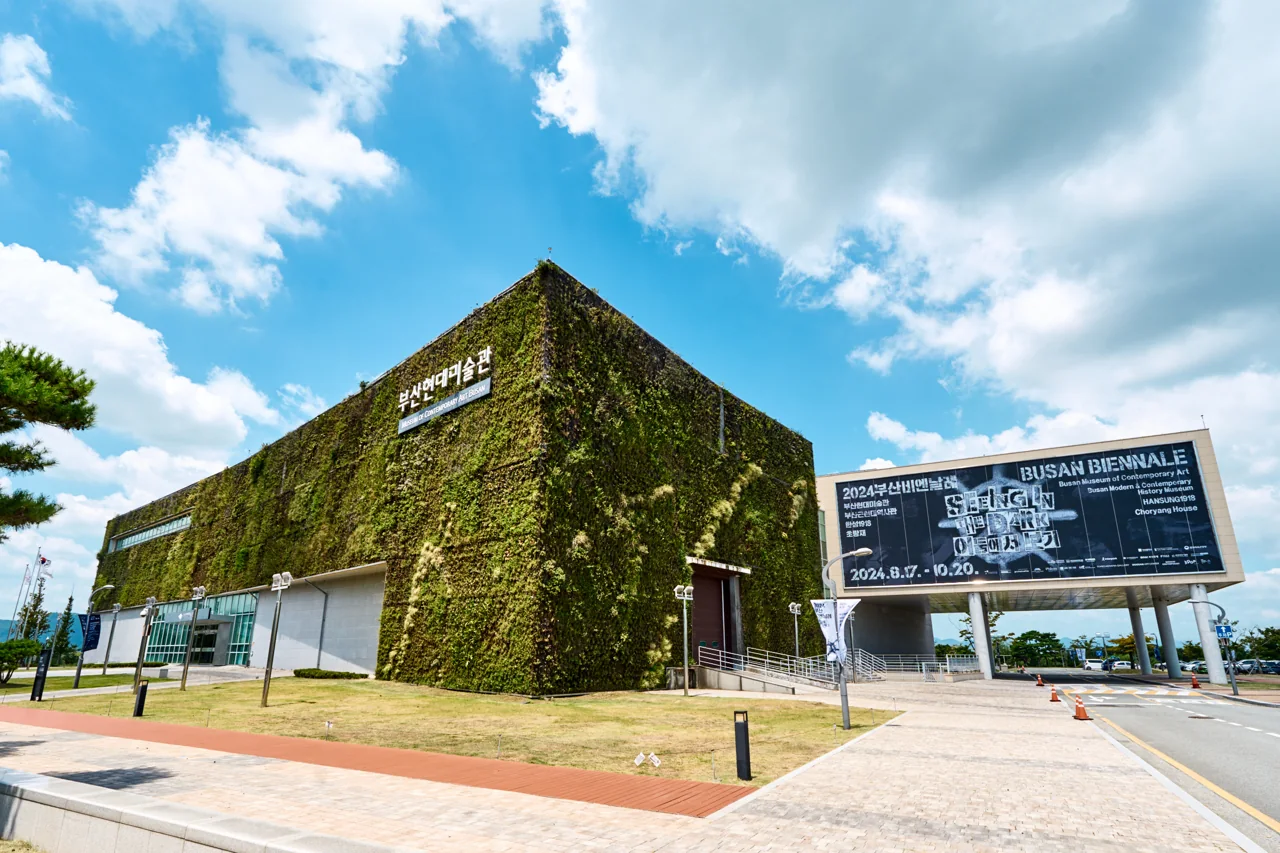
On Eulsukdo in Saha-gu. Tuesday to Sunday, 10:00 to 18:00, last entry 17:30 and last payment 17:40. The permanent display is free; particular special exhibitions charge. The museum notes that opening days can change during the biennale.
| Worth knowing | Detail |
|---|---|
| Shuttle bus | Between Busan station and the museum, Tuesday to Saturday. 11:00 and 14:00 from the station, 13:20 back from the museum |
| Guided tours | 15:00 on Thursday and Friday, 13:00 and 15:00 at weekends |
| Parking | 100 won per ten minutes, 2,400 won a day |
The shuttle is useful coming from the station side, but it does not run on Sundays, closing days or public holidays and there are only a few departures, so check the return time before you commit to it.
Map13. Nine university museums
Busan saw a lot of excavation, and nine universities ended up with museums of their own. They sit on campus and most of them are free.
| University | Where |
|---|---|
| Pusan National University | Geumjeong-gu, at Busan National University station on Line 1 |
| Dong-A University | Bumin-dong, Seo-gu, the same quarter as the Provisional Capital hall |
| Kyungsung University | Daeyeon-dong, Nam-gu |
| Kyungsung University bird hall | Same campus, a collection of bird specimens |
| Pukyong National University | Yongso-ro, Nam-gu |
| Korea Maritime University | Jodo, Yeongdo |
| Silla University | Sasang-gu, Monday to Friday 10:00-16:00 |
| Dongju College | Saha-gu |
| Busan Institute of Science and Technology | Gupo, Buk-gu |
Phone before you go
Campus museums follow the academic calendar, and hours shift between term, vacation and exam periods. Several of the published pages have not been updated, which is why no times are copied here. Once your date is fixed, call the museum office.
The holdings lean towards Gaya
Pusan National, Kyungsung and Dong-A display material they excavated themselves, because those departments ran the digs around Dongnae and Bokcheon-dong. You end up looking at the same period you saw at Bokcheon Museum from a different angle.
14. People and faiths
Six halls take a single person or a single faith as their subject. Most are some way out from the centre.
Oryundae Korean Martyrs Museum
On the hillside near Catholic University of Pusan in Geumjeong-gu. It holds material on the Korean martyrs and takes visits and group bookings by phone, so ring before you set out rather than turning up.
Beomeosa Temple Museum
Inside the temple grounds. Buddhist objects handed down at Beomeosa, which makes it a natural stop on a temple visit. It is a bus ride up from Beomeosa station on Line 1, so give the temple and the museum half a day together.
Literary houses and birthplaces
| Place | Where | Whose |
|---|---|---|
| Yi Ju-hong Literature Hall | Oncheon-dong, Dongnae | The children’s writer, in the house he lived in to the end |
| Yosan Kim Jeong-han Literature Hall | Namsan-dong, Geumjeong-gu | The novelist, with his birth house beside it |
| Park Cha-jeong birthplace | Myeongnyun-dong, Dongnae | The independence activist, in the house she grew up in |
| U Jang-chun Memorial Hall | Oncheon-dong, Dongnae | The plant breeder, in the same quarter as the natural history museum |
15. Three folk arts centres
Three places in Busan keep local folk games, dance and music going. They have display rooms, and in the same building they rehearse and perform.
- Busan Folk Arts Center sits inside Geumgang Park in Dongnae and teaches the Dongnae repertoire.
- Gudeok Folk Arts Center is in Daesin Park, Seo-gu, and carries the western Busan traditions.
- Suyeong Folk Arts Center is in Suyeong-dong, home of the Suyeong yaryu masked play and the Jwasuyeong fishing ritual.
Go on a performance day
Seen as display rooms alone, all three are short visits. On a scheduled performance or recital day you get the stage as well. Dates go up on each centre’s notices, so matching the date changes what the trip is worth.
16. Small, and there for a reason
Judged on size these drop off the list, and each one is where it is for a clear reason.
Bosu-dong Book Alley Culture Hall
Inside the second-hand book alley in Jung-gu. Books were bought and sold along here through the refugee years and the trade never stopped, and the hall sets out how that happened. Walk the alley and step in as you pass.
Busanpo Folk Museum
In Bujeon-dong, Busanjin-gu. A private collection of household tools, small enough to fit into a walk around Seomyeon.
Two places for birds
The eco centre on Eulsukdo and the bird hall at Kyungsung University. One looks out of the window at an estuary, the other at specimens indoors. Same subject, opposite methods.
17. Guided tours make the small ones work
The smaller the hall, the more the commentary matters, because the story is usually about why the objects turned up here rather than about the objects themselves.
Who runs them
| Place | When |
|---|---|
| Dongsam-dong Shell Midden Museum | Tue to Sun, on request between 10:00 and 17:00 |
| Museum of Contemporary Art Busan | 15:00 Thursday and Friday, 13:00 and 15:00 at weekends |
| Contemporary art museum, groups | Wednesdays. Twenty or more, arranged in advance |
| Busan Museum and its branches | Group commentary booked separately |
The contemporary art museum says its tour times can move with the exhibition programme, so if the commentary is the reason for your visit, check that day’s notice.
City guides work the outdoor sites
The city also assigns cultural tourism interpreters you can book ahead. They earn their keep somewhere like the Bokcheon tomb field, where the shape of the burials under the grass is not readable without someone explaining it.
University museums do not staff commentary as a rule. Some will arrange a time for a group if you contact the curatorial office first.
18. Getting there on the metro
Some of the forty-one are a walk from a station and some need a bus on top. The walkable ones first.
Walk from the station
| Place | Nearest station |
|---|---|
| Busan Museum | Daeyeon, Line 2 |
| Busan Modern History Museum | Jungang, Line 1 |
| Imjin War History Museum | Suan, Line 4. The display is inside the station |
| Bokcheon Museum | Dongnae or Myeongnyun on Line 1, then a short climb |
| Marine Natural History Museum | Oncheonjang, Line 1, walking towards Geumgang Park |
| Busan Museum of Art | Busan Museum of Art station, Line 2. The station is named after it |
| Citizens Park History Museum | Bujeon, Line 1, into the park |
| Pusan National University Museum | Busan National University, Line 1 |
One bus on top
The maritime museum and the shell midden are both in Dongsam-dong on Yeongdo, which the metro does not reach; the simplest route is a bus from Nampo station on Line 1. The contemporary art museum and the eco centre are on Eulsukdo, reached by bus from Hadan on Line 1.
Democracy Park is up a ridge, so it is a bus from Jungang or Busan station, or a climb. The forced mobilization museum is likewise on a slope above Daeyeon rather than level with the station.
Jeonggwan Museum and the Oryundae museum are the far ones. One is inside the Gijang new town, the other up a hillside in Geumjeong, and both need a bus connection. For two or more outlying stops in a day, a car is the practical answer.
19. Wheelchairs, pushchairs and parking
City museums lend wheelchairs and pushchairs. The numbers are small, so ask at the desk rather than assuming.
| Place | Wheelchairs | Pushchairs |
|---|---|---|
| Busan Museum | 3 | 3 |
| Bokcheon Museum | 1 | 5 |
| Jeonggwan Museum | 2 | 2 |
| National Maritime Museum | At the first floor desk | Same desk |
Parking rules differ by venue
The contemporary art museum charges 100 won per ten minutes and 2,400 won a day; the natural history museum has no car park of its own and sends you to the public one nearby at 200 won per ten minutes. Some city venues apply the vehicle rotation scheme, which bars cars whose plate ends in that day’s digit. If you are driving, check the day before the destination.
For fares and transfers on the metro, the Busan metro and transit card guide has the numbers.
20. Grouped by neighbourhood they make a day
Forty-one sounds scattered, and in practice they bunch. Five clusters are walkable end to end.
| Area | What groups together |
|---|---|
| Daeyeon, Nam-gu | Busan Museum · National Museum of Forced Mobilization · UN Memorial Cemetery · the Kyungsung and Pukyong campus museums |
| Old downtown, Jung-gu | Modern History Museum and annex · 40 Steps Culture Center · Baeksan Memorial Hall · Bosu-dong book alley hall · Democracy Park |
| Oncheonjang, Dongnae | Bokcheon Museum · Marine Natural History Museum · U Jang-chun Memorial Hall · Yi Ju-hong Literature Hall · Busan Folk Arts Center |
| Dongsam-dong, Yeongdo | National Maritime Museum · Shell Midden Museum · Korea Maritime University museum |
| Eulsukdo, Saha-gu | Museum of Contemporary Art Busan · Nakdong Estuary Eco Center |
Dongnae runs into the hot springs
The Dongnae cluster overlaps Geumgang Park and the Oncheonjang spa district, so museums in the morning and a bathhouse in the afternoon is the shape the neighbourhood suggests.
The old downtown is the shortest walk
All five stops in Jung-gu are on foot, though Democracy Park means one climb. For how the indoor day fits into the rest of the city, things to do in Busan sets the order.
21. Check these before you set out
The same problems catch visitors again and again, and none of them show up on a map app.
Partial closures
It is common for one gallery to shut while the building stays open. Busan Museum services one hall at a time, and Democracy Park blocks its permanent gallery for event set-up. These appear on the venue’s own notice board and not on the portals.
Names that repeat
The Dongnae Eupseong History Museum and the Dongnae Eupseong Imjin War History Museum have similar names in different places, one by the fortress wall at Bokcheon-dong and one inside Suan station. Typing the name into a map app is where this goes wrong.
Out-of-date information
Portals and blog posts carry details that no longer hold. The maritime museum’s changed web address and the closed main building of the art museum are the two that catch people most often. Take prices and hours from the venue’s official page.
Last entry is not closing time
Most places stop admitting an hour before they close. Where the doors shut at 18:00 the last entry is 17:00; the maritime museum and the forced mobilization museum cut it thirty minutes before. Late in the afternoon that hour decides how many places you can still reach.
Three of them run late: the Suan station display and the Bokcheon tomb field until 20:00, and Jeonggwan Museum until 20:00 on the last Wednesday of the month.
🎡Things to Do48
🍜Food7
🏨Where to Stay3
🚇Getting Around8
🧭Travel Tips14
📌More3
🧭All-Korea essentials37
Frequently asked questions
Images: Photographs via Wikimedia Commons: neepster (CC BY-SA 2.0), Boubloub (CC0), DontPanic42, Donggeon, VN.NguyenDucDuy, Steve46814, Mztourist, Busan Biennale and Bubbahotepblues (CC BY-SA 4.0), HappyMidnight and 이강철 (CC BY-SA 3.0), 장전부동산이소장 (CC BY 3.0).